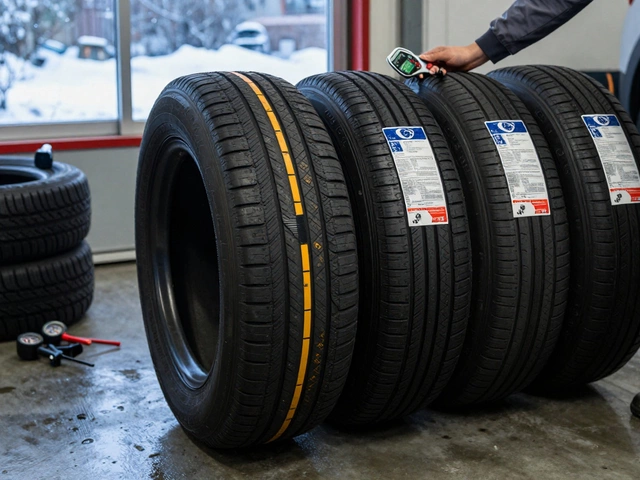
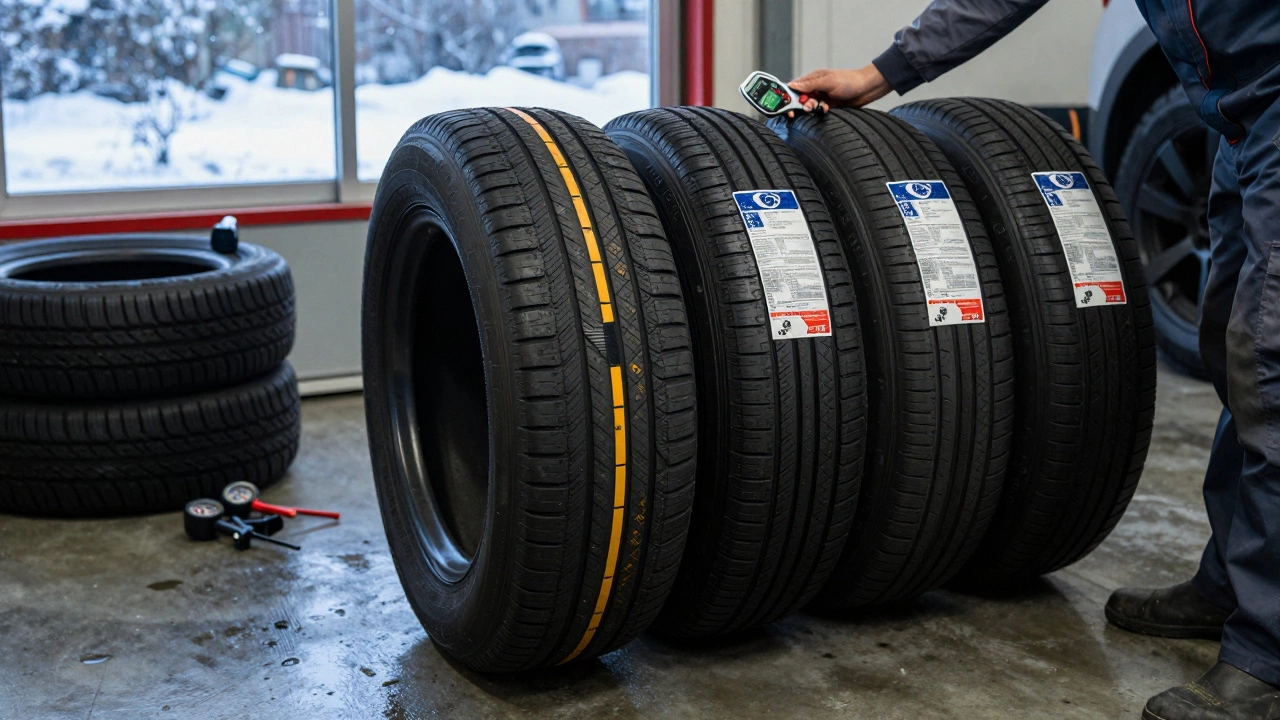
Tire Price Calculator
Estimated Tire Cost
Replacing a car tire isn’t just about buying a round piece of rubber. It’s about safety, performance, and matching the right tire to your driving habits and vehicle. So how much is a tire for a car? The answer isn’t simple. You could pay under £50 or over £250 for a single tire, depending on what you need. Let’s cut through the noise and give you real numbers, real examples, and what actually matters when you’re standing in the tire shop.
What Affects Tire Price?
Not all tires are created equal. A tire’s price depends on four big things: brand, size, type, and performance level. You can’t just pick the cheapest one and expect it to work the same as your original tires.
Brand matters. Michelin, Goodyear, and Bridgestone cost more than generic brands like Kumho or Nexen-but they also last longer and handle better in rain or snow. If you drive in the UK’s wet winters, that difference isn’t optional. A Michelin Energy Saver+ might cost £95, while a Nexen N5000 could be £65. Same size. Different safety.
Size is next. A small city car like a Fiat 500 uses a 175/65 R14 tire. That’s cheap. A large SUV like a Land Rover Discovery needs 275/55 R20 tires. Those can run £180 or more each. The bigger the wheel and the wider the tire, the more material and engineering go into it. That drives up the cost.
Type matters too. Summer tires? Winter tires? All-season? Winter tires in the UK are becoming more common-not because of snow, but because rubber stays flexible below 7°C. A winter tire like the Michelin Alpin 6 costs about £20 more than its summer counterpart. But if you drive in January, that £20 could save you from sliding into a ditch.
Performance level? High-performance tires for sports cars (like Pirelli P Zero) or heavy-duty tires for towing (like Continental ContiSportContact) are built with stronger sidewalls, better grip, and heat-resistant compounds. Those add £50-£100 to the price. If you’re not racing or hauling a caravan, you don’t need them.
Typical Tire Prices in 2026 (UK)
Here’s what you’ll actually pay for common tire sizes in the UK right now:
| Vehicle Type | Tire Size | Entry-Level Tire | Mid-Range Tire | Premium Tire |
|---|---|---|---|---|
| City Car (e.g., VW Polo) | 195/55 R16 | £55 | £75 | £100 |
| Family Sedan (e.g., Toyota Corolla) | 205/55 R16 | £60 | £80 | £110 |
| Compact SUV (e.g., Honda CR-V) | 225/60 R17 | £80 | £105 | £140 |
| Luxury SUV (e.g., BMW X3) | 245/45 R18 | £110 | £140 | £190 |
| Performance Car (e.g., Ford Mustang) | 255/40 R19 | £130 | £170 | £250 |
These prices are for one tire. Most people replace tires in pairs or sets of four. A full set of four mid-range tires for a family sedan? Around £320. Add fitting and balancing, and you’re looking at £400-£450 total.
What You Shouldn’t Do
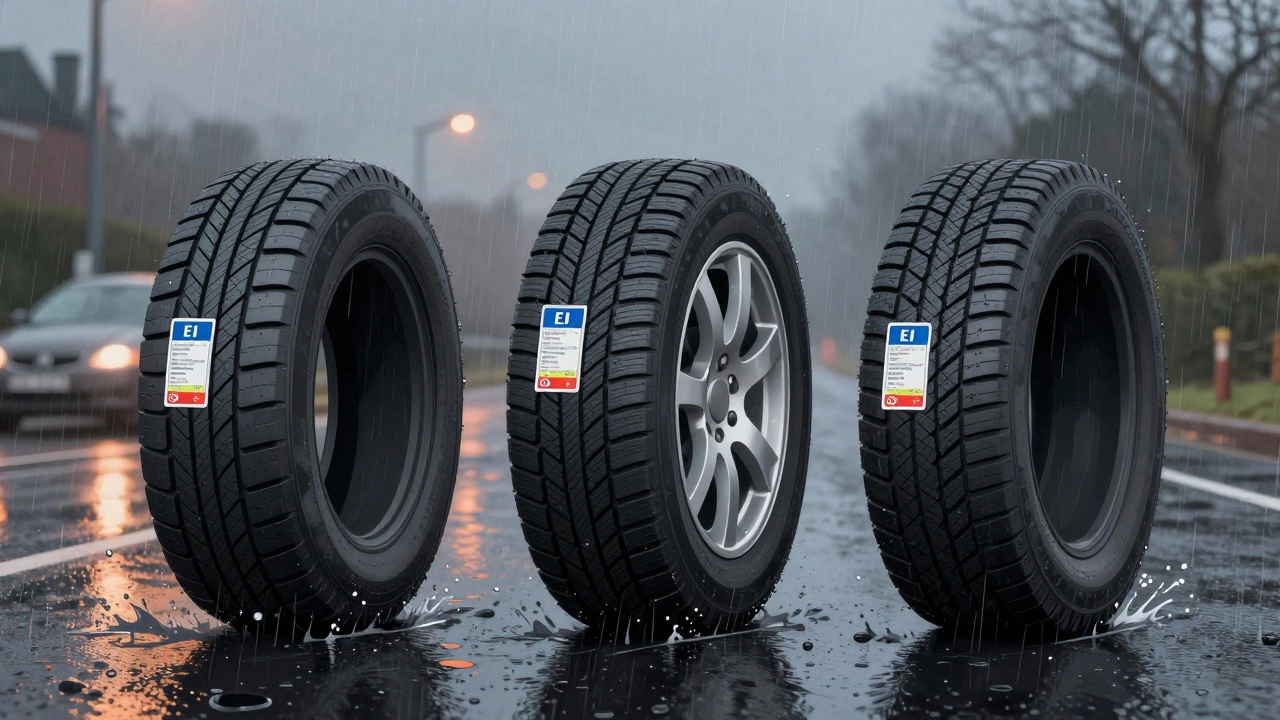
Don’t buy the cheapest tire just because it’s on sale. A £40 tire might look like a steal-but if it wears out in 20,000 miles instead of 40,000, you’re paying double over time. Worse, cheap tires have worse braking on wet roads. A 2024 independent test by the UK’s Tyre Safety Council found that budget tires increased stopping distance by up to 7 metres in wet conditions compared to premium brands. That’s the length of a small car. In a panic stop, that’s the difference between avoiding a crash and hitting one.
Don’t ignore the load index and speed rating. Your car’s manual says what’s safe. A tire rated for 190 km/h won’t help if your car only does 160 km/h-but if your car needs a load index of 95 and you fit a 91, you risk blowouts under heavy loads. Always match the specs.
Don’t assume all tires are the same size. You can’t put a 17-inch tire on a car designed for 16-inch wheels. Wheel size isn’t just about looks-it affects suspension, speedometer accuracy, and even insurance. Stick to what the manufacturer recommends.
When to Replace Tires
Tires wear out faster than most people think. The legal minimum tread depth in the UK is 1.6mm. But experts say you should replace them at 3mm. Why? Because braking performance drops sharply below that. A tire with 3mm tread stops 30% faster than one with 1.6mm in wet weather.
Check your tires every month. Look for cracks on the sidewall-those mean the rubber is drying out. Even if the tread looks fine, old tires (over 6 years) can fail suddenly. Many UK garages now check tire age when you get a service. If your tire was made in 2019, it’s time to think about replacement.
Uneven wear? That’s not a tire problem. That’s a suspension or alignment issue. Replacing tires without fixing the root cause means your new tires will wear out in 6 months. Always get a free alignment check when you buy new tires.
Where to Buy
Online? Yes. But not always. Sites like TyreShop, Easywheels, and Halfords let you compare prices and have tires delivered to a local fitter. You save £10-£20 per tire. But you’ll pay £10-£15 per tire for fitting.
Local garages? They often include fitting, balancing, and valve replacement in one price. If you’re not tech-savvy, this is easier. Some even offer free puncture repairs for the life of the tire.
Discount retailers? Be careful. Some sell ex-display or stock that’s been sitting for years. Ask for the DOT code-the last four numbers tell you the week and year it was made. Avoid anything older than 2022.
What to Look for in a Tire
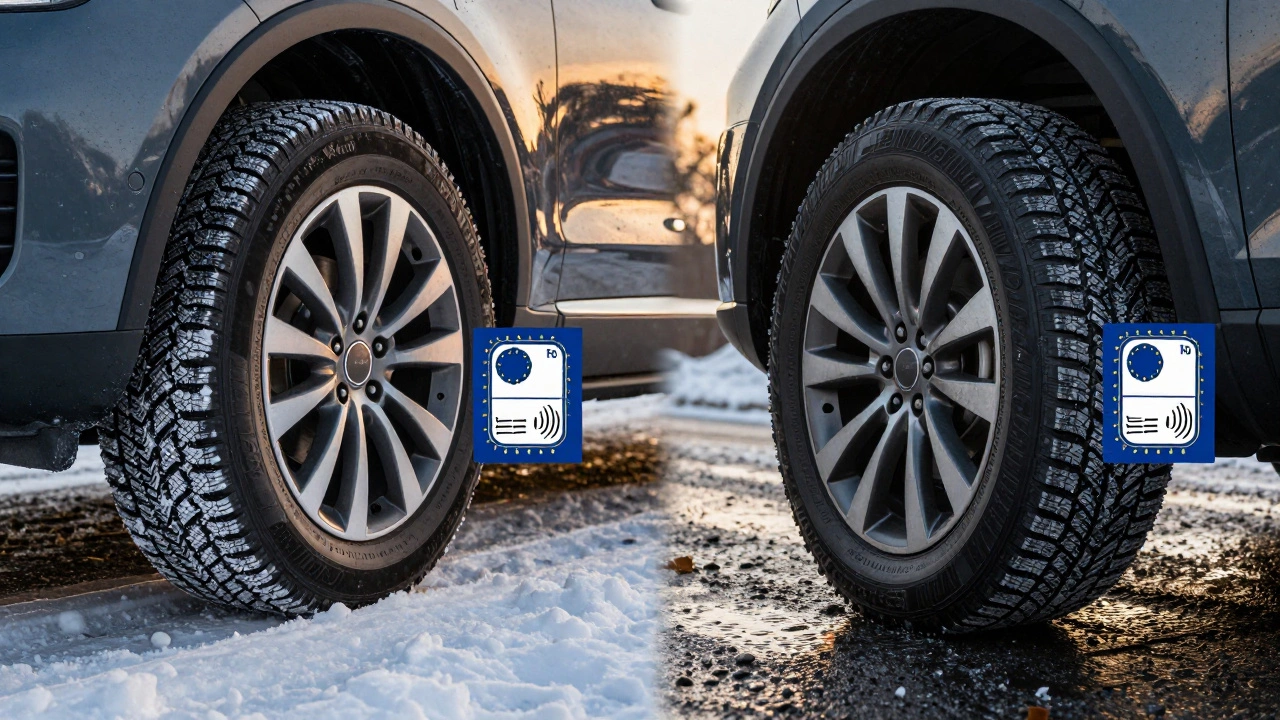
Look at the EU tire label. It’s on every tire sold in the UK now. Three things matter:
- Rolling resistance (fuel efficiency): A-rated tires save you up to 8% on fuel. That’s £50 a year if you drive 12,000 miles.
- Wet grip: B-rated is good. C-rated is borderline. Avoid D or E.
- Noise: 3 black waves mean loud. 1 black wave means quiet. If you hate road noise, pick the quietest one.
Also, check the tread pattern. Symmetrical tires are cheaper and fine for normal driving. Asymmetrical tires grip better in corners and are better for wet weather. Directional tires are best for heavy rain and snow-but they can only be rotated front-to-back, not side-to-side.
Is a Winter Tire Worth It?
Yes-if you drive regularly between October and March. Winter tires aren’t just for snow. They use softer rubber that stays flexible in cold temperatures. Summer tires harden below 7°C. That means less grip, longer stops, and more skidding.
A full set of winter tires for a family car costs £300-£400. But you can store them and swap them seasonally. Many garages offer free storage. Or, if you have alloy wheels, you can buy a second set of wheels and leave the tires mounted. That’s £150 extra upfront but saves £100 in labor over five years.
UK winters are getting wetter. The Met Office recorded 27% more rainfall in December 2024 than the 10-year average. If you drive to work, school, or the supermarket in winter, winter tires aren’t a luxury. They’re a safety tool.
Final Thoughts
How much is a tire for a car? It’s whatever you need it to be. A budget tire for a city runabout? £55. A premium winter tire for a family SUV? £140. A high-performance tire for a sports car? £250.
But price isn’t just about the sticker. It’s about how long it lasts, how well it stops, and whether it keeps you safe in rain, cold, or fog. Don’t buy based on price alone. Buy based on your car, your driving, and your safety.
Replace tires in pairs. Always match the brand and model. Keep your pressure right. Check tread depth monthly. And if you’re unsure, ask a garage to show you the DOT code and the EU label. They’re there for a reason.
How long do car tires last?
Most tires last between 20,000 and 50,000 miles, depending on driving style, road conditions, and tire type. Aggressive braking and cornering wear tires faster. Even if tread looks good, tires older than six years should be replaced because rubber degrades over time.
Can I mix different tire brands on my car?
Never mix different brands or models on the same axle. It affects handling and can make your car unstable, especially in wet conditions. If you replace only two tires, always put the new ones on the rear axle for better control.
Do I need to replace all four tires at once?
Not always, but it’s best. If two tires are worn and two are new, the difference in grip can cause uneven handling. For AWD or 4WD vehicles, manufacturers often require all four tires to be the same size and tread depth. Check your manual.
Are run-flat tires worth the extra cost?
Run-flat tires let you drive up to 50 miles after a puncture, which is useful if you’re far from a garage. But they’re £30-£80 more per tire, ride harsher, and can’t be repaired. Only worth it if you drive long distances alone or in remote areas.
Can I fit larger tires on my car?
Not without checking. Larger tires affect speedometer accuracy, suspension, and fuel economy. They might rub against the wheel arches. Always stick to the manufacturer’s recommended size-or get written approval from your insurer if you change it.