Clutch Slipping Test Calculator
Clutch Slipping Test
Check if your clutch is slipping by comparing engine RPM to vehicle speed. This test simulates the conditions described in the article.
If you’ve noticed your car acting weird-slipping gears, strange noises, or a spongy pedal-it might not be your engine. It could be your clutch. Especially in manual cars, the clutch is the bridge between the engine and the transmission. When it starts to go, your driving experience changes fast. And unlike a flat tire, you can’t just pull over and fix it with a spare. Knowing the signs early can save you from a breakdown, a towing bill, or even a full transmission rebuild.
Clutch Slipping Under Load
Slipping is the most common sign of a worn clutch. You’ll notice it when you press the accelerator and the engine revs up, but the car doesn’t speed up like it should. It feels like the car is struggling to catch up. This happens because the friction material on the clutch disc is worn thin. It can’t grip the flywheel properly anymore, so power leaks away instead of being transferred to the wheels.
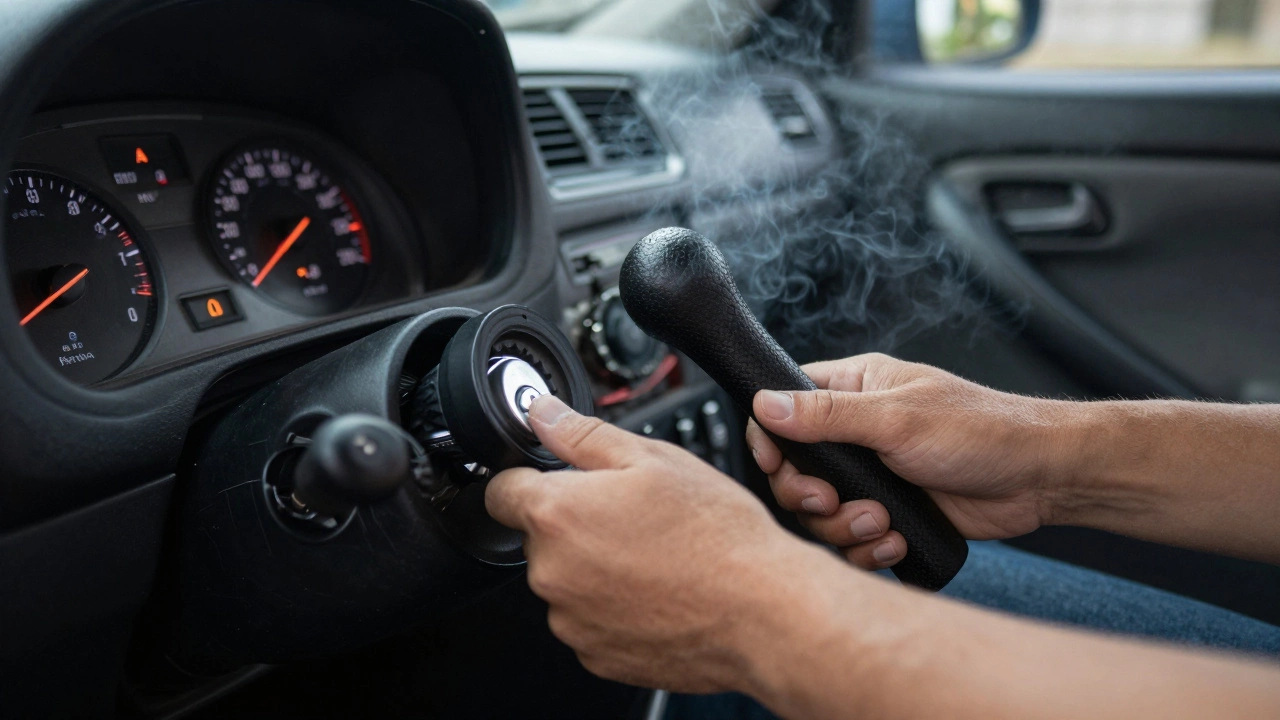
Try this test: drive in 3rd or 4th gear on a quiet road. Floor the gas pedal. If the RPMs spike but your speed barely increases, your clutch is slipping. Do it on a slight incline, and it gets worse. You might even smell a burning odor-like hot metal or burnt toast. That’s the clutch disc overheating from excessive slippage.
Hard or Spongy Pedal Feel
A healthy clutch pedal has a firm, responsive feel. You press it, it goes down, and it comes back up smoothly. If the pedal feels spongy, or if you have to press it all the way to the floor to get the car to shift, something’s wrong. It could be air in the hydraulic system, a leaking master or slave cylinder, or a worn clutch cable. But if you’ve ruled out fluid leaks and the pedal still feels off, the clutch itself is likely the issue.
On the flip side, if the pedal feels unusually stiff or hard to push down, that can mean the pressure plate is weakening or the release bearing is seizing. Either way, it’s not normal. You shouldn’t need to use your whole leg just to shift gears.
Grinding or Clunking When Shifting
Grinding noises when you shift into gear are a red flag. It means the clutch isn’t fully disengaging before you try to change gears. That’s usually because the clutch disc isn’t releasing completely from the flywheel. The teeth on the gear and the input shaft are still spinning at different speeds, so they clash when you try to connect them.
You might also hear a loud clunk when you let the clutch out, especially in first gear. That’s the transmission slamming into gear because the clutch isn’t engaging smoothly. It’s not just annoying-it’s damaging your synchronizers and gears over time.
Car Won’t Move, Even With Gas
If you’re in gear, pressing the gas, and the car just sits there, it’s not the engine. It’s the clutch. A completely worn-out clutch can’t transfer any torque at all. You might hear the engine revving loudly, but the car won’t budge. This usually happens when the friction material has worn away entirely, or the pressure plate springs have broken.
Some drivers try to “baby” a failing clutch by revving higher and slipping it more. That only makes it worse. The clutch disc heats up, glazes over, and loses even more grip. You’re not saving it-you’re accelerating its death.
Clutch Pedal Stays Down or Doesn’t Return
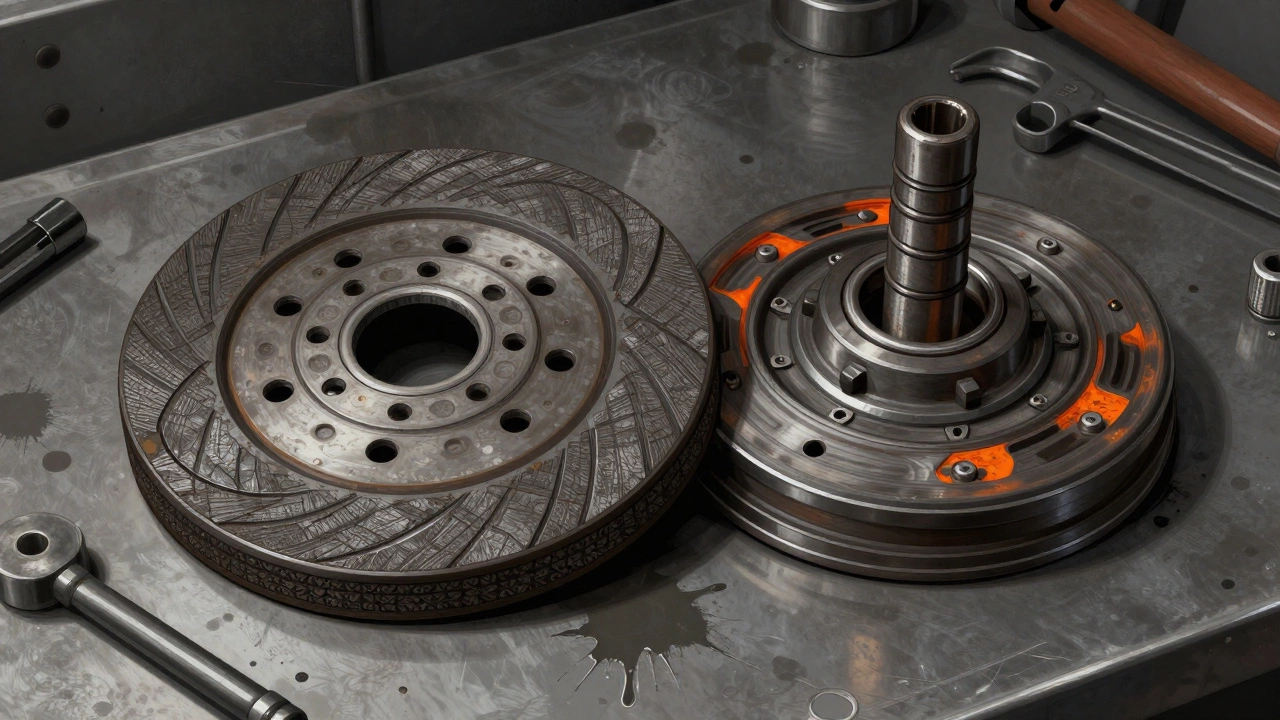
A clutch pedal that sticks to the floor or doesn’t spring back on its own is a serious warning. It could be a broken return spring, a jammed cable, or a hydraulic failure. But if the pedal works fine when cold and then sticks after driving for a while, it’s often a sign that the clutch disc is overheating and expanding. That’s a classic symptom of a clutch that’s been pushed too hard for too long.
Check the Clutch Fluid (If Hydraulic)
Most modern cars use a hydraulic clutch system. It works like your brakes: fluid pressure moves the clutch mechanism. If you notice the clutch acting sluggish, check the clutch fluid reservoir. It’s usually near the brake fluid, under the hood. Low fluid means there’s a leak somewhere-in the master cylinder, slave cylinder, or the lines between them. A leak won’t fix itself. And if you keep driving, air will get into the system, making the pedal feel spongy and unreliable.
Top up the fluid if it’s low, but don’t just ignore it. Find the leak. If you’re not sure how, take it to a mechanic. A small leak now can turn into a total clutch failure in a few days.
How Long Does a Clutch Last?
There’s no magic number. A clutch can last anywhere from 30,000 to 100,000 miles. It depends on how you drive. If you ride the clutch, creep in traffic, or launch hard from a stop, you’ll wear it out faster. City drivers in Bristol often see clutch failure around 50,000 miles. Highway drivers who shift smoothly might hit 80,000 or more.
Clutch kits are designed to be replaced as a unit: disc, pressure plate, and release bearing. Replacing just the disc without checking the others is a false economy. The pressure plate can warp or lose tension over time. The release bearing spins every time you press the pedal-it wears out too. Most mechanics will tell you to replace all three together. It’s more expensive upfront, but you won’t be back in six months.
What Happens If You Ignore It?
Ignoring a bad clutch doesn’t just mean you’ll get stranded. It can damage other parts of your transmission. When the clutch slips, it overheats the flywheel. A warped flywheel can ruin a brand-new clutch in minutes. It can also wear down the input shaft and synchronizers inside the gearbox. Those are expensive repairs-often more than replacing the whole clutch kit.
And if the clutch fails completely while you’re driving? You’ll lose power to the wheels. No engine braking. No ability to shift. You’ll have to coast to a stop. That’s dangerous on a busy road or a motorway.
When to Replace It
Don’t wait for it to die. If you notice any two or more of these symptoms-slipping, grinding, pedal issues, burning smell-it’s time to act. A clutch replacement takes 4-8 hours, depending on the car. It’s not a quick job. But it’s cheaper than towing, transmission repairs, or replacing the whole gearbox.
For most UK cars, a clutch kit costs between £250 and £600. Labour adds another £300-£500. It’s not cheap, but it’s predictable. Waiting until it fails means you might need a tow truck, a rental car, and a bigger bill.
Preventing Premature Wear
Here’s how to make your clutch last:
- Don’t rest your foot on the clutch pedal while driving. Even light pressure wears it out.
- Shift smoothly. No jerking or revving too high before engaging.
- Use the handbrake on hills instead of holding the car with the clutch.
- Avoid ‘riding the clutch’ in traffic. Put the car in neutral and take your foot off the pedal.
- Get the clutch inspected if you’re doing a lot of stop-start driving.
These habits don’t just save your clutch-they save you money.
Can a bad clutch damage the transmission?
Yes. A slipping or failing clutch puts extra stress on the transmission’s input shaft and synchronizers. If the clutch doesn’t fully disengage, gears grind and wear down. Over time, this can lead to costly transmission repairs that cost far more than a clutch replacement.
How do I check clutch fluid level?
Locate the clutch fluid reservoir near the brake master cylinder under the hood. It’s usually a small plastic tank with a cap labeled "Clutch" or marked with a clutch symbol. Remove the cap and check the fluid level against the minimum and maximum marks. If it’s low, top it up with the correct fluid (usually DOT 3 or DOT 4 brake fluid), but find and fix the leak.
Is it safe to drive with a bad clutch?
Not for long. You might get away with short trips if the clutch is only slightly worn, but slipping or grinding will worsen quickly. Driving with a failing clutch risks damaging the flywheel or transmission. It also creates a safety hazard-losing power while driving can lead to accidents.
Should I replace the flywheel when replacing the clutch?
If the flywheel is worn, scored, or warped, yes. Most mechanics inspect it during a clutch replacement. If the surface is smooth and not discolored, it can be reused. But if you see grooves, cracks, or heat spots, it needs resurfacing or replacement. A bad flywheel will ruin a new clutch in weeks.
What’s the difference between a clutch kit and a clutch disc?
A clutch disc is just one part-the friction material that presses against the flywheel. A clutch kit includes the disc, pressure plate, and release bearing. Most replacements require the full kit because the pressure plate and bearing wear out at similar rates. Replacing only the disc is a temporary fix that often leads to repeat repairs.
If you’re unsure whether your clutch is failing, take it to a trusted mechanic. They can check the pedal travel, test for slippage, and inspect the clutch components without removing the gearbox. A quick diagnostic can save you hundreds-or thousands-down the line.