Car Oil Status Diagnostic Tool
Check all boxes that apply to your current situation:
Select symptoms from the left panel to analyze your vehicle's status.
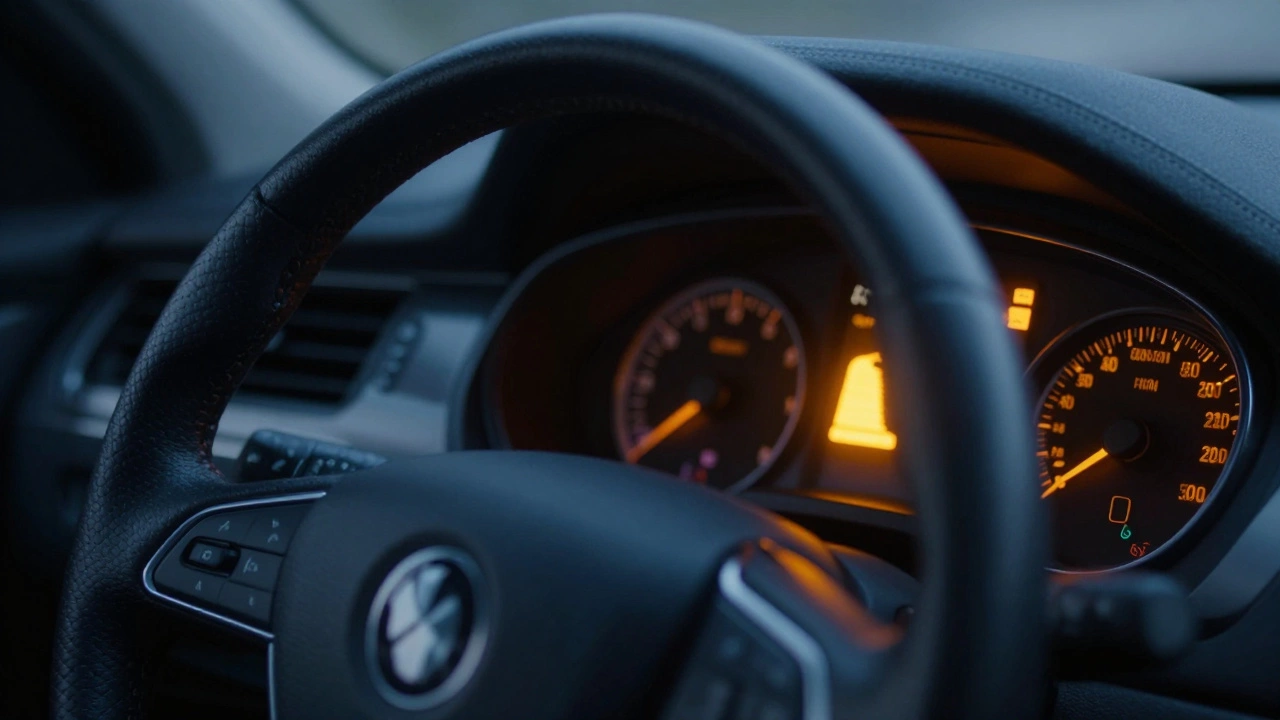
Imagine you’re driving along the M32 in Bristol, and suddenly your dashboard lights up like a Christmas tree. Or maybe you hear a strange rattling noise from under the bonnet that makes your heart skip a beat. It’s not always easy to tell what’s wrong with your car, but one of the most critical issues you can face is running low on engine oil, which is the vital lubricant that keeps your engine's moving parts from grinding against each other. Running out of oil isn’t just an inconvenience; it can destroy your engine in minutes. Knowing the early warning signs can save you thousands in repair bills or even prevent a total breakdown on the motorway.
Many drivers ignore subtle changes in their vehicle until it’s too late. You might think your car will simply stop working if the oil runs out, but the reality is more nuanced. The symptoms build up gradually, starting with small annoyances and escalating into catastrophic failure. By learning to recognize these specific signals-ranging from dashboard warnings to unusual smells-you can pull over safely before serious damage occurs.
The Dashboard Warning Lights
The first and most obvious sign that something is wrong with your oil system is a warning light on your dashboard. Modern cars are equipped with sensors that monitor oil pressure and temperature. When these sensors detect abnormal readings, they trigger visual alerts.
You’ll typically see two different types of lights:
- The Oil Pressure Light: This usually looks like an old-fashioned oil can dripping fluid. If this light comes on while you’re driving, it means your oil pressure has dropped dangerously low. This could be due to low oil levels, a failing oil pump, or a clogged filter. Do not ignore this light. Pull over immediately and turn off the engine to prevent seizure.
- The Oil Temperature Light: Often represented by a thermometer submerged in oil drops. This indicates that your oil is getting too hot. While less urgent than the pressure light, it still suggests that your cooling system or oil circulation is compromised.
If either of these lights appears, check your oil level as soon as possible. Remember, some older vehicles may not have sophisticated sensors, so relying solely on the dashboard isn’t enough for every car model.
Unusual Engine Noises
Your engine should run relatively quietly. When there’s insufficient oil, metal components start rubbing against each other without proper lubrication. This friction creates distinct noises that serve as auditory warnings.
Listen closely for these specific sounds:
- Knocking or Tapping: A rhythmic knocking sound from the center of the engine often indicates that the piston rods are hitting the cylinder walls because there’s no oil cushioning the impact. This is known as "rod knock" and is a severe sign of low oil.
- Whining or Groaning: These higher-pitched noises might come from the camshaft or lifters. Without adequate oil, these components struggle to move smoothly, creating a whine that gets louder as the engine speeds up.
- Rattling at Startup: If you hear a brief rattle when you first start the car, it could mean the oil has drained back down overnight and isn’t circulating quickly enough. While common in very cold weather, persistent rattling suggests a deeper issue.
If your engine starts making any of these noises, stop driving. Continuing to drive with these sounds can lead to complete engine failure within miles.
Burning Smell and Blue Smoke
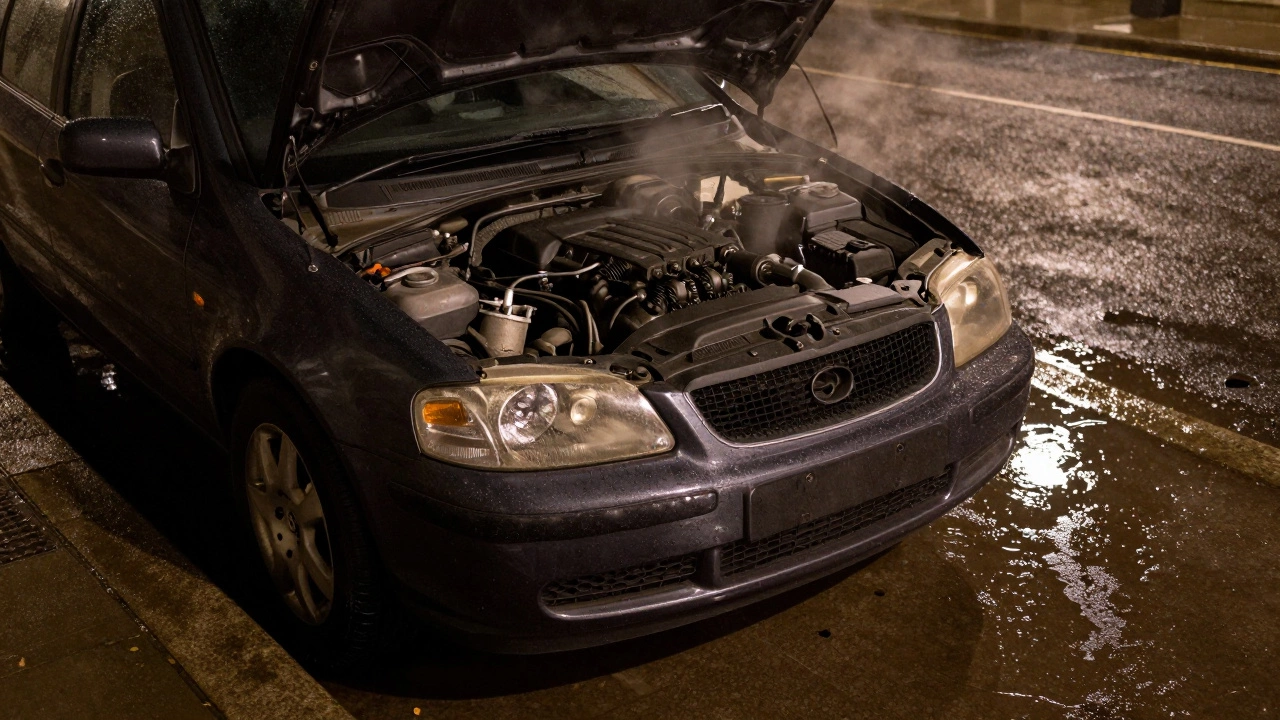
Your nose can be just as reliable as your eyes and ears when diagnosing car problems. If you smell burning oil inside or outside your vehicle, it’s a clear indicator that oil is leaking onto hot engine parts.
Look for blue or gray smoke coming from the exhaust pipe. Unlike white smoke (which usually means coolant leakage) or black smoke (which indicates a fuel mixture problem), blue smoke specifically points to oil burning in the combustion chamber. This happens when oil seeps past worn piston rings or valve seals.
In Bristol, where winters can be damp and roads salty, corrosion can accelerate leaks. Check under your car after parking. Fresh oil leaves dark brown spots. If you see puddles growing larger over days, you’re losing oil faster than normal.
Checking the Dipstick: The Most Reliable Method
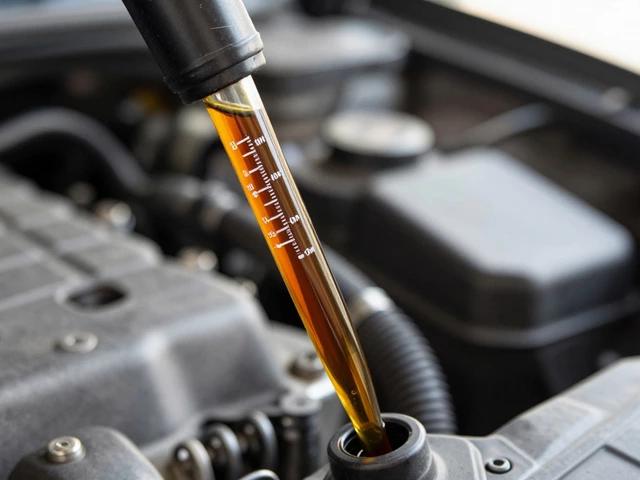
Despite all the technology in modern cars, the dipstick remains the gold standard for checking oil levels. It’s simple, free, and gives you an immediate answer.
- Park your car on level ground. An uneven surface gives false readings.
- Turn off the engine and wait about five minutes. This allows the oil to drain back into the sump.
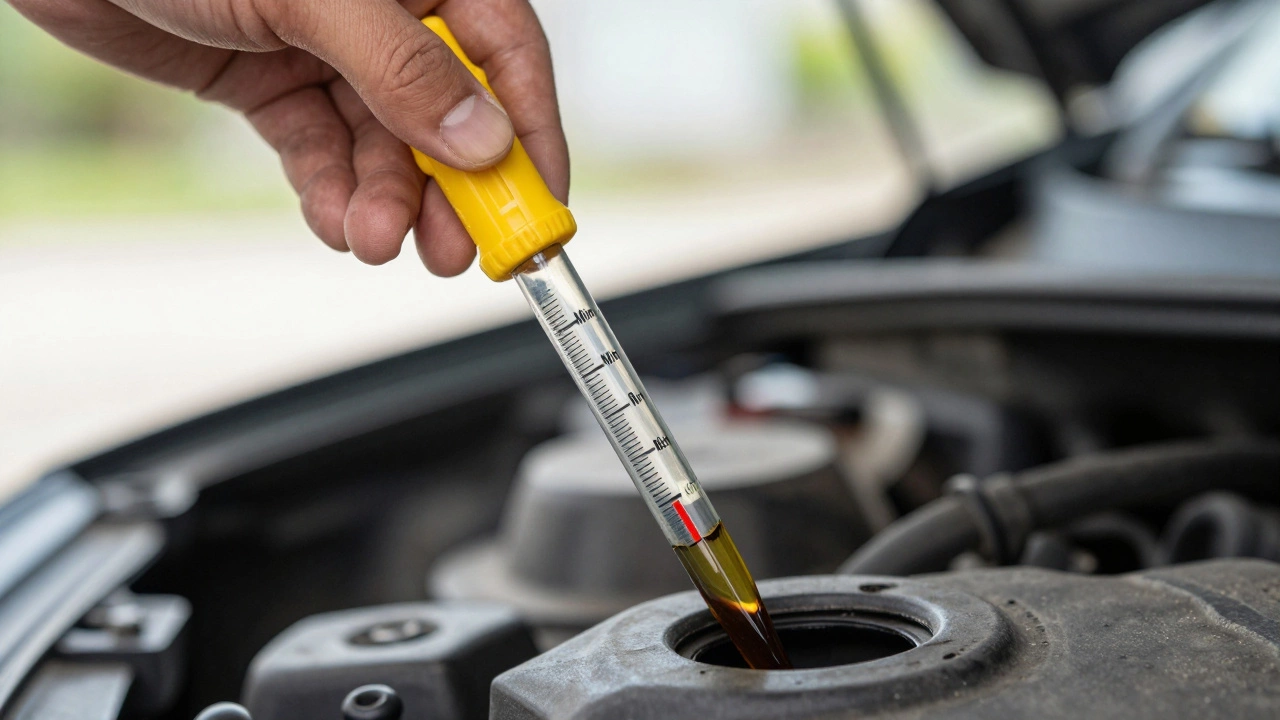
- Open the bonnet and locate the dipstick. It usually has a bright yellow or orange handle labeled "Engine Oil."
- Pull the dipstick out completely and wipe it clean with a rag or paper towel.
- Reinsert it fully, then pull it out again to read the level.
The dipstick has two marks: "Full" and "Low" (or "Min"). Your oil level should be between these two lines. If it’s below the "Low" mark, you need to add oil immediately. Use the grade specified in your owner’s manual-for example, 5W-30 or 0W-20. Using the wrong viscosity can affect performance, especially in extreme temperatures.
| Symptom | Severity Level | Immediate Action Required |
|---|---|---|
| Oil Pressure Light On | Critical | Stop driving immediately. Check level and add oil if safe. |
| Engine Knocking/Tapping | High | Tow to mechanic. Do not drive further. |
| Blue Exhaust Smoke | Moderate to High | Check for leaks. Monitor oil consumption closely. |
| Burning Smell | Moderate | Inspect for external leaks. Clean engine bay if necessary. |
| Dark, Dirty Oil on Dipstick | Low | Schedule an oil change soon. Not an emergency yet. |
Why Does Oil Level Drop?
Understanding why your oil level drops helps you address the root cause rather than just treating the symptom. There are three main reasons:
Leaks: Over time, gaskets and seals harden and crack. Common leak points include the oil pan gasket, valve cover gasket, and oil filter housing. In older cars, these leaks are frequent. Even a small drip adds up over thousands of miles.
Burning Oil: As mentioned earlier, worn internal components allow oil to enter the combustion chamber. This is common in high-mileage vehicles. Some engines are designed to consume a certain amount of oil per thousand miles, but excessive consumption indicates wear.
Neglect: Simply forgetting to top up or change the oil regularly leads to gradual depletion. Synthetic oils last longer than conventional ones, but they still degrade and evaporate slightly over time. Always follow the manufacturer’s recommended service intervals.
Preventative Maintenance Tips
Prevention is far cheaper than repair. Here are practical steps to keep your engine healthy:
- Check Monthly: Make it a habit to check your oil level once a month, ideally before filling up with petrol. It takes less than two minutes.
- Use Quality Oil: Stick to the viscosity and specification recommended by your car manufacturer. Cheap oil may lack necessary additives that protect against wear and heat.
- Replace Filters Regularly: A clogged oil filter restricts flow, causing pressure drops. Change the filter every time you change the oil.
- Monitor Consumption: If you notice you’re adding a quart of oil every 1,000 miles, investigate why. It might be normal for your engine, or it could signal a leak.
- Watch for Leaks: Park on clean concrete overnight. Any fresh puddles in the morning warrant inspection.
In the UK, where we experience varied weather conditions, synthetic blends offer better protection against both freezing winters and summer heat. They maintain viscosity stability better than conventional oils.
What Happens If You Ignore the Signs?
Ignoring low oil warnings doesn’t just risk a breakdown-it risks destroying your engine. Without lubrication, metal surfaces grind together, generating intense heat. This heat warps pistons, cracks cylinder heads, and melts bearings. Eventually, the engine seizes, meaning it locks up completely and cannot turn.
A seized engine requires a full replacement or rebuild, costing thousands of pounds. Compare that to the £20-£40 cost of a bottle of oil and a quick top-up. The math is clear. Early detection saves money, time, and stress.
If you suspect your oil is low, don’t guess. Check it. If you’re unsure how to do it yourself, visit a local garage. Many offer free checks or affordable diagnostics. Better safe than sorry.
How much oil does my car need?
The amount varies by engine size. Small family cars typically hold 3-5 litres, while larger SUVs or trucks may hold 6-8 litres or more. Always consult your owner’s manual for the exact capacity. Never overfill, as excess oil can cause foam formation and reduced lubrication efficiency.
Can I mix different types of engine oil?
In an emergency, yes, you can mix oils temporarily to reach the correct level. However, mixing different viscosities or brands (e.g., synthetic and conventional) can reduce performance. Ideally, use only the type specified by your manufacturer. After topping up, schedule a full oil change to restore uniformity.
Is it dangerous to drive with low oil?
Yes, it is extremely dangerous. Driving with critically low oil can cause engine seizure within minutes. Even short distances can inflict permanent damage. If the oil pressure light is on, stop immediately. Do not attempt to drive to a mechanic unless absolutely necessary and with constant monitoring.
How often should I change my engine oil?
Most manufacturers recommend changing oil every 10,000-15,000 km or annually, whichever comes first. Severe driving conditions-such as frequent short trips, towing, or dusty environments-may require more frequent changes, such as every 5,000 km. Check your manual for specific guidelines.
What does milky oil mean?
Milky or frothy oil on the dipstick or under the oil cap usually indicates coolant mixing with oil. This is often caused by a blown head gasket or cracked engine block. This is a serious issue requiring immediate professional attention. Do not drive the vehicle until repaired.