Radiator Health & Replacement Assessor
Step 1: Vehicle Status
Step 2: Symptoms Check
Diagnostic Results
You wake up one morning, turn the key, and suddenly that red warning light on your dashboard tells you the engine is running hot. Or maybe you spot a puddle of bright green or orange fluid under the front of the car while it's parked overnight. It's a sinking feeling. You're not sure if it's just a small fix or if your whole car radiator is done for.
Ignoring these signals can lead to catastrophic engine failure, so understanding the difference between a quick patch and a full swap is vital. This guide breaks down exactly what to look for when your radiator might be failing. We'll walk through the physical signs, the weird behaviors your dashboard might show, and how to decide if a new unit is truly necessary.
The Basics: What Your Radiator Actually Does
A car radiator is a heat exchanger designed to keep your engine at a stable temperature by circulating coolant. Inside your vehicle's bay, it looks like a metal box with thin fins and plastic tanks on either side. Its job is to take superheated liquid coming from the engine block and dump that heat out into the air passing through those fins as you drive.When we talk about replacement, we aren't usually just swapping a tank. In modern cars built since the early 2000s, many units use aluminum cores with plastic end tanks. These materials age differently. The plastic gets brittle over time due to chemical breakdown from the coolant itself. The aluminum tubes inside can corrode from the inside out. When either fails, the entire assembly usually becomes unsafe to keep driving.
Visual Inspection: Spotting Leaks and Damage
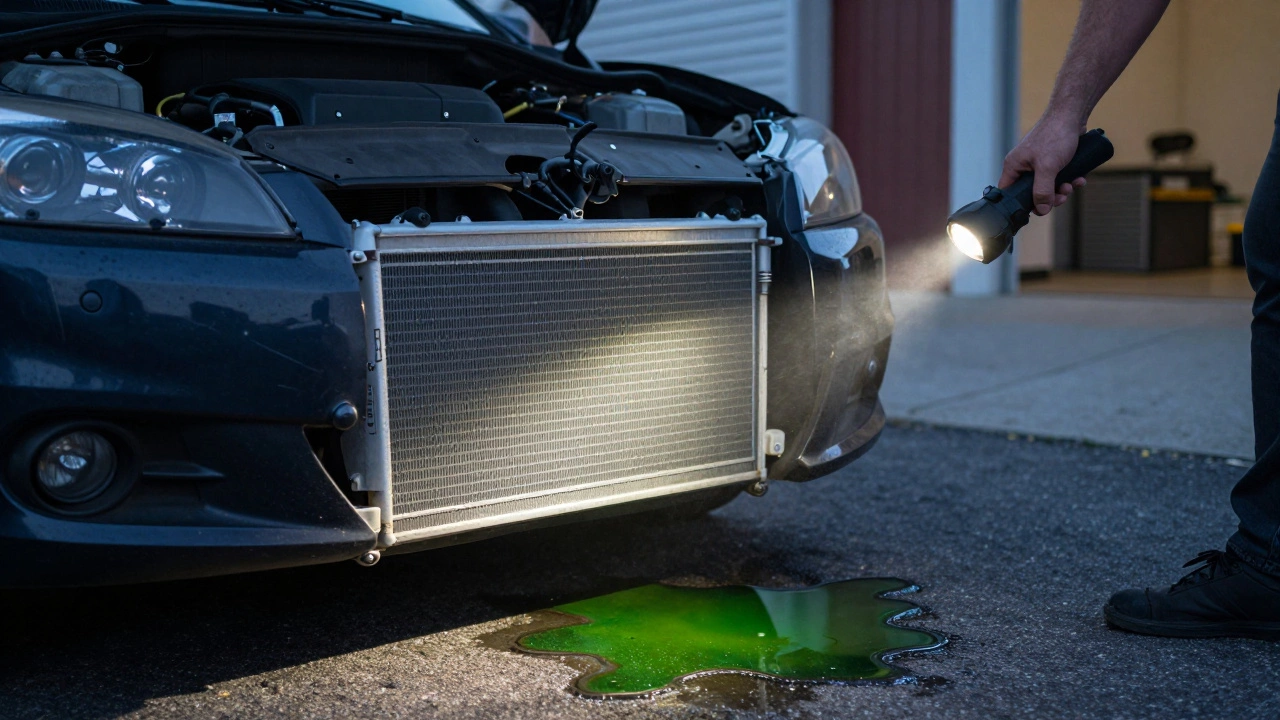
The most obvious sign of trouble happens without starting the engine. Grab a flashlight and crawl safely beneath the front bumper, or pop the hood and peer down low. Here is what you need to hunt for:
- Pooling Coolant: If you find wet spots on the ground after the car has sat for hours, check the color. Green, orange, or pink fluid means a leak. If the radiator is the culprit, you will often see the trace leading straight down from the center-front of the car rather than near the hoses.
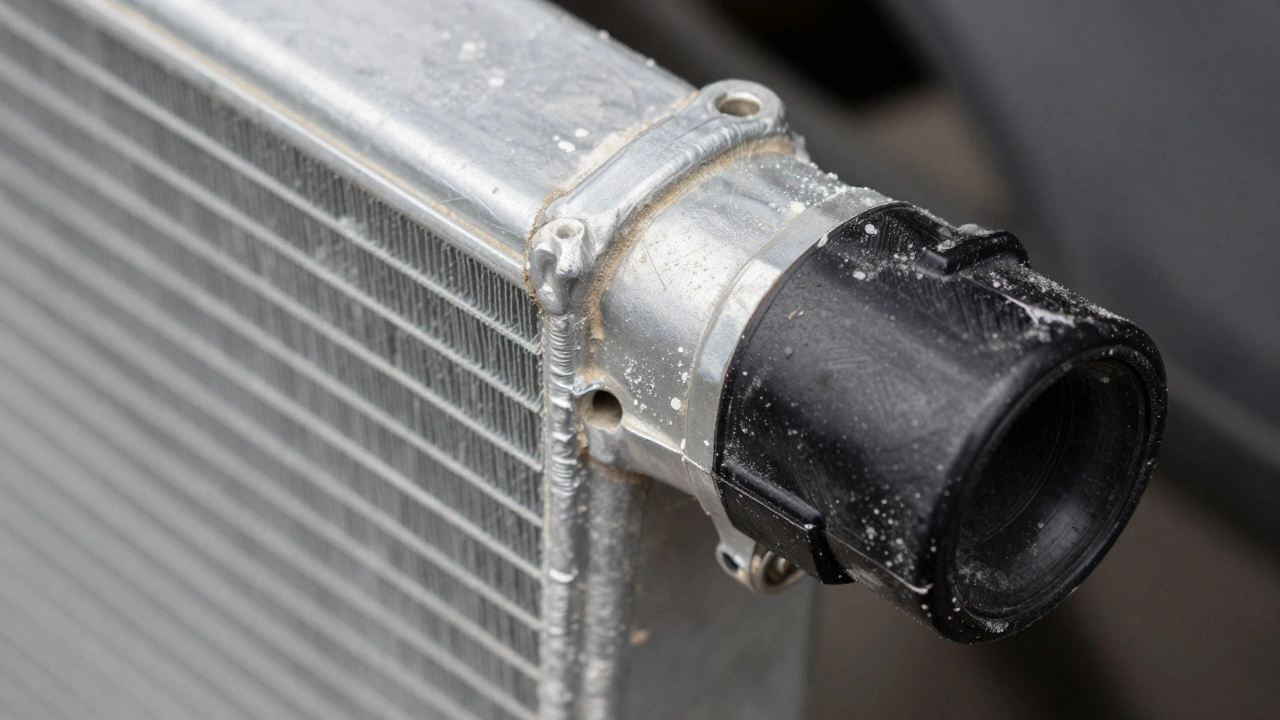
- Rust or Scale: Look at the exterior of the core. Sometimes you can see white crusty residue drying on the surface. While surface rust isn't always a problem, heavy scaling suggests the internal passages are blocked.
- Cracked End Tanks: Shine your light at the sides of the radiator. Look for hairline cracks in the plastic reservoirs. Even a split that is only a few millimeters wide can fail completely under pressure, dumping gallons of fluid in seconds.
- Loose Fins: Drive by a stone hitting the radiator? Bending those delicate fins blocks airflow. If a large chunk of fins is flattened or broken, the unit loses efficiency.
| Symptom Type | Typical Cause | Risk Level | |
|---|---|---|---|
| External Leaks | Wet Plastic Tank | Brittle seal failure | High |
| Seepage at Hoses | Hose clamp slip / cracked neck | Medium | |
| Internal Leaks | Bubbles in Reservoir | Head gasket breach | Critical |
| Oil/Coolant Mix | Cored tube rupture | Critical | |
Performance Signs: When Heat Becomes an Issue
Sometimes there are no puddles, but the numbers tell a different story. If your temperature gauge climbs higher than normal, especially during stop-and-go traffic, your heat exchange process is compromised. This is often due to clogging.
Aged coolants leave behind sediment called scale. Imagine pouring coffee grounds through a strainer; eventually, the holes get plugged. The same happens in radiator tubes. When fluid flow slows down, heat builds up inside the engine instead of moving into the radiator. Additionally, if the water pump is struggling to push against this resistance, it increases wear on the bearing.
Another subtle clue involves the cabin heater. If your car blows hot air when the engine is warm normally, but suddenly starts blowing cold air even though the engine is overheating, flow is restricted. This indicates the thermostat might be stuck closed, but it can also point to the radiator being internally plugged. Airflow isn't just about outside temperature; it's about how the internal fan behaves when stationary.
Fluid Condition: What the Coolant Tells You
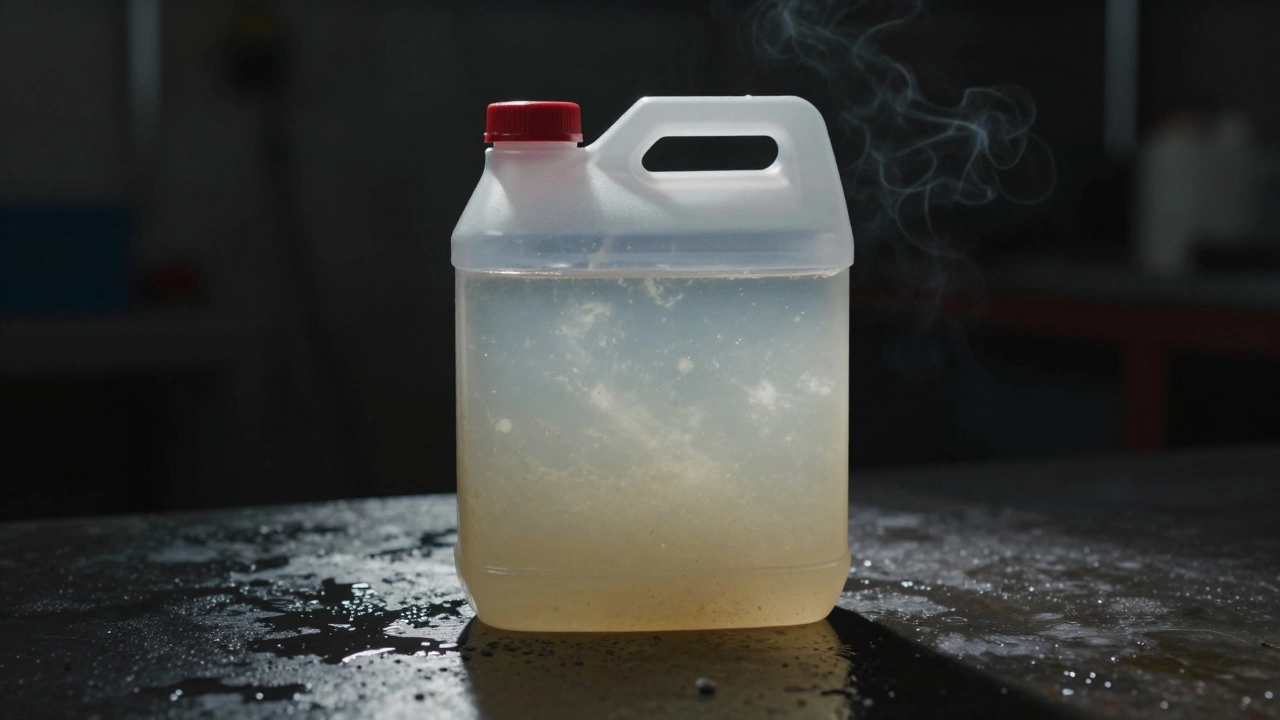
Check the overflow reservoir. Healthy coolant looks clean and transparent, regardless of whether it is green, red, or blue. If the fluid looks milky, slimy, or filled with floating particles, oxidation has taken hold inside the cooling system.
This 'sludge' reduces the thermal conductivity of the fluid. Instead of carrying heat away, the thick liquid insulates the engine components. Over years, acidic by-products attack the rubber seals and the copper or brass solders in older models. Once the chemistry of the coolant degrades beyond a flush, the damage is often permanent to the cooling system core.
If you notice steam escaping from under the hood when you press the brake pedal hard (which pumps the fan clutch), that's a high-pressure blowout waiting to happen. Do not ignore it.
Age and Mileage Factors
There is no set expiration date for these parts, but experience shows limits. Aluminum and plastic units typically last between eight to fifteen years depending on the manufacturer. Vehicles driven in salt-heavy winter climates suffer faster corrosion rates. Highway miles add stress because the constant speed allows the coolant to cycle rapidly, exposing any weak points.
If your car has more than 100,000 miles and the radiator is original equipment, treat any minor symptom as major. Old pipes have microscopic pinholes that haven't ruptured yet, but they will soon under thermal expansion.
Repair Versus Replacement
You might wonder if a mechanic can just weld the crack. For aluminum cores, brazing is difficult. Often, the plastic tanks are fused directly to the metal. Separating them risks tearing the core apart. Therefore, most specialists recommend a full unit replacement using a remanufactured or brand-new assembly.
| Scenario | Action Needed | Cost Estimate |
|---|---|---|
| Plastic Tank Leak | Replace Entire Unit | $200 - $600 labor/parts |
| Hairline Cracks in Core | Replace Entire Unit | Not recommended to patch |
| Loose Hose Clamp | Tighten or Replace Hose | $50 - $100 |
| Blocked Fins | Clean or Replace | $50 cleaning / $300+ new |
Safety Precautions During Inspection
Never open a pressure cap on a hot engine. The system pressurizes around 15 psi. Opening it while hot releases scalding steam instantly. Always wait until the engine is cold enough to touch the upper hose before inspecting fluid levels or checking caps.
Also, avoid touching the radiator fins directly after highway driving. They hold significant heat even if the engine feels cool. Using gloves helps prevent burns when you have to squeeze hoses to feel for flow or pulsation.
Conclusion on Diagnostics
If you've checked your visual indicators, reviewed the fluid quality, and confirmed recurring heat spikes, the decision is often straightforward. Preventative replacement beats emergency roadside repairs. Knowing the symptoms empowers you to catch the issue before it melts down the cylinder head.