Wheel Choice Decision Tool
Answer these three questions to see which wheel type matches your driving style and environment.
Recommended Choice: -
Select your options and click the button to see the recommendation.
- Alloys improve handling and fuel efficiency due to lower weight.
- Steel wheels are tougher and cheaper to replace after impacts.
- Heat dissipation is significantly better with alloys, saving your brakes.
- Corrosion resistance varies; cheap alloys can peel, while steel can rust.
What Exactly Are Alloy Rims?
When we talk about Alloy Wheels is a rim made from a mixture of aluminum or magnesium combined with other elements. Unlike traditional steel wheels, which are stamped from a single sheet of metal, alloys are typically cast or forged. This means manufacturers can mold them into complex shapes that wouldn't be possible with steel.
The magic happens because Aluminum is much lighter than steel but still incredibly strong when mixed with the right alloys. This weight difference isn't just a number on a spec sheet; it changes how your car feels. In the automotive world, we call this "reducing unsprung weight." When the wheels are lighter, the suspension can react faster to bumps, and the engine doesn't have to work as hard to get the wheels spinning.
The Performance Edge: Why They Feel Better
If you've ever driven a car that felt "sluggish" in the corners, the wheels might be part of the problem. Because alloys are lighter, they reduce the rotational mass. Think of it like running in sneakers versus heavy boots; you can move your feet faster and change direction more quickly.
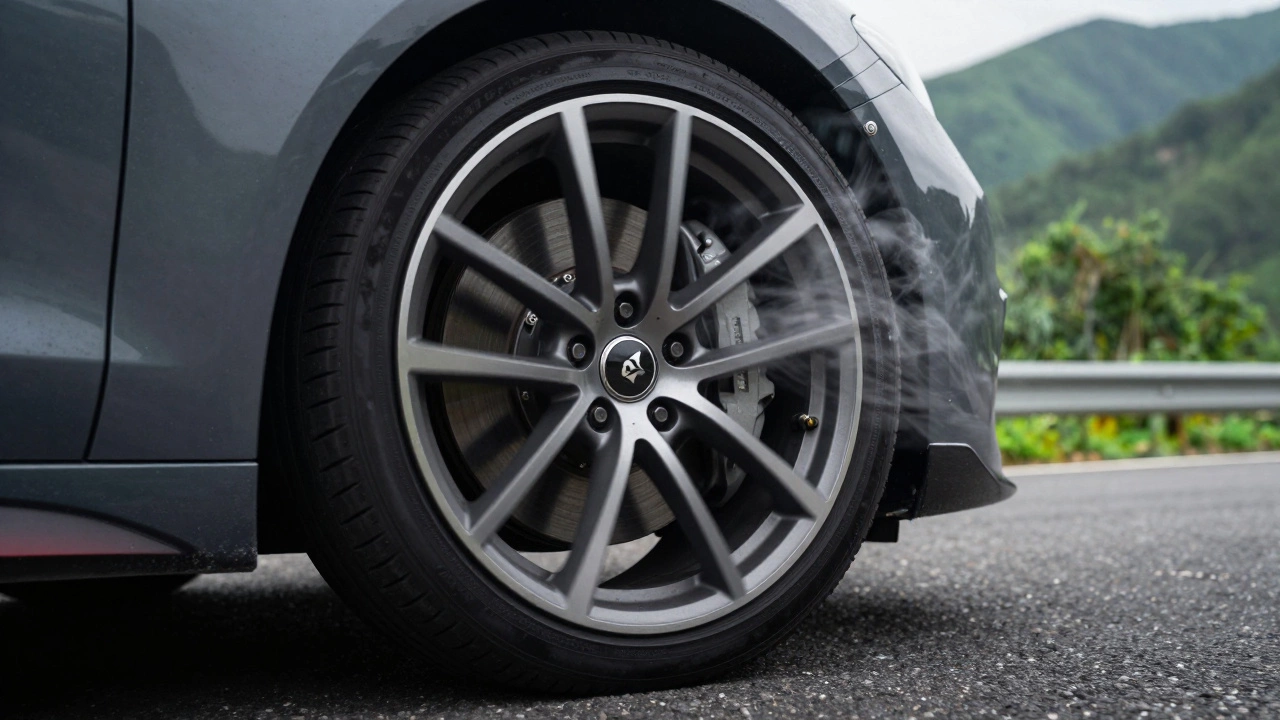
Then there's the heat factor. Brake Fade occurs when your brake pads and discs get too hot, reducing their stopping power. Because alloy wheels often have more open spoke designs, they allow much more air to flow over the Brake Rotors. This keeps the system cool, which is a lifesaver if you're driving down a mountain pass or stop-and-go in heavy city traffic.
Let's look at how they stack up against the old-school option:
| Feature | Alloy Rims | Steel Rims |
|---|---|---|
| Weight | Lightweight | Heavy |
| Impact Resistance | Prone to cracking | Prone to bending |
| Heat Dissipation | Excellent | Poor |
| Cost | Higher | Lower |
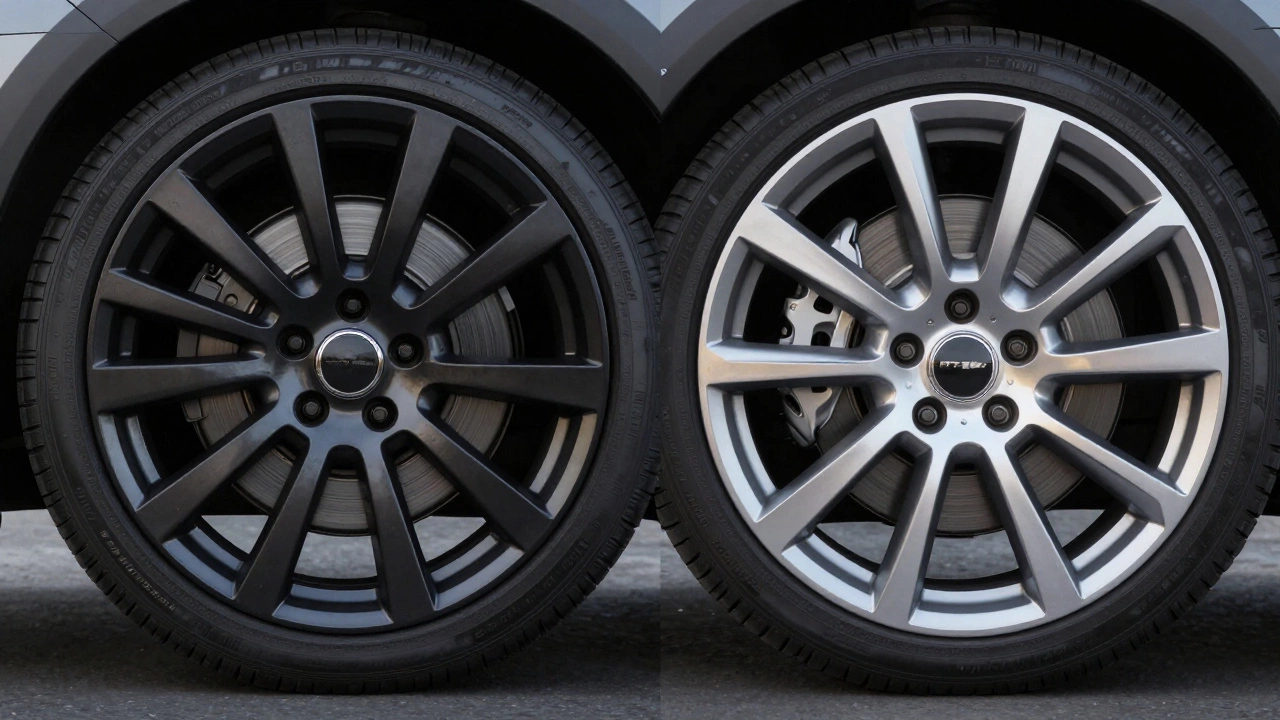
| Aesthetics | High Variety | Basic/Plain |
The Downside: The "Pothole Anxiety"
Here is where the honeymoon phase ends. Steel wheels are the tanks of the rim world. If you hit a curb, a steel wheel usually bends. You can often take a steel wheel to a shop, and they can press it back into shape. Alloys, however, are more brittle. A hard impact doesn't usually result in a bend; it results in a crack or a shatter.
If you live somewhere with terrible roads-like certain parts of the UK where potholes are practically landmarks-alloys can be a liability. A cracked alloy often requires a full replacement because welding aluminum is a specialized job that doesn't always guarantee the structural integrity of the wheel. You also have to deal with "curb rash," where the polished edge of the rim gets scraped. While this is mostly cosmetic, it kills the resale value of a high-end set of wheels.
Do They Actually Save You Money?
At first glance, no. They are more expensive to buy and more expensive to fix. However, there are two areas where they provide a financial return: fuel economy and tire wear.
Because they reduce the effort needed to rotate the wheel, you'll see a slight bump in MPG. It's not a massive change-maybe 1-2%-but over 50,000 miles, that adds up. More importantly, the improved handling and better grip often mean your Tires wear more evenly, provided you keep your alignment in check. Just be careful with "low profile" tires often paired with alloys. While they look great, they have less rubber to cushion the blow, which actually makes the rim more likely to crack when you hit something.
Choosing the Right Type: Cast vs. Forged
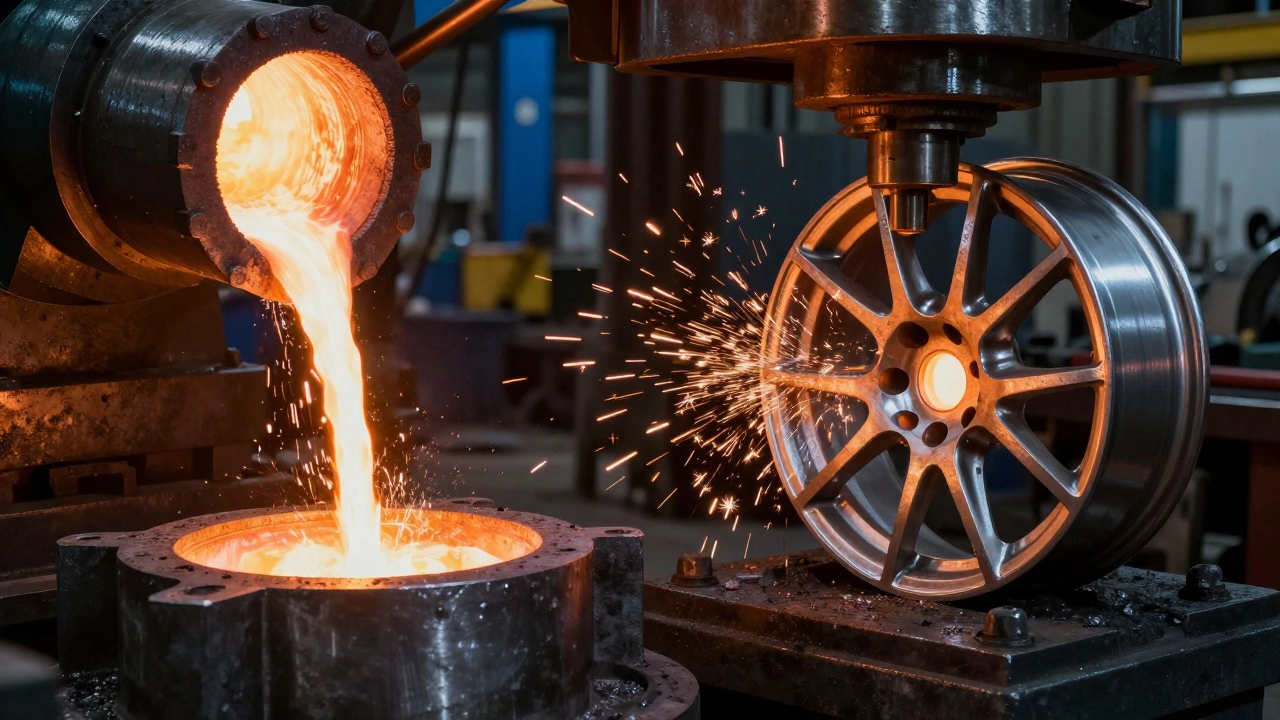
Not all alloys are created equal. If you're shopping for a set, you'll see two main types: cast and forged. Most cars come with cast wheels. These are made by pouring molten metal into a mold. They're affordable and look great, but they have a slightly higher risk of internal air bubbles (voids) which can be weak points.
Forged Wheels, on the other hand, are smashed into shape using massive hydraulic presses. This aligns the grain of the metal, making the wheel significantly stronger and even lighter than cast alloys. They are the gold standard for track days and luxury sports cars, but they come with a price tag that could make your eyes water.
Maintenance Tips to Keep Them Shiny
If you decide to go with alloys, you can't treat them like steel. Steel wheels usually have a plastic hubcap and a basic paint job. Alloys often have a clear coat or a polished finish that can be ruined by the wrong chemicals.
One of the biggest enemies of alloy rims is Brake Dust. This fine metallic powder sticks to the rim and, if left too long, can actually eat through the clear coat (pitting). Use a pH-neutral wheel cleaner rather than harsh acid-based ones. If you use a pressure washer, don't hold the nozzle two inches from the rim, or you'll strip the finish right off.
Are alloy wheels safer than steel wheels?
In terms of general driving, yes, because they improve handling and braking response. However, in the event of a massive impact, steel wheels are less likely to shatter, which some consider a safety advantage in extreme crashes.
Can I put alloy wheels on a car that came with steel rims?
Yes, as long as the bolt pattern, offset, and center bore match your vehicle. You may need different lug nuts, as steel wheels and alloy wheels often require different seating styles (conical vs. flat).
Do alloy wheels rust?
They don't rust in the same way steel does (creating red flakes of iron oxide), but they can corrode. This usually looks like white bubbles or pitting under the paint, often caused by salt on winter roads or harsh cleaning chemicals.
Why are some alloys more expensive than others?
The price difference usually comes down to the manufacturing process (Forged vs. Cast), the materials used (Magnesium is more expensive than Aluminum), and the complexity of the design.
Will alloys make my ride rougher?
The wheels themselves don't make the ride rougher, but the tires often do. Many people pair alloy rims with low-profile tires (shorter sidewalls), which provide less cushioning and make you feel every bump in the road.
What to Do Next
If you're currently rocking steelies and want to upgrade, don't just buy the biggest, prettiest rims you find. Check your manual for the maximum rim size your suspension can handle without rubbing the inner fenders. If you're a daily commuter in a city with crater-sized potholes, consider a "winter set" of steel wheels to protect your expensive alloys during the salt-heavy winter months.
If you already have alloys and notice a vibration in the steering wheel at high speeds, don't panic. It's usually not a crack; it's likely just a lost wheel weight. A quick trip to a shop for a balance and alignment will usually fix it and prevent your tires from wearing down prematurely.