Wiper Blade Material & Replacement Calculator
| Feature | Rubber | Silicone |
|---|---|---|
| Water Repellency | Moderate | High |
| Friction | Higher | Lower |
| Lifespan | 6-12 mo | 12-24 mo |
| Cost | Lower | Higher |
| Cleaning | Forgiving | Avoid degreasers |
You’ve probably seen the ads. They promise a "lifetime" of streak-free visibility with their special coating. You pick up a pair of Michelin wiper blades, specifically the popular Pilot Sport line, and wonder: is this magic made of rubber or silicone?
The short answer is yes and no. It’s not one or the other in the way you might think. If you are standing in an auto parts store in Bristol on a rainy Tuesday, looking at the box, you need to understand that modern high-performance wipers use a hybrid approach. They rely on a natural rubber core for flexibility and a specialized coating for water repellency. Let’s break down exactly what is inside that blade so you don’t waste money on marketing hype.
The Core: Natural Rubber Does the Heavy Lifting
First, let’s look at the skeleton of the blade. Almost every reputable wiper brand, including Michelin, uses natural rubber (specifically latex) for the main wiping edge. Why? Because rubber has a specific physical property called hysteresis. In simple terms, it absorbs shock. When your wiper hits a pebble, a bug splatter, or just the uneven texture of your windshield, the rubber flexes. It conforms to the curve of the glass.
If the entire blade were made of hard plastic or pure silicone without reinforcement, it would chatter. You know that annoying squeak-squeak-squeak sound? That happens when the material can't adapt to the glass surface fast enough. Natural rubber provides the necessary friction to clean the dirt while remaining soft enough to glide. Michelin sources high-grade natural rubber compounds that resist ozone and UV degradation better than cheap synthetic alternatives. This means the rubber doesn't crack and harden as quickly under the British sun, which is crucial for longevity.
The Coating: Where the "Silicone" Myth Comes From
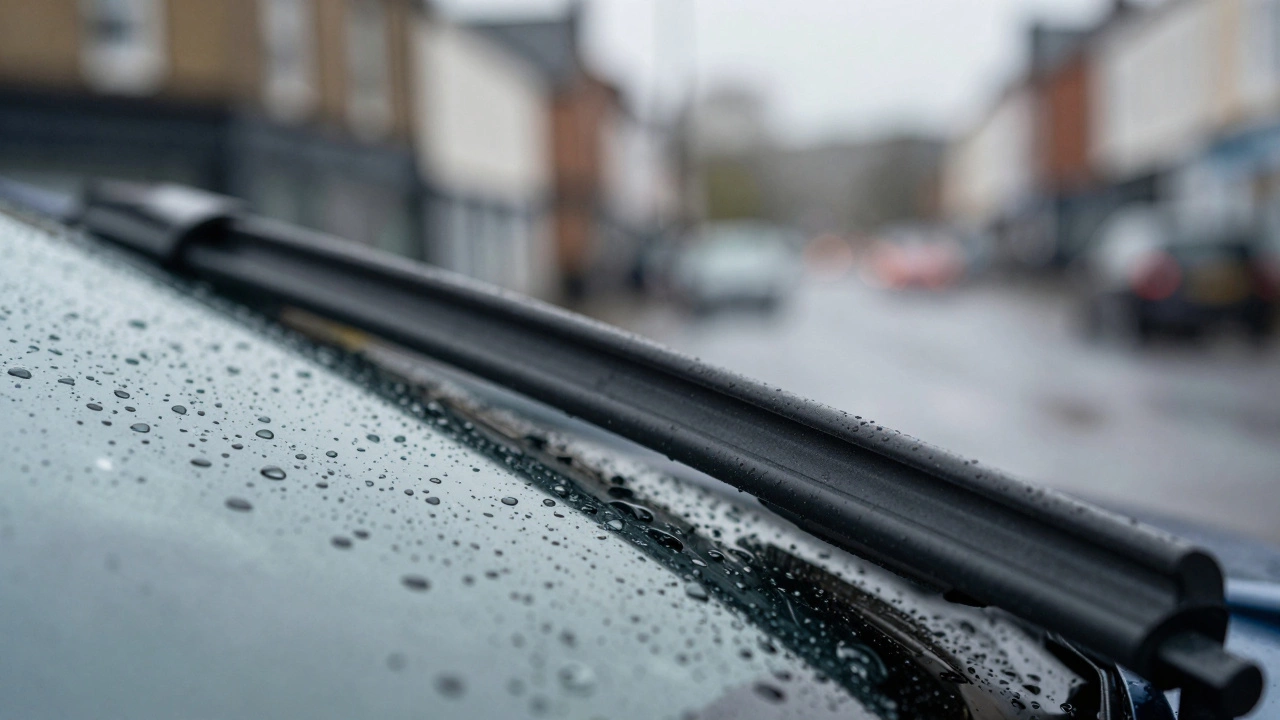
So where does the silicone talk come from? It comes from the outer layer. Many premium Michelin blades, particularly the Pilot Sport series, feature a hydrophobic coating. This is often marketed as a "silicone-based" treatment. However, it is rarely a solid block of silicone. Instead, it is a thin, microscopic layer applied over the natural rubber edge.
This coating works by lowering the surface tension between the water droplet and the wiper blade. Think about how water beads up on a freshly waxed car. That’s hydrophobicity. The silicone-like coating helps the wiper shed water instantly rather than smearing it across the windshield. This reduces the friction needed to wipe, which in turn reduces wear on the rubber itself. It’s a symbiotic relationship: the rubber cleans, the coating repels.
| Feature | Pure Rubber Blade | Silicone-Coated (Hybrid) |
|---|---|---|
| Water Repellency | Moderate (depends on glass condition) | High (beads water effectively) |
| Friction | Higher (can smear if dirty) | Lower (glides smoother) |
| Lifespan | 6-12 months typically | 12-24 months (if coating lasts) |
| Cost | Lower | Higher |
| Maintenance | Wash regularly | Avoid abrasive cleaners |
Why Not Just Use Pure Silicone?
You might be thinking, "If silicone is so good at repelling water, why not make the whole thing out of it?" There are two main reasons: cost and compatibility. First, manufacturing a flexible, durable wiping edge entirely from silicone is significantly more expensive than using a rubber core with a coating. For most drivers, the price jump isn't justified by the marginal gain in performance.
Second, there is the issue of glass preparation. Silicone coatings hate certain chemicals. If you use standard car wash soap, which often contains degreasers, you will strip that silicone layer off within weeks. Once stripped, you’re left with a slightly rougher surface that might actually perform worse than a fresh rubber blade until you reapply a sealant. Pure rubber blades are much more forgiving. You can hose them down, scrub them with a bit of dish soap, and they keep working perfectly. The convenience factor heavily favors the rubber-hybrid model for everyday use.
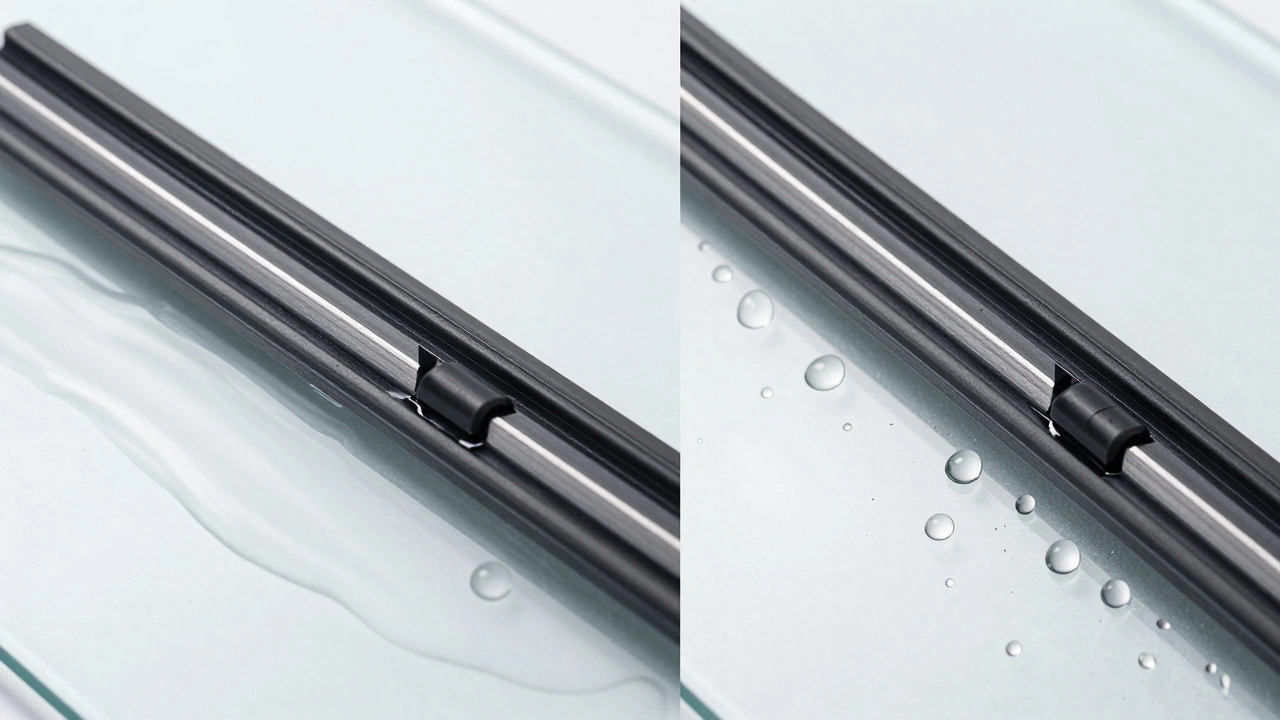
How to Tell What You Have
Not all Michelin blades are created equal. If you buy the basic Michelin Classic series, you are likely getting a standard natural rubber compound without the fancy hydrophobic coating. It’s reliable, it’s cheap, and it gets the job done. But if you want that "silicone feel," you need to look for the Pilot Sport or similar premium lines.
Here is a quick test you can do at home. Clean your windshield thoroughly with glass cleaner. Then, wet the wiper blade and swipe it across the glass. Lift the blade. If the water immediately breaks into tiny beads and rolls off the blade, you have a hydrophobic (silicone-coated) blade. If the water clings to the blade in a flat sheet, you have a standard rubber blade. Both work, but the beading effect makes driving in heavy rain less stressful because you see clearer between wipes.
Maintenance Matters More Than Material
Let’s be honest: the best material in the world won’t save you if your wipers are caked in tree sap and road grime. I live in Bristol, where we get plenty of rain and plenty of trees. Pollen in spring and sap in summer are wiper killers. Regardless of whether your blade is rubber or silicone-coated, you need to clean it every few months.
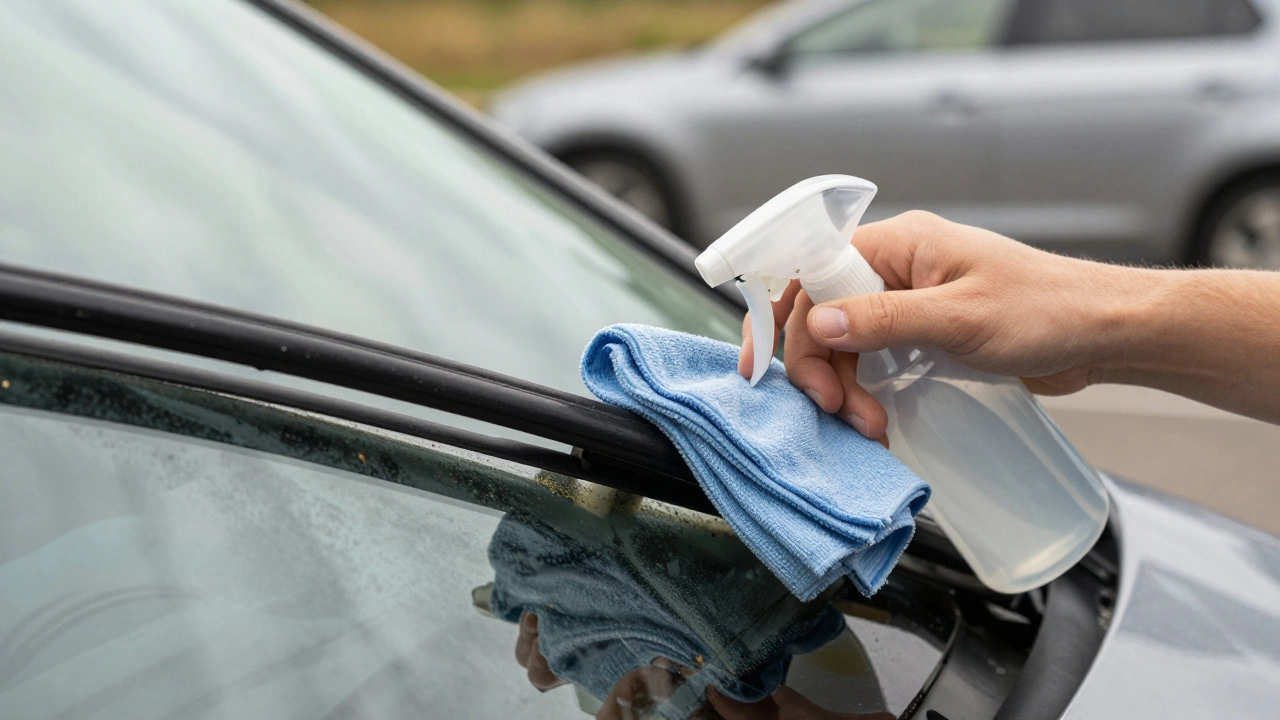
Take a microfiber cloth, dampen it with window cleaner, and wipe along the entire length of the rubber edge. Remove any debris trapped in the squeegee channel. For silicone-coated blades, avoid using harsh solvents like acetone or strong degreasers, as these will eat away the protective layer. Stick to mild detergents or dedicated glass cleaners. This simple habit can double the life of your wipers, saving you money in the long run.
When to Replace Your Wipers
Even with perfect care, wipers are consumables. The rubber degrades due to UV exposure, temperature changes, and mechanical stress. Here are the signs you need to swap them out:
- Streaking: If you see lines of water left behind after a wipe, the edge is likely worn or contaminated.
- Chattering: A skipping motion indicates the rubber has hardened or lost its flexibility.
- Splitting: Check the rubber edge visually. If you see small tears or splits, replace them immediately to avoid damaging your windshield.
- Noise: Excessive squeaking usually means the friction coefficient has changed due to wear.
For most drivers, replacing wipers every 12 months is a safe rule of thumb. If you live in an area with extreme weather-like intense summer heat or harsh winter ice-you might need to change them twice a year. Michelin’s premium blades often last closer to 18-24 months, but this varies wildly based on usage frequency and storage conditions (garage vs. street parking).
The Verdict: Rubber with a Boost
So, are Michelin wiper blades silicone or rubber? They are primarily rubber, engineered for durability and flexibility, often enhanced with a silicone-based hydrophobic coating for superior water shedding. This hybrid approach gives you the best of both worlds: the cleaning power and conformity of natural rubber, plus the visibility benefits of water repellency.
Don’t fall for the idea that "silicone" means indestructible. It’s still a fragile coating on top of a consumable product. Choose the Michelin line that fits your budget and climate needs. If you want low maintenance and clear vision in heavy rain, go for the coated Pilot Sport. If you just need a reliable backup or drive an older car, the standard rubber Classic series will serve you well. Either way, keep them clean, and they’ll keep you safe on those rainy UK roads.
Are Michelin wiper blades made of 100% silicone?
No, Michelin wiper blades are not made of 100% silicone. They use a natural rubber core for flexibility and durability. Some premium models, like the Pilot Sport, feature a silicone-based hydrophobic coating on the rubber edge to improve water repellency, but the structural material remains rubber.
Do silicone-coated wiper blades last longer than rubber ones?
Generally, yes. The hydrophobic coating reduces friction between the blade and the glass, which can slow down wear on the rubber edge. However, the coating itself can degrade if exposed to harsh chemicals or excessive abrasion. With proper care, coated blades can last 12-24 months compared to 6-12 months for standard rubber blades.
Can I use regular car wash soap on silicone-coated wipers?
It is not recommended. Many car wash soaps contain degreasers that can strip the hydrophobic silicone coating from the wiper blades. To preserve the coating, use mild detergents or dedicated glass cleaners and avoid abrasive scrubbing pads.
Which Michelin wiper blade series has the silicone coating?
The Michelin Pilot Sport series is known for featuring advanced hydrophobic coatings. The basic Michelin Classic series typically uses standard natural rubber without the specialized silicone-like coating. Always check the product packaging for terms like "hydrophobic" or "water-repellent" to confirm.
How do I know if my wiper blade coating is worn out?
You can test this by cleaning your windshield and then wetting the wiper blade. Swipe it across the glass and lift it. If the water beads up and rolls off quickly, the coating is intact. If the water clings to the blade in a flat sheet, the hydrophobic properties have diminished, and you may need to replace the blades or apply a aftermarket sealant.