Windshield Wiper Type Selector
Choose Your Vehicle Details
Ever noticed how some windshield wipers look thin and sleek, while others have a metal frame sticking out? It’s not just a style difference. There are two main types of windshield wipers on the market today: frame wipers and beam wipers. And the one you pick can make a big difference in how well your windshield clears rain, snow, or road grime.
What Is a Frame Wiper?
Frame wipers, also called conventional or bracket wipers, have been around since the 1960s. They use a metal frame with multiple pressure points to hold the rubber blade against the glass. Think of it like a metal skeleton with a rubber strip glued on top. These are the classic wipers you’d see on older cars or budget models today.
The metal arms and joints help distribute pressure evenly - in theory. But over time, those joints can rust, bend, or loosen. When that happens, the blade doesn’t hug the windshield properly. You get streaks, chatter, or worse - blind spots in heavy rain.
Frame wipers are cheaper to replace. You’ll find them at most auto parts stores for £8-£15 a pair. They’re easy to install, too. But they’re bulkier, catch more wind, and can lift off the glass at highway speeds. If you live in a place with strong crosswinds or frequent storms, this isn’t ideal.
What Is a Beam Wiper?
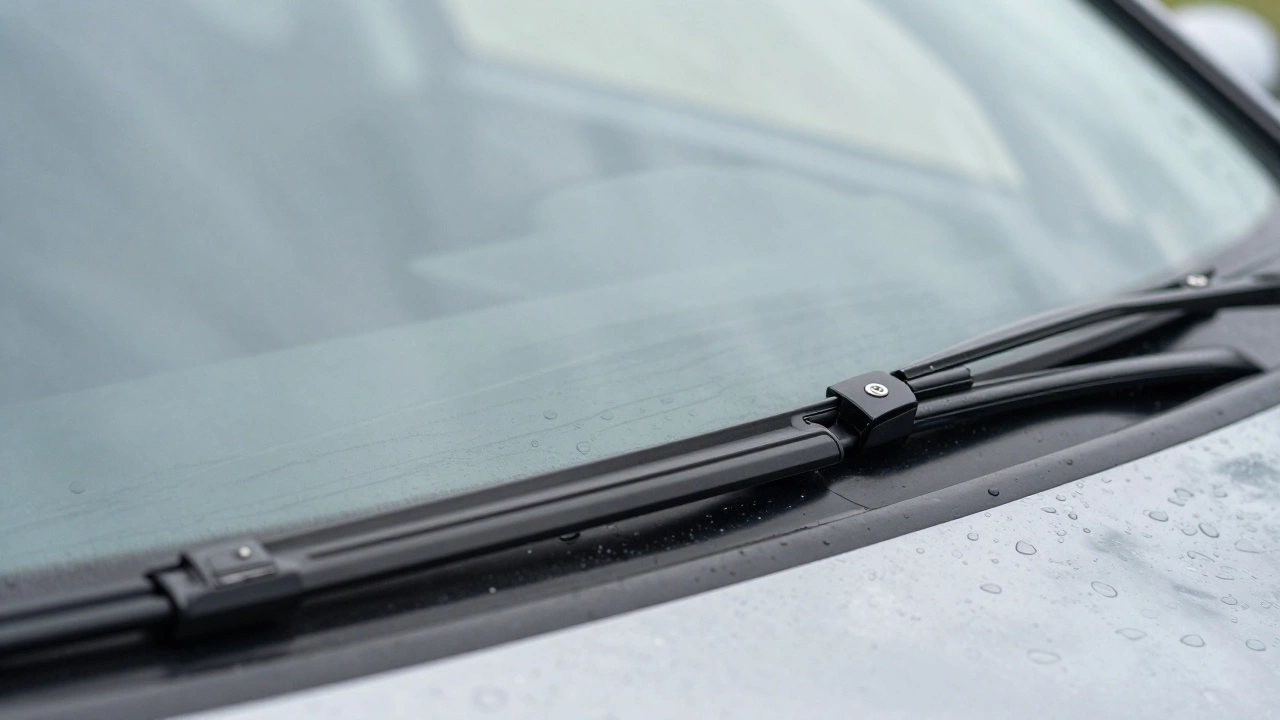
Beam wipers, also called flat wipers or aerodynamic wipers, look like a single solid strip with no visible frame. They’re made of a flexible, one-piece spine that curves naturally to match the shape of your windshield. No joints. No rust-prone brackets. Just a continuous pressure system built into the blade itself.
This design does something clever: it uses aerodynamics. At higher speeds, the airflow pushes the wiper down onto the glass instead of lifting it up. That’s why beam wipers stay in contact even when you’re doing 70 mph on the motorway. They’re quieter, smoother, and leave fewer streaks.
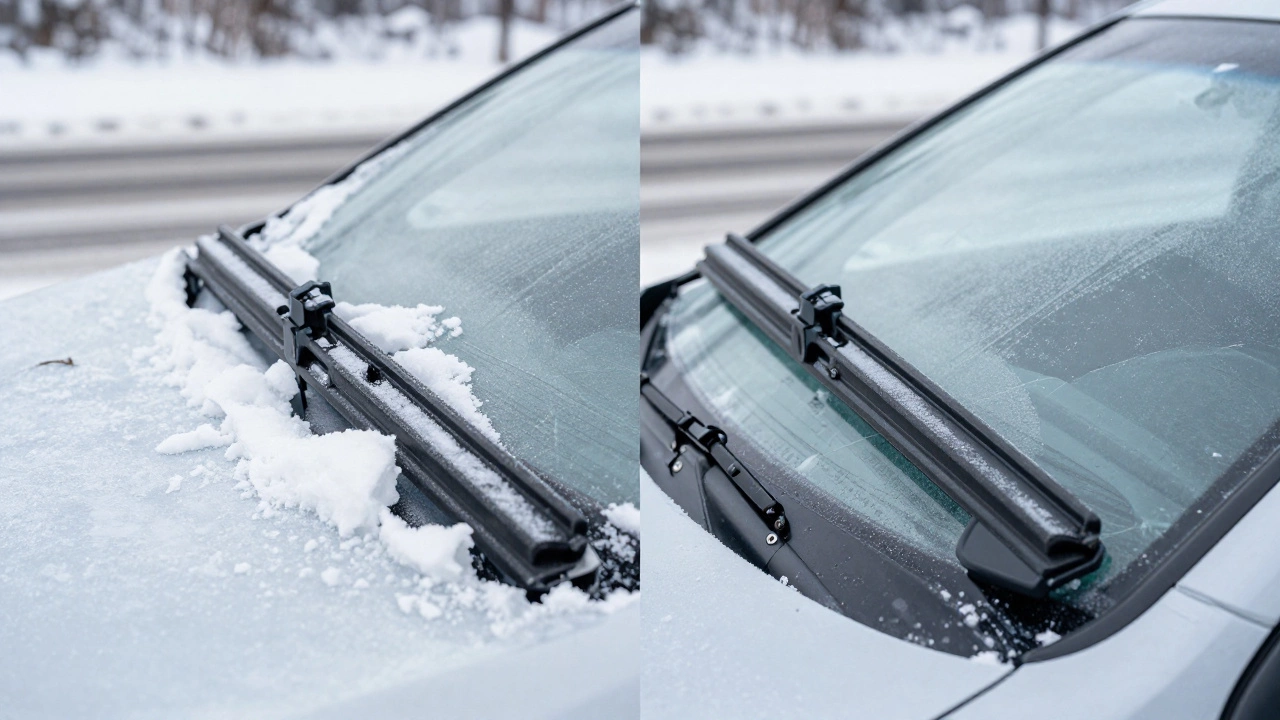
They’re also better in winter. Snow and ice don’t get trapped between metal parts like they do with frame wipers. That means less freezing, less jamming, and fewer trips to scrape ice off your blades in the morning.
Beam wipers cost more - usually £15-£30 a pair. But they last longer, perform better, and are now the standard on most new cars made after 2015. Brands like Bosch, Rain-X, and Michelin all make top-rated beam wipers.
Why the Difference Matters
It’s not just about price. The type of wiper affects safety.
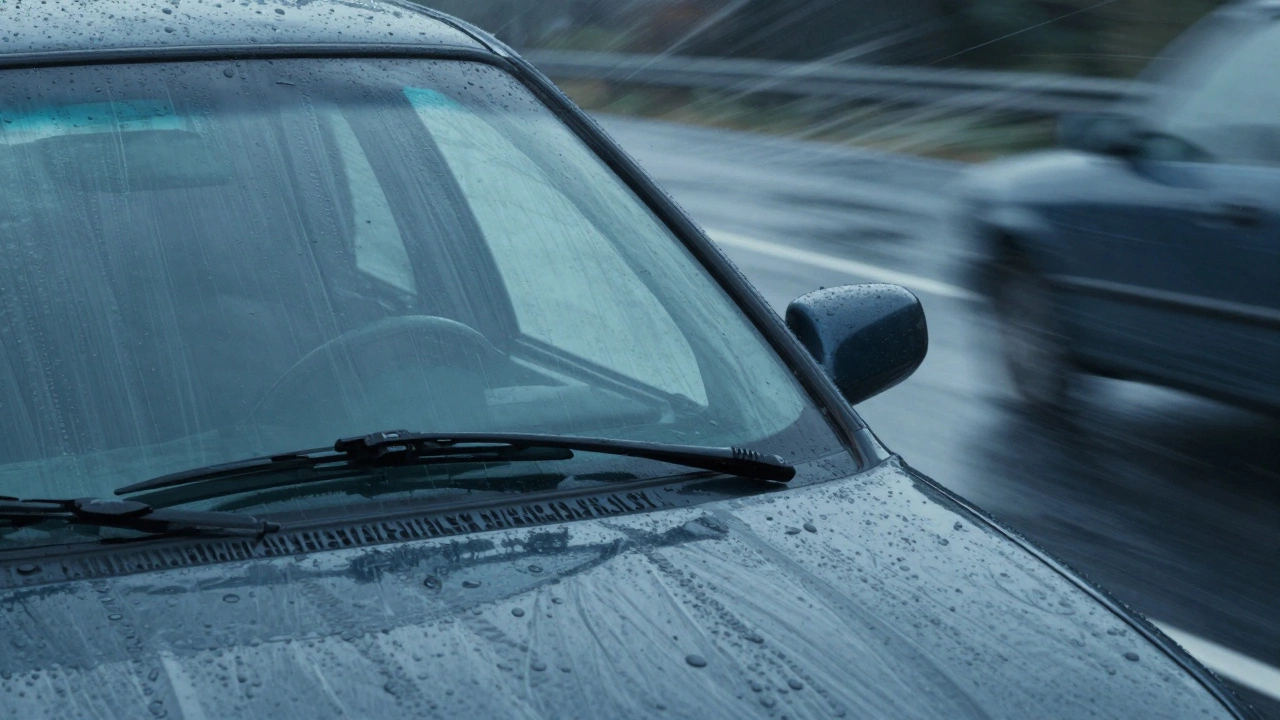
A study by the UK’s Road Safety Foundation in 2023 found that drivers using beam wipers had a 22% faster response time in heavy rain compared to those with old frame wipers. Why? Because beam wipers clear water more completely, leaving fewer patches of glare.
Also, frame wipers can wear unevenly. The pressure points mean the middle of the blade gets more wear than the ends. That leads to patchy wiping. Beam wipers distribute pressure evenly across the entire length. One swipe clears the whole window.
And let’s not forget aesthetics. A sleek beam wiper blends into modern car designs. Frame wipers stick out like an afterthought - especially on cars with curved windshields.
How to Tell Which Type You Have
Check your current blades. If you see a metal frame with several joints and a visible spine, you’ve got a frame wiper. If it looks like a solid, curved rubber strip with no visible metal, you’ve got a beam wiper.
Another trick: lift the wiper arm. Frame wipers will feel stiff and heavy. Beam wipers feel light and flexible. You can even bend a beam wiper gently into a U-shape - it’ll snap back without breaking.
Most cars made before 2010 use frame wipers. Cars from 2015 onward almost always use beam wipers. If you’re unsure, check your owner’s manual or search your car’s make, model, and year online.
Which One Should You Choose?
Here’s a simple guide:
- Choose beam wipers if: Your car is newer (2015+), you drive in rain or snow often, you want quiet operation, or you’re willing to spend a bit more for better visibility.
- Stick with frame wipers if: You’re on a tight budget, your car is older (pre-2010), or your manufacturer specifically recommends them.
But here’s the thing: even if your car came with frame wipers, you can often upgrade to beam wipers. Most manufacturers make adapter kits so you can swap them without changing the arm. Check the packaging or online listings - many beam wipers say "fits [your car model]" even if it’s an older model.
What About Hybrid Wipers?
You might see "hybrid" wipers advertised. These are usually beam wipers with a light metal frame added for extra rigidity. They’re a middle ground - better than old-school frames but not as aerodynamic as pure beam designs. They’re common on SUVs and trucks where wind resistance is higher. But for most cars, a true beam wiper is still the best choice.
When to Replace Your Wipers
No matter which type you have, replace them every 6-12 months. Rubber dries out, cracks, and loses its flexibility. If you notice:
- Streaking or smearing
- Chattering or skipping
- Missing patches on the glass
- Visible cracks or splits in the rubber
- it’s time for new blades. Don’t wait until you can’t see through the windshield. That’s not just inconvenient - it’s dangerous.
Keep a spare pair in your glovebox. A sudden downpour on the A46 or M5 can turn into a hazard in seconds. Having fresh wipers ready means you won’t be stuck with a foggy view and no way to fix it.
Final Thought
Windshield wipers aren’t just rubber on a metal arm. They’re a safety system. And the shift from frame to beam wipers isn’t just about marketing - it’s about physics, performance, and real-world safety. If you’re still using old frame wipers on a modern car, you’re not saving money. You’re risking your visibility.
Upgrade to beam wipers. You’ll see the difference - literally.
Are beam wipers better than frame wipers?
Yes, for most drivers. Beam wipers provide better contact with the windshield, especially at high speeds or in heavy rain. They’re quieter, more durable, and resist ice buildup better. Frame wipers are cheaper but less reliable, especially on modern cars with curved windshields.
Can I replace frame wipers with beam wipers?
Usually, yes. Most beam wiper brands list compatibility with older vehicles. You may need an adapter, but the wiper arm itself usually stays the same. Check the product specs or use an online fitment tool before buying.
How often should windshield wipers be replaced?
Replace them every 6 to 12 months. Rubber degrades from sun exposure, cold, and road grime. If you see streaks, chattering, or cracks, replace them immediately - don’t wait for the season to change.
Do beam wipers work in snow?
They work better than frame wipers in snow. Without metal joints, snow and ice can’t get trapped inside the mechanism. This reduces freezing and jamming. Some beam wipers even come with a rubber cover to prevent ice buildup.
Why do some wipers have a rubber cover?
The rubber cover protects the blade from snow, ice, and debris in winter. It’s common on beam wipers designed for colder climates. It doesn’t affect performance in dry weather - it just keeps the blade clean and flexible when temperatures drop.