UK Brake Pad Replacement Cost Estimator
Estimate the cost of replacing your brake pads based on vehicle type, axle, and parts quality.
Estimated Total Cost
£0You hear that squeal when you hit the brakes, or maybe the pedal feels a bit spongy. You know it’s time for new brake pads, but you’re staring at your bank balance wondering if this is going to be a minor annoyance or a major financial hit. The truth? It’s rarely just about the parts. In the UK, replacing front brake pads typically costs between £150 and £300, while rear pads can range from £180 to £400 depending on your car’s complexity. But those numbers are just the starting point. If you drive a modern hybrid with electronic parking brakes or a high-performance German saloon, you could easily double that figure.
The Real Cost Breakdown: Parts vs Labour
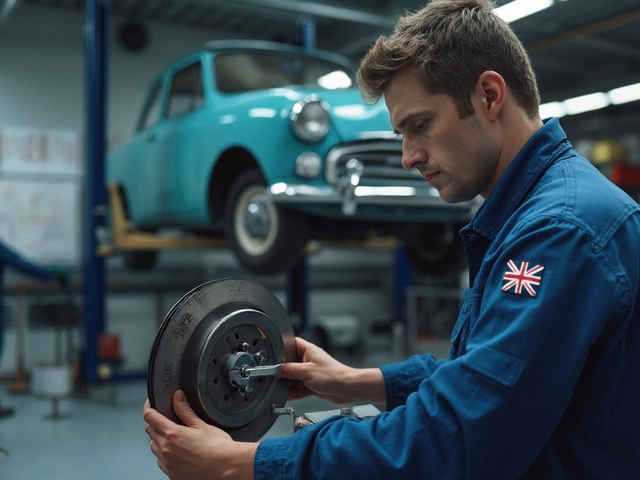
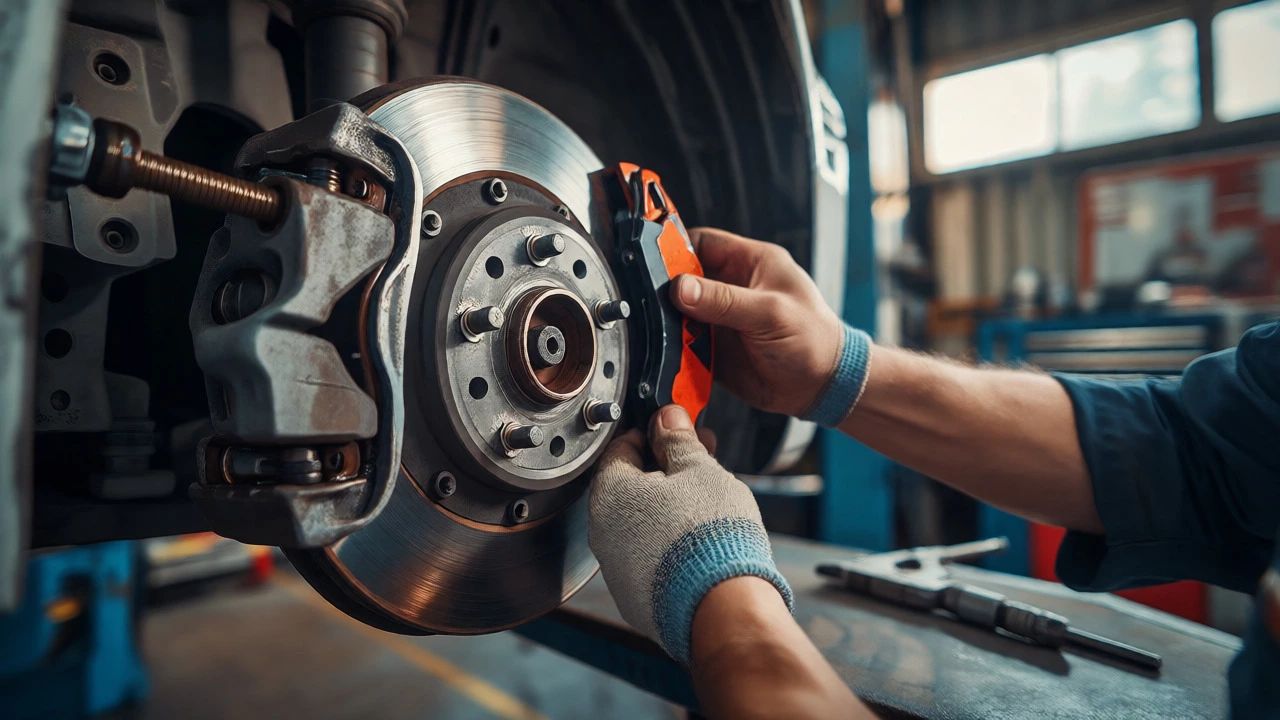
When you get a quote, you’re essentially paying for two things: the hardware and the human skill required to install it. Most drivers underestimate how much of the bill is actually labour. A set of quality ceramic brake pads might cost you £40-£80 online, but a garage won’t charge you £80 to change them. Why? Because they have to lift the car, remove the wheels, compress the caliper pistons, clean the hardware, grease the slide pins, and test-drive the vehicle to ensure safety.
Labour rates vary wildly across the UK. In London and the South East, independent garages often charge £80-£120 per hour. Up north or in rural areas like here in Bristol, you might find fairer rates around £60-£90 per hour. Since a standard front pad change takes about an hour to an hour and a half, labour alone can account for 50-70% of your total bill. This is why "cheap" parts don't always mean a cheap job.
| Vehicle Type | Front Axle Cost | Rear Axle Cost | Notes |
|---|---|---|---|
| Small City Car (e.g., Fiat 500) | £120 - £180 | £100 - £160 | Simple mechanical systems; low parts cost. |
| Family Hatchback (e.g., Golf) | £150 - £250 | £140 - £220 | Standard hydraulic systems; moderate labour. |
| SUV / Crossover | £200 - £350 | £180 - £300 | Larger discs may need skimming; heavier parts. |
| Premium Saloon (e.g., BMW) | £250 - £450 | £220 - £400 | Electronic sensors; expensive OEM parts. |
| Hybrid/EV (e.g., Prius) | £180 - £300 | £200 - £400 | Rear EPB requires diagnostic tool usage. |
Why Your Car Model Changes Everything
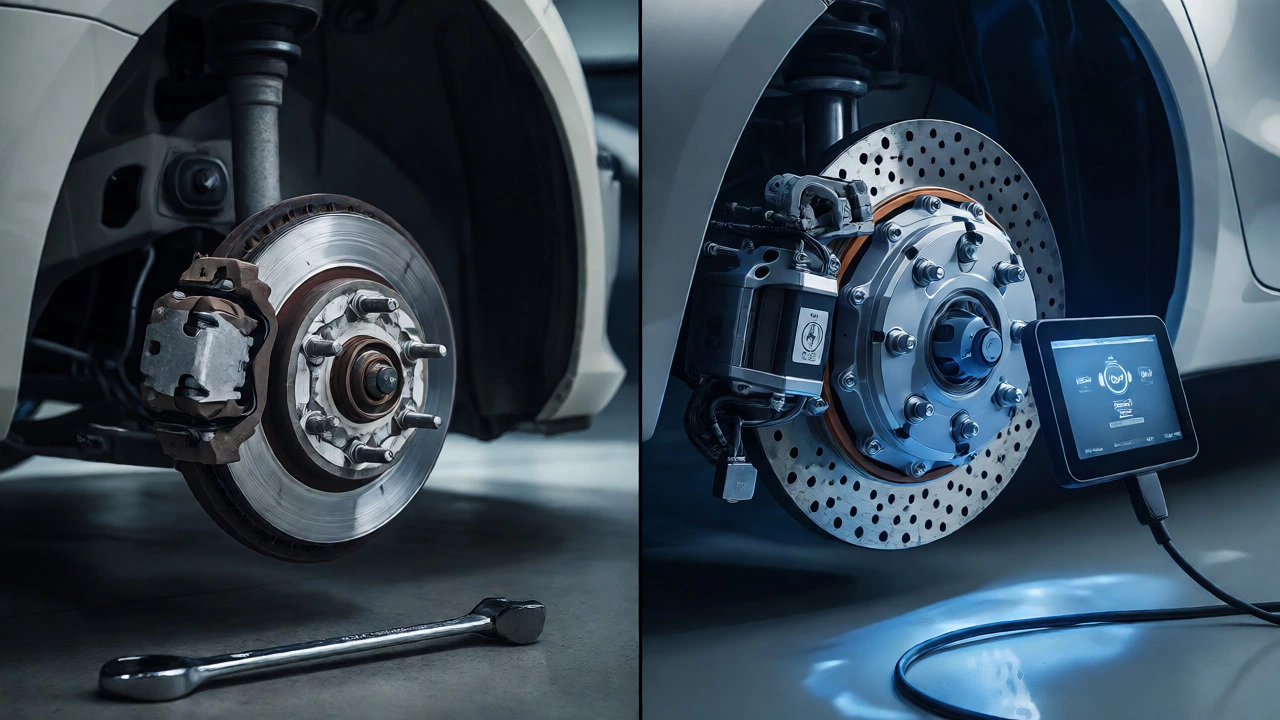
Not all cars are created equal, and neither are their braking systems. If you drive a basic petrol hatchback, the job is straightforward. Mechanics use a C-clamp to push the piston back into the caliper. Done. But if you drive a modern Volkswagen, Audi, or Ford Focus with an Electric Parking Brake (EPB), the game changes. You can’t just push the piston back. The system needs to be put into "service mode" using a diagnostic computer. This adds 15-30 minutes of labour and requires specific software access. That’s why EVs and hybrids often cost more to service despite having regenerative braking that saves wear.
Then there’s the issue of wear sensors. Many European cars have a small wire embedded in the pad that triggers a dashboard warning light when the material gets thin. These sensors are single-use. Once they trip, they must be replaced. They’re cheap (£5-£15), but forgetting them means the warning light stays on, leading to another visit and another labour charge. Always ask if the sensor is included in the quote.
Do You Need Discs Too?
This is the biggest hidden cost in brake jobs. Pads press against metal discs (rotors). Over time, the pads gouge grooves into the disc surface. If the discs are too thin or warped, new pads won’t sit flush, causing vibration and poor stopping power. Mechanics measure disc thickness with a micrometer. If your discs are below the manufacturer’s minimum thickness spec, they must be replaced.
Replacing discs doubles the part cost. A pair of front discs can add £100-£200 to the bill. However, sometimes you can get away with "skimming"-machining the discs flat again. Skimming costs less than replacement (£30-£50 extra) but only works if there’s enough metal left. If a garage suggests replacing both pads and discs, ask them to show you the measurement. If the discs are still within spec, challenge the recommendation. Conversely, if you ignore worn discs, you’ll destroy your new pads prematurely, wasting money twice over.
OEM vs Aftermarket: What’s Worth Paying For?
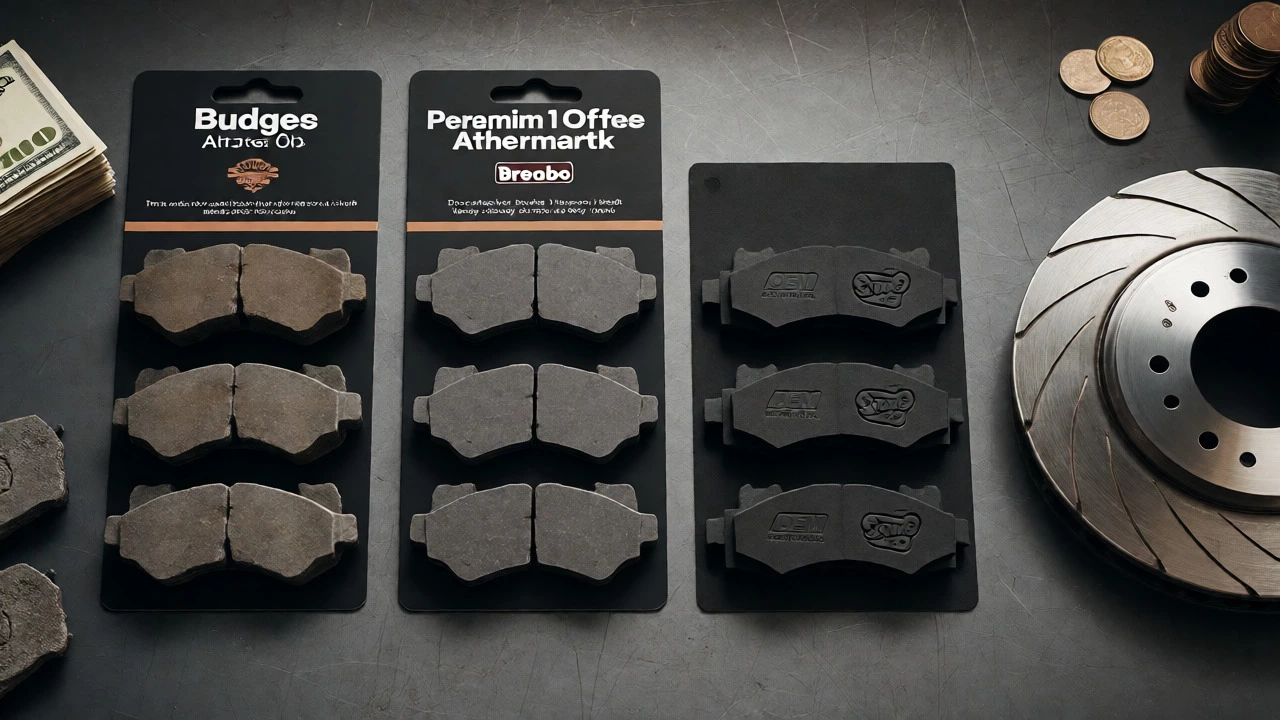
You’ll see three tiers of parts: Original Equipment Manufacturer (OEM), Premium Aftermarket, and Budget Aftermarket.
- OEM: Branded as your car maker (e.g., VW, Toyota). Highest price, guaranteed fit. Best for warranty-sensitive cars.
- Premium Aftermarket: Brands like Brembo, Ferodo, or EBC. Often identical to OEM but sold under different branding. Excellent value.
- Budget Aftermarket: No-name brands. Cheap, but may squeal, dust heavily, or wear out faster.
DIY vs Professional: Is It Worth Saving £100?
Changing front brake pads is one of the few repairs DIYers tackle successfully. You need a jack, axle stands, socket set, and a piston compressor. The risk? Mistakes. If you don’t torque the wheel bolts correctly, they can loosen while driving. If you forget to pump the brake pedal before moving, you’ll have zero braking force initially. If you’re confident with tools, DIY can save you £100-£150 in labour. But factor in the cost of tools if you don’t own them. Also, consider liability. If a professional messes up, they fix it free. If you do, you’re liable for any resulting damage. For rear brakes on EPB cars, leave it to the pros unless you’ve bought a diagnostic scanner capable of retracting the motors.
How to Get the Best Price
Don’t just walk into the first garage. Use comparison sites like KwikFit or Halfords Autocentres for fixed-price quotes, then call local independents to beat them. Independents often have lower overheads. Ask specifically: "Does this price include wear sensors and brake fluid bleeding?" Some shops quote low and add these later. Also, check if your MOT is due soon. Failing an MOT due to thin pads is common. Fixing it proactively is cheaper than emergency repairs after failing. Bundle services if possible-some garages offer discounts if you change pads and bleed brakes during a full service.
How long do brake pads last?
Typically 20,000 to 50,000 miles, but this varies hugely based on driving style. City driving with frequent stops wears them out faster than highway cruising. Aggressive braking shortens life significantly.
Can I replace just one brake pad?
No. You should always replace pads in axle sets (both fronts or both rears together). Replacing one causes uneven braking force, pulling the car to one side and potentially damaging the suspension or steering components.
Why are my new brakes squeaking?
Squealing can happen if the anti-rattle clips weren't greased properly, or if the pads haven't bedded in yet. It can also indicate low-quality metallic pads. If it persists after 200 miles, return to the fitter.
Is it safe to drive with worn brake pads?
It depends on severity. Slight wear is fine. If the metal backing plate is grinding against the disc, you're losing braking efficiency and destroying the disc. This is dangerous and illegal. Stop driving immediately if you hear metal-on-metal grinding.
Do electric cars need brake pads changed more often?
Actually, less often. Regenerative braking uses the motor to slow the car, reducing physical pad wear. However, because they last longer, corrosion can seize the calipers. Regular use of the physical brakes helps prevent this.