Clutch Replacement Cost Estimator
- Budget/Economy Cars: £300 - £700
- Average Sedans/SUVs: £600 - £1,200
- Performance or Heavy-Duty Trucks: £1,000 - £2,500+
- Average Labor Time: 4 to 10 hours
What actually makes up the cost?
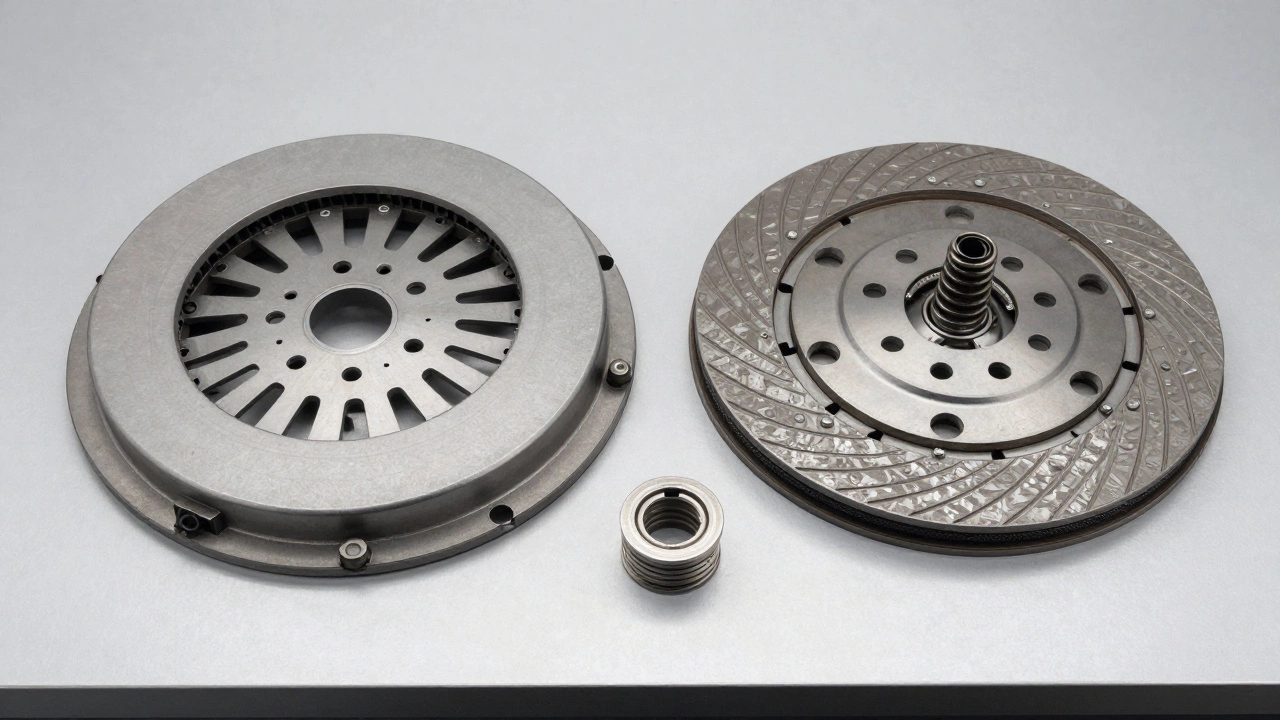
When a mechanic gives you a quote for a clutch replacement cost, they aren't just charging you for one part. A clutch is a system of components that work together to engage and disengage the engine from the wheels. If you just replace the friction disc and leave an old, worn-out release bearing, you're basically asking for the car to break again in three months.
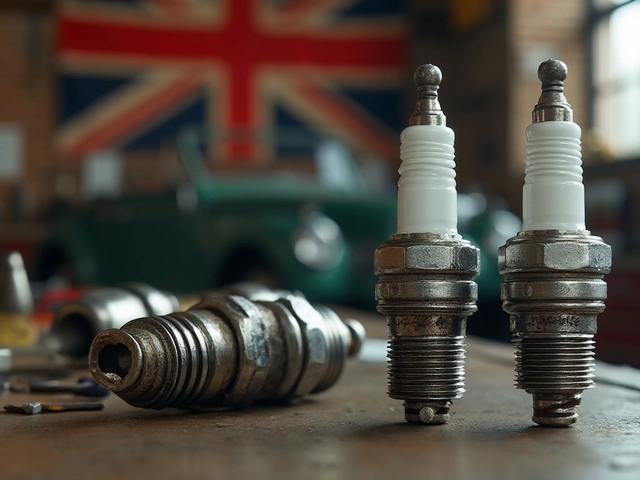
Most shops will insist on a Clutch Kit is a pre-packaged set of components including the pressure plate, clutch disc, and release bearing designed to be replaced as a single unit. This ensures that all wearing surfaces match perfectly. If you're driving a modern car, you might also have a Dual Mass Flywheel is a complex flywheel designed to dampen engine vibrations and reduce noise in manual transmissions. This is where the price really spikes. A standard flywheel is cheap, but a Dual Mass variant can cost £300 to £600 on its own.
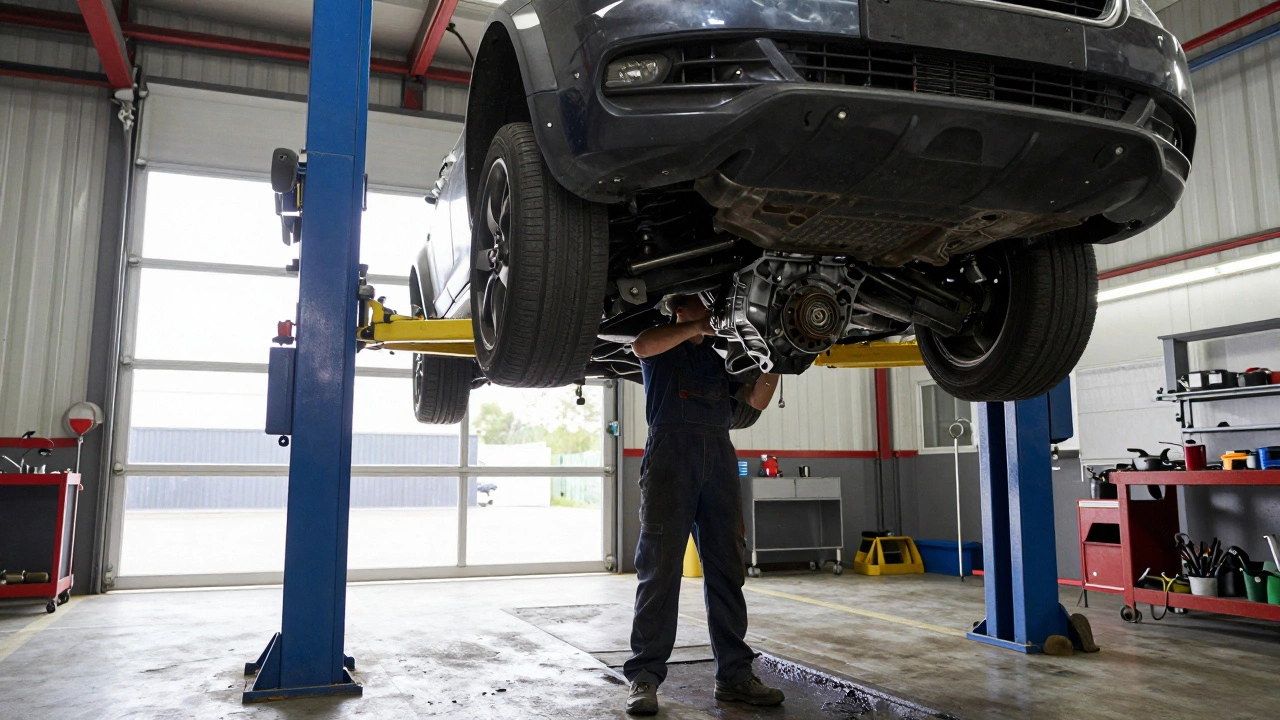
Then there is the labor. To get to the clutch, a mechanic has to remove the Transmission is the gear-shifting mechanism that transfers power from the engine to the axles. On a front-wheel-drive car, this might mean dropping the subframe or removing several accessory drives. It's a labor-intensive process that requires precision and heavy lifting equipment.
Comparing Part Costs by Vehicle Type
| Vehicle Type | Average Kit Price | Avg. Labor Hours | Total Est. Cost |
|---|---|---|---|
| City Car (e.g., Fiat 500) | £120 - £250 | 4 - 6 hrs | £350 - £650 |
| Family Sedan (e.g., VW Golf) | £200 - £450 | 6 - 8 hrs | £600 - £1,100 |
| 4x4 / Pickup (e.g., Toyota Hilux) | £400 - £800 | 8 - 12 hrs | £1,000 - £2,200 |
Hidden expenses that can inflate your bill
It's rarely as simple as "parts plus labor." Once the transmission is out, the mechanic often finds other things that need fixing. For example, the Clutch Slave Cylinder is a hydraulic cylinder that pushes the release fork to disengage the clutch might be leaking. Replacing it while the gearbox is already out takes ten minutes, but if you wait until it fails later, you'll pay for the entire labor process all over again.
You should also consider the fluid. A clutch system uses Hydraulic Fluid is specialized oil used in clutch and brake systems to transmit pressure. A full system bleed is usually included in the labor, but if the fluid is contaminated, you might need a full flush of the lines.
Another variable is the type of kit you choose. An OEM (Original Equipment Manufacturer) kit from the dealership is the safest bet but the most expensive. Aftermarket kits, like those from LuK or Sachs, are often just as good and can save you £50 to £150. If you're building a track car, you might opt for a "stage" kit with a ceramic disc, which costs more and makes the pedal much stiffer to press.
How to tell if you actually need a replacement
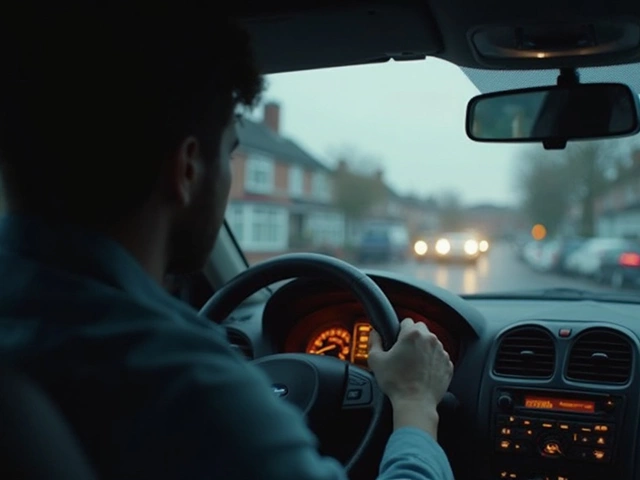
Before you drop £800 at a shop, ask yourself: is the clutch actually slipping, or is there another problem? If the car hesitates during acceleration but the pedal feels normal, you might have a fueling issue. However, if you notice the engine RPMs climbing while the car isn't speeding up (especially in 4th or 5th gear), your friction material is gone.
A quick test is the "fifth gear test." With the engine warm, put the car in 4th or 5th gear while driving at a low speed (around 30 mph) and floor the accelerator. If the needle on the tachometer jumps up quickly without the car accelerating, your clutch is slipping. Another sign is a "burnt toast" smell coming from under the hood after a hill start; that's the smell of the friction disc overheating and disintegrating.
Ways to lower the cost of the job
If you're on a tight budget, there are a few ways to keep the bill down. First, avoid the main dealership. Dealerships have the highest hourly labor rates, often double what an independent local garage charges. A reputable independent shop can do the same job with a genuine kit for significantly less.
Second, ask about the flywheel. Not every clutch job requires a new flywheel. If your flywheel isn't cracked or heat-warped, a mechanic can often "resurface" it using a lathe for a fraction of the cost of a new one. Just make sure they check for tolerances so you don't end up with a vibrating drivetrain.
Lastly, consider the timing. If your car needs other heavy transmission-related work, do it all at once. Whether it's replacing a leaking rear main seal or swapping a worn-out Throw-out Bearing is the bearing that allows the release fork to push the pressure plate, doing it while the gearbox is off saves you from paying for the same labor twice.
Can I just replace the clutch disc without the pressure plate?
It's technically possible, but highly discouraged. The pressure plate and disc wear together. Installing a brand new disc against an old, uneven pressure plate creates "hot spots" that will burn through your new disc in a fraction of its expected lifespan. Always use a full kit.
How long does a new clutch typically last?
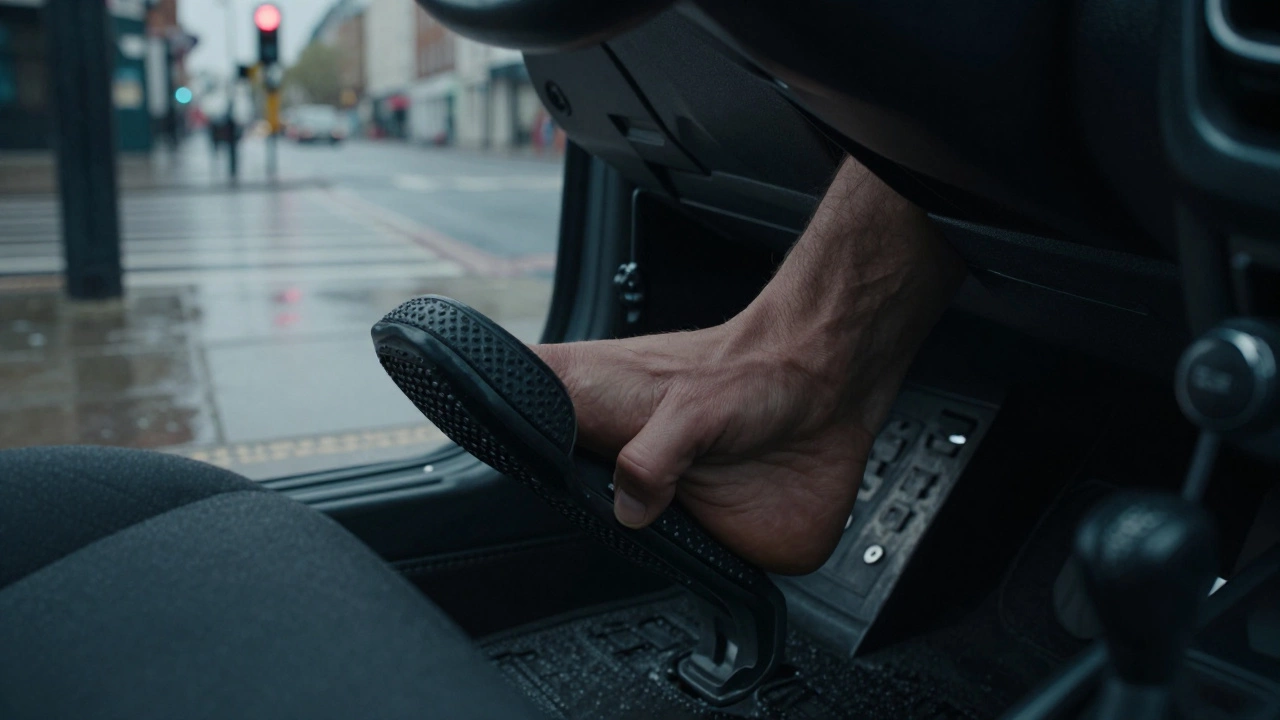
For most drivers, a quality clutch lasts between 50,000 and 100,000 miles. However, if you do a lot of stop-and-go traffic in a city or frequently tow heavy loads, you might find yourself needing a replacement at 30,000 miles. Avoiding "riding the clutch"-keeping your foot slightly on the pedal-is the best way to extend its life.
Why is the labor so expensive compared to the parts?
The parts are relatively simple, but the access is difficult. To get to the clutch, the mechanic must disconnect the driveshafts, disconnect the linkage, and physically remove the heavy transmission from the vehicle. This takes several hours of manual labor and requires specialized tools and safety equipment.
What is the difference between OEM and Aftermarket clutch kits?
OEM parts are made by the original manufacturer and are guaranteed to fit and perform as designed. Aftermarket kits are made by third-party companies. While some are inferior, many (like LuK or Exedy) are actually better than the original parts and may offer longer warranties or improved durability.
Is it worth replacing a clutch on an old car?
This depends on the rest of the car. If the engine and body are in great shape, a £600 investment can give a car another 50k miles of life. However, if the car has major rust or engine issues, the cost of the labor might exceed the total value of the vehicle, making it a "total loss" scenario.
What to do next
If you suspect your clutch is slipping, don't ignore it. A slipping clutch creates immense heat, which can eventually warp the flywheel or even damage the transmission input shaft. Get a diagnostic check from a trusted mechanic to see if the issue is actually the friction plate or perhaps just a leaking master cylinder.
When you get your quote, ask for a detailed breakdown of parts versus labor. Ensure they are using a reputable brand for the kit and ask if they are checking the flywheel for wear. If you're feeling brave and have a driveway and a set of jacks, you can try the job yourself, but be warned: it's a grueling process that usually requires more help and more tools than most people realize.
Write a comment
Search
Latest Posts