If your car keeps overheating, or you notice puddles under it that aren’t from rain, your radiator might be failing. It’s one of those parts you don’t think about until it breaks-and then you’re stranded on the side of the road. Radiators don’t just wear out slowly; they fail in obvious, sometimes dangerous ways. Here are the seven clear signs your radiator is bad and what to do next.
1. Your Engine Overheats Constantly
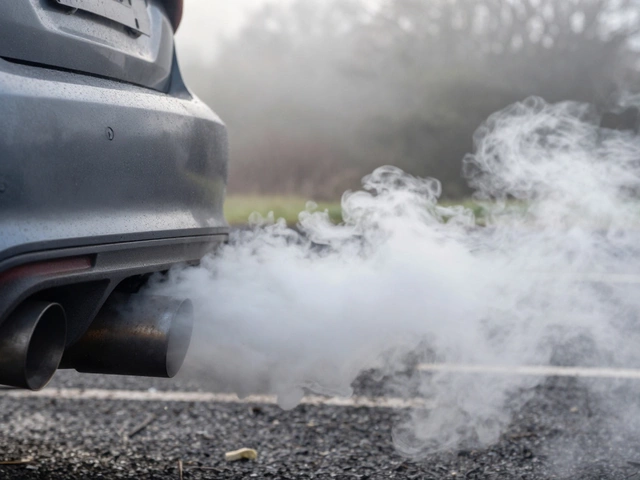
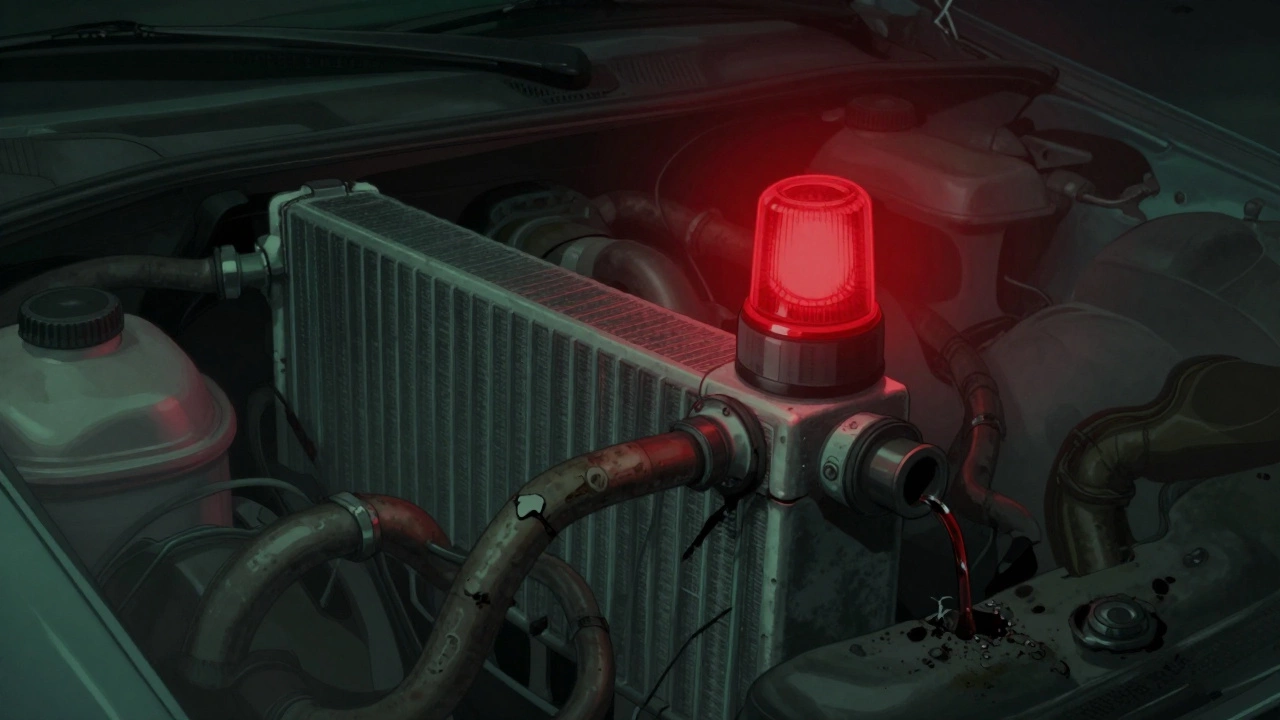
Overheating is the #1 red flag. If your temperature gauge spikes into the red zone, or the warning light flashes, don’t ignore it. A bad radiator can’t cool the engine properly. Coolant flows through the radiator’s tubes, and if those tubes are clogged, cracked, or corroded, heat builds up fast. I’ve seen cars with radiator cores so blocked with rust and debris that they couldn’t handle normal highway speeds-even in winter. If your car overheats after 15 minutes of driving, especially when idling or in traffic, the radiator is likely the culprit.
2. Coolant Is Leaking Under Your Car
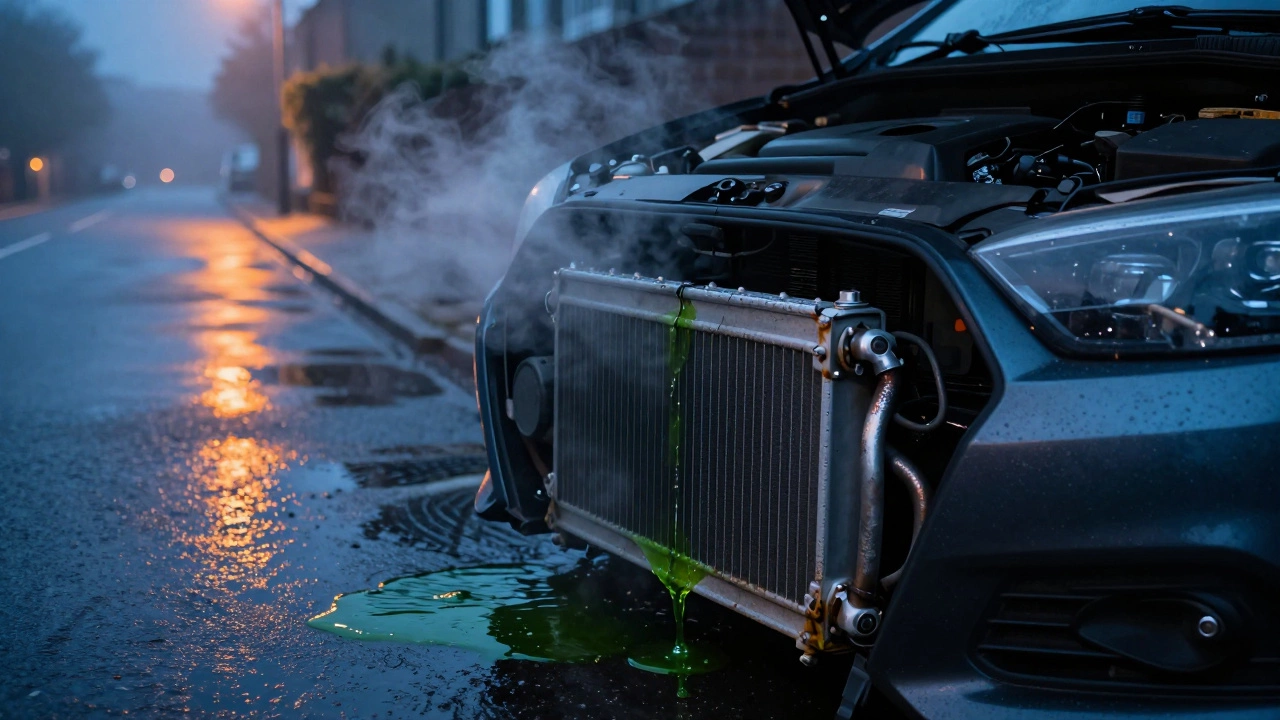
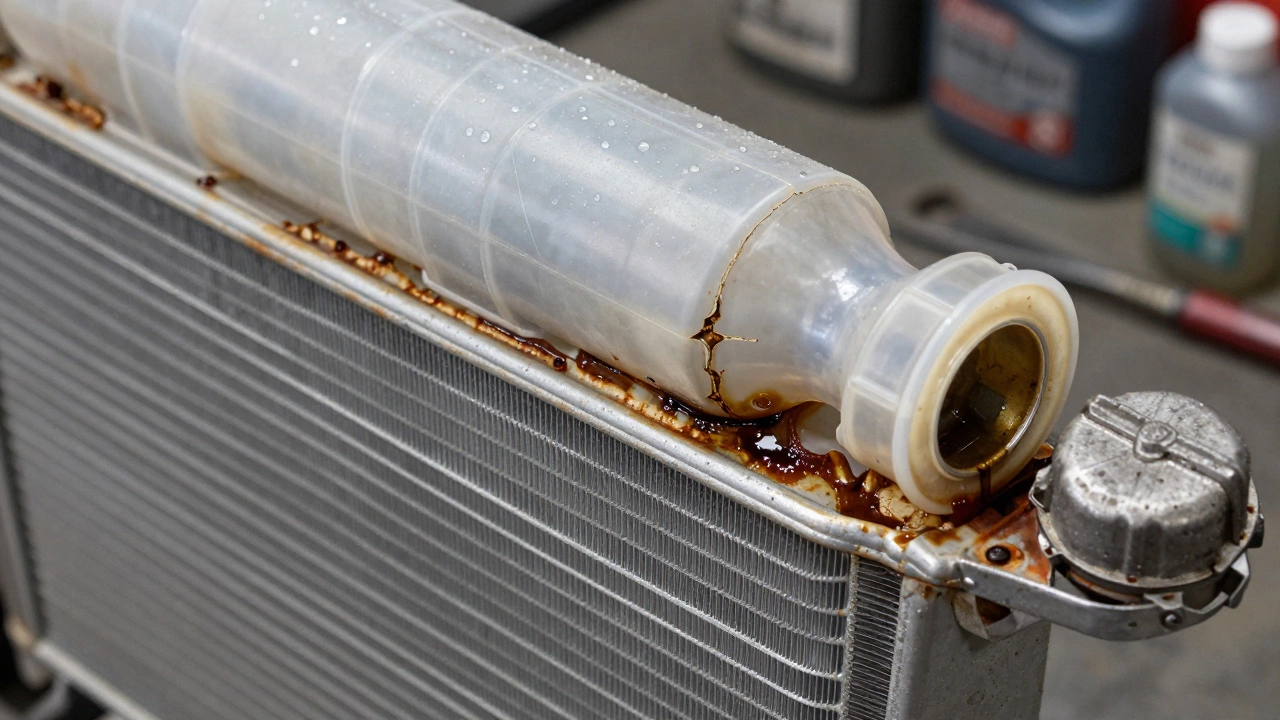
Look under your car after it’s been parked for a few hours. If you see green, orange, pink, or blue fluid pooling beneath the front center, that’s coolant. Radiators are made of aluminum and plastic, and over time, the seams between them crack. The plastic end tanks are especially prone to warping from heat cycles. A small drip might seem harmless, but losing even half a liter of coolant over a week will eventually cause overheating. Check the radiator’s bottom corners and the hoses connected to it-leaks there are almost always radiator-related.
3. Rust or Sludge Inside the Coolant
Open your coolant reservoir (only when the engine is cold) and take a look. Clean coolant should look clear and bright. If it’s brown, gritty, or has a thick sludge floating in it, your radiator is corroding from the inside. Rust forms when old coolant breaks down and loses its anti-corrosion additives. That sludge doesn’t just clog the radiator-it can block your heater core, water pump, and even engine passages. I’ve pulled radiators out of cars where the inside looked like mud, not metal. No amount of flushing fixes that-you need a new one.
4. The Radiator Looks Swollen or Bulging
Take a close look at your radiator’s side tanks. If they’re bulging outward, warped, or have cracks around the edges, it’s done. This usually happens when pressure builds up inside because the radiator cap isn’t venting properly, or the cooling system is over-pressurized. Modern radiators are designed to handle 15-20 psi, but if the cap fails or the thermostat sticks shut, pressure spikes. That stress cracks the plastic tanks. You can’t repair this. A bulging radiator will fail soon-sometimes without warning.
5. Your Heater Isn’t Working Properly
Here’s something people overlook: if your cabin heater blows cold air even after the engine has warmed up, the radiator might be partly blocked. The heater core runs off the same coolant as the radiator. If that coolant isn’t circulating well because of sludge or corrosion, your heater won’t work. You might also notice a sweet, syrupy smell inside the car-that’s coolant leaking into the cabin through a cracked heater core, often caused by radiator failure. This isn’t just uncomfortable-it’s a sign the whole cooling system is failing.
6. You’ve Had Multiple Coolant Top-Ups in the Last Few Months
If you’re regularly adding coolant, you’re not fixing the problem-you’re masking it. A healthy cooling system shouldn’t lose fluid unless there’s a leak. Top-ups mean either coolant is escaping (leak) or boiling off (overheating). Both point to radiator trouble. I’ve worked on cars where owners added coolant every 500 miles for over a year. Eventually, the engine seized. That’s not coincidence-it’s consequence. Replace the radiator before it costs you more than the car’s value.
7. The Radiator Is Older Than 8-10 Years
Even if everything seems fine, age catches up. Most factory radiators last 8 to 10 years, depending on driving conditions and coolant maintenance. If your car is from 2016 or earlier and you’ve never replaced the radiator, you’re playing Russian roulette. Aluminum corrodes slowly. Plastic becomes brittle. Rubber hoses dry out. In Bristol’s damp, salty winters, radiators wear out faster. If you’re due for a coolant flush, consider replacing the radiator too. It’s cheaper than towing and engine repair.
What to Do Next
Don’t wait for the engine to overheat on the motorway. If you’ve noticed even one of these signs, get your radiator checked. A mechanic can pressure-test the cooling system, inspect for internal corrosion, and check the radiator cap. You can also do a visual inspection yourself: look for leaks, rust, bulges, and check coolant color. Keep a jug of the correct coolant type in your trunk-most modern cars use ethylene glycol-based coolant, often labeled as “long-life” or “OAT.” Never mix types.
Replacing a radiator isn’t a weekend DIY job for everyone, but it’s doable if you’re comfortable with basic tools. Just make sure you drain the system fully, flush it with water, and refill with fresh coolant. Air pockets in the system are the #1 cause of post-replacement overheating. Follow your car’s bleeding procedure-some need the heater on full blast while filling.
What Happens If You Ignore It
Ignoring a bad radiator doesn’t just mean a hot engine. It leads to warped cylinder heads, blown head gaskets, cracked engine blocks, or a seized engine. Repairs can cost £1,500 to £4,000. A new radiator? £150-£400, depending on your car. It’s not an upgrade-it’s insurance. In the UK, where winter rains and stop-start traffic put stress on cooling systems, skipping this check is asking for trouble.
| Sign | Most Likely Cause | Fix |
|---|---|---|
| Engine overheating | Clogged radiator core, low coolant | Replace radiator, flush system |
| Coolant leaks | Cracked end tanks, failed seals | Replace radiator |
| Sludgy coolant | Old coolant, internal corrosion | Replace radiator, flush system |
| Bulging radiator | Overpressure, bad radiator cap | Replace radiator, check cap |
| Heater not working | Blocked coolant flow | Replace radiator, inspect heater core |
| Frequent coolant top-ups | Undetected leak or evaporation | Pressure-test system, replace radiator |
Prevention Tips
- Change coolant every 5 years or 60,000 miles-don’t trust "lifetime" claims.
- Use the coolant type specified in your owner’s manual. Mixing types causes gelling.
- Check the radiator cap pressure rating. It should match your car’s specs (usually 15 psi).
- Inspect hoses and clamps every oil change. A cracked hose can dump coolant fast.
- Keep the radiator fins clean. Dirt and bugs block airflow. A soft brush and water help.
Can a bad radiator cause my car to stall?
Yes. If the engine overheats badly, it can trigger a safety shutdown to prevent damage. The car may stall or refuse to restart until it cools down. This isn’t an electrical issue-it’s thermal protection kicking in. A failing radiator is often the root cause.
Is it safe to drive with a leaking radiator?
Not for long. Even a slow leak can lead to overheating in traffic or on hills. If you must drive, keep coolant levels topped up and monitor the temperature gauge constantly. But don’t make it a habit. Driving with low coolant risks engine damage in minutes.
Do aftermarket radiators last as long as OEM ones?
Some do, some don’t. Reputable brands like Beckett, Denso, and Valeo match OEM quality. Cheap no-name radiators often use thinner aluminum or weaker plastic tanks. They might save you £50 upfront, but fail in 18 months. Stick to brands used by garages-your engine will thank you.
Can a radiator be repaired instead of replaced?
Rarely. Small leaks in the core can sometimes be patched, but only if the radiator is relatively new and the damage is minor. Rust, bulging, or sludge mean the whole unit is compromised. Repairing is a temporary fix at best. Replacement is the only reliable solution.
How much does it cost to replace a radiator in the UK?
Parts cost between £150 and £400, depending on your car model. Labor is usually £100-£200. Luxury or older cars with complex cooling systems can run higher. A full system flush and refill adds £50-£80. Get quotes from two garages. Many offer free diagnostics.
Final Thought
Your radiator doesn’t need to fail dramatically to ruin your car. It often slips away quietly-through tiny leaks, slow corrosion, and gradual loss of efficiency. By the time you notice the heater isn’t working or you’re topping up coolant every week, it’s already too late. Check it now. Not tomorrow. Not next oil change. Now. One less breakdown, one less tow truck call, one less expensive engine repair. That’s worth a few hours of your time.