Spark Plug Replacement Cost Calculator
Your Vehicle Details
Enter Details Above
Configure your vehicle to see the breakdown.
You turn the key, press the pedal, and your car jerks forward like it’s having a panic attack. Or maybe it won’t start at all. You’ve heard mechanics talk about spark plugs being vital, but you’re wondering: is this just another upsell tactic from the garage? Do you really need these tiny metal components to keep your vehicle running?
The short answer is yes. But the long answer is more interesting. Without them, your engine isn’t just inefficient; it’s dead in the water. Let’s break down why these small parts carry so much weight, when you can ignore them, and when ignoring them will cost you far more than a quick replacement.
The Role of the Spark Plug in Your Engine
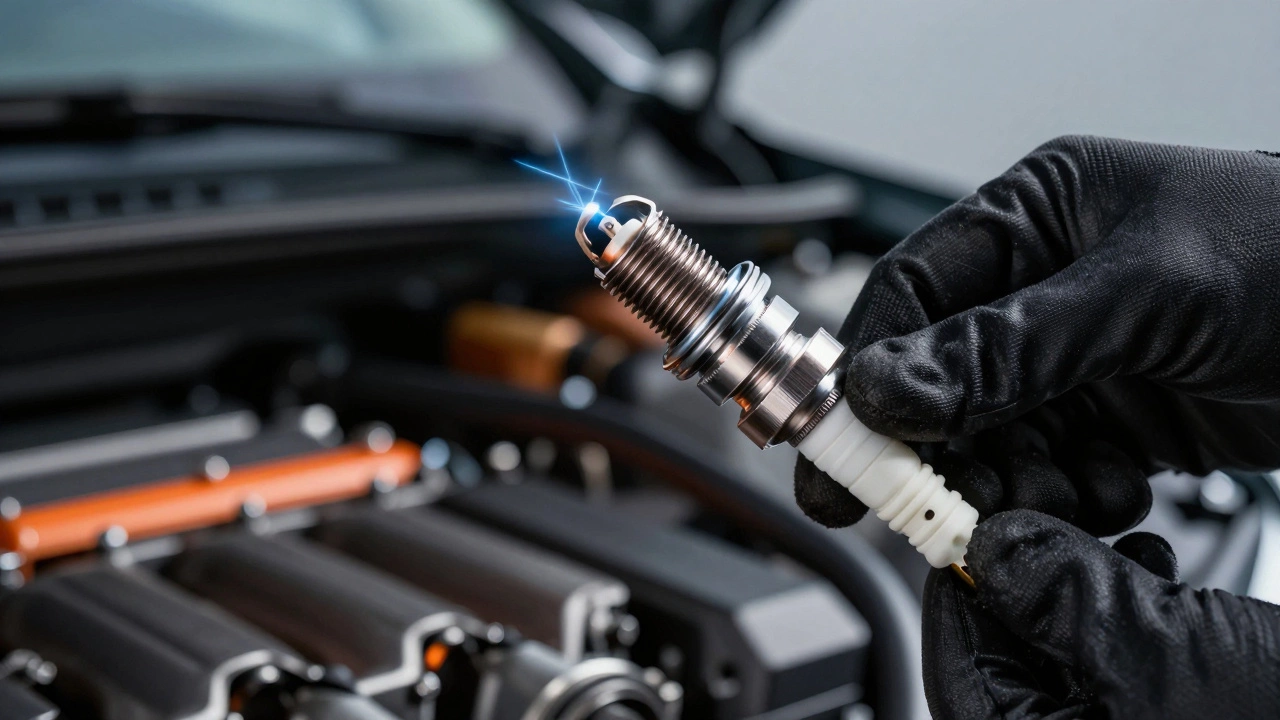
To understand if you need them, you first have to understand what they actually do. Inside your engine’s cylinders, air and fuel mix together. This mixture doesn’t explode on its own. It needs a trigger. That trigger is the electric arc created by the spark plug, which bridges the gap between the high-voltage coil and the combustion chamber.
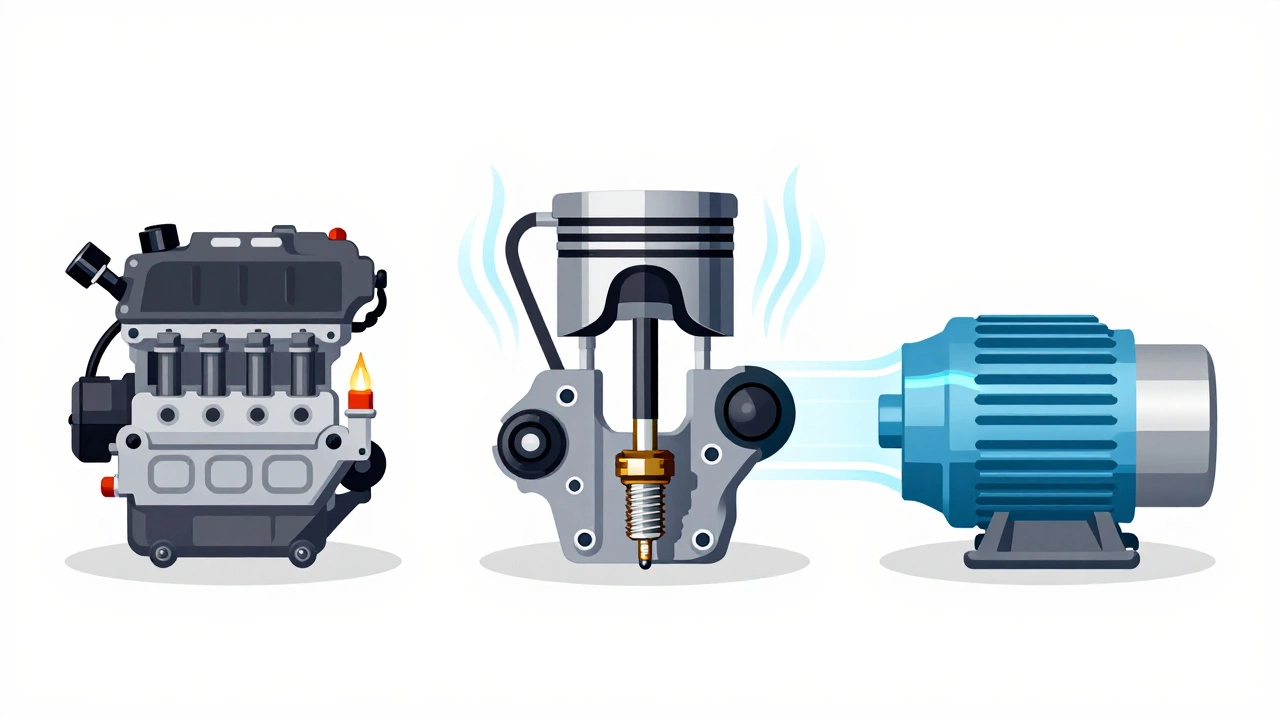
Think of it like lighting a gas stove. The gas flows out, but without the flame (the spark), nothing happens. In a gasoline or petrol engine, this spark ignites the compressed air-fuel mixture. The resulting controlled explosion pushes the piston down, turning the crankshaft, which eventually turns your wheels.
If you remove the spark plug, there is no spark. No spark means no combustion. No combustion means no power. Your engine might crank over because the starter motor is still working, but it will never fire up. So, in a traditional internal combustion engine (ICE), spark plugs are not optional accessories. They are fundamental components of the ignition system.
When Can You Skip Them? (The Exceptions)
Now, let’s play devil’s advocate. Are there scenarios where you don’t need spark plugs? Yes, but only if you aren’t driving a standard petrol car.
- Diesel Engines: Diesel cars rely on compression ignition. The air is compressed so tightly that it heats up enough to ignite the diesel fuel automatically. They use glow plugs for cold starts, but not spark plugs for running.
- Electric Vehicles (EVs): If you drive a Tesla, Nissan Leaf, or any pure EV, you have zero spark plugs. There is no combustion. The electric motor runs on electricity from the battery.
- Hybrids in Electric Mode: When your hybrid car is moving slowly on battery power alone, the engine is off. Technically, the spark plugs aren’t doing anything at that exact moment. But as soon as the petrol engine kicks in to assist or recharge the battery, those plugs are firing away.
If you are driving a conventional petrol or gasoline car-which includes most hybrids when the engine is running-you absolutely need them. There is no workaround.
Signs Your Spark Plugs Are Failing
You might think, "I haven't changed them in years, but my car runs fine." That’s the danger with spark plugs. They degrade slowly. You often don’t notice the decline until they fail completely or cause secondary damage. Here is how to tell if yours are struggling:
- Rough Idling: When you stop at a traffic light, does the engine feel shaky? Does the RPM gauge needle jump around instead of staying steady? This is a classic sign of a weak spark.
- Poor Acceleration: You press the gas, but the car feels sluggish. It’s like driving through mud. The engine isn’t burning fuel efficiently, so it lacks power.
- Increased Fuel Consumption: Are you filling up more often? Bad spark plugs mean incomplete combustion. Unburnt fuel exits through the exhaust, wasting money.
- Hard Starting: If your car cranks longer than usual before starting, especially in the morning, the spark may be too weak to ignite the cold mixture quickly.
- Engine Misfires: You feel a sudden jerk or lurch while driving. This happens when one cylinder fails to fire while the others are working. It’s uncomfortable and potentially dangerous at high speeds.
If you experience any of these, don’t wait. A failing spark plug can foul the catalytic converter, leading to repair bills in the thousands rather than the tens.
How Long Do Spark Plugs Actually Last?
This is where confusion sets in. Older cars used copper spark plugs that needed replacing every 20,000 to 30,000 miles (32,000-48,000 km). Modern vehicles use different materials that last significantly longer.
| Material Type | Average Lifespan (Miles) | Average Lifespan (KM) | Cost Level |
|---|---|---|---|
| Copper | 20,000 - 30,000 | 32,000 - 48,000 | Low |
| Platinum | 60,000 - 100,000 | 96,000 - 160,000 | Medium |
| Iridium | 100,000 - 120,000+ | 160,000 - 193,000+ | High |
Most modern cars come equipped with iridium or platinum plugs from the factory. These can easily last 100,000 miles or more. However, "can last" doesn’t mean "will last" under all conditions. Short trips, city driving, and extreme temperatures can shorten their life. Always check your owner’s manual for the manufacturer’s specific recommendation.
The Cost of Neglect: Why Replacement Is Cheaper Than Repair
Replacing spark plugs is relatively inexpensive. The parts themselves cost anywhere from £5 to £20 per plug, depending on the material. Labor varies, but a mechanic might charge an hour or two for the job. If you’re handy, you can do it yourself in your driveway with a socket wrench and a gap tool.
What happens if you ignore them? Here is the chain reaction of failure:
- Fouled Plugs: Carbon builds up, insulating the electrode. The spark jumps across the carbon instead of the gap. Efficiency drops.
- Misfiring Cylinders: Unburnt fuel enters the exhaust system.
- Catalytic Converter Damage: The catalytic converter gets clogged with unburnt hydrocarbons. It overheats and melts internally.
- Massive Bill: Replacing a catalytic converter can cost £500 to £1,500+. Replacing four spark plugs costs less than £100 total.
It’s a simple math problem. Prevention is vastly cheaper than cure.

DIY vs. Mechanic: Who Should Change Them?
In many older cars, spark plugs are easy to reach. You pop the hood, pull off the ignition coils, and unscrew the old plugs. It’s a straightforward task.
However, modern engines are packed tight. Some manufacturers place spark plugs deep behind intake manifolds. Removing them might require taking off other components, which increases labor time and complexity. If your car has a complex layout, or if you’re unsure about torque specifications (over-tightening can crack the ceramic insulator), pay a professional. Getting the gap correct is also crucial for optimal performance.
Frequently Asked Questions
Can I drive with bad spark plugs?
You technically can, but you shouldn’t. Driving with worn spark plugs reduces fuel efficiency, causes rough riding, and risks damaging your catalytic converter. It’s safer and cheaper to replace them immediately.
Do diesel cars need spark plugs?
No. Diesel engines use compression ignition, meaning the heat from compressing the air ignites the fuel. They use glow plugs to help start in cold weather, but these are different from spark plugs.
How often should I change spark plugs?
It depends on the material. Copper plugs need changing every 20,000-30,000 miles. Platinum lasts 60,000-100,000 miles. Iridium plugs can last 100,000-120,000 miles or more. Check your vehicle’s owner manual for the exact interval.
What are the symptoms of a bad spark plug?
Common signs include rough idling, poor acceleration, increased fuel consumption, hard starting, and engine misfires (jerking sensations while driving).
Can I replace spark plugs myself?
Yes, if your engine design allows easy access. You’ll need a socket wrench set, an extension bar, and a spark plug gap tool. If the plugs are buried deep in the engine bay, it’s best to leave it to a professional to avoid damage.
Why do spark plugs wear out?
Each time the spark fires, a tiny amount of the electrode erodes. Over thousands of ignitions, the gap widens, making it harder for the spark to jump. Carbon buildup and oil leaks can also foul the plug surface.