Brake Pad Lifespan & Cost Calculator
Estimate how long your brake pads will last and the potential replacement costs based on your driving habits and vehicle type.
There is no single number that answers how long your new brake pads will last. If you drive a heavy SUV through Bristol’s traffic every day, you might replace them in 20,000 miles. If you cruise a small hatchback on country roads, they could easily hit 70,000 miles. The difference isn’t luck; it’s physics, material science, and driving habits.
Understanding this variance saves money and, more importantly, keeps you safe. Worn brakes don’t just fail suddenly; they give warnings. Knowing what those warnings mean helps you plan replacements before an emergency arises.
The Average Lifespan: What the Data Says
Most manufacturers and independent mechanics agree on a general range. For the average driver, new brake pads last between 30,000 and 70,000 miles. This broad range exists because "average" covers everything from gentle suburban commuting to aggressive highway merging.
To get a clearer picture, we need to look at time versus distance. Even if you rarely drive, brake components degrade. Moisture, road salt (common in UK winters), and oxidation affect the metal backing plates and friction materials over time. A good rule of thumb is to inspect your brakes every two years or 20,000 miles, whichever comes first.
| Driving Style | Average Mileage | Key Factors |
|---|---|---|
| City/Urban | 20,000 - 40,000 miles | Frequent stopping, idling, stop-and-go traffic |
| Highway/Cruising | 50,000 - 70,000+ miles | Minimal braking, consistent speed |
| Mixed Use | 30,000 - 50,000 miles | Combination of city and highway driving |
| Aggressive/Sport | 15,000 - 30,000 miles | Hard braking, high speeds, track use |
Material Matters: Ceramic vs. Semi-Metallic vs. Organic
The type of brake pad you install drastically changes its lifespan. Not all pads are created equal. When you buy "new brake pads," the material composition determines how fast they wear down.
Ceramic brake pads are popular in modern passenger cars. They contain copper fibers and ceramic materials. They last longer than organic pads, produce less dust, and operate quietly. However, they can be more expensive upfront. In terms of longevity, ceramic pads often reach the higher end of the mileage spectrum, around 60,000 to 70,000 miles for mixed driving.
Semi-metallic brake pads consist of steel wool and other metal shavings. They handle heat better and are durable, making them common in trucks and performance vehicles. They tend to last about 40,000 to 50,000 miles but can be noisier and may cause more rotor wear over time.
Organic (NAO) brake pads are made from glass, rubber, and carbon. They are quiet and cheap but wear out quickly. You might only get 20,000 to 30,000 miles out of them. These are rarely used in new car installations today but appear frequently in older models or budget replacements.
Your Driving Habits: The Biggest Variable
You control half the equation. How you press the pedal matters more than the brand of the car. Let’s look at real-world scenarios.
If you live in a congested area like central London or Bristol city center, you are likely doing "stop-and-go" driving. Every time you brake, friction removes microscopic layers of material from the pad. Accelerating hard and then braking suddenly generates intense heat. Heat breaks down the binding agents in brake pads, causing them to disintegrate faster. This style can cut your pad life in half compared to steady highway cruising.
Conversely, "coasting" is your friend. Anticipate traffic lights and ease off the accelerator early. Using engine braking reduces the load on your friction brakes. This simple habit can add thousands of miles to your pad lifespan.
Vehicle weight also plays a role. A heavier vehicle requires more force to stop. If you tow trailers regularly or drive a large SUV, expect to replace pads more frequently. The kinetic energy that needs to be dissipated is significantly higher.

Warning Signs: When to Check Your Brakes
Don’t wait for a complete failure. Modern cars have sensors, but not all do. Here are the physical signs that your brake pads are nearing the end of their life.
- Squealing or Squeaking: Most new pads come with a small metal wear indicator tab. When the pad wears down to a critical thickness (usually around 3-4mm remaining), this tab scrapes against the rotor, creating a high-pitched noise. This is a deliberate warning system.
- Grinding Noise: If you hear a metallic grinding sound, the pad material is gone, and the metal backing plate is rubbing directly against the rotor. Stop driving immediately. This damages the rotors, which are much more expensive to replace than pads.
- Vibration in the Pedal: If the brake pedal pulses or vibrates when you press it, your rotors may be warped due to excessive heat. This often happens alongside worn pads.
- Pulling to One Side: If the car pulls left or right when braking, one side’s calipers might be sticking, or the pads on one wheel are wearing faster than the others.
- Dashboard Warning Light: Many modern vehicles have an electronic brake wear sensor. If the light illuminates, the sensor has detected thin pads. Schedule service within a week.
The Hidden Cost: Rotors and Calipers
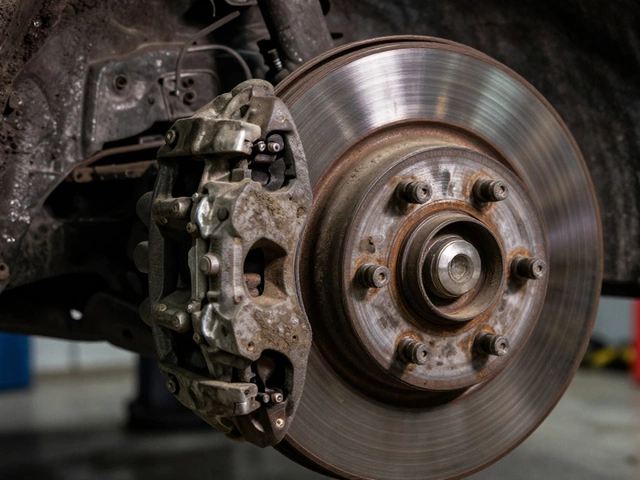
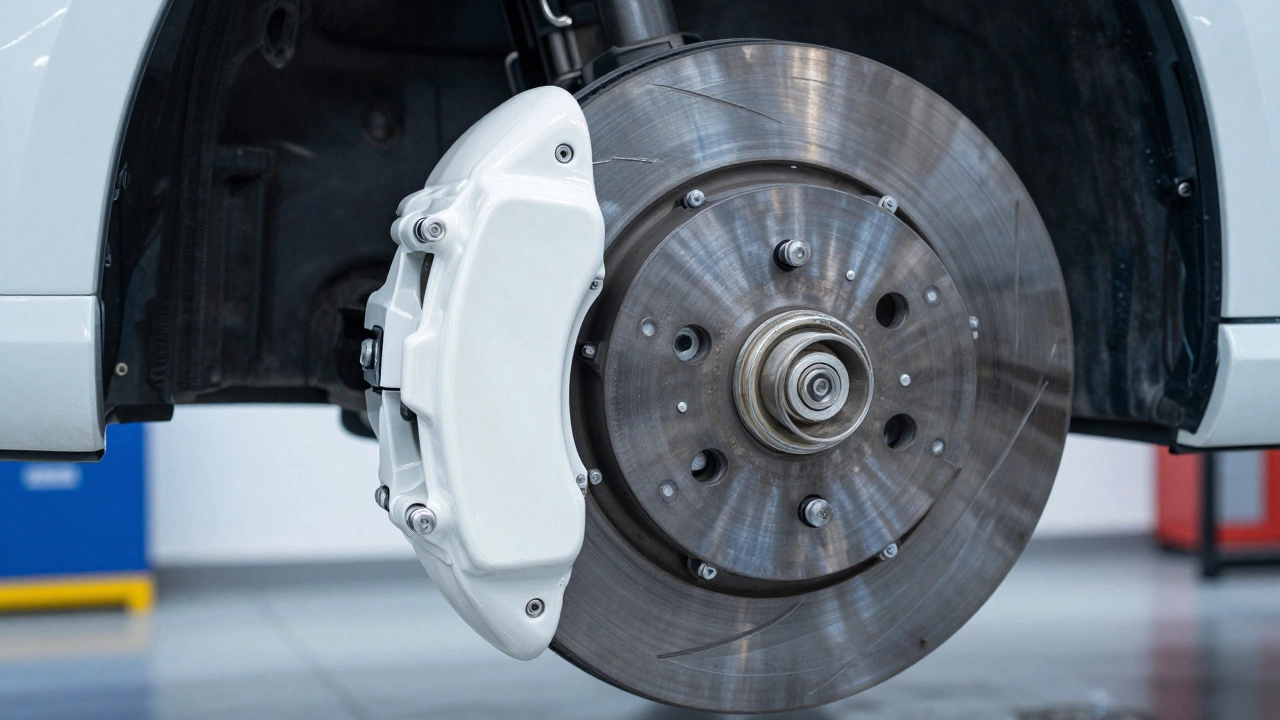
When discussing how long brake pads last, we must mention the Brake Rotors (discs). Pads and rotors work as a pair. Over time, rotors develop grooves or become unevenly thick. If you put new pads on old, worn rotors, the new pads will conform to the imperfections, leading to poor braking performance and rapid re-wear.
Generally, rotors last twice as long as pads. So, if you replace pads every 40,000 miles, you might resurface or replace rotors every 80,000 miles. However, if you’ve ignored squealing noises until the pads were bone-thin, you likely damaged the rotors. In that case, you must replace both simultaneously.
Calipers are the hydraulic clamps that squeeze the pads. If a caliper piston sticks, it can drag one pad against the rotor continuously. This causes uneven wear-one side might wear out in 10,000 miles while the other lasts 40,000. Always ask a mechanic to check caliper function during a pad replacement.
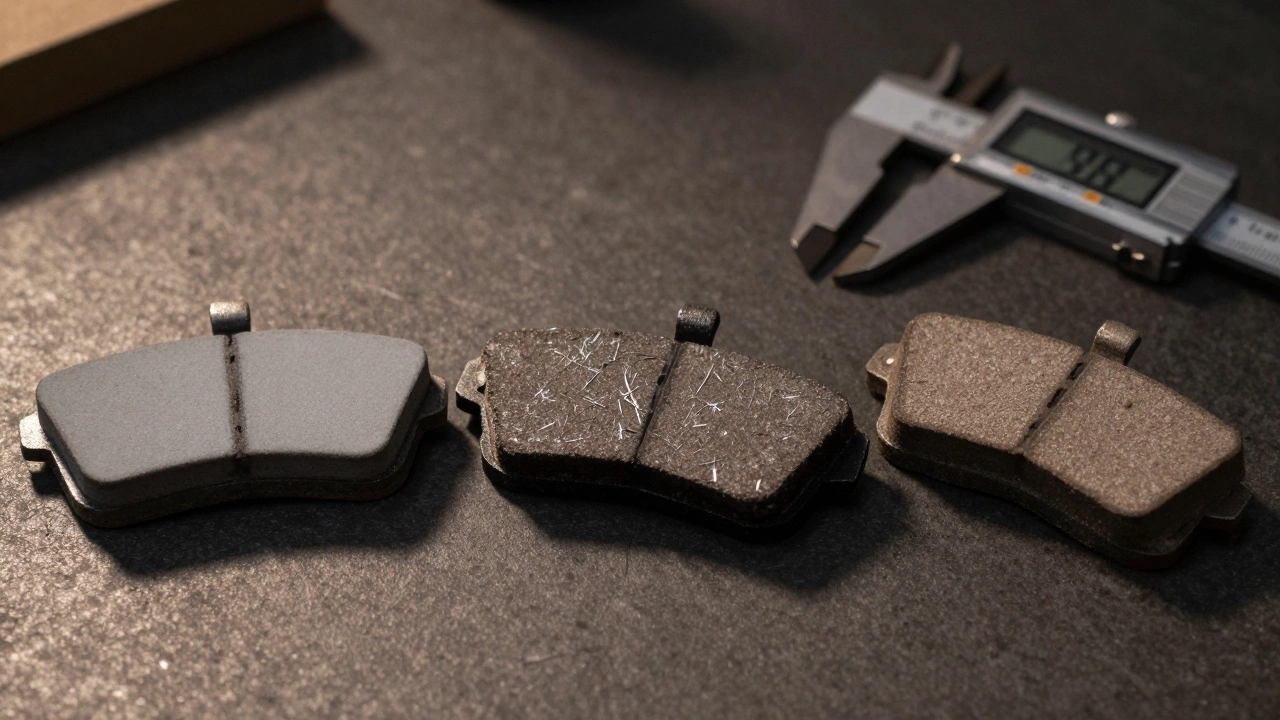
Maintenance Tips to Extend Brake Life
You can’t stop friction, but you can manage it. Here are practical steps to maximize the lifespan of your new brake pads.
- Break Them In Properly: New pads need a bedding-in period. Avoid hard stops for the first 200 miles. Gentle, progressive braking helps transfer an even layer of friction material onto the rotors.
- Keep Weight Down: Remove unnecessary heavy items from your trunk. Less mass means less energy needed to stop.
- Check Tire Pressure: Under-inflated tires increase rolling resistance and can affect braking efficiency, putting extra strain on the brake system.
- Use Quality Fluid: Old brake fluid absorbs moisture, lowering its boiling point. Overheated fluid leads to brake fade, forcing you to brake harder and wear pads faster. Flush fluid every two years.
- Listen to the Car: Don’t ignore new noises. Early detection prevents costly damage to rotors and calipers.
Cost of Replacement: Is It Worth Waiting?
In the UK, replacing a set of front brake pads typically costs between £100 and £250, depending on whether you choose OEM parts or aftermarket brands, and labor rates. Rear pads are often cheaper, around £80 to £180. If you include rotor replacement, add another £150 to £300 per axle.
Waiting too long increases this cost. Replacing pads alone is straightforward. Replacing pads plus rotors plus caliper repairs is a major job. The savings from delaying a few thousand miles rarely outweigh the risk of damaging other components.
Can I drive with worn brake pads?
You should not drive with severely worn brake pads. If the wear indicator is squealing, you have limited margin for error. Continuing to drive risks grinding the metal backing plate into the rotor, which destroys the rotor and compromises stopping power. It is unsafe and expensive.
Do front brake pads wear out faster than rear ones?
Yes, front brake pads typically wear out faster. During braking, weight shifts forward, placing up to 70% of the braking force on the front wheels. Consequently, front pads usually need replacement 1.5 to 2 times more often than rear pads.
What is the minimum thickness for brake pads?
New brake pads are usually 12mm to 14mm thick. Mechanics recommend replacing them when they reach 3mm to 4mm. Below 3mm, the structural integrity of the pad is compromised, and the risk of damaging the rotor increases significantly.
Should I replace brake pads myself?
Replacing brake pads is a DIY-friendly task if you have basic tools and safety knowledge. However, you must correctly bleed the brakes if calipers are serviced, torque bolts to specification, and bed in the new pads. If you are unsure, professional installation ensures safety and warranty validity.
Does weather affect brake pad life?
Yes. Wet conditions can cause surface rust on rotors, leading to initial noise and slight wear. Road salt in winter accelerates corrosion of caliper pins and slide rails, potentially causing uneven pad wear. Regular cleaning and inspection after winter months are advisable.