Brake Pad Health & Replacement Estimator
Estimate how long your brake pads will last or check the status of your current pads.
Lifespan Estimator
Select your typical driving profile to see expected mileage range.
Current Status Checker
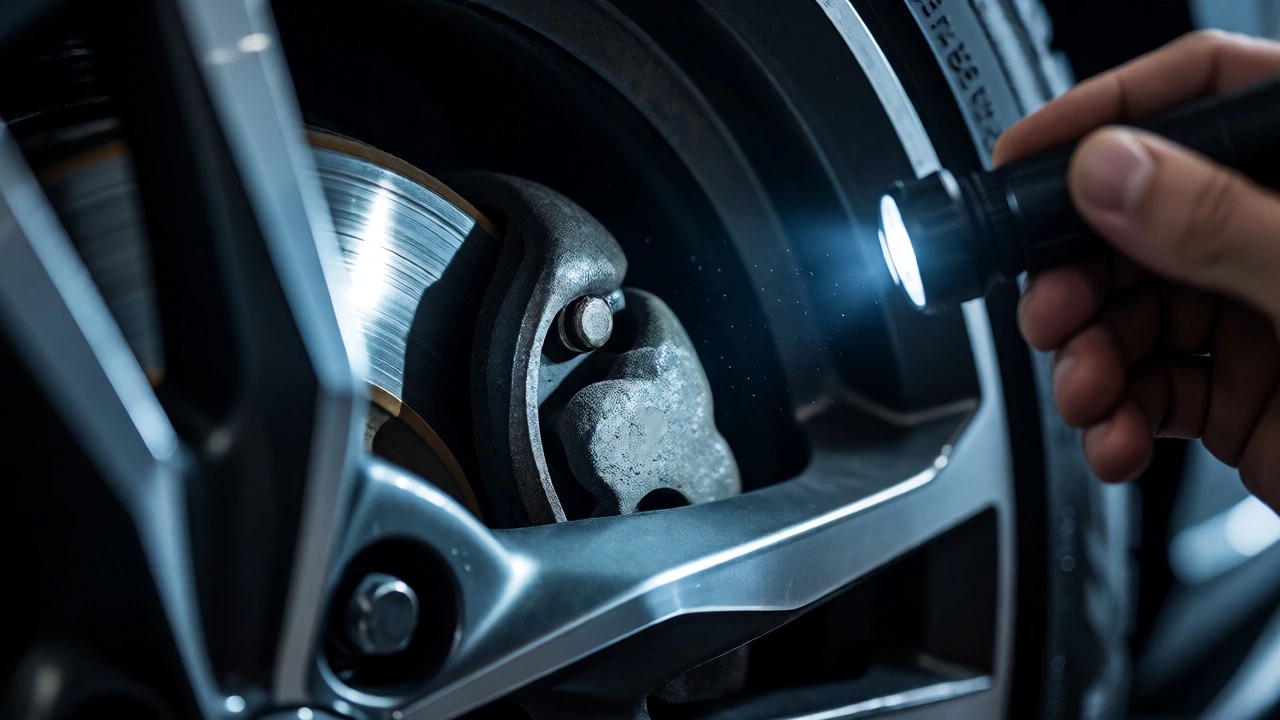
Measure your pad thickness (friction material only) through wheel spokes.
You’re cruising down the highway, and suddenly a high-pitched squeal pierces the air. Or maybe you just noticed that your braking distance feels slightly longer than usual. It’s a common panic moment for drivers: is it time to swap out those brake pads, or are you hearing things?
The frustrating truth is that there isn’t one single mileage number that applies to every car on the road. While mechanics often quote "30,000 to 70,000 miles" as a general rule, real-world conditions throw a wrench in those estimates. Your driving habits, the type of roads you take, and even the material of your pads play huge roles in how long they last. Let’s break down exactly when you need to replace them, how to spot the warning signs early, and what factors actually shorten their lifespan.
The Myth of Fixed Mileage Intervals
Think about two different cars with identical models and year. One owner drives exclusively on smooth, flat highways at consistent speeds. The other navigates stop-and-go city traffic, frequent hills, and occasional aggressive braking. Who do you think needs new pads first? The city driver, almost certainly.
Brake pads are friction materials designed to wear down over time. Unlike oil, which degrades based on time and heat cycles regardless of distance, brake pads wear down based on physical contact and pressure. This means that while manufacturer recommendations provide a baseline, they are rarely the final word.
Here is a realistic look at expected lifespans based on driving style:
- Highway Commuters: Expect 50,000 to 80,000 miles. Less frequent stops mean less friction heat and slower wear.
- Mixed Driving (City/Suburb): Typically 30,000 to 50,000 miles. This is the average range for most daily drivers.
- Aggressive/City Drivers: Often under 25,000 miles. Hard braking generates intense heat, glazing the pads and wearing them down rapidly.
- Towing or Heavy Loads: Can reduce lifespan by 40-50%. Extra weight requires more force to stop, accelerating friction loss.
If you live in a hilly area like San Francisco or Seattle, expect the lower end of these ranges. Gravity is working against you on every descent, forcing your brakes to do extra work to control speed.
Visual and Auditory Warning Signs
Your car will usually tell you when it’s time for a change, but you have to know what to listen and look for. Ignoring these cues can lead to damaged rotors, which turns a cheap pad swap into an expensive repair job.
Squealing and Grinding are the most obvious signals. Most modern pads come with a small metal tab called a "wear indicator." When the pad material gets thin enough, this tab scrapes against the rotor, creating a high-pitched squeal that persists whether you’re braking or not. If you hear grinding-a deep, metallic rasp-you’ve already waited too long. That sound means the metal backing plate is touching the rotor, scoring it and requiring replacement of both parts.
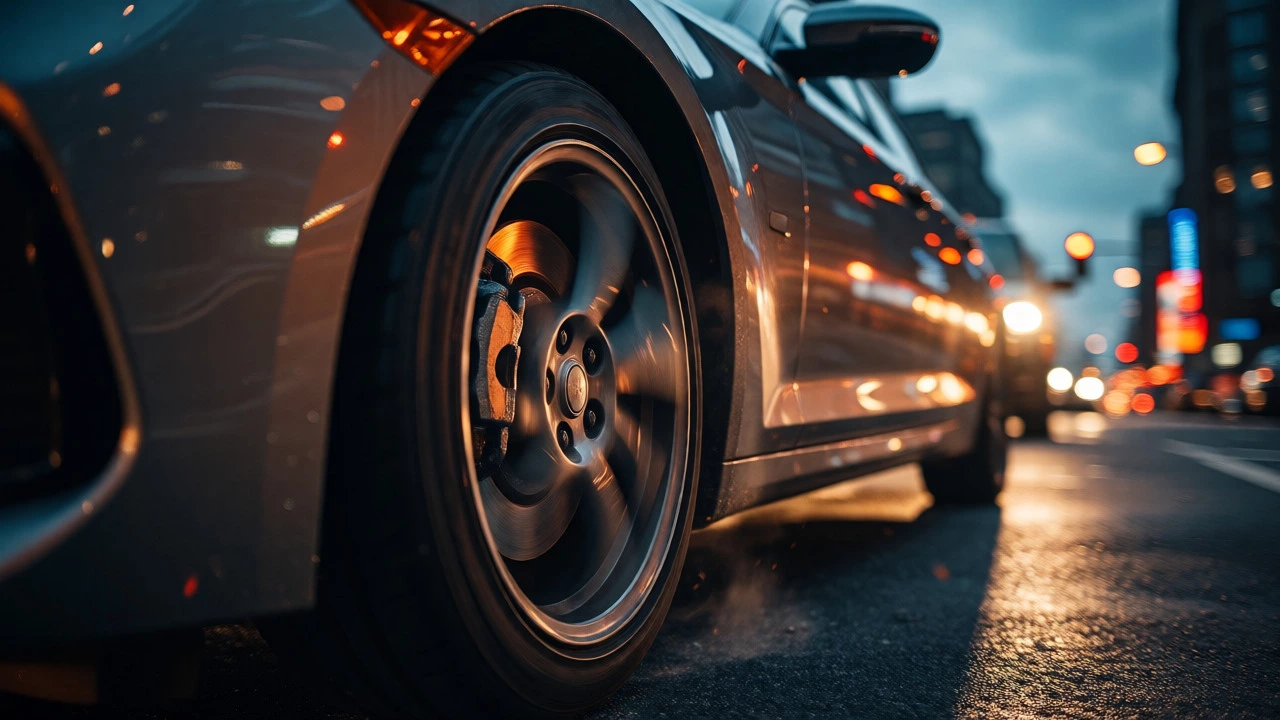
But visual checks are more reliable than ears alone. Next time you wash your car, take a peek through the spokes of your wheels. You don’t need to remove the wheel to see the pad thickness. Look for the friction material sandwiched between the caliper and the rotor.
| Pad Thickness (mm) | Status | Action Required |
|---|---|---|
| 10 - 12 mm | New/Optimal | No action needed. |
| 6 - 9 mm | Healthy Wear | Monitor during next service. |
| 3 - 5 mm | Warning Zone | Plan replacement within 1,000-2,000 miles. |
| < 3 mm | Critical | Replace immediately. Risk of rotor damage. |
A good rule of thumb: if the friction material looks thinner than the metal backing plate itself, you are in the danger zone. Don’t guess-measure it with a flashlight and a ruler if you’re unsure.
Factors That Accelerate Wear
Why does your friend’s truck last 60,000 miles while yours barely hits 30,000? It comes down to physics and chemistry. Several specific variables drastically cut down brake pad life.
Driving Style is the biggest culprit. "Riding the brakes"-keeping slight pressure on the pedal while driving-keeps the pads hot and in constant contact with the rotors. This causes overheating, which can break down the binder resins in the pad material. Similarly, tailgating forces you to brake harder and more frequently, increasing thermal stress.
Pad Material Type also dictates longevity. There are three main types, each with trade-offs:
- Organic (NAO): Made from rubber, glass, and resin. They are quiet and soft on rotors but wear out fastest, typically lasting 20,000-30,000 miles.
- Semi-Metallic: Contain steel wool and copper. They handle heat better and last longer (30,000-50,000 miles) but can be noisier and produce more dust.
- Ceramic: Dense and durable. They offer the longest life (40,000-70,000+ miles), minimal dust, and quiet operation. However, they cost more upfront and may fade under extreme racing-style heat.
If you drive a heavy SUV or tow a boat, organic pads might feel great initially but fail quickly. Switching to ceramic or semi-metallic compounds could double your interval between replacements.
The Cost of Waiting Too Long
Procrastinating on brake pad replacement is a classic case of "penny wise, pound foolish." When pads wear completely away, the metal backing plate grinds directly against the brake rotor. This creates deep grooves and warps the rotor due to excessive heat.
Replacing just pads might cost $150-$300 per axle. But if you ruin the rotors, you’re looking at $300-$600 per axle because you now have to buy and machine or replace the rotors as well. In severe cases, the heat can damage the calipers, pushing costs toward $800+ per axle. Always check rotor condition when replacing pads; if they are scored or below minimum thickness, replace them together to ensure proper bedding-in.
How to Extend Brake Pad Life
You can’t make pads last forever, but you can squeeze more miles out of them with simple habit changes. These tactics reduce friction heat and mechanical stress.
- Anticipate Stops: Lift off the accelerator early when approaching red lights. Coasting uses engine braking and reduces the need for hard pedal application.
- Use Engine Braking: On downhill slopes, shift to a lower gear instead of riding the brakes. This lets the engine absorb kinetic energy rather than converting it all to heat in the brakes.
- Keep Distance: Maintaining a safe following gap prevents sudden, emergency stops that spike pad temperature and wear.
- Regular Inspections: Check pads every oil change. Catching wear at 4mm is cheaper and safer than catching it at 1mm.
Also, consider your environment. Salted roads in winter can corrode caliper slides, causing uneven pad wear. Washing your wheels regularly helps prevent this buildup, ensuring pads retract properly after braking.
Frequently Asked Questions
Can I drive with worn brake pads?
You can drive briefly if the pads are still above 3mm, but it becomes risky once you hit the wear indicators. Below 3mm, you risk damaging rotors and losing braking efficiency. If you hear grinding, stop driving immediately and have the car towed or driven slowly to a shop.
Do front or rear brake pads wear faster?
Front brake pads almost always wear faster than rear ones. During braking, vehicle weight shifts forward, placing up to 70% of the stopping load on the front wheels. It’s common to replace front pads twice for every one rear replacement.
How much does it cost to replace brake pads?
Costs vary by vehicle and location. DIY parts typically range from $50 to $150 per axle. Professional installation adds labor costs, bringing the total to $150-$300 per axle for pads only. If rotors need replacement, add $100-$200 per axle.
Is it normal for new brake pads to smell?
Yes, a mild chemical odor is normal for the first few hundred miles as the pads bed in. However, a strong, burning smell accompanied by pulsating pedals suggests overheating or stuck calipers, which needs immediate attention.
What happens if I ignore the squealing noise?
Ignoring the squeal leads to complete pad failure. The metal-on-metal contact destroys the rotor surface, leading to vibration, reduced braking power, and potentially cracked rotors. Repair costs triple compared to timely pad replacement.