Oil Change Overdue Risk Calculator
Enter your mileage details to see your engine's current health status.
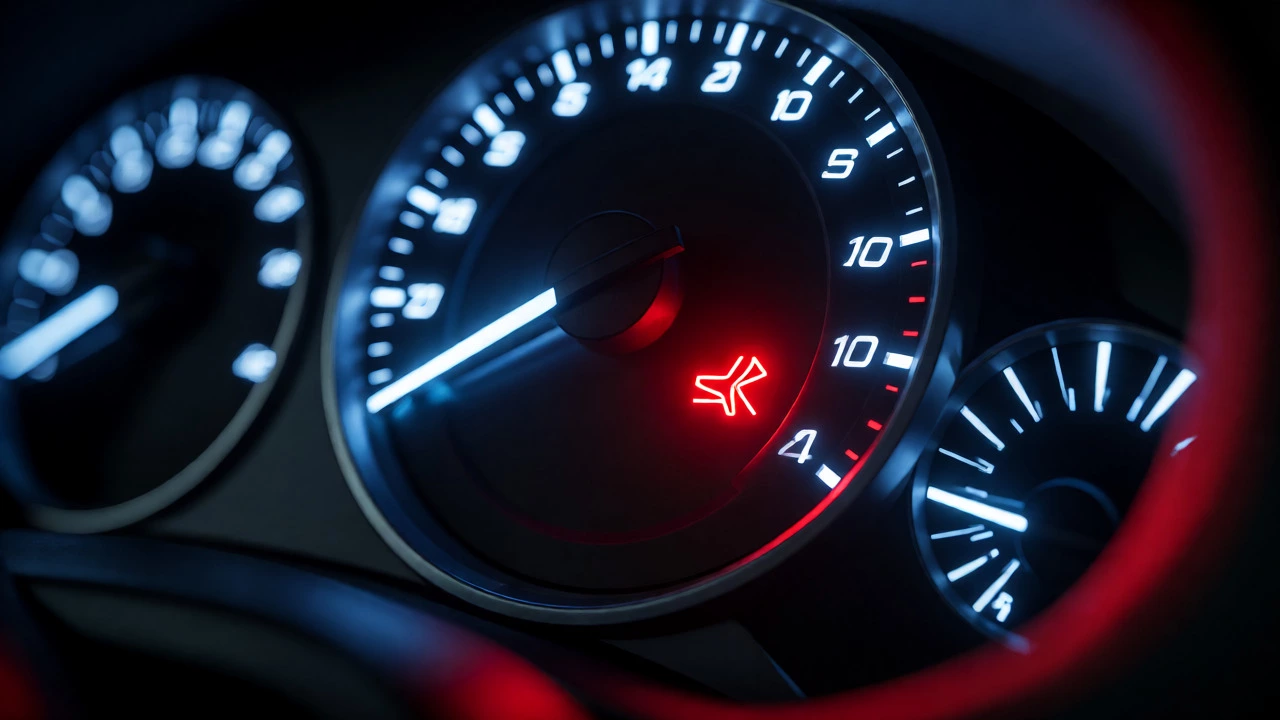
You check your dashboard and see the oil life monitor blinking red. Or maybe you just realized it’s been six months since you last visited the garage, and your mileage is way past the recommended interval. Panic sets in. Will your engine explode? Is your warranty voided? What exactly happens when you overdue for an oil change? The short answer: things get dirty, hot, and expensive. But let’s break down what’s actually happening under the hood so you know whether to rush to a mechanic or if you can breathe easy.
Key Takeaways
- Oil degrades: Additives that prevent corrosion and wear break down over time, not just with mileage.
- Sludge forms: Contaminants combine with oxidized oil to create thick sludge that blocks oil passages.
- Heat increases: Old oil loses its ability to transfer heat, leading to higher engine temperatures.
- Wear accelerates: Metal-on-metal contact begins once the protective film fails, causing permanent damage.
- Fixable early: If caught within 10-15% over the limit, a flush and new oil usually saves the day.
The Science of Engine Oil Degradation
Engine oil isn’t just a slippery liquid; it’s a complex chemical cocktail. It contains base oils (mineral or synthetic) mixed with additives like detergents, dispersants, anti-wear agents, and antioxidants. These ingredients have a shelf life inside your engine. Even if you barely drive your car, time breaks them down. Oxidation occurs when oil reacts with oxygen, especially at high temperatures. This process turns fresh, amber-colored oil into a dark, acidic substance. Engine Oil is a lubricant used in internal combustion engines to reduce friction, cool components, clean contaminants, and protect against corrosion. Its primary function relies on maintaining a specific viscosity at operating temperature . When you go overdue, these additives are exhausted. The detergent can no longer suspend dirt particles. The anti-wear agent (often zinc or phosphorus compounds) has been consumed by metal surfaces. The result? Your oil stops protecting your engine and starts contributing to its decline.
Stage 1: Viscosity Breakdown and Thinning
Initially, you might notice nothing wrong. The car drives fine. But internally, the oil’s viscosity index-the measure of how much its thickness changes with temperature-is failing. Modern multi-grade oils (like 5W-30) use polymers to stay thin when cold and thick when hot. As these polymers shear apart due to mechanical stress and heat, the oil becomes too thin at operating temperatures. Thin oil means a weaker hydrodynamic film between moving parts. Imagine trying to slide two plates of glass together with water versus honey. Honey provides better cushioning. When your oil thins out, the gap between piston rings and cylinder walls, or crankshaft bearings and journals, gets smaller. Metal surfaces start getting closer. You might feel a slight increase in engine noise-a ticking or knocking sound-especially during acceleration. This is your first warning sign that the lubrication barrier is compromised.
Stage 2: Sludge Formation and Blockages
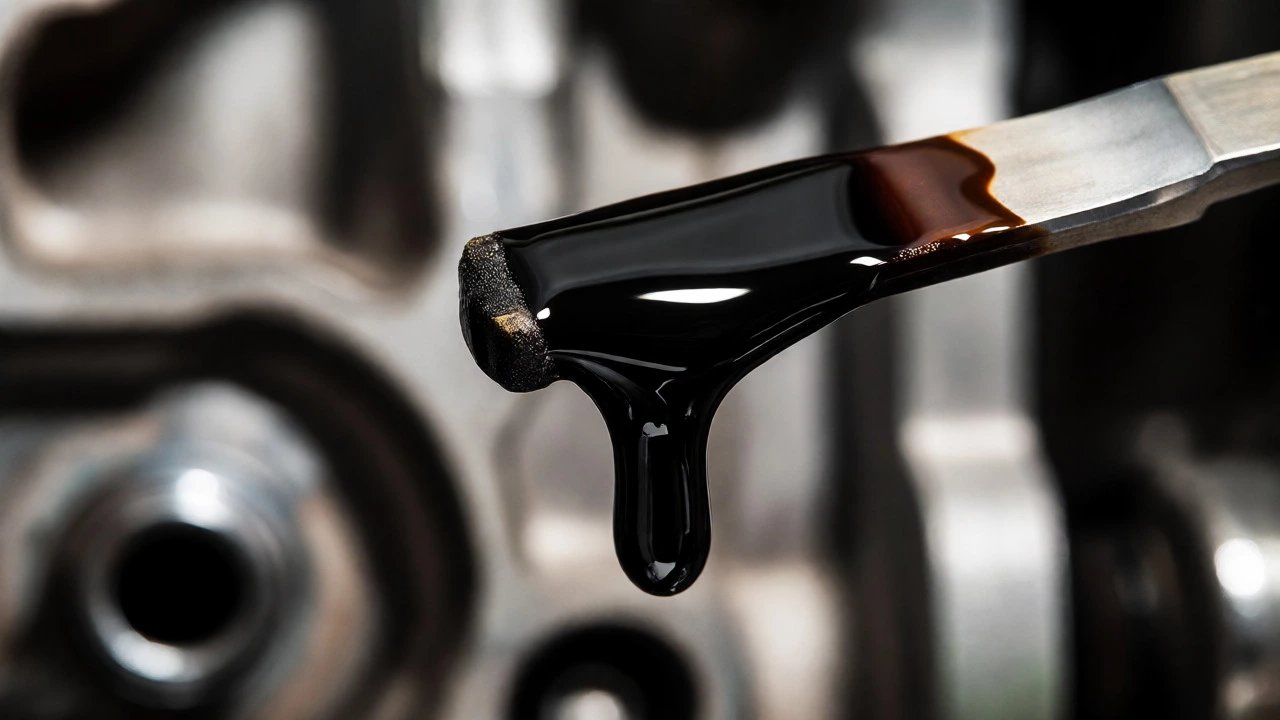
This is where things get messy. As oxidation progresses, the oil turns into varnish and eventually sludge. Sludge is a semi-solid, tar-like substance made of oxidized oil, fuel residues, coolant leaks, and dirt. It doesn’t flow like liquid oil; it clumps together. Where does this sludge go? It clogs the oil pickup screen in the sump. It blocks narrow oil galleries that feed critical components like the camshafts and turbocharger bearings. In severe cases, it restricts the oil pump’s ability to circulate fluid. Think of it as arterial plaque in a human heart. Blood still flows, but pressure builds up, and vital organs don’t get enough supply. If you open your oil filler cap and see a brown, gelatinous coating instead of clean metal, you have sludge. This stage often correlates with missed service intervals exceeding 20-30% of the manufacturer's recommendation. At this point, simply draining the old oil might not be enough because the sludge remains stuck to engine walls.
Stage 3: Heat Buildup and Component Wear
Oil does more than lubricate; it cools. Up to 40% of an engine’s heat removal happens via the oil system. When oil degrades, its thermal conductivity drops. Combined with sludge blocking oil flow to hot spots, engine temperatures rise. You might see your temperature gauge creep toward the red zone, even in mild weather. Higher temperatures accelerate further oil breakdown, creating a vicious cycle. Meanwhile, lack of proper lubrication leads to abrasive wear. Piston rings lose their seal, allowing blow-by gases into the crankcase. Bearings begin to score. Cam lobes flatten. These are physical damages that don’t reverse themselves. A scored bearing will vibrate forever. Worn rings will consume oil until rebuilt. For turbocharged engines, the risk is even higher. Turbos spin at over 100,000 RPM and rely entirely on oil for cooling and lubrication. A few thousand miles overdue can starve a turbo bearing, causing it to seize or leak oil into the intake tract. That white smoke from your exhaust? That’s likely burning oil from a failed turbo seal.
Comparison: Fresh vs. Degraded Oil Properties
To visualize the difference, consider the attributes of fresh versus severely overdue oil. This table highlights why skipping a change matters.
| Attribute | Fresh Oil | Overdue Oil (>10k miles over) |
|---|---|---|
| Viscosity Stability | Maintains grade (e.g., 30 weight at 100°C) | Thins significantly (acts like 10-15 weight) |
| Total Base Number (TBN) | High (neutralizes acids effectively) | Near zero (acidic, causes corrosion) |
| Contaminant Load | Low (<1% particulates) | High (>5% soot, metal, silica) |
| Appearance | Translucent amber/brown | Opaque black, possibly gritty |
| Cooling Efficiency | Optimal heat transfer | Poor, leads to hotspots |
How Far Is Too Far? Deciding When to Act
Not all overdue intervals are created equal. Here’s a rough guide based on typical driving conditions and oil types:
- Within 10% over limit: Likely no harm. Synthetic oils are robust. Change it immediately, but don’t panic about internal damage.
- 10-20% over limit: Risky territory. Additives are mostly gone. Inspect for sludge. Consider an engine flush before adding new oil.
- 20-50% over limit: High probability of sludge and accelerated wear. A simple drain-and-fill might leave contaminants behind. Professional cleaning may be needed.
- Over 50% overdue: Significant damage likely. Check for oil consumption, noise, and low pressure. An engine teardown inspection might reveal scored bearings or worn rings.
Can You Fix It? Repair Options
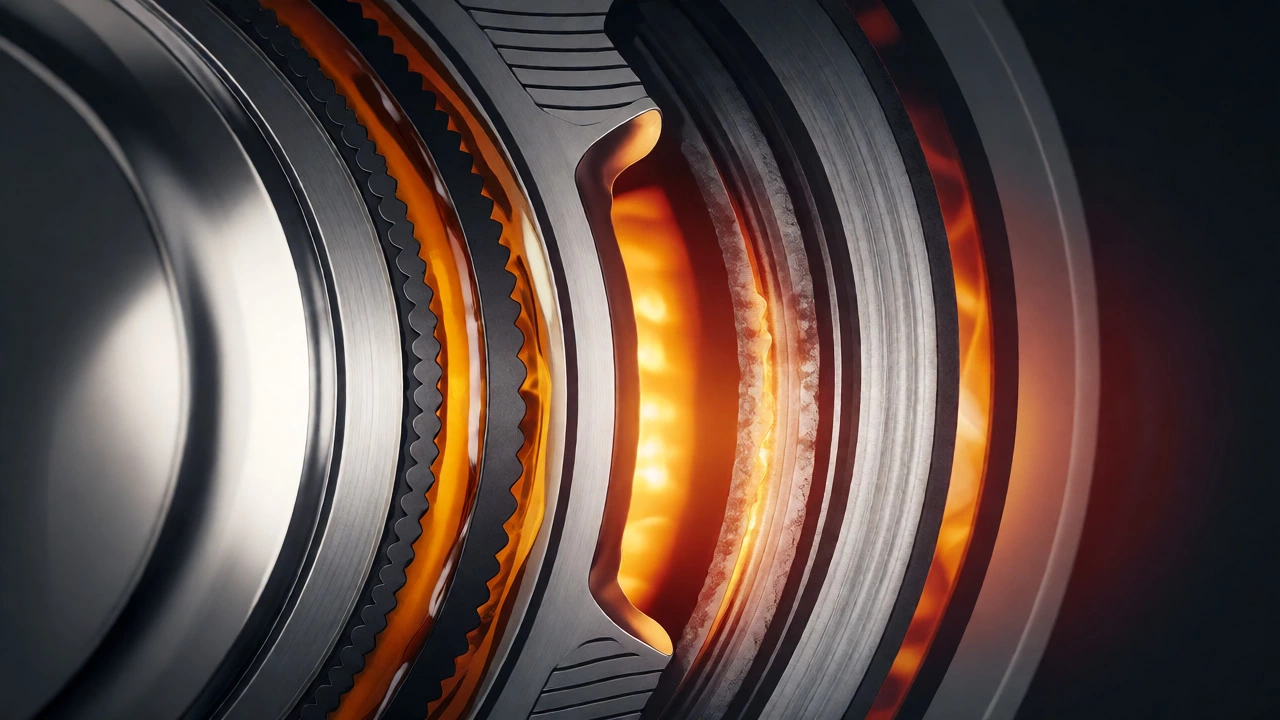
If you’ve gone overdue, here’s what you should do next. Don’t just dump new oil in without thinking. 1. **Check the Dipstick:** Look at the color and texture. Gritty? Milky (coolant leak)? Thick? This tells you the severity. 2. **Consider an Engine Flush:** For moderate sludge, a chemical flush added before draining can help dislodge deposits. Use reputable brands like Liqui Moly or STP. Avoid aggressive solvents if the engine is very old with high mileage, as they might dislodge large chunks that block the oil filter bypass valve. 3. **Change Filter Twice:** Sometimes, one filter isn’t enough to catch all the debris released during a late change. Some mechanics recommend changing the oil filter again after 500 miles to catch lingering contaminants. 4. **Monitor Pressure and Noise:** After the change, listen closely. If ticking persists, you might have pre-existing wear. If oil pressure stays low, the pump or bearings could be damaged. In some cases, switching to a higher viscosity oil (e.g., from 5W-30 to 10W-40) can compensate for worn clearances, but only consult your owner’s manual or a trusted mechanic first.
Prevention: Staying Ahead of the Curve
The best repair is prevention. Modern cars have sophisticated oil life monitoring systems (OLMS), but they aren’t perfect. They estimate based on RPM, temperature, and load, but they don’t test the oil chemically. Trust your senses and your calendar. * **Use Quality Oil:** Cheap mineral oils degrade faster. Full synthetic oils resist oxidation and maintain viscosity longer. * **Stick to Intervals:** If your manual says 10,000 miles, don’t push 15,000 unless you’re certain of your driving habits. * **Check Monthly:** A quick dipstick check costs nothing and catches issues early. Look for level drops or color changes. * **Address Leaks Immediately:** Low oil levels concentrate contaminants and reduce cooling capacity. Remember, an oil change costs £50-£80. A new engine costs £3,000+. The math is simple.
Frequently Asked Questions
Is it bad to go 1,000 miles over my oil change?
Generally, no. Most modern synthetic oils have a safety margin built in. Going 1,000 miles over is unlikely to cause significant damage, provided you haven't ignored other warnings like low oil lights. However, you should schedule a change as soon as possible to restore optimal protection.
Does going overdue void my car warranty?
It depends on the manufacturer. Many warranties require strict adherence to service schedules. If you miss an oil change and later claim an engine failure, the dealer may deny the claim, arguing neglect caused the issue. Always keep records of services performed, even if done independently.
What does sludgy oil look like?
Sludge looks like chocolate pudding or thick tar. It’s opaque, dark brown or black, and doesn’t drip easily off the dipstick. If you see this on the underside of your oil filler cap, your engine is accumulating harmful deposits that need attention.
Can I just add new oil to top it up?
No. Topping up dilutes the remaining contaminants but doesn’t remove them. The old, degraded oil still lacks additives and contains abrasive particles. You must drain the old oil completely to reset the additive package and remove suspended dirt.
How long can I drive with the oil light on?
The oil pressure light indicates a critical failure. Stop driving immediately. Continuing to drive can destroy the engine in minutes. This is different from the "change oil" reminder light, which allows for some flexibility.