Clutch Problem Checker
Use this tool to assess if your clutch is slipping. Select symptoms you're experiencing to get your risk assessment.
Diagnostic Test (Recommended)
Park on flat surface, engage handbrake, put in third gear, slowly release clutch while giving gas.
If your car feels like it’s losing power when you accelerate - especially when climbing a hill or pulling away from a stop - you might be dealing with a slipping clutch. It’s one of those problems that creeps up slowly, and by the time you notice it clearly, you’re already on the edge of a costly repair. A slipping clutch doesn’t always scream for attention. Sometimes it just whispers: a weird smell, a lag in response, or a sudden drop in fuel efficiency. But if you catch it early, you can avoid a full clutch replacement or worse - getting stranded on the side of the road.
1. Engine Revs Without Acceleration
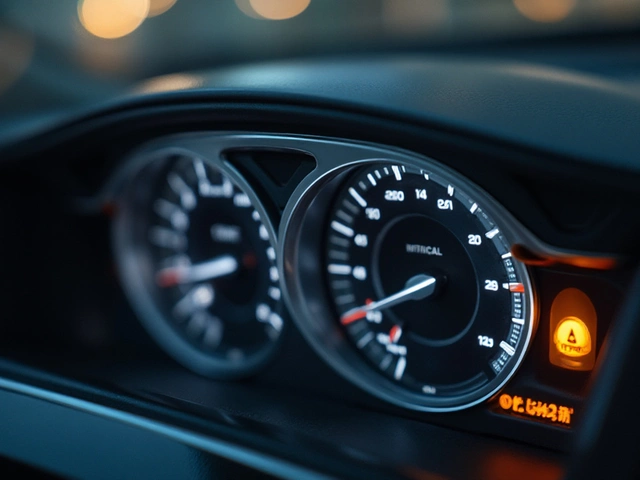
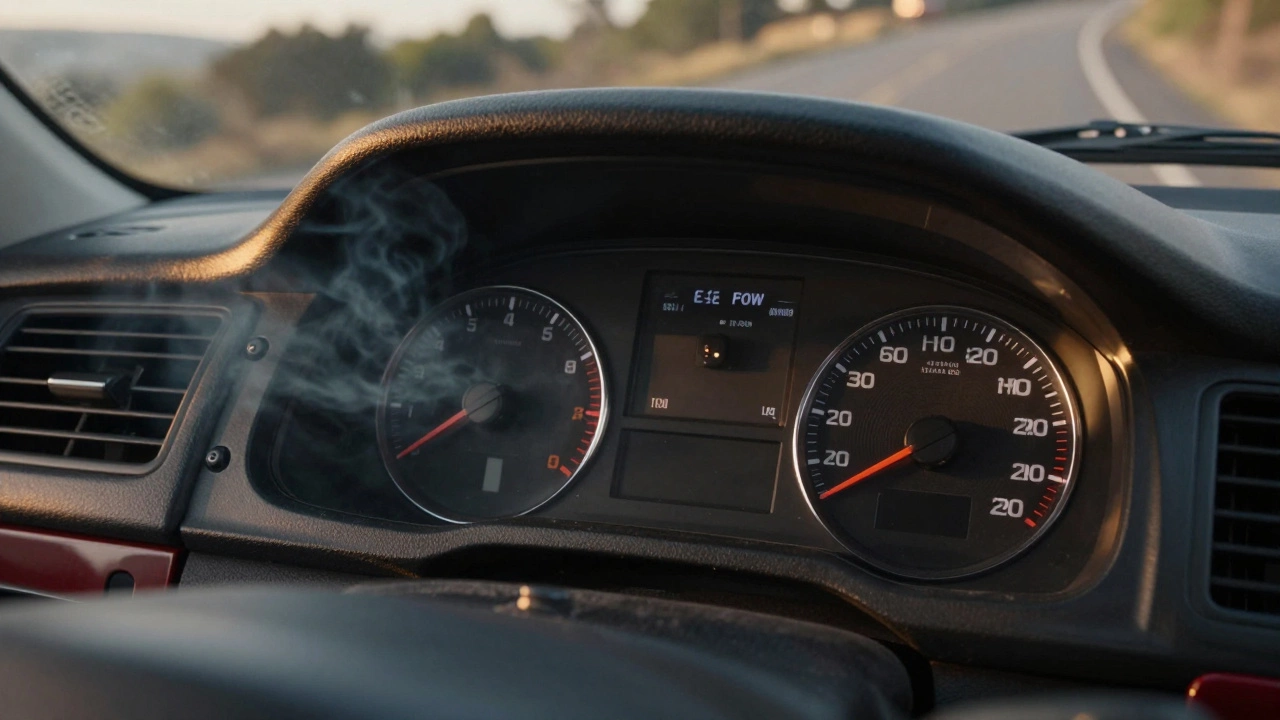
This is the most obvious sign. You’re in gear, pressing the accelerator, and the engine RPM climbs sharply - but the car doesn’t speed up like it should. It feels like the engine is working hard, but the power isn’t transferring to the wheels. You might be in third gear, flooring it on the highway, and instead of pulling harder, the car just sits there while the tachometer jumps. That’s not turbo lag. That’s your clutch disc losing grip on the flywheel. The friction material is worn down, and the pressure plate can’t hold it tight anymore.
2. Burning Smell Coming from the Clutch Area
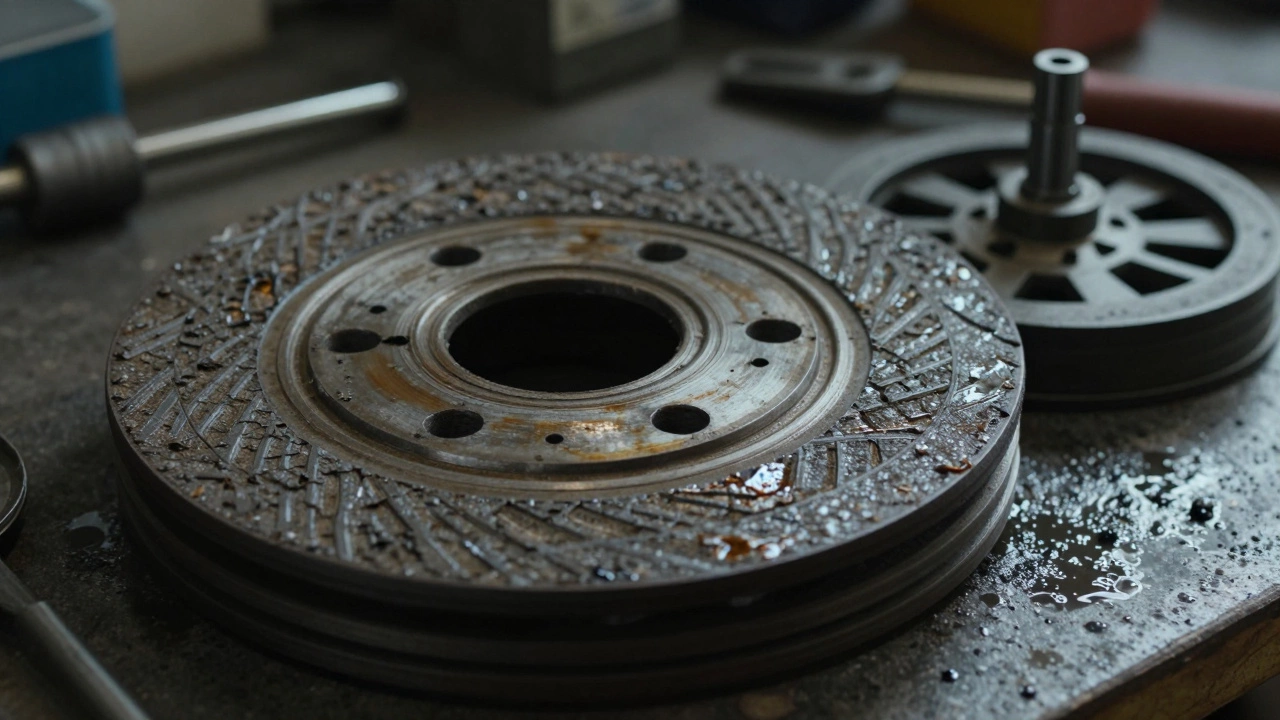
Clutches don’t normally smell. If you catch a sharp, acrid odor - like burning plastic or overheated brakes - especially after heavy use (towing, hill starts, stop-and-go traffic), it’s a red flag. This smell comes from the clutch disc overheating because it’s slipping and rubbing against the flywheel instead of locking in cleanly. The friction material is literally cooking. Once you start smelling this, you’re in the final stages before total failure. Don’t ignore it. That smell isn’t just unpleasant - it’s a warning that your clutch kit is nearing the end of its life.
3. Difficulty Shifting Gears
A healthy clutch lets you shift smoothly between gears with minimal effort. If you’re struggling to get into gear - especially first or reverse - or you hear grinding noises when you try, the clutch isn’t fully disengaging. This can happen when the clutch disc is glazed or the release bearing is failing. Sometimes, the pedal feels spongy or goes all the way to the floor before engaging. These aren’t just annoyances. They’re symptoms of internal wear in the clutch assembly. A worn clutch cable, hydraulic leak, or damaged pressure plate can all contribute.
4. Clutch Pedal Feels Different
Pay attention to how the pedal feels under your foot. If it suddenly feels higher - you have to press it much further down before it engages - or if it feels looser than before, something’s wrong. A healthy clutch has a firm, consistent feel. A slipping clutch often causes the engagement point to rise. You might find yourself driving with your foot halfway down just to keep the car moving. This isn’t normal. It means the clutch disc is too thin to make proper contact. In manual cars, this change is one of the first clues that the clutch is wearing out.
5. Car Loses Power Under Load
Think about towing, hauling passengers, or driving up a steep incline. A healthy clutch handles this without flinching. A slipping clutch, however, struggles. You’ll notice the engine revs up but the car doesn’t respond. It’s like driving with the parking brake partially on. If you’ve always been able to climb a hill in fourth gear and now you have to drop to second just to make it, that’s a classic slipping clutch symptom. The clutch can’t transmit enough torque to the wheels under pressure, so it slips instead of gripping.
6. Unusual Noises When Engaging the Clutch
Chirping, squeaking, or grinding sounds when you press or release the clutch pedal aren’t normal. A worn release bearing (also called a throw-out bearing) is often the culprit. It’s a small part, but it’s critical. When it fails, it doesn’t just make noise - it can damage the pressure plate or clutch fork. You might also hear a rattling sound when the clutch is disengaged. These noises aren’t just annoying. They’re signs that components inside the clutch kit are wearing unevenly or breaking down. Ignoring them can lead to sudden clutch failure.
7. Fuel Economy Drops Suddenly
Clutch slipping isn’t just about performance - it’s about efficiency. When the clutch slips, the engine works harder to move the car. That means more fuel burned for less distance. If you’ve noticed your MPG dropping without changing your driving habits, it could be the clutch. You’re not losing power because of a bad fuel injector or clogged air filter - you’re losing it because the engine’s power is being wasted as heat instead of motion. Track your fuel usage over a few tanks. A consistent drop of 10-15% without explanation is a strong indicator of clutch wear.
What Causes a Clutch to Slip?
Clutch kits are designed to last 60,000 to 100,000 miles, but driving habits matter more than mileage. If you ride the clutch - meaning you keep your foot on the pedal while stopped or partially engage it to creep forward - you’re wearing it out faster. Frequent hill starts, heavy towing, and aggressive stop-and-go driving in city traffic also accelerate wear. Poor quality aftermarket clutch kits can fail in under 30,000 miles. Original equipment manufacturer (OEM) parts are built to last longer and handle heat better. If your clutch failed early, check what brand was installed.
How to Confirm It’s the Clutch (and Not Something Else)
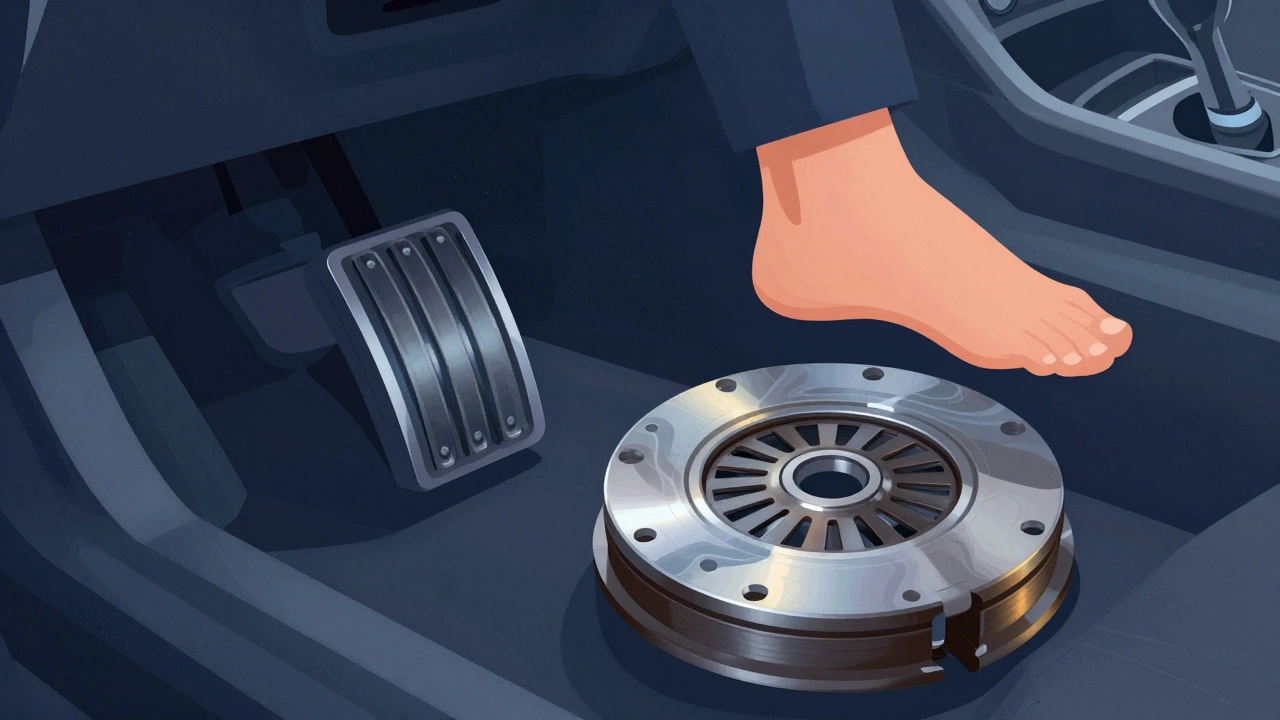
Before you assume the clutch is bad, rule out other issues. A weak transmission fluid (in some older manual cars), a faulty throttle position sensor, or even a clogged fuel filter can mimic clutch symptoms. The easiest way to test is this: park on a flat surface, engage the handbrake, put the car in third gear, and slowly release the clutch while giving it gas. If the engine stalls, the clutch is still holding. If the engine revs up and the car doesn’t move - or if it moves very slowly - then the clutch is slipping. This test won’t hurt the engine if done briefly. But don’t repeat it more than twice. It’s a diagnostic tool, not a party trick.
What Happens If You Ignore It?
Driving with a slipping clutch won’t immediately break your car - but it will make things worse. The more you drive with a slipping clutch, the more heat builds up in the flywheel. That can warp it. A warped flywheel means you’ll need a new one along with the clutch kit - doubling your repair cost. You might also damage the pressure plate or release bearing. Eventually, the clutch will fail completely. You’ll be stuck. No gear will work. You’ll have to get towed. And if you’re lucky, you’ll catch it before the damage spreads to the transmission.
When to Replace the Clutch Kit
If you’ve noticed two or more of these symptoms, it’s time to get it checked. Most mechanics will recommend replacing the entire clutch kit - clutch disc, pressure plate, and release bearing - all at once. Even if only one part looks worn, the others are likely close behind. Replacing them separately is a false economy. Labor costs make up most of the bill. Doing it once is cheaper than doing it twice. Expect to pay between £400 and £800 in the UK, depending on your car model. High-performance or luxury vehicles will cost more. Always use OEM or reputable aftermarket brands like LUK, Sachs, or Valeo.
Preventing Future Clutch Problems
Here’s how to make your next clutch last longer:
- Don’t rest your foot on the clutch pedal while stopped - even slightly.
- Use the handbrake on hills instead of holding the car with the clutch.
- Avoid “riding” the clutch in traffic - shift to neutral and release the pedal.
- Don’t rev the engine aggressively when starting from a stop.
- Get regular inspections if you drive in heavy traffic or tow regularly.
Clutches aren’t glamorous, but they’re essential. Treat them right, and they’ll carry you for years. Ignore the signs, and you’ll pay for it - in money, time, and stress.
Can a slipping clutch fix itself?
No, a slipping clutch cannot fix itself. The friction material on the clutch disc is worn away and cannot regenerate. Once it starts slipping, the damage only gets worse with continued use. The only solution is to replace the clutch kit.
How long does a clutch last on average?
Most clutches last between 60,000 and 100,000 miles, but this varies heavily based on driving habits. Aggressive driving, frequent towing, or city traffic with lots of stop-and-go can cut that to 30,000-50,000 miles. Gentle driving on open roads can extend life beyond 120,000 miles.
Is it safe to drive with a slipping clutch?
It’s not safe to drive long distances with a slipping clutch. While you might be able to limp home for a few miles, continued use risks damaging the flywheel, pressure plate, or even the transmission. You could also get stuck in traffic or on a hill with no way to move. It’s better to get it repaired before it leaves you stranded.
Can I replace just the clutch disc and not the pressure plate?
Technically, yes - but it’s not recommended. The pressure plate and release bearing wear out at similar rates. Replacing only the disc means you’re likely to need the whole kit again in a few months. Labor costs are high, so doing it once is cheaper than doing it twice. Always replace the full clutch kit.
What’s the difference between OEM and aftermarket clutch kits?
OEM (Original Equipment Manufacturer) clutch kits are made to the same specs as the parts your car came with. They’re designed for balance between durability and smooth operation. Aftermarket kits vary. Some are high-performance (better for racing, worse for daily driving) and others are cheap knock-offs that wear out quickly. Stick with trusted brands like Sachs, LUK, or Valeo for reliable performance.