Wiper Blade Compatibility Checker
Find Your Perfect Wiper Blades
Select your vehicle details to get recommended wiper blade sizes and types that match your specific car model. Avoid mismatched blades that cause streaking, noise, or poor visibility.
Front Blades
Rear Blades (if applicable)
Best Blade Type
Why This Matters
Using correctly sized and matched blades ensures even pressure across your windshield, preventing streaks, noise, and poor visibility. For UK weather conditions, beam blades are generally recommended for better performance in rain and cold temperatures.
Important Safety Note
Even if one blade is still working, driving with mismatched wipers can cause uneven wiping patterns and may damage your wiper motor. Always replace both wipers at the same time.
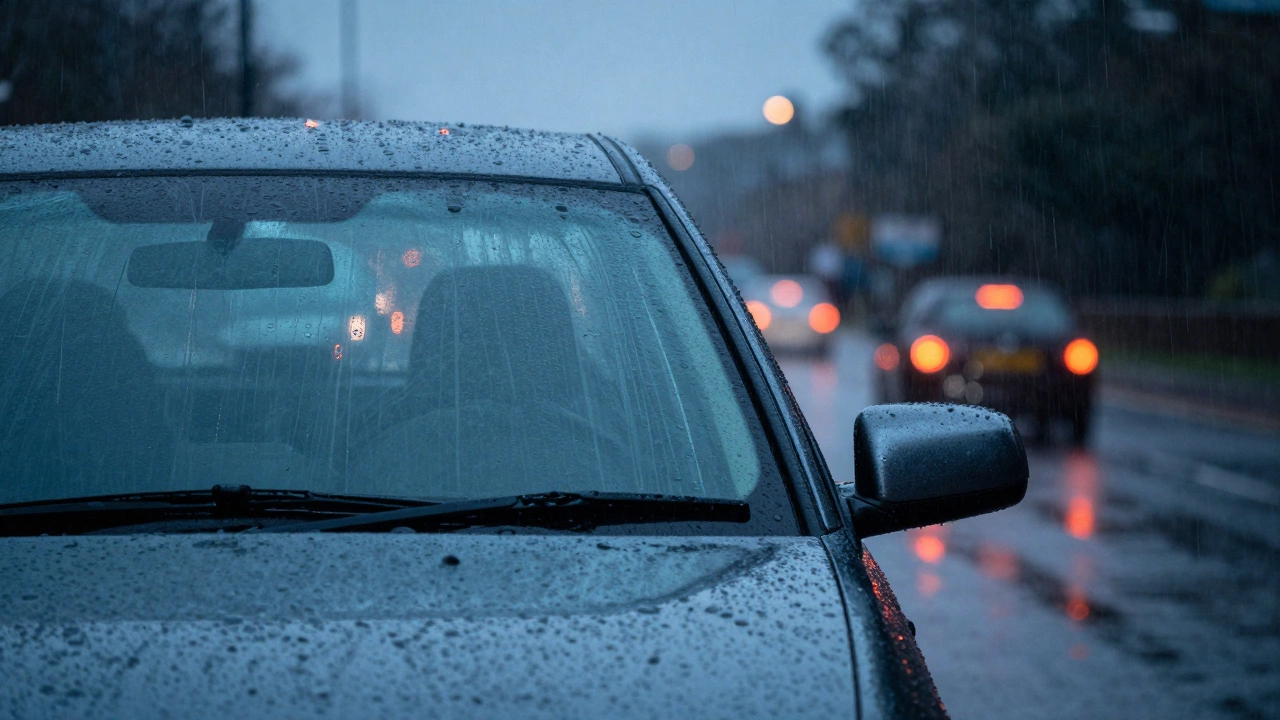
Ever been driving in the rain and your windscreen wipers smear water instead of clearing it? Or worse - they chatter, skip, or stop mid-swing? It’s not just annoying. It’s dangerous. On a wet road in the UK, clear vision isn’t optional. It’s the difference between getting home safely and ending up in a ditch. Most people blame the rain, but the real problem is almost always the wipers themselves.
Why Windscreen Wipers Fail So Often
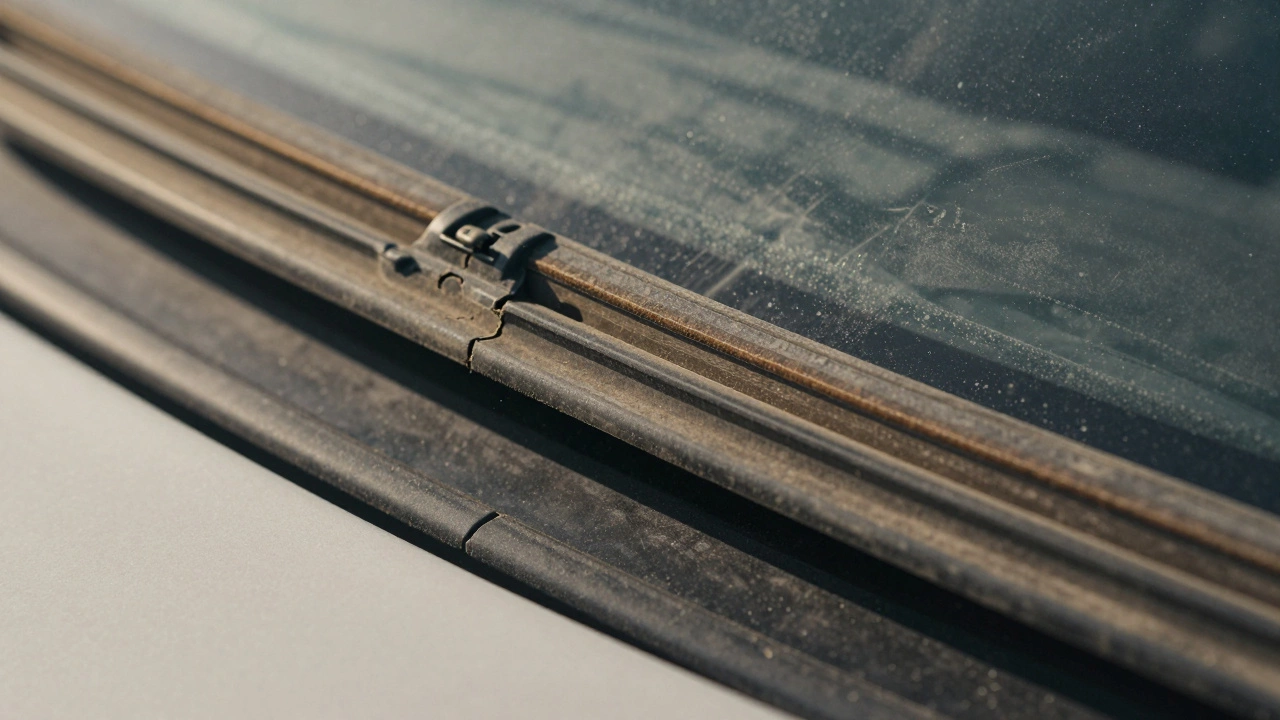
Windscreen wipers are simple, but they’re under constant stress. Every time you turn them on, rubber blades drag across glass at high speed, exposed to sun, ice, dirt, and road salt. Over time, that rubber hardens, cracks, or tears. The metal arms bend. The motor gets weak. And you don’t notice until you need them most.The average wiper blade lasts 6 to 12 months. But in places like Bristol, where winters are damp and summers bring UV damage, they wear out faster. A 2023 AA survey found that 42% of UK drivers had wipers older than 18 months. That’s not just outdated - it’s a safety risk.
Top 5 Problems with Windscreen Wipers
- Streaking and smearing - This is the most common sign of worn blades. Rubber loses its flexibility and can’t conform to the curve of the windscreen. Dirt builds up on the edge, leaving cloudy streaks even after a single swipe.
- Noisy operation - Chattering, squeaking, or skipping means the blade isn’t making even contact. Could be a bent arm, a dirty windscreen, or a blade that’s too stiff for the temperature.
- Incomplete coverage - If there’s a patch of glass you can’t clear, the wiper arm might be bent, or the blade is misaligned. Sometimes the mounting point has corroded, letting the blade tilt at an angle.
- Wipers stopping mid-swipe - If the blades pause or don’t return to the resting position, the motor or gearbox is failing. This often happens after repeated overloads, like trying to clear ice without preheating the screen.
- Blades lifting off at speed - At motorway speeds, aerodynamic lift can cause blades to lose contact. Cheaper blades lack proper aerodynamic design or pressure distribution. This is especially common on SUVs and hatchbacks with flatter windscreens.
What Causes These Problems?
It’s not just age. Several factors make wiper failure worse:- UV exposure - Sunlight breaks down rubber polymers. A blade left in direct sunlight for months becomes brittle. Even parked cars in driveways aren’t safe.
- Winter grime - Road salt, sand, and oil mix with rain and stick to the glass. When you wipe over it, the grit acts like sandpaper on the rubber edge.
- Wrong blade type - Some drivers buy cheap, universal blades that don’t match the curvature of their windscreen. Result? Poor contact and uneven pressure.
- Ignoring the frame - Most people replace the blade but forget the arm. A bent arm won’t fix itself. It needs replacing too.
- Using wipers on a dry screen - Every time you swipe without washer fluid, you’re grinding dirt into the rubber and scratching the glass.
How to Check Your Wipers Right Now
You don’t need tools. Just do this:- Wash your windscreen with soapy water and rinse it clean. Dry it with a microfiber cloth.
- Turn on the wipers with washer fluid engaged. Watch how they move.
- Look for gaps in coverage - especially near the edges and corners.
- Listen for squeaks or skips. If you hear them, the blade isn’t gripping evenly.
- Check the rubber edge. Run your finger along it. If it’s cracked, hardened, or has chunks missing, it’s done.
- Look at the metal arms. Are they rusted? Do they feel loose when you wiggle them?
If any of these signs show up, don’t wait for the next storm. Replace them now.
Choosing the Right Replacement Blades
Not all blades are the same. Here’s what actually matters:| Type | Best For | Pros | Cons |
|---|---|---|---|
| Traditional Frame-Style | Older cars, budget buyers | Cheap, easy to install | Prone to ice buildup, less aerodynamic |
| Beam Blades | Modern cars, UK weather | Even pressure across curve, no ice buildup, quieter | More expensive, harder to find for older models |
| Hybrid Blades | Drivers who want balance | Frame support + rubber aerodynamic design | Mid-range price, still vulnerable to extreme cold |
For UK conditions, beam blades are the best choice. Brands like Bosch AeroTwin, Michelin Stealth, and Rain-X Latitude are proven to handle wet, cold, and gritty conditions better than generic ones. Avoid the £5 specials from petrol stations. They’re made to last one season - and often fail in the first rain.
How to Install New Wipers (Simple Steps)
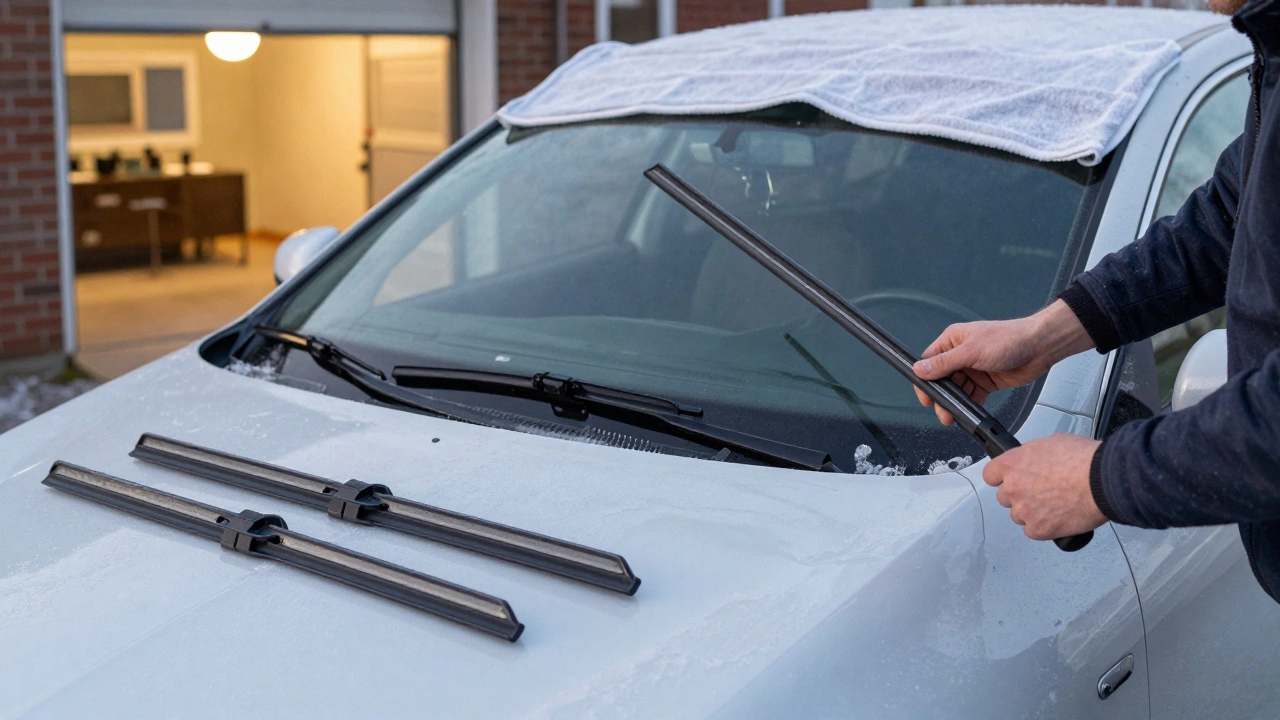
You don’t need a garage. Here’s how to do it in under 10 minutes:- Turn off the car and lift the wiper arm away from the glass.
- Find the release tab or button on the old blade - it’s usually near the connector.
- Press the tab and slide the old blade off the hook.
- Take the new blade and align it with the hook. Slide it on until you hear a click.
- Gently lower the arm back onto the windscreen.
- Turn on the washer fluid and test.
Pro tip: Always replace both blades at the same time. Even if one looks fine, the other is close to failing. Using mismatched blades causes uneven wiping and can damage the motor.
What to Do When the Wiper Motor Fails
If the blades don’t move at all - even after replacing the blades - the problem could be the motor. Signs include:- No sound when you turn them on
- One blade moves, the other doesn’t
- Wipers stop randomly or only work on one speed
Before replacing the motor, check the fuse. It’s often the culprit. Look in your owner’s manual for the fuse box location - usually under the bonnet or near the driver’s footwell. Replace the blown fuse with the same amp rating. If it blows again, the motor or wiring is faulty.
Replacing the motor is more complex. It’s behind the cowl panel, often requiring removal of the plastic trim. If you’re not comfortable with that, take it to a garage. A professional replacement costs between £120 and £250, depending on the car model.
Prevent Future Problems
The best fix is prevention:- Replace blades every 6-12 months - don’t wait for failure.
- Use washer fluid with anti-freeze in winter. Water alone can freeze and crack the system.
- Never use wipers to clear ice. Use a proper ice scraper instead.
- Wash your windscreen monthly. Dirt buildup accelerates blade wear.
- Park in a garage or cover the windscreen in winter. Even a towel helps reduce UV and frost damage.
Think of wiper blades like tyres. You wouldn’t drive on bald tyres in the rain. Don’t drive with worn wipers either.
Why do my windscreen wipers smear even after I replace them?
Smearing after replacement usually means the windscreen itself is dirty or scratched. Old blades leave behind a greasy film that sticks to the glass. Clean the screen with a dedicated windscreen cleaner or isopropyl alcohol. If the scratches are deep, you might need a professional polish or screen replacement.
Can I use any brand of wiper blades?
You can, but not all blades fit all cars. Always check the part number for your specific model. Some cars use a unique hook system or have curved arms that need specific blade shapes. Universal blades often don’t grip properly. Stick to OEM-recommended sizes or trusted brands like Bosch, Michelin, or Valeo.
Is it safe to drive with one broken wiper?
No. Driving with only one working wiper is dangerous and illegal in the UK under the MOT rules. Your windscreen must be clear on both sides. Even if you’re only driving short distances, visibility is compromised. Get both blades replaced immediately.
Why do my wipers only work on high speed?
This usually points to a faulty wiper switch or relay. The motor might still be fine, but the control circuit for low and intermittent speeds has failed. It’s often an electrical issue - check the fuse first, then the switch. If you’re not experienced with car electrics, get it diagnosed by a mechanic.
Do winter wiper blades really make a difference?
Yes. Winter blades have a rubber or silicone boot that covers the frame, preventing ice and snow from building up inside. Standard blades freeze, lose contact, and become useless. If you live in areas with snow or freezing rain, winter blades are worth the extra cost. Brands like Michelin and Bosch offer them specifically for UK winters.
Next Steps
If your wipers are old, noisy, or streaking - replace them now. Don’t wait for the next downpour. A new set costs less than £20 and takes 10 minutes. If you’ve already replaced them and the problem remains, clean your windscreen thoroughly or check the wiper arms. If the motor’s dead, don’t risk it - get it fixed before your next long journey.Good wipers aren’t a luxury. They’re your first line of defence in bad weather. Keep them in good shape, and you’ll keep your eyes on the road - not the streaks.