Windshield Wiper Position Advisor
Enter your current conditions to see if lifting your wipers is safe or risky.
Recommendation:
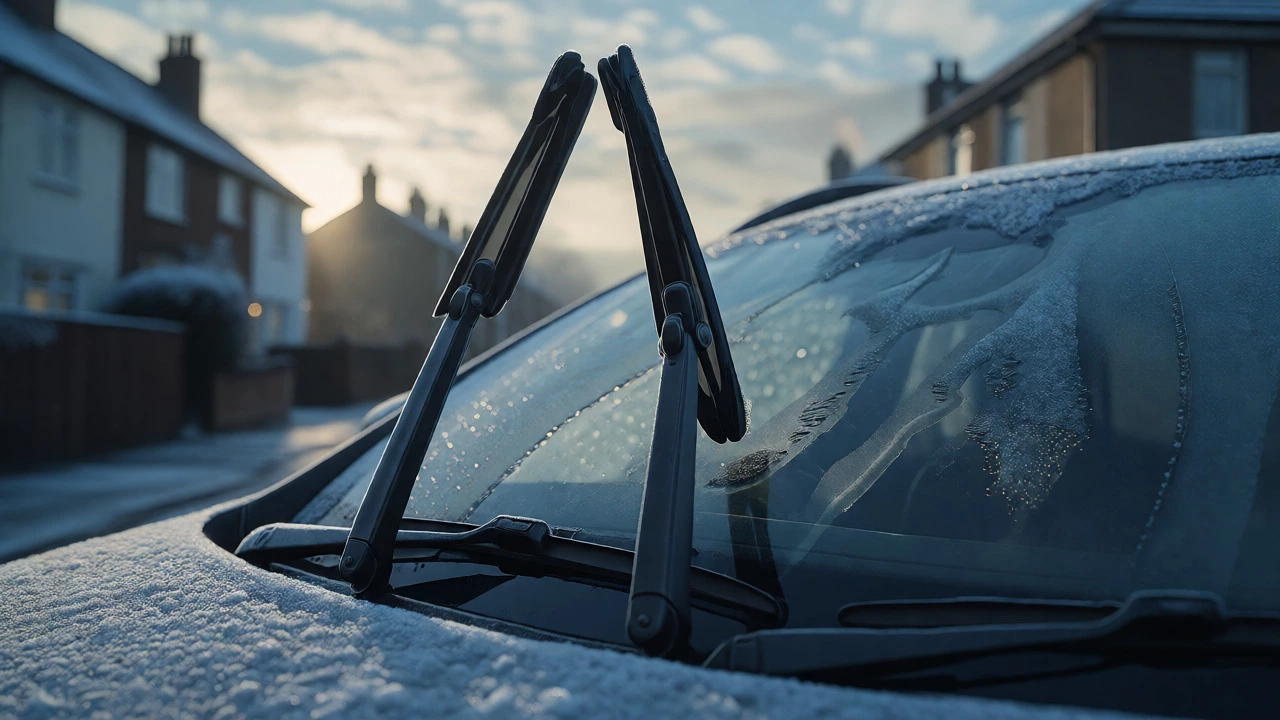
You’ve probably seen it at the supermarket or parked on the street: a car with its windshield wipers standing straight up like rabbit ears. Some drivers do it to keep the blades from freezing to the glass. Others think it looks cool. But is it actually good for your car, or are you accidentally damaging your vehicle?
The short answer? It depends entirely on why you’re doing it and how long they stay up. Leaving them up for an hour while you shop is fine. Leaving them up all night in a storm? That’s a recipe for broken springs. Let’s break down exactly when this trick helps and when it hurts.
Why People Lift Their Windshield Wipers
The main reason people lift their wiper arms is simple physics: heat transfer. If snow falls on your windshield and freezes, the rubber blade can bond directly to the glass. When you start your car the next morning and try to turn on the wipers, the motor strains against that ice bond. Sometimes, the blade tears. Other times, the linkage snaps.
By lifting the arm, you create a gap between the rubber and the glass. Even if snow piles up on the windshield, it doesn’t touch the blade edge. This makes clearing the ice easier because you aren’t fighting frozen rubber stuck to cold glass. It’s a legitimate hack for winter driving, especially in regions like Bristol where frost is common but heavy blizzards might be intermittent.
There’s also a secondary reason: preventing debris buildup. In windy areas, leaves and twigs get trapped under the resting blade. Over time, this grit acts like sandpaper on the windshield. Lifting the wipers prevents this contact, keeping the glass cleaner and reducing micro-scratches.
The Hidden Risks of Leaving Wipers Up
While the idea sounds logical, there’s a mechanical downside. The wiper mechanism relies on tension springs inside the pivot point. These springs are designed to hold the arm down with specific pressure-usually around 1 to 2 pounds per square inch-to ensure the blade wipes effectively.
When you lift the arm, you’re stretching that spring beyond its resting state. For a few hours, this is harmless. Metal springs have elastic limits well above normal usage. But leave them up for days or weeks, and two things happen:
- Spring Fatigue: Constant tension weakens the metal. Over months of repeated lifting, the spring loses its “memory.” It becomes less forceful. Result? Your wipers skip across the glass during rain, leaving streaks because they aren’t pressing hard enough.
- Arm Stress: The pivot joint isn’t designed to bear the weight of the arm hanging vertically for extended periods. In high winds, a raised wiper acts like a sail. A strong gust can bend the arm or snap the plastic clip holding the blade. Repairing a bent wiper arm often costs more than replacing the entire assembly.
If you live in a coastal area or somewhere prone to sudden storms, check your local weather forecast before deciding to leave them up overnight. A calm night is safe; a gale-force warning is not.
Winter vs. Summer: When Is It Safe?
Context matters. You wouldn’t treat your car the same way in January as you would in July. Here’s a quick guide to timing your wiper-lifting strategy.
| Season | Recommended Action | Reason |
|---|---|---|
| Deep Winter (Freezing) | Lift if snow/ice expected | Prevents blades from sticking to glass |
| Mild Winter (No Snow) | Leave Down | No risk of freezing; avoids spring stress |
| Summer (Hot Sun) | Leave Down (or Parked) | UV rays degrade rubber faster if exposed; wind damage risk |
| Stormy/Windy | Leave Down | Air resistance can bend arms or rip mounts |
In summer, leaving wipers up is generally a bad idea. Why? Two reasons. First, direct sunlight hits the entire length of the rubber blade. Rubber degrades under UV exposure. Keeping it folded against the glass (in the shade of the hood lip) or tucked under a cover protects it better. Second, summer thunderstorms bring high winds. A raised wiper catches the wind, creating leverage that can twist the arm out of alignment.

How to Properly Protect Your Blades
If you want to extend the life of your wiper blades without risking mechanical damage, consider these alternatives to simply popping them up.
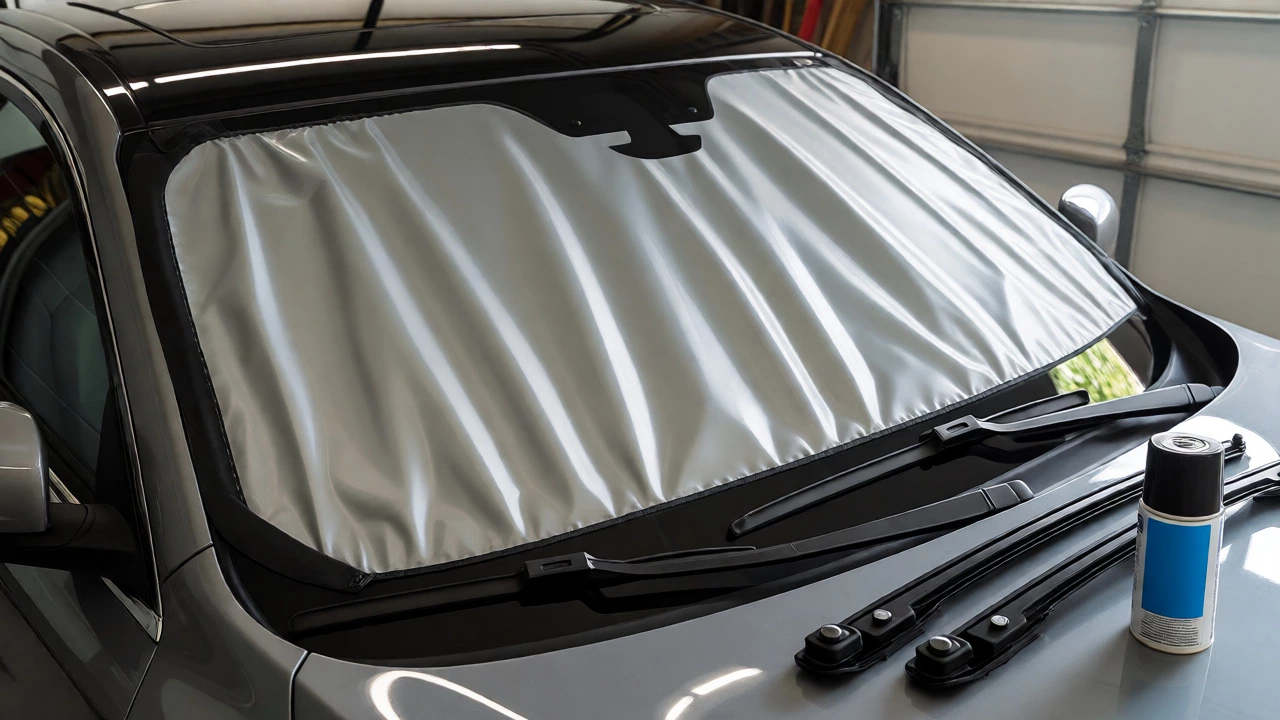
Use Windshield Covers: This is the gold standard. A fitted cover blocks snow, ice, and sun from touching both the glass and the blades. It eliminates the need to lift the arms entirely. They cost between £10 and £30 and last several years if stored properly.
Apply Silicone Spray: Before winter starts, wipe your blades with a silicone-based protectant. This creates a hydrophobic layer that makes it harder for ice to bond to the rubber. If ice does form, it cracks off easily rather than pulling the blade away from the frame.
Park Under Cover: If you have access to a garage or even a carport, use it. Indoor parking reduces temperature fluctuations, which is the primary cause of rubber cracking. If you must park outside, choose a spot shielded from prevailing winds.
Replace Regularly: Most manufacturers recommend changing wipers every 6 to 12 months. Don’t wait until they chatter. Fresh rubber resists freezing better than old, hardened rubber. Check the date code on the packaging or look for signs of splitting along the edge.
What Happens If You Forget to Lower Them?
We’ve all been there. You lift the wipers, go inside, and forget about them for three days. What’s the worst-case scenario?
Usually, nothing catastrophic happens immediately. However, if a heavy snowstorm hits while they are up, the weight of wet snow accumulating on the horizontal arm can bend it downward. When you lower it later, it might not sit flush against the glass anymore. This causes uneven wiping patterns, particularly on the passenger side.
Another issue is theft or vandalism. Raised wipers are easier targets for thieves looking for a quick win or vandals wanting to snap them. In urban areas, this is a non-trivial risk. Keep an eye on your surroundings if you plan to leave them up for more than a day.
If you notice your wipers are sitting crooked after being left up, don’t panic. Gently adjust the arm angle using pliers wrapped in a cloth to prevent scratching. Aim for the blade to make full contact with the glass across its entire length. Test it with water before relying on it in a storm.
Common Myths About Wiper Maintenance
Let’s clear up some confusion floating around online forums and family advice chains.
Myth 1: Lifting wipers saves the motor.
False. The motor only works when you activate the switch. Lifting the arms doesn’t reduce electrical load or wear on the gears. It only affects the physical blade and arm.
Myth 2: All wipers are the same.
Not true. Beam-style wipers (frameless) handle wind differently than traditional bracket-style wipers. Beam wipers are aerodynamic and less likely to lift off the glass at speed. Bracket wipers have a metal skeleton that can rust or loosen over time. If you drive fast frequently, beam styles are superior regardless of whether you lift them.
Myth 3: Ice breaks blades instantly.
Modern synthetic rubber is tough. Brief contact with ice won’t shred it. The real danger is trying to force a frozen blade to move. Always defrost the window fully before activating the wipers. Patience saves money.
Practical Checklist for UK Drivers
Living in the UK means dealing with dampness, frost, and occasional heavy rain. Here’s a simple routine to keep your visibility sharp without breaking your bank account.
- Check Weather Forecast: Only lift wipers if sub-zero temperatures and precipitation are predicted.
- Clean Glass Monthly: Use a dedicated glass cleaner to remove oil film from the road. Dirty glass wears blades faster.
- Inspect Blade Edge: Run your finger along the rubber (carefully). If it feels rough or split, replace it.
- Test Spray Jets: Ensure your washer fluid reaches the center of the windshield. Poor spray coverage forces wipers to work harder.
- Store Spare Blades: Keep one set in your trunk. If a blade fails during a rainstorm, you can swap it in minutes.
Remember, the goal is visibility. Whether your wipers are up or down doesn’t matter as much as whether they clean the glass effectively when you need them to. Prioritize function over form.
Does putting wipers up damage the windshield?
No, lifting the wipers does not damage the windshield itself. The glass is durable enough to withstand the minor pressure changes. The risk is primarily to the wiper arm springs and the rubber blades due to prolonged tension and exposure.
How long can I leave my wipers up?
For short-term protection against freezing, 12 to 24 hours is safe. Beyond 48 hours, especially in windy conditions, you risk weakening the return springs or bending the arm. If you expect a multi-day freeze, consider a windshield cover instead.
Should I lift wipers in summer?
Generally, no. Summer sun degrades rubber through UV exposure, and wind can damage the arms. It is better to park in the shade or use a sunshade on the dashboard. Leave the wipers down unless specifically instructed otherwise by your vehicle manufacturer.
Can I drive with wipers up?
Yes, but it is not recommended for long distances. At high speeds, air resistance creates significant drag on the raised arms, potentially causing vibration or noise. It may also affect fuel efficiency slightly due to increased aerodynamic drag.
What if my wipers froze to the glass?
Do not force them. Turn on your defroster and let the warm air melt the ice bond gently. Once loose, lift the arm carefully to check for damage. Never pull hard on a frozen blade, as this can tear the rubber or strip the wiper motor gear teeth.