Wiper Blade Connector Identifier & Installation Guide
J-Hook / Hook
A large U-shaped hook that slides onto the arm.
Most US CarsBayonet
Small pin inserts into a hole, often requiring a twist.
Honda, Nissan, SubaruSide Pin / Lock
Pin on the side clicks into a slot.
BMW, Mercedes, AudiRemoval Steps
Installation Steps
Why Changing Wipers Feels Like a Puzzle
You stand in the driveway, holding a brand-new wiper blade, staring at the old one attached to your car. The metal arm is stiff, the connector looks confusing, and you’re worried about scratching your windshield or breaking something expensive. This hesitation is completely normal. For many drivers, replacing windshield wipers feels less like simple maintenance and more like solving a mechanical riddle without instructions.
The truth is, it isn’t hard-but it does require knowing which type of connection your car uses. There are dozens of attachment styles across different manufacturers, from the standard hook found on most American cars to the unique side-lock systems used by some European brands. If you force the wrong method, you’ll struggle. If you understand the mechanism, the job takes five minutes.
Identifying Your Wiper Blade Type
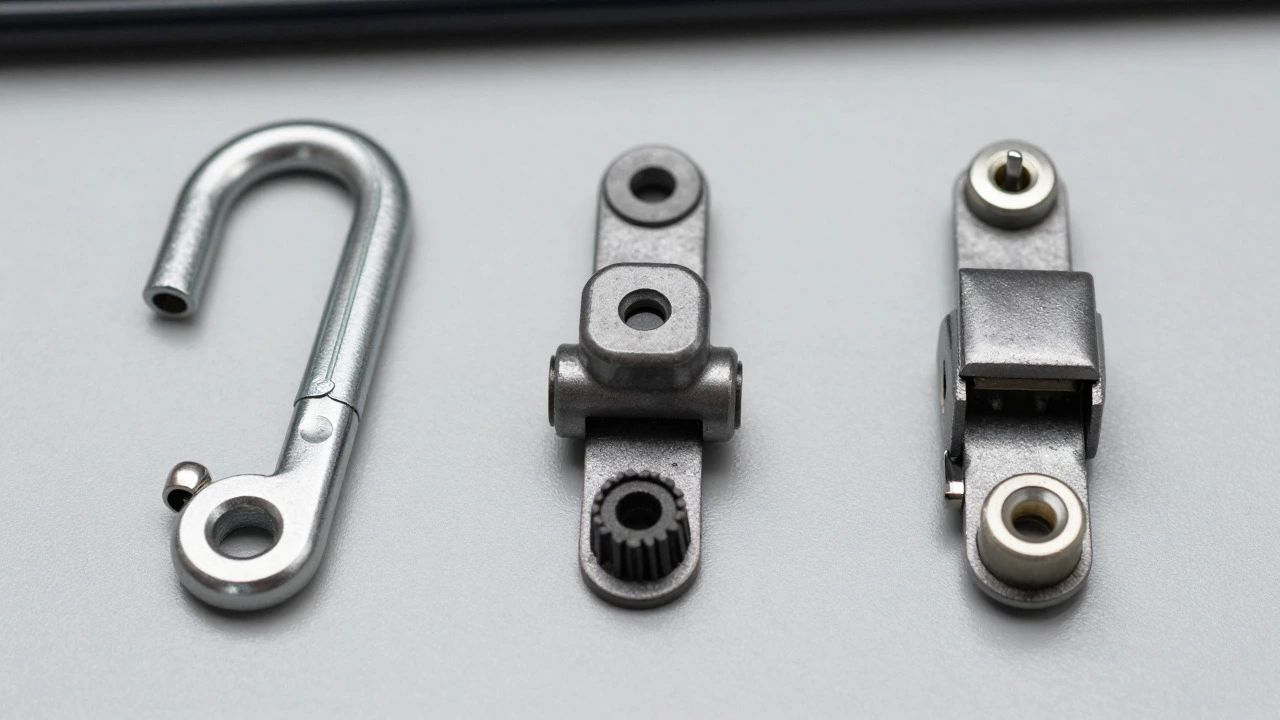
Before you touch the wiper arm, you need to identify the connector type. This is the single most important step. Most modern vehicles use one of three common systems: J-Hook (also known as Hook), Bayonet, or Side Pin. Getting this wrong means buying the wrong part or fighting with the installation.
| Connector Type | Visual Identification | Common Vehicles |
|---|---|---|
| J-Hook / Hook | A large U-shaped metal hook that slides onto the wiper arm. | Most US-made cars, trucks, and SUVs (Ford, Chevy, Toyota). |
| Bayonet | A small pin that inserts into a hole, often requiring a twist to lock. | Honda, Nissan, Subaru, Hyundai. |
| Side Pin / Side Lock | A pin on the side of the connector that clicks into a slot. | Many European cars (BMW, Mercedes, Audi) and newer Asian models. |
If you look at the back of your current wiper blade where it meets the metal arm, you will see the shape clearly. If you are unsure, check your owner’s manual or search online for "[Your Car Year] [Make] [Model] wiper blade type." Knowing this beforehand saves frustration later.
Removing the Old Wiper Blades Safely
The biggest mistake people make is pulling too hard or in the wrong direction. Wiper arms are under tension from a spring inside the hood. If you pull the blade off incorrectly, the bare metal arm can snap back and crack your windshield. Here is how to do it safely.
- Lift the arm gently: Raise the wiper arm away from the glass until it locks in place. Do not lift it so high that it touches the hood unless necessary.
- Protect the glass: Place a thick towel or rag over the windshield directly under the wiper arm. This cushions the glass if the arm slips or snaps back.
- Locate the release tab: Look for a small plastic tab, button, or clip on the connector where the blade meets the arm. On J-Hook types, there is usually a small lever that flips down. On Bayonet types, there may be a collar that needs to be twisted.
- Press and slide: Press the release tab firmly while sliding the blade downward along the metal hook. For Bayonet types, twist the collar counter-clockwise while pulling straight out. Never pull perpendicular to the arm; always follow the path of the connector.
If the blade sticks, wiggle it slightly side-to-side while maintaining pressure on the release tab. Avoid using pliers or excessive force, which can bend the delicate metal hooks.
Installing the New Wiper Blades
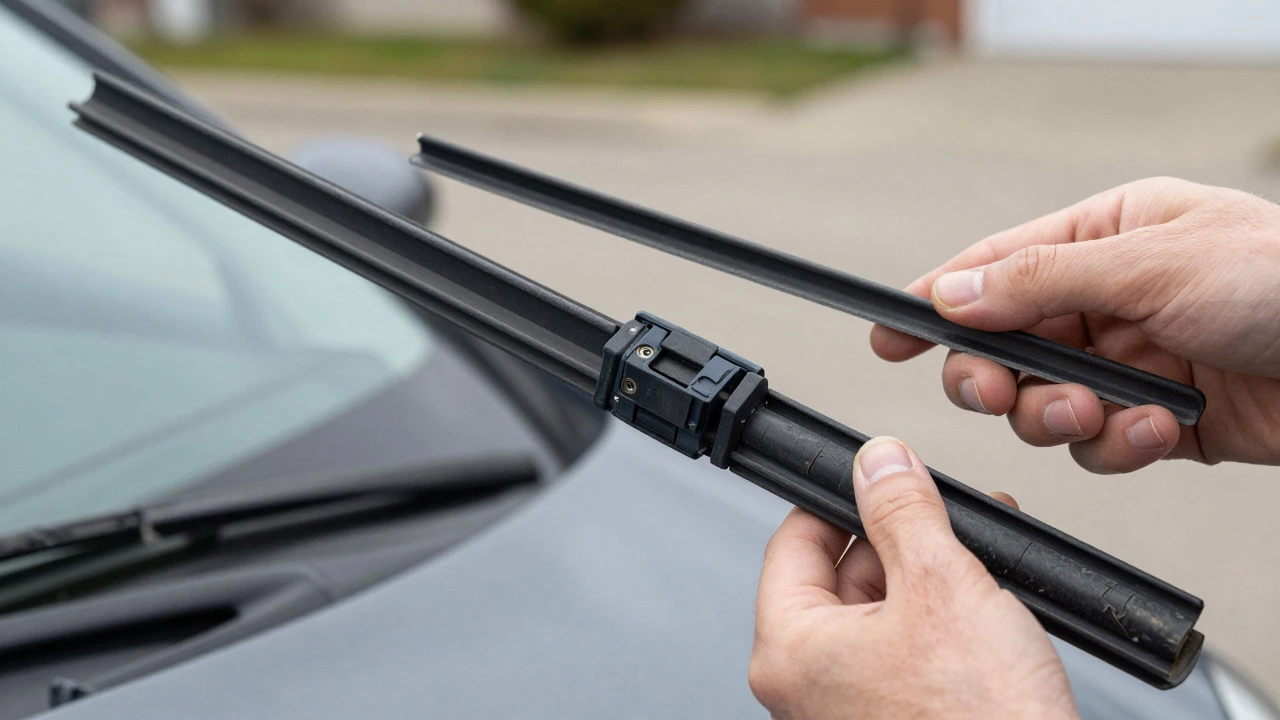
Once the old blade is off, inspect the metal arm for rust or debris. Clean it with a damp cloth if needed. Now, attach the new blade. Most new blades come pre-assembled, but some beam-style blades require you to insert the rubber insert yourself. Follow the packaging instructions for assembly before attaching to the car.
To install:
- Align the connector: Match the new blade’s adapter to the metal hook or pin on the arm. Ensure the orientation is correct-the rubber edge should face toward the ground when installed.
- Slide or insert: For J-Hook types, slide the hook through the adapter until it clicks. You should hear a distinct snap indicating it is locked. For Bayonet types, insert the pin and twist clockwise until it stops.
- Test the fit: Gently tug on the blade to ensure it doesn’t detach easily. It should feel secure but not loose.
Repeat the process for the other side. Remember that driver-side and passenger-side blades can be different lengths. Double-check the size specified on your new blades against your vehicle requirements.
Common Mistakes That Make It Feel Hard
Even with the right parts, certain errors can make the process frustrating. Avoiding these pitfalls ensures a smooth experience.
- Ignoring the safety tab: Many wiper arms have a protective plastic cover over the metal hook. If you forget to remove this cover, the new blade won’t sit flush, leading to poor wiping performance.
- Forcing the angle: Some connectors require a specific angle to engage. If it doesn’t click immediately, don’t hammer it. Realign and try again. Forcing it can break the plastic clips.
- Using worn adapters: If you are reusing an old adapter frame instead of installing a complete new blade, the plastic may be brittle and cracked. Always replace the entire assembly for best results.
- Working in extreme cold: In freezing temperatures, rubber becomes stiff and hard to manipulate. If possible, perform the replacement in a garage or during warmer weather. Cold rubber is also more prone to cracking during installation.

Maintaining Your Wipers After Installation
Installing new blades is only half the battle. To extend their life and ensure clear visibility, maintain them regularly. Wipe the rubber edges with a damp cloth every few weeks to remove oil, dust, and road grime. Check the windshield itself for chips or cracks that could interfere with the blade’s seal.
Also, avoid using the wipers on a dry windshield. Always spray washer fluid first. Dry scrubbing accelerates wear and can cause streaking. If you notice squeaking or skipping, clean the glass with a dedicated automotive glass cleaner to remove wax buildup.
When to Seek Professional Help
While most drivers can handle this task, some situations warrant professional assistance. If your wiper arm is bent, rusted, or fails to return to its resting position, the issue may lie with the linkage or motor under the hood. Additionally, if you cannot identify the connector type after checking multiple sources, a quick visit to an auto parts store or mechanic can prevent costly mistakes. They can match the exact part number for your vehicle.
How long does it take to change windshield wipers?
For someone familiar with the process, changing both wiper blades typically takes 5 to 10 minutes. Beginners might take 15 to 20 minutes due to identifying the connector type and ensuring proper alignment.
Do I need special tools to install wiper blades?
No special tools are required for most standard installations. Your hands are sufficient. However, having a soft cloth or towel to protect the windshield is highly recommended to prevent accidental damage if the wiper arm slips.
What if my wiper blade doesn't click into place?
If the blade doesn't click, it likely isn't aligned correctly. Remove it and check the orientation of the connector. Ensure the release tab on the old blade was fully disengaged and that the new adapter matches the arm's hook or pin type. Do not force it, as this can break the plastic locking mechanism.
Can I mix different brands of wiper blades?
Yes, you can mix brands as long as they are the correct size and connector type for your vehicle. However, using the same brand and model on both sides ensures consistent wiping performance and lifespan.
How often should I replace windshield wipers?
It is generally recommended to replace wiper blades every 6 to 12 months. Factors like sun exposure, temperature extremes, and frequency of use can shorten their lifespan. Signs of wear include streaking, chattering, or visible cracks in the rubber.