
Windshield Wiper Value Calculator
Compare the total cost of ownership for budget frame wipers versus premium beam wipers over a specific period.
Enter your details to calculate potential savings.
You are driving home in a downpour, and your windshield wipers start chattering across the glass. It is annoying, sure, but it is also dangerous. You squint through streaks of water and grime, praying you see the pedestrian crossing before they step off the curb. This is the moment most drivers ask themselves: "Should I just buy the cheap ones from the supermarket, or do I actually need premium windshield wipers?"
The short answer? If you live somewhere with harsh winters, heavy rain, or strong UV exposure, yes. Premium wipers are not just a luxury; they are a safety upgrade that lasts longer than the budget alternatives. But if you drive a garage-kept classic once a month in sunny California, maybe not. Let’s break down why the price tag varies so much and what you actually get for your money.
The Anatomy of Cheap vs. Premium Blades
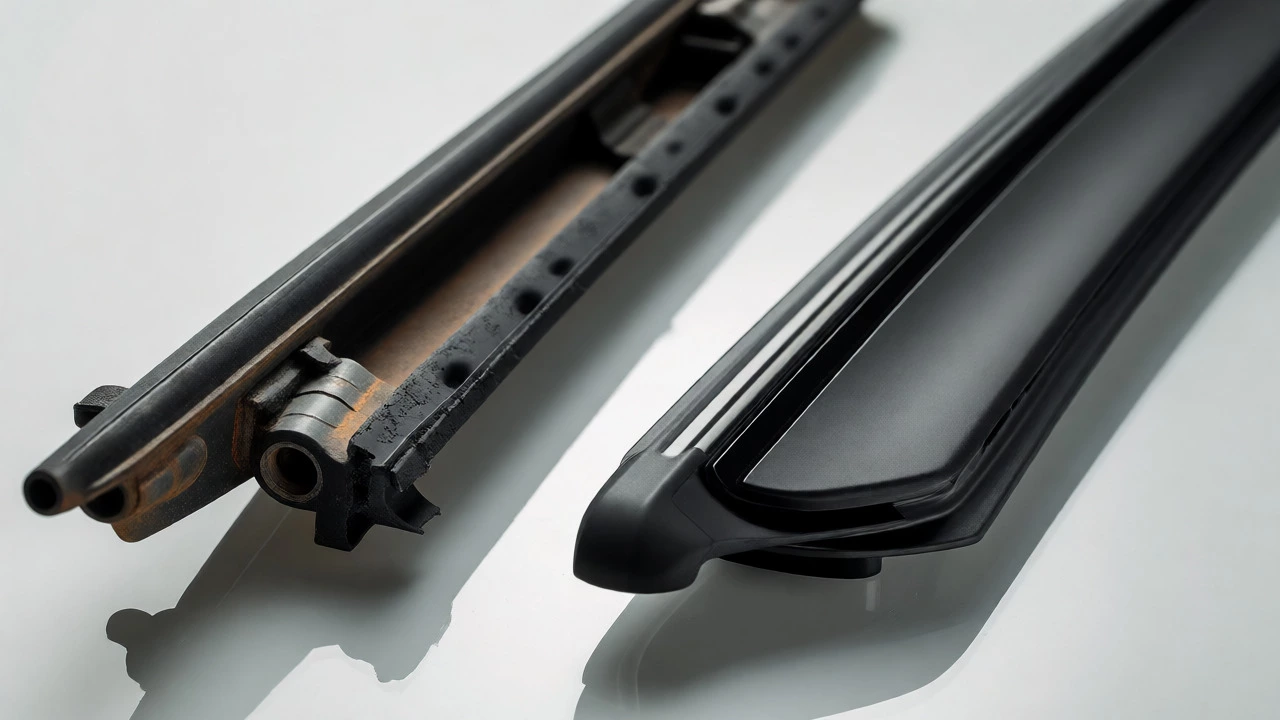
Most people think all wipers are basically rubber strips on metal arms. They aren’t. The difference between a £5 pair and a £30 pair lies in the engineering of the blade itself. Budget wipers typically use a traditional frame design. This involves multiple metal joints and clips that hold a simple rubber strip against the glass. Over time, these joints rust, the clips loosen, and the pressure distribution becomes uneven. You end up with gaps where the rubber doesn’t touch the glass, leaving streaks right in your line of sight.
Premium options, like the Bosch Aerotwin or Valeo Silencio, usually feature beam-style designs. These are single-piece structures made of spring steel coated in plastic or natural rubber. There are no moving parts to rust or freeze. The tension is distributed evenly along the entire length of the blade. This means consistent contact with the windshield, even at high speeds when air pressure tries to lift the wiper off the glass.
| Feature | Budget Frame Wipers | Premium Beam Wipers |
|---|---|---|
| Design Structure | Multi-joint metal frame | Single-piece aerodynamic beam |
| Material | Synthetic rubber (often degrades quickly) | Natural rubber or silicone with graphite coating |
| Lifespan | 3-6 months | 12-24 months |
| Noise Level | Prone to chattering/squeaking | Quiet operation due to even pressure |
| Aerodynamics | Lifts at high speeds (>70 mph) | Stays flat against glass at high speeds |
| Cost per Month | High (due to frequent replacement) | Low (due to durability) |
Why Rubber Quality Matters More Than You Think
The rubber compound is the heart of any wiper blade. Cheap wipers use basic synthetic rubber that hardens when exposed to ozone and UV rays. Have you ever noticed how old wipers leave a black smear on your hands when you touch them? That is the rubber breaking down. Once it hardens, it loses its flexibility. Instead of wiping water away, it skips over the surface, causing chatter and skipping.
Premium manufacturers invest heavily in proprietary blends. For example, many top-tier blades use natural rubber infused with graphite or PTFE (polytetrafluoroethylene) coatings. Graphite acts as a dry lubricant, reducing friction between the rubber and the glass. This prevents squealing and ensures a smooth glide, even if your windshield isn’t perfectly clean. Silicone-based wipers are another premium category. They repel water rather than just pushing it, which can improve visibility during light rain. However, silicone can sometimes struggle with heavy debris or ice compared to natural rubber.
The Hidden Cost of Poor Visibility
We often ignore small annoyances until they become big problems. Streaking wipers are more than just irritating. Studies on driver distraction show that struggling to see through a blurred windshield increases cognitive load. You spend mental energy trying to interpret shapes in the glare instead of focusing on road hazards. In wet conditions, reaction times slow down significantly when visibility drops by even 20%.
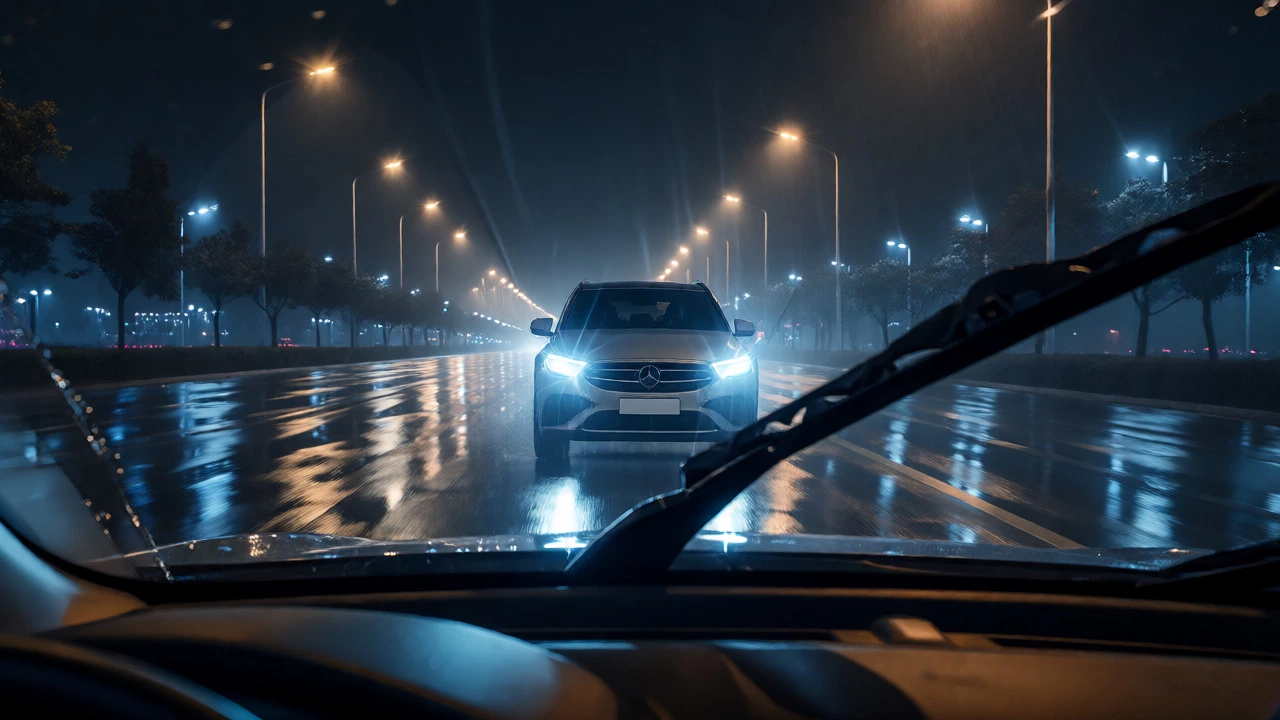
Consider the scenario of night driving in rain. Headlights reflect off the water film left by poor-quality wipers, creating a halo effect around streetlights and oncoming cars. Premium wipers clear this film more effectively because they maintain uniform contact. The result is sharper contrast and less eye strain. When you factor in the potential cost of an accident caused by poor visibility, the extra £15-£20 for a set of premium blades is negligible insurance.
Climate and Usage Patterns: Do You Need Them?
Your location dictates whether premium wipers are worth it. If you live in Bristol or anywhere in the UK, you deal with constant moisture, salt from winter roads, and moderate UV exposure. Salt is particularly corrosive to the metal frames of budget wipers. Within three months of winter, those cheap clips often seize up or snap. Premium beam wipers, lacking external metal joints, resist this corrosion better.
- Urban Commuters: If you drive daily in city traffic, you face stop-start motion and exhaust residue. This oily film builds up quickly on windshields. Premium wipers handle this grime better without smearing.
- Highway Drivers: Speed matters here. At 70 mph, air resistance lifts standard wipers off the glass. Premium aerodynamic designs keep them planted, ensuring clear vision at speed.
- Classic Car Owners: If your car sits under a cover or in a garage, UV damage is minimal. Standard wipers might suffice if replaced annually.
- Off-Road Enthusiasts: Mud and dirt are abrasive. While premium wipers last longer, they can still be damaged by grit. Some drivers prefer cheaper replacements here, changing them frequently.
Installation and Compatibility Checks
Before you rush to order the most expensive option, check your current setup. Most modern cars use specific connector types, such as U-hook, side pin, or bayonet. Premium brands usually include multi-clip adapters in the box, making installation straightforward. However, older vehicles might require specific bracket adjustments. Always verify the size too. A mismatched length won’t cover the full sweep area, leaving blind spots.
One common mistake is assuming all premium wipers fit all cars. Some European models have integrated spoiler designs on the wiper arm that interfere with certain aftermarket blades. Read reviews specifically for your car model. Forums dedicated to your vehicle brand are gold mines for this info. Real users will tell you if the Mitchell or Trico premium lines fit their specific make without modification.
Long-Term Value Calculation
Let’s look at the math. A pair of supermarket wipers costs £8. They last about four months in typical UK weather. Over two years, you buy six pairs. Total cost: £48. Plus, you deal with the hassle of replacing them twice a year, often in freezing rain or scorching sun.
A pair of premium wipers costs £25. They last roughly 18 months. Over two years, you buy one and a half sets. Total cost: £37.50. You save money, reduce waste, and enjoy consistent performance. The break-even point is usually around six months. After that, premium wins financially and practically.
There is also the resale value angle. A well-maintained car looks better. New wipers eliminate scratches on the windshield caused by worn-out rubber edges. Scratches are expensive to polish out. Keeping your glass pristine preserves the vehicle's aesthetic appeal.
When to Stick with Budget Options
Is there ever a case for buying cheap? Yes. If you are selling the car next week, don’t bother with premium upgrades. The buyer won’t know the difference unless they test-drive in rain. Also, if you have a backup car that rarely gets driven, cheap wipers prevent the rubber from drying out completely due to disuse. Sometimes, using them briefly every few weeks keeps the mechanism lubricated enough for emergency use.
Another exception: temporary fixes. If you are stranded and need a quick fix to pass an MOT or safety inspection, grab whatever is available. But treat it as a stopgap. Replace them properly as soon as possible.
Pro Tips for Maximizing Wiper Life
Even the best wipers fail if abused. Here is how to protect your investment:
- Clean the Windshield Regularly: Dirt and grit act like sandpaper. Wash your glass weekly with proper automotive soap. Avoid household detergents that leave residues.
- Lift Wipers in Winter: If snow is forecast, lift the arms off the glass. This prevents the rubber from freezing to the windshield. Pulling them loose tears the edge.
- Use Washer Fluid Properly: Never run wipers on a dry glass. Always spray washer fluid first. Dry wiping causes immediate wear and noise.
- Check for Wear Early: Inspect the rubber edge monthly. If you see cracks or rounding, replace immediately. Don’t wait for the first rainstorm to discover failure.
By following these steps, you extend the life of premium blades beyond their rated lifespan. It turns a consumable part into a durable component.
Frequently Asked Questions
How long do premium windshield wipers actually last?
Premium wipers typically last between 12 to 24 months, depending on climate and usage. In harsh environments with extreme heat or cold, expect closer to 12 months. In mild climates, they can exceed two years. Look for signs of degradation like chattering or streaking before replacing.
Are silicone wipers better than rubber?
Silicone wipers excel in repelling water and resisting UV damage, often lasting longer than natural rubber. However, they can perform poorly in heavy rain or with dirty windshields compared to natural rubber. Natural rubber offers superior grip and cleaning power for general use. Choose silicone only if you prioritize longevity over maximum clearing efficiency in storms.
Can I cut premium wipers to fit my car?
No, never cut wiper blades. Cutting disrupts the internal tension structure, especially in beam-style wipers. This leads to uneven pressure and premature failure. Always buy the correct size specified by your vehicle manufacturer. Most premium brands offer sizes in 1-inch increments to ensure a perfect fit.
Do expensive wipers work better in snow?
Yes, generally. Premium wipers often feature integrated spoilers that help shed snow and ice. Their flexible rubber compounds remain pliable in lower temperatures, preventing them from becoming brittle and cracking. Some specialized winter wipers come with rubber boots that encase the frame to prevent icing, offering the best performance in snowy conditions.
Why are my new premium wipers chattering?
Chattering in new wipers usually indicates a dirty windshield or incorrect installation. Clean the glass thoroughly with alcohol or vinegar to remove wax and oil residues. Ensure the wiper arm applies even pressure across the blade. If the problem persists, the rubber may need a brief 'break-in' period, or the wiper arm might be bent and require adjustment.