

UK vs US Car Terminology Converter
It is a small storage space in your dashboard. In the United Kingdom, you call it a glove box. It is a small storage compartment located in the dashboard of a vehicle, traditionally used for storing driving gloves. But if you drive across the Atlantic to the United States, that same box gets a slightly different name. Americans typically refer to it as a glove compartment. While both terms are widely understood on both sides of the ocean, knowing the difference helps you navigate car manuals, online forums, and conversations with international friends without confusion.
This linguistic split isn't just about preference; it reflects how language evolves differently in isolated communities. For anyone buying imported cars, reading repair guides, or simply curious about cultural differences, understanding these terms is useful. You might find yourself searching for a "glove box liner" only to discover that American sellers list them as "glove compartment organizers." Getting the terminology right saves time and ensures you find exactly what you need.
The Origin of the Name: Why Gloves?
To understand why we use this term, you have to look back at early automotive history. When cars were first introduced in the late 19th and early 20th centuries, they were open-top vehicles. Drivers faced harsh weather conditions directly. To protect their hands from cold wind, rain, and dirt, drivers wore leather gloves. These weren't fashion accessories; they were essential safety gear.
As car design evolved, manufacturers needed a dedicated place to store these gloves so they wouldn't get lost or dirty inside the cabin. A small wooden or metal box was added to the dashboard. This box became known as the glove box because its primary purpose was to hold gloves. Even though modern drivers rarely wear gloves while driving, the name stuck. It is a classic example of how language preserves historical context long after the original reason has disappeared.
In the UK, the term "glove box" remained the standard. It is short, punchy, and easy to say. In the US, however, the term "glove compartment" gained popularity. The word "compartment" suggests a more defined, enclosed space within a larger structure. This slight variation in vocabulary highlights a broader trend where American English often favors more descriptive or formal compound nouns compared to the concise phrasing common in British English.
Glove Box vs. Glove Compartment: Is There a Difference?
If you are wondering whether there is a physical difference between a glove box and a glove compartment, the answer is no. They refer to the exact same part of the car. Whether you are looking at a vintage Ford Model T or a modern Tesla, the storage area behind the hinged door on the passenger side of the dashboard is both.
The distinction is purely linguistic. Here is how the usage breaks down:
- United Kingdom & Commonwealth Countries: "Glove box" is the dominant term. You will see it in owner's manuals, car dealership brochures, and everyday conversation.
- United States & Canada: "Glove compartment" is the preferred term. It appears frequently in American automotive literature and consumer reports.
- Australia & New Zealand: Like the UK, "glove box" is commonly used, though "glovebox" (as one word) is also seen.
Interestingly, if you search for parts online, using the wrong term might limit your results. If you type "glove box hinge" into an American retailer's search bar, you might get fewer results than if you typed "glove compartment hinge." Search engines are smart, but e-commerce databases sometimes rely on specific keyword tagging. Knowing which term is popular in your region can help you find accessories like liners, locks, and organizers more easily.
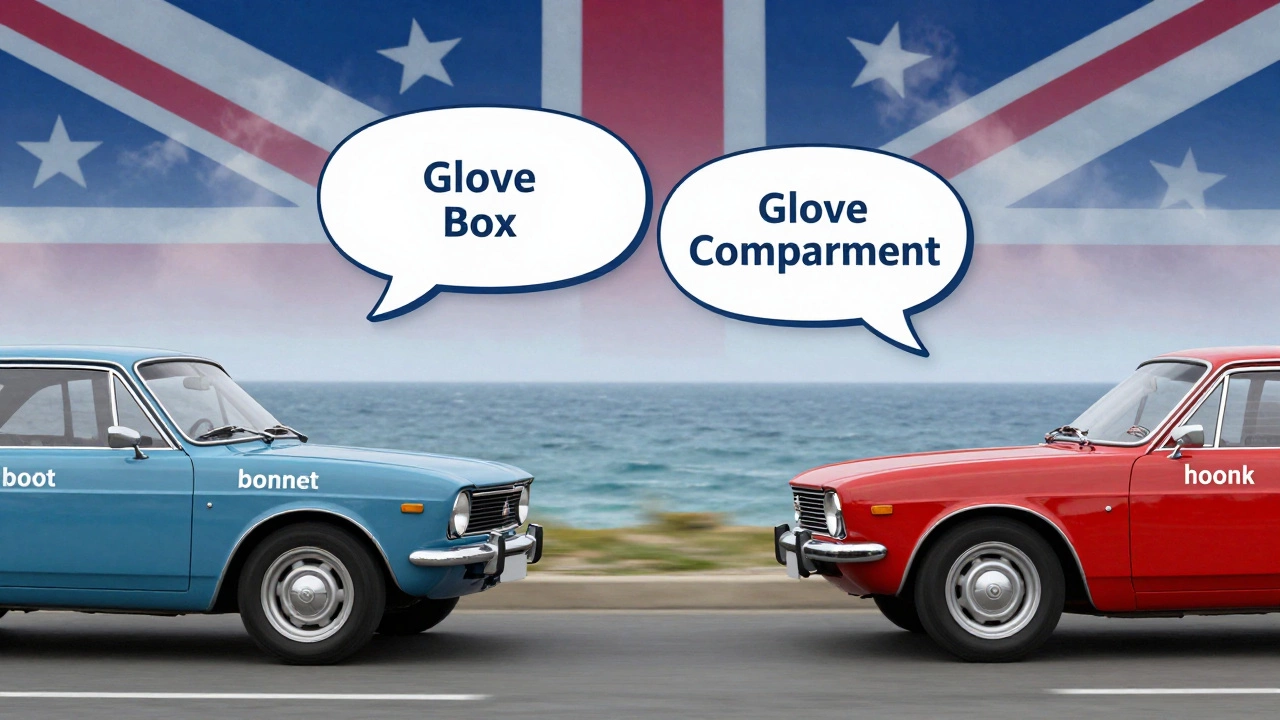
Other Car Parts With Different Names Across the Atlantic
The glove box is just one example of how car terminology differs between the UK and the US. If you are navigating international car forums or buying parts from overseas, you will encounter many other confusing pairs. Understanding these differences prevents mistakes when ordering components or following repair instructions.
| UK Term | US Term | Description |
|---|---|---|
| Glove box | Glove compartment | Dashboard storage for documents and small items |
| Boot | Trunk | Rear storage area for luggage and cargo |
| Bonnet | Hood | The cover over the engine compartment |
| Number plate | License plate | The metal or plastic plate displaying the vehicle registration |
| Suspension | Suspension | System connecting wheels to the body (same term) |
| Windscreen wipers | Windshield wipers | Devices for clearing rain from the front window |
Notice the pattern with "windscreen" versus "windshield." Just like "glove box" versus "glove compartment," the core meaning is identical. The US tends to use "shield" to imply protection against the wind, while the UK uses "screen" to suggest a barrier. Similarly, "boot" comes from the old practice of storing boots in the rear of carriages, while "trunk" refers to the large wooden chests used for travel. These historical roots explain why the terms persist even though the objects themselves have changed significantly.
Why Does This Matter for Car Owners?
You might think this is just trivia, but it has practical implications. If you buy a used car from an American seller, the manual will likely refer to the "glove compartment." If you try to find a replacement latch or hinge on a UK-based site, searching for "glove compartment" might yield fewer results than "glove box." Being aware of these synonyms expands your search capability.
Additionally, if you are writing content, listing a car for sale, or communicating with international mechanics, using the correct local terminology builds trust and clarity. A UK buyer might be confused by the phrase "check the trunk light," while an American buyer might not know what you mean by "bonnet gap." Adapting your language to your audience makes communication smoother and more professional.
For those interested in car customization, this also applies to accessories. Glove box organizers, LED lights, and locking mechanisms are marketed differently in different regions. Knowing that "glove compartment organizer" is the common search term in the US can help you find better deals or more options when shopping on global platforms like Amazon or eBay.
Modern Trends: Is the Term Changing?
With globalization and the internet, language barriers are slowly breaking down. Younger generations, exposed to American movies, TV shows, and online gaming, might use "glove compartment" even in the UK. Conversely, Americans traveling to Europe might adopt "glove box" out of convenience. However, official documentation and manufacturing standards tend to remain consistent with regional norms.
Car manufacturers often produce separate manuals for different markets. A Volkswagen produced in Germany but sold in the US will have a manual that says "glove compartment," while the same model sold in the UK will say "glove box." This localization effort ensures that customers feel comfortable and understood. It is a small detail, but it reflects a broader commitment to user experience.
Despite these trends, the core terms are unlikely to disappear anytime soon. They are deeply embedded in automotive culture. Just as "football" means different things in the US and the rest of the world, "glove box" and "glove compartment" will continue to coexist as distinct regional identifiers.
How to Maintain Your Glove Box/Compartment
Regardless of what you call it, keeping this space clean and functional is important. Over time, dust, crumbs, and small items accumulate. Here are some simple tips to maintain it:
- Clean Regularly: Use a microfiber cloth and mild cleaner to wipe down the interior. Avoid harsh chemicals that could damage the plastic.
- Use an Organizer: Insert a fabric or plastic organizer to keep items separated. This prevents papers from sliding around and keeps small tools visible.
- Check the Hinge: Ensure the hinge moves smoothly. If it feels stiff, apply a small amount of silicone lubricant.
- Remove Heavy Items: Avoid storing heavy objects like toolkits or bottles of fluid. Excess weight can strain the hinge and cause it to break over time.
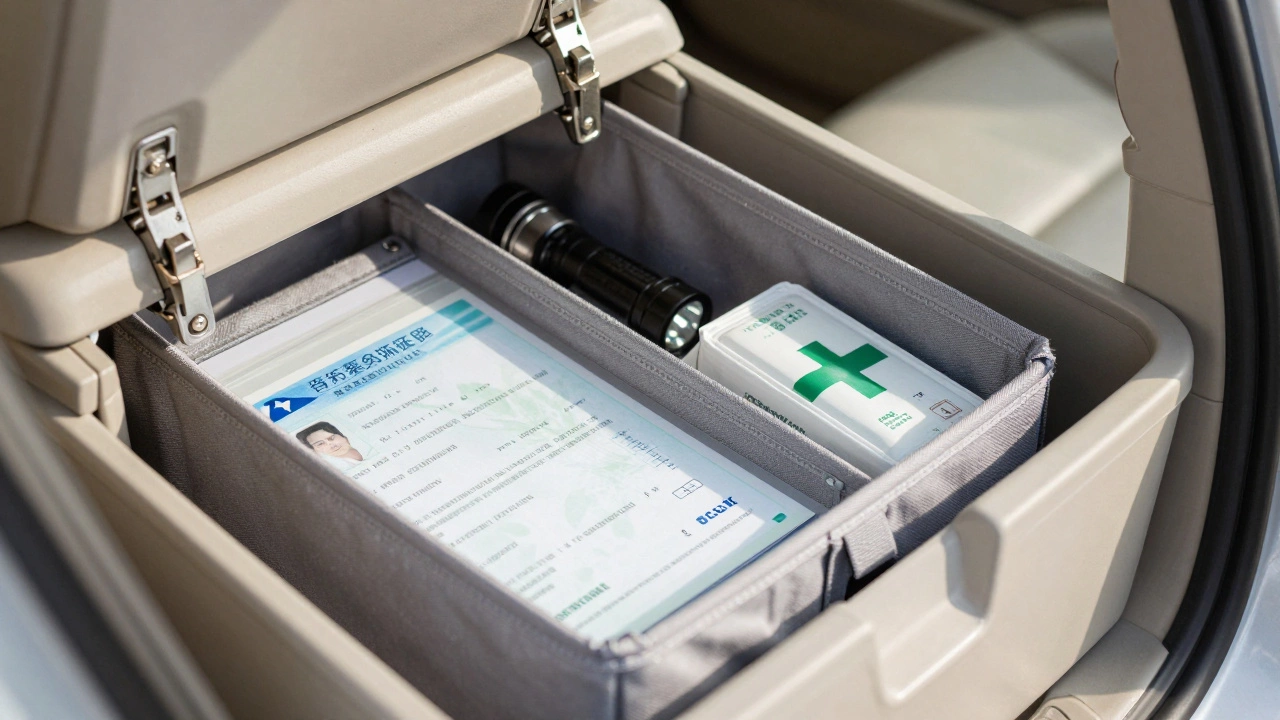
- Keep Documents Safe: Store your registration, insurance, and emergency contact information here. Make sure they are organized and easy to access in case of a breakdown or accident.
By maintaining this small but useful part of your car, you ensure that it remains functional and tidy. It is a small effort that pays off when you need to find something quickly.
Do Americans ever use the term "glove box"?
Yes, some Americans do use "glove box," especially older generations or those influenced by British media. However, "glove compartment" is far more common in everyday speech and official documentation in the US.
Is "glovebox" (one word) correct?
While "glove box" is two words, "glovebox" is occasionally seen in informal writing or technical diagrams. It is not considered standard English, but it is understandable. Sticking to two words is safer for formal contexts.
Why don't we just call it a dashboard storage?
Language tends to preserve historical terms even when their original meaning fades. "Glove box" has been used for over a century, so changing it would require a significant cultural shift. Most people are already familiar with the term, so there is little incentive to change it.
Can I replace my glove box with a custom one?
Yes, many car enthusiasts replace the stock glove box with custom units made of carbon fiber, wood, or aluminum. These upgrades often include better lighting, cooling features, or improved locking mechanisms. Just ensure compatibility with your specific car model.
Does the glove box affect fuel efficiency?
No, the glove box itself does not impact fuel efficiency. However, storing very heavy items in it could theoretically add negligible weight to the car. In practice, this effect is so small that it is unnoticeable. Focus on tire pressure and driving habits for better fuel economy.