Exhaust Tone Simulator
Select your specifications below to generate a predicted sound profile.
Select options and click "Generate" to see your predicted exhaust note.
Predicted Tone
You know that feeling when you walk past a garage and hear a deep, rumbling idle that makes your chest vibrate? Or maybe you’ve been annoyed by a tinny, high-pitched drone from a cheap aftermarket pipe on the motorway. Sound is subjective, sure, but in the world of car exhausts, the system that channels exhaust gases away from the engine and reduces noise, there’s actually a science to what sounds "good." It isn’t just about being loud; it’s about pitch, resonance, and clarity.
If you’re wondering which setup will give you that perfect growl without waking up the neighbours at 6 AM, you’re in the right place. We’re going to break down how different components change the note, why some pipes sound aggressive while others sound hollow, and how to choose the right system for your specific car and driving style. No fluff, just practical advice from someone who has spent too many hours listening to engines in Bristol backyards.
The Physics of a Good Note
Before we talk brands or parts, you need to understand what creates the sound. Your engine produces pulses of pressure every time a cylinder fires. The exhaust system’s job is to manage these pulses. If you remove all restrictions, you get maximum power but often a harsh, unmuffled scream. Add too much restriction, and you choke the engine, creating a dull, muffled thud.
The "best" sound usually comes from a balance called scavenging. This is where the exiting exhaust gases create a vacuum that helps pull fresh air into the engine. When tuned correctly, this process creates a deeper, more musical tone. It’s not just about volume; it’s about frequency. Lower frequencies (bass) are generally perceived as more powerful and luxurious, while higher frequencies can feel raspy or cheap if not controlled properly.
Mufflers: The Heart of the Tone
The muffler, a device used to reduce the noise emitted by the exhaust of an internal combustion engine is the primary component dictating the character of your sound. Not all mufflers are created equal, and choosing the wrong one is the most common mistake DIY modifiers make.
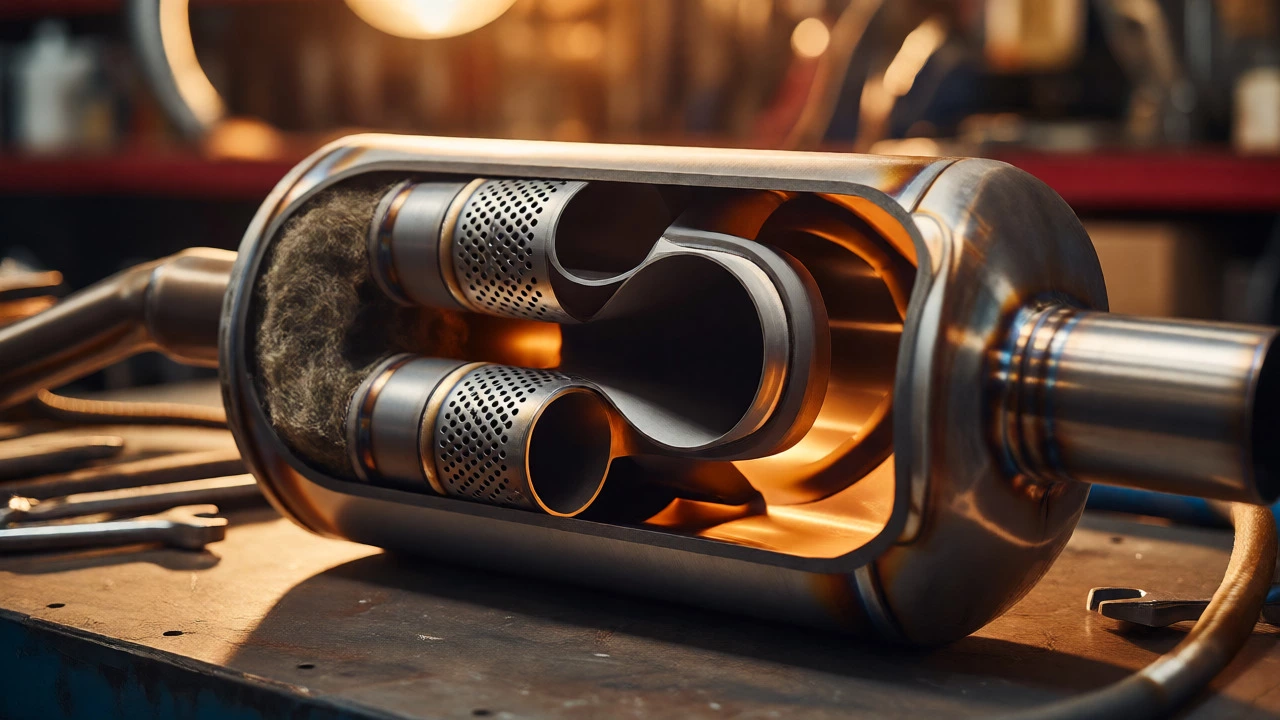
- Chambered Mufflers: These use internal baffles and chambers to reflect sound waves back against each other, cancelling out noise. They tend to produce a clean, refined tone. Think BMW or Lexus stock systems. They are quiet but can lack aggression.
- Glasspack (Straight-Through): These have a perforated tube wrapped in fiberglass or steel wool. They offer less resistance than chambered units, allowing for a louder, rawer sound. However, they often introduce "drone"-that annoying constant hum inside the cabin at highway speeds.
- Resonators: Often paired with mufflers, resonators target specific frequencies to cancel out drone or harshness. A good system might use a resonator near the headers and a muffler at the rear to keep the tone smooth.
If you want a deep burble, look for large-volume chambered mufflers or turbo-style mufflers. If you want a race-car crackle, straight-through designs with minimal packing work best, provided you accept the trade-off in cabin comfort.
Pipe Diameter and Material Matters
You might think bigger is always better, but pipe diameter changes the velocity of the exhaust gas. Faster gas means lower pressure drops and potentially more top-end power, but it also changes the pitch. Smaller pipes (e.g., 2.0 inches on a small car) tend to produce a higher-pitched, sharper note. Larger pipes (3.0+ inches) slow the gas down slightly, resulting in a deeper, throatier rumble.
| Pipe Diameter | Typical Sound Profile | Best For |
|---|---|---|
| 2.0 - 2.25 inches | Sharp, raspy, higher pitch | Small displacement engines (under 1.5L) |
| 2.5 - 3.0 inches | Balanced, moderate rumble | Mid-size sedans, hot hatches |
| 3.5+ inches | Deep, bass-heavy, low frequency | V8s, V10s, heavily modified engines |
Material plays a subtle but real role too. Stainless steel is standard because it resists rust. Titanium is lighter and can produce a slightly brighter, crisper note due to its thinner walls and different thermal properties, but it costs significantly more. Aluminized steel is cheaper but tends to corrode faster, which can alter the sound over time as holes develop.

Cat-Back vs. Axle-Back Systems
When shopping for upgrades, you’ll see terms like "cat-back" and "axle-back." Understanding the difference saves you money and headaches.
An axle-back system, an exhaust upgrade that replaces components from the rear axle to the tailpipes, only changes the final section of the exhaust. It’s cheaper and easier to install. It primarily affects the tone of the rear tips and the final muffler stage. It won’t drastically change the engine note under acceleration but can polish the idle and cruise sound.
A cat-back system, an exhaust system that replaces everything from the catalytic converter to the tailpipes replaces the mid-pipes, resonators, and mufflers. Because it removes factory restrictions closer to the engine, it has a much greater impact on the overall sound profile. You’ll hear more induction roar and a fuller note across the rev range. If you want a transformative sound, cat-back is usually the necessary step.
Header Back: The Full Experience
For those chasing the ultimate acoustic experience, replacing the headers (or manifolds) is the next level. Headers replace the restrictive cast iron manifolds with individual tubes for each cylinder. This allows exhaust gases to exit more freely and evenly.
Why does this matter for sound? Uneven exhaust pulses create a chaotic, rough idle. Even pulses create a rhythmic, musical idle. Long-tube headers, in particular, can deepen the tone significantly because the longer path lowers the resonant frequency. However, this is expensive and often requires professional tuning. If your budget allows, header-back gives the most control over the final sound signature.
Common Pitfalls That Ruin Sound
Even with premium parts, you can end up with a bad-sounding car if you ignore these details:
- Excessive Drone: This is the enemy of daily drivers. It happens when the exhaust frequency matches the cabin’s natural resonance. Adding a second resonator or using larger diameter piping can help mitigate this.
- Leaking Gaskets: A small leak at the manifold joint can turn a beautiful rumble into a horrible ticking noise. Always check seals after installation.
- Rust and Corrosion: In wet climates like the UK, road salt eats exhausts. Rusty pipes vibrate differently, often sounding rattly and worn out before they actually fail structurally.
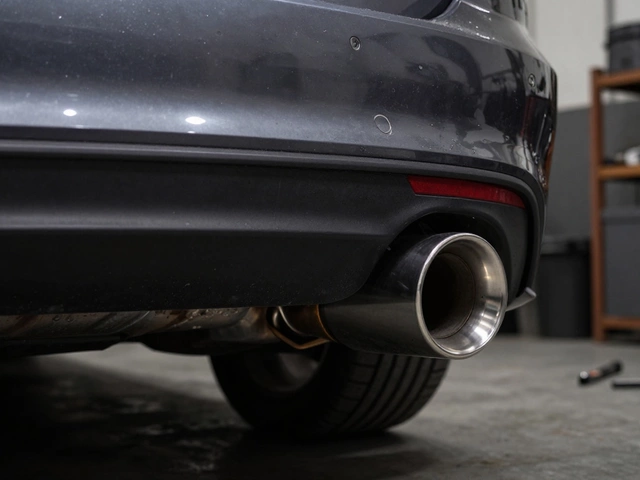
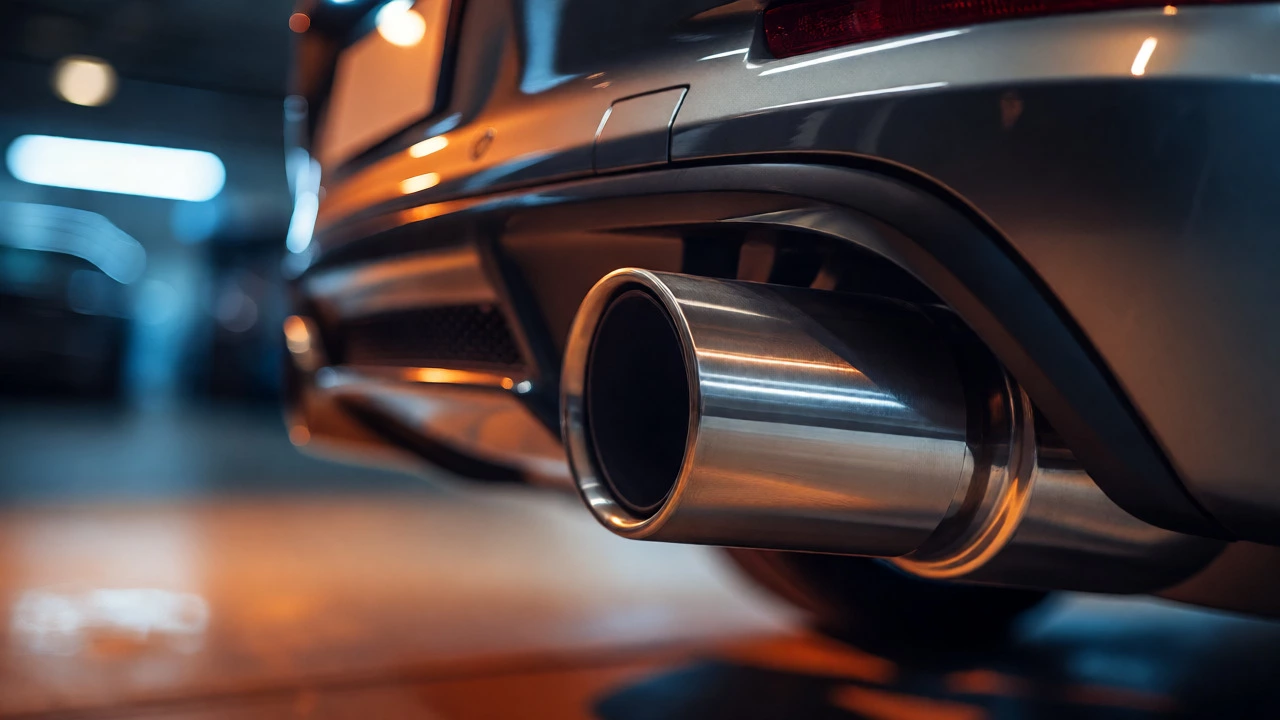
- Tailpipe Design: Surprisingly, the shape of the tip matters. Rolled tips can slightly amplify sound, while cut-flat tips can direct sound downward, reducing perceived volume outside the car.
How to Choose Based on Your Car
Your engine configuration dictates what will sound good. Here is a quick heuristic:
- 4-Cylinder Engines: Prone to drone. Avoid straight-through mufflers unless you add extra resonators. Chambered mufflers with X-pipes (which merge pulse streams) usually provide the smoothest, deepest tone.
- V6 Engines: Very forgiving. Most cat-back systems will improve the sound without causing major issues. Look for systems that emphasize mid-range punch.
- V8 Engines: Born to be loud. You can get away with aggressive setups. Cross-plane crank V8s benefit from long-tube headers to enhance the classic American muscle rumble. Flat-plane crank V8s (like Ferraris) need high-flow systems to let their high-revving shriek shine.
Remember, the goal is harmony between the mechanical operation and the auditory feedback. A car that sounds strained is rarely enjoyable to drive, even if it’s fast. Listen to videos of the specific exhaust model on your exact car model before buying. Forums and YouTube are your best friends here, as manufacturer descriptions often exaggerate the "sportiness" of a tone.
Does a louder exhaust mean more power?
Not necessarily. While removing restrictions can increase horsepower, simply making a car louder doesn't guarantee gains. Some loud systems are poorly designed and actually reduce torque. Power comes from improved flow and scavenging, not just decibels.
Will a new exhaust cause my car to fail MOT?
In the UK, yes, if it exceeds the noise limits for your vehicle type. Generally, modifications should not exceed 74dB(A) for cars manufactured after August 1999. Additionally, if you remove the catalytic converter, you will likely fail the emissions test.
What is the difference between an H-pipe and an X-pipe?
Both are crossover pipes connecting left and right exhaust banks. An H-pipe connects them with a straight crossbar, promoting scavenging at lower RPMs and producing a deeper, muscle-car rumble. An X-pipe crosses the pipes diagonally, balancing pressure better at higher RPMs and creating a smoother, higher-pitched tone.
Can I fix exhaust drone myself?
Yes, sometimes. Adding a resonator or wrapping the exhaust pipe with heat tape can dampen vibrations. Changing the tailpipe angle or adding mass to the pipe can also shift the resonant frequency enough to eliminate the drone.
Are stainless steel exhausts worth the extra cost?
If you live in an area with heavy road salting, absolutely. Stainless steel resists corrosion far better than aluminized steel, maintaining its structural integrity and sound quality for years longer. Over a decade, it’s often cheaper than replacing rusty pipes twice.