Clutch Brand Selector
Find your ideal clutch brand based on your vehicle's specifications and driving style. Answer 3 quick questions to get personalized recommendations.
When your clutch starts slipping, grinding, or feeling spongy, you don’t just need a new clutch-you need the right one. The best clutch brand isn’t the one with the loudest ads or the cheapest price. It’s the one that matches your driving style, your vehicle’s power, and your expectations for longevity. Too many drivers pick a clutch based on price alone, only to be back in the shop six months later. That’s not a savings-it’s a waste of time and money.
What Makes a Clutch Brand Reliable?
A good clutch isn’t just about friction material. It’s the balance between engagement smoothness, torque capacity, heat resistance, and durability. The best clutch brands design their kits with real-world use in mind-not just drag strips or race tracks. For daily drivers, you want a clutch that engages cleanly without jerking, lasts over 100,000 miles, and doesn’t require constant adjustment. For performance cars or trucks towing heavy loads, you need higher clamping force and better heat dissipation.
Most OEM clutches are built for average use. If you’ve upgraded your engine, added turbocharging, or tow regularly, your stock clutch is probably undermatched. Aftermarket brands step in here, offering upgrades with clear specs: pressure plate load, disc material, and spline count. Don’t just guess-look at what’s engineered into the kit.
Top Clutch Brands and What They’re Known For
There are five clutch brands that consistently show up in mechanic shops, performance forums, and repair logs as the most trusted. Each has strengths depending on your needs.
- Exedy is the go-to for Japanese imports like Toyota, Honda, and Subaru. Their clutch kits use organic and ceramic friction materials that deliver smooth engagement and quiet operation. Many owners report 120,000+ miles on Exedy kits without issues, even with mild performance mods.
- ACT (Advanced Clutch Technology) dominates the performance scene. If you’ve got a modified Mustang, Subaru WRX, or diesel truck, ACT is likely the name you’ll hear. Their heavy-duty pressure plates and sprung hub discs handle over 500 lb-ft of torque. The trade-off? Engagement is stiffer-less ideal for stop-and-go traffic.
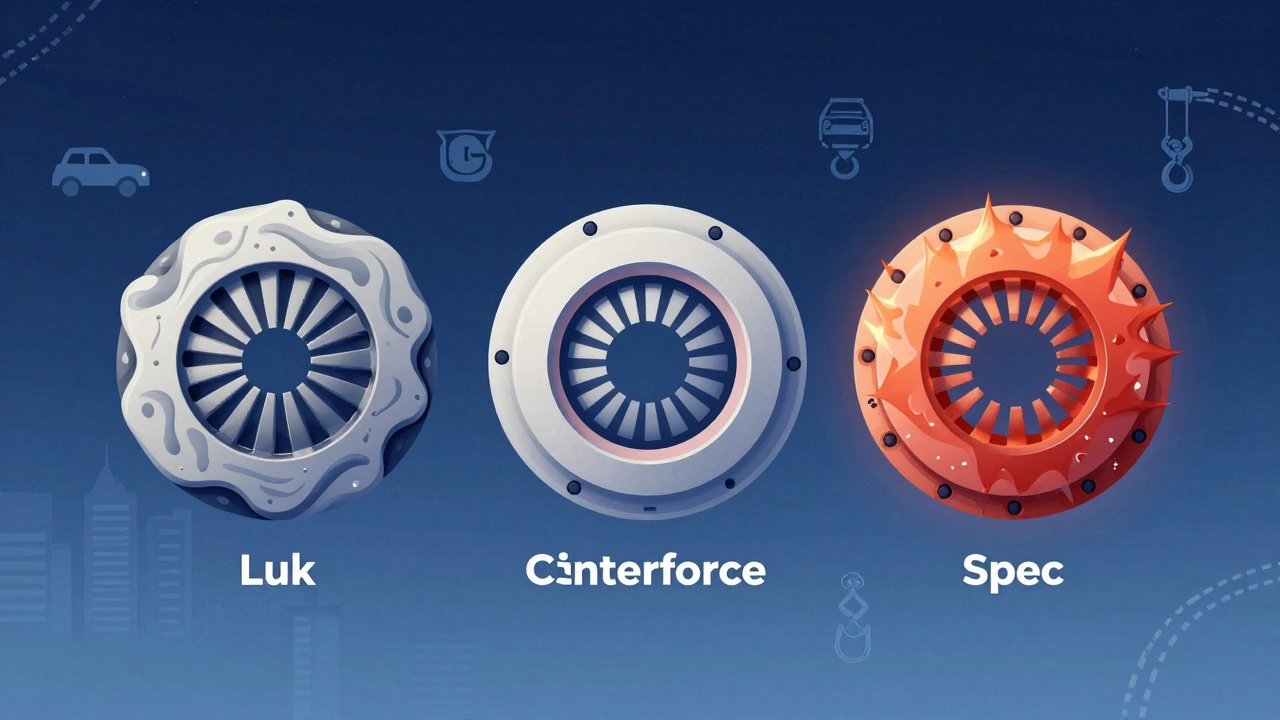
- Luk is the OEM supplier for BMW, Mercedes, and Volkswagen. Their aftermarket kits are essentially upgraded versions of factory parts. If you want reliability with minimal noise and vibration, Luk is a safe bet. Their dual-mass flywheel replacements are especially well-regarded for diesel vehicles.
- Spec builds clutches for serious drivers. Their Stage 2 and Stage 3 kits are common in track cars and autocross events. The friction material is aggressive, meaning quick shifts and high torque handling-but they’re noisy at idle and require a firm pedal press. Not for commuters.
- Centerforce offers a middle ground. Their DualFriction line uses a unique dual-disc design that increases holding power without increasing pedal effort. Popular among pickup owners who tow and occasionally hit the backroads. Many report 80,000-100,000 miles with heavy use.
How to Pick the Right One for Your Car
Choosing the best clutch brand starts with asking three questions:
- What’s your vehicle’s stock horsepower and torque? A 150-hp Honda Civic doesn’t need a 700-lb-ft clutch. Overspecing leads to harsh engagement and premature wear on the transmission.
- How do you drive? Daily commuting? Frequent highway cruising? Weekend track days? If you’re mostly in city traffic, prioritize smoothness and pedal feel. If you’re hauling or racing, focus on torque capacity and heat resistance.
- Have you modified the engine? Even a simple air intake or tune can increase torque enough to overwhelm a stock clutch. If you’ve added a turbo, supercharger, or performance exhaust, you’re likely past the point where OEM replacements will last.
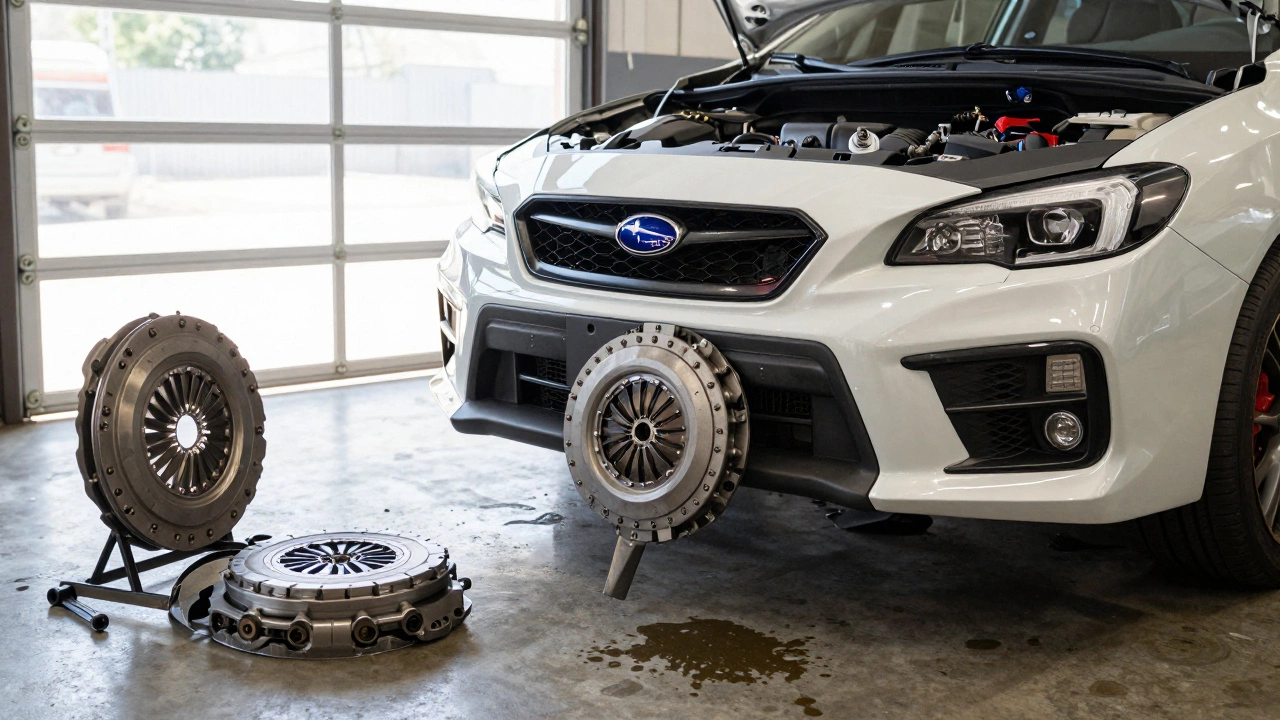
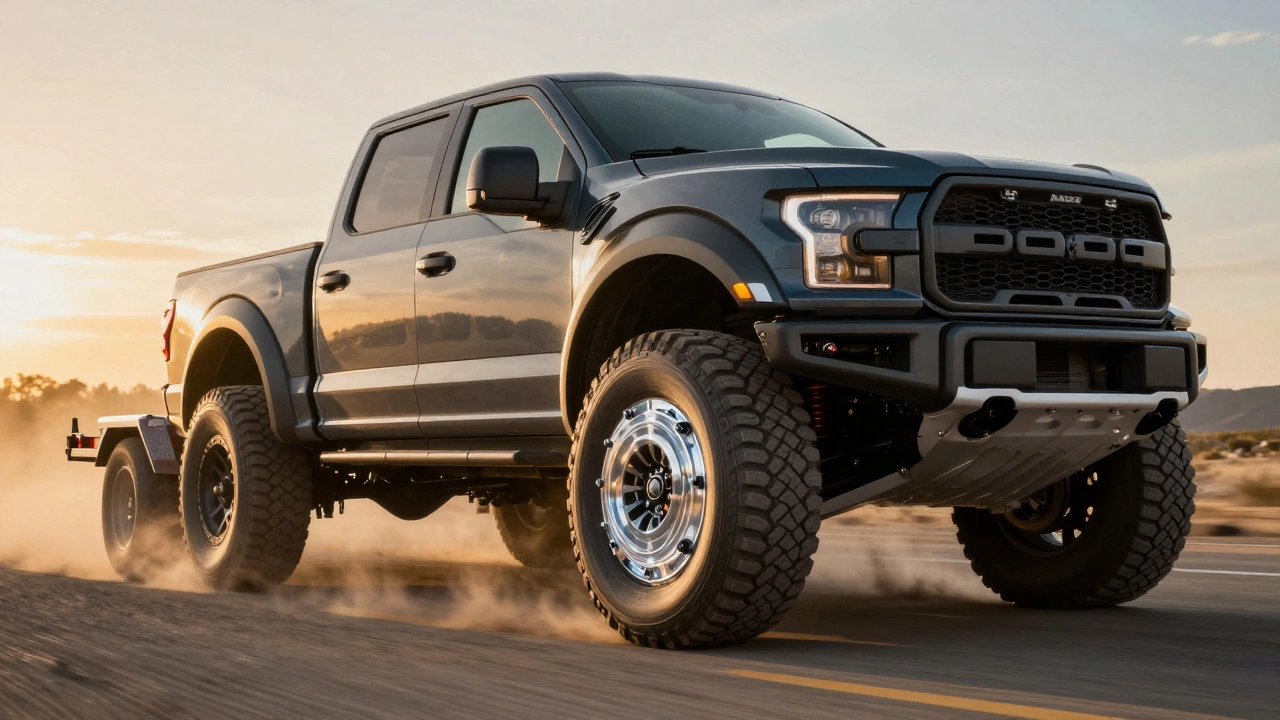
For example: A 2018 Subaru WRX with a stage 1 tune (280 hp) should use an Exedy or Centerforce kit. A 2020 Ford F-150 Raptor with a cold air intake and tune (450 hp, 510 lb-ft torque) needs an ACT or Spec clutch. A 2015 BMW 328i with no mods? Stick with Luk for quiet, reliable operation.
What to Avoid
There are dozens of cheap clutch brands on Amazon and eBay that sound promising but deliver poor results. Brands like Dorman, Duralast, and generic no-name kits often use low-grade friction materials that fade quickly under heat. Many have inconsistent pressure plate spring tension, leading to clutch chatter or incomplete disengagement.
Another trap: buying a clutch without replacing the flywheel. If your flywheel is warped, cracked, or worn, even the best clutch will fail early. Always inspect or replace the flywheel when installing a new clutch. Dual-mass flywheels (common in diesels and luxury cars) should never be resurfaced-they must be replaced.
Also avoid “universal” clutches. They may fit multiple models, but they’re not engineered for your specific vehicle’s torque curve, pedal ratio, or transmission input shaft. A mismatched clutch can cause gear grinding, poor shift feel, or even transmission damage.
Installation Tips That Save Money
Clutch replacement isn’t a weekend DIY job for beginners. It requires lifting the vehicle, removing the transmission, and precise torque settings. But if you’re doing it yourself, here’s what you must not skip:
- Use a clutch alignment tool. Misalignment causes uneven wear and premature failure.
- Grease the input shaft spline with high-temperature lubricant. Dry splines cause grinding and early transmission damage.
- Follow the manufacturer’s torque sequence for the pressure plate bolts. Tightening in the wrong order warps the plate.
- Bleed the hydraulic system after installation. Air in the line leads to a soft pedal and slipping.
Even if you’re paying a shop, ask if they use OEM-grade tools and torque wrenches. A $500 clutch job done wrong can cost $2,000 in transmission repairs.
Real-World Longevity: What Owners Report
Clutch life varies wildly based on driving habits. But here’s what real owners report with different brands:
- Exedy: 110,000-140,000 miles in daily drivers with mild mods
- ACT: 60,000-90,000 miles under heavy use (towing, track days)
- Luk: 130,000+ miles in stock or lightly tuned vehicles
- Spec: 40,000-70,000 miles with aggressive driving; 100,000+ if used gently
- Centerforce: 85,000-110,000 miles with towing and occasional spirited driving
These numbers assume proper installation and no abuse. A clutch driven gently can outlive its warranty. One slammed every day? Even the best brand won’t save it.
Price vs. Value: What You’re Really Paying For
Clutch kits range from $250 to over $1,000. The cheapest options are often $250-$350 kits with generic parts. Mid-range (Exedy, Luk, Centerforce) run $500-$750. High-performance (ACT, Spec) are $700-$1,200.
Don’t compare just the part price. Factor in labor: clutch replacement takes 5-8 hours. A $300 clutch that fails at 40,000 miles means two labor charges. A $700 clutch that lasts 100,000 miles? One labor charge. The math is simple: better upfront cost = lower total cost over time.
Final Recommendation
There’s no single “best” clutch brand for everyone. But here’s the simplest way to choose:
- Stock or lightly tuned daily driver? Go with Luk or Exedy.
- Towing, hauling, or mild performance mods? Centerforce is your best balance.
- Aggressive driving, track use, or high-torque builds? ACT or Spec are the only real choices.
And always replace the flywheel if it’s worn. Always use a torque wrench. Always bleed the clutch line. These aren’t tips-they’re requirements for long-term reliability.
The best clutch brand isn’t the one with the biggest logo. It’s the one that fits your car, your driving, and your wallet-for the long haul.
How do I know if my clutch needs replacing?
Signs include slipping when accelerating, especially uphill or under load; a spongy or unresponsive clutch pedal; grinding noises when shifting; or the vehicle lurching forward when the clutch is fully depressed. If you can rev the engine without the car moving proportionally, the clutch is worn.
Can I replace just the clutch disc and not the pressure plate?
Technically yes, but it’s not recommended. The pressure plate wears over time and loses clamping force. Replacing only the disc often leads to uneven wear, chatter, or premature failure. Always replace the clutch kit as a complete set-disc, pressure plate, and release bearing.
Are performance clutches bad for daily driving?
Some are. High-performance clutches from brands like Spec or ACT use aggressive friction materials designed for quick engagement and high heat. This makes them harsh at low speeds, noisy at idle, and harder to modulate in traffic. If you drive in stop-and-go traffic daily, stick with smoother options like Exedy or Luk.
How long does a clutch kit last on average?
On average, a clutch lasts between 50,000 and 100,000 miles. But this depends heavily on driving habits. Aggressive driving, frequent hill starts, or towing can cut that in half. Smooth, highway-oriented driving can extend it beyond 120,000 miles, especially with quality brands like Luk or Exedy.
Should I replace the flywheel when replacing the clutch?
Yes-if it’s a dual-mass flywheel (DMF), always replace it. If it’s a solid flywheel, inspect it for cracks, grooves, or heat damage. Resurfacing is possible on solid flywheels, but if it’s worn beyond specs, replacement is cheaper than risking transmission damage later. Most mechanics recommend replacing it with the clutch to avoid future labor costs.