
Fuel Pump Failure Checker
Check for Fuel Pump Issues
Select symptoms you're experiencing. This tool will help determine your risk level based on common failure indicators from the article.
Your car sputters on the highway. It hesitates when you press the gas. Then one morning, it just won’t start. You check the battery, the spark plugs, even the fuel gauge-but everything looks fine. What’s really going on? More often than not, the culprit isn’t what you think. It’s the fuel pump.
What a Fuel Pump Actually Does
The fuel pump isn’t just a little motor hidden under your car. It’s the heart of your fuel system. It pulls petrol from the tank, pushes it through the lines, and delivers it to the engine at the right pressure. Modern cars need between 30 and 60 psi to run smoothly. If the pump can’t keep up, the engine doesn’t get enough fuel-and that’s when things start to go wrong.
Fuel pumps in cars from 2010 onwards usually sit inside the fuel tank. They’re cooled by the fuel around them, which is why running your tank low can shorten their life. Most last between 100,000 and 150,000 miles, but bad fuel, old tanks, or frequent short trips can kill them sooner.
Sign #1: Your Car Won’t Start (Even Though the Battery Is Fine)
You turn the key. The engine cranks. But it doesn’t catch. No smoke. No sputter. Just silence. You check the fuel gauge-half full. You tap the tank. Still nothing. That’s the classic sign of a dead fuel pump.
Here’s why: when the pump fails, fuel doesn’t reach the injectors. The engine gets air, but no fuel. No combustion. No start. This isn’t a battery issue. It’s not the starter. It’s the pump. If you’ve ruled out everything else and the car just won’t fire up, the fuel pump is the prime suspect.
Sign #2: Engine Sputters or Stalls at High Speed
Picture this: you’re on the M4 at 70 mph, cruise control on, music playing. Then-suddenly-the engine jerks. It loses power. You press the accelerator harder, but nothing happens. The car slows down. You pull over. After a few minutes, it starts again.
This is a textbook case of a failing fuel pump. At high speeds, the engine needs more fuel. A weak pump can’t keep up under demand. It delivers fuel in bursts, not a steady stream. That’s why the engine sputters only when you’re pushing it. It’s not a clogged filter. It’s not a bad injector. It’s the pump struggling to deliver enough under pressure.
Sign #3: Loss of Power When Climbing Hills or Under Load
Driving up a steep hill in the Cotswolds? Your car feels like it’s dragging. The engine revs, but the car doesn’t accelerate. You downshift. Still no response. This isn’t just a transmission issue. It’s the fuel pump.
When the engine needs more fuel-like when climbing, towing, or accelerating hard-it demands higher pressure. A weak pump can’t meet that demand. The result? A sudden loss of power that feels like the car is choking. If this happens often, especially when you’re not running low on fuel, don’t ignore it.

Sign #4: Loud Whining Noise from the Fuel Tank
Most people don’t notice their fuel pump until it fails. But before it dies, it often makes noise. You hear a high-pitched whine coming from the back of the car, especially when you turn the ignition on before starting the engine.
That’s not normal. A healthy fuel pump hums quietly. A whining sound means the motor is wearing out. The bearings are failing. The impeller is grinding. It’s like a car bearing on its last legs-it’s still turning, but it won’t last much longer.
Some people mistake this for a bad alternator or a loose belt. But if the noise is coming from under the rear seat or near the fuel filler, it’s the pump. Don’t wait for it to die completely. Replace it while you still have warning.
Sign #5: Fuel Economy Drops Suddenly
You’ve been driving the same route for years. Your MPG has been steady at 38. Then, out of nowhere, it drops to 28. You check your driving habits. No aggressive acceleration. No extra weight. No tire pressure issues.
That’s a red flag. A failing fuel pump can leak pressure or deliver too much fuel. The engine’s computer tries to compensate by adding more fuel, thinking it’s not getting enough. The result? Wasted petrol. You’re not driving differently. You’re just burning more.
This isn’t about dirty injectors or a bad air filter. Those affect efficiency too-but they usually don’t cause a sudden, dramatic drop. A fuel pump failure does.
Sign #6: Engine Misfires or Rough Idle
At a stoplight, your car shakes. The RPM needle bounces between 500 and 800. Sometimes it stalls. You think it’s spark plugs. Or a vacuum leak. Maybe a dirty throttle body.
But here’s the catch: if the fuel pump is delivering inconsistent pressure, the engine gets uneven fuel flow. That leads to misfires. Especially at idle, when fuel demand is low and pressure matters most. A misfire caused by a fuel pump won’t show up as a code for a single cylinder. It’ll show up as random misfires across all cylinders.
Scan your car with an OBD2 reader. If you see P0300 (random misfire) and no other cylinder-specific codes, the pump is a likely cause.
Sign #7: The Car Dies While Driving and Won’t Restart Until It Cools Down
This one’s scary. You’re driving. The engine just cuts out. No warning. No warning lights. You coast to the side. Try to restart. Nothing. You wait 15 minutes. Then it starts again.
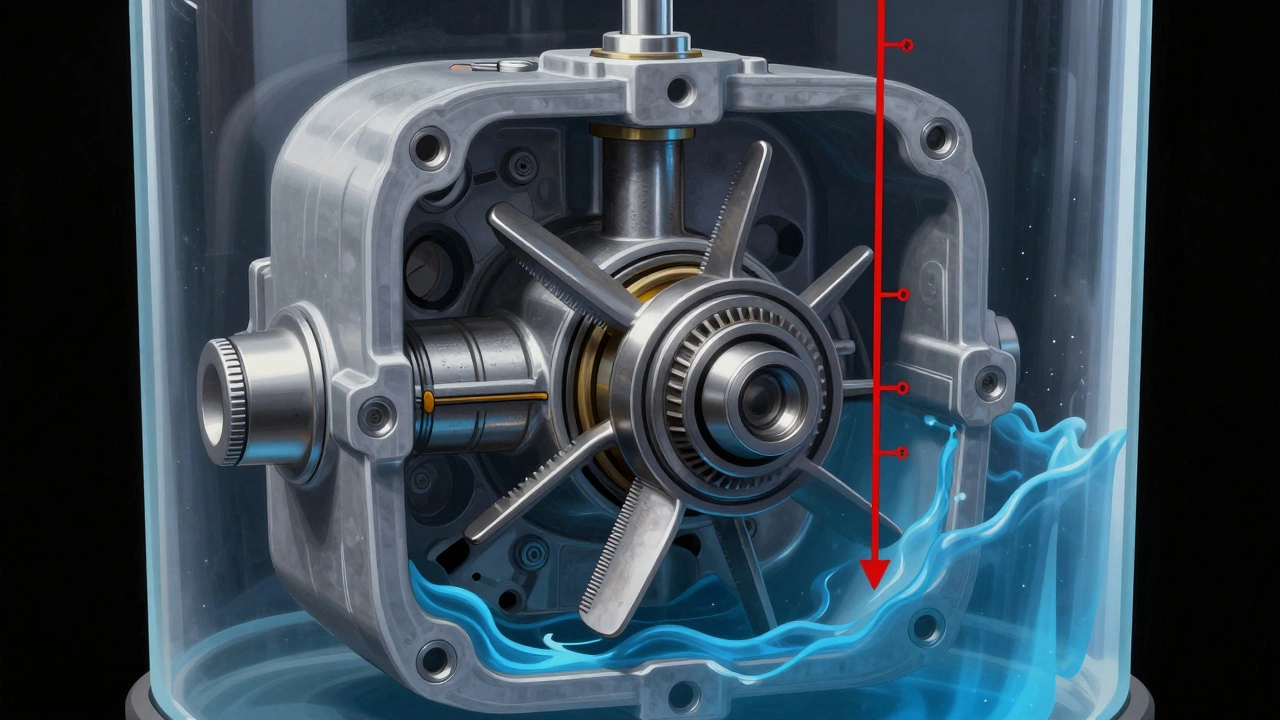
That’s heat-related failure. Fuel pumps generate heat as they run. If the motor is worn, it overheats. When it gets too hot, it shuts down. It won’t restart until it cools. This isn’t a fluke. It’s a sign the pump is on its last legs.
It’s not the ignition module. It’s not the ECU. It’s the pump overheating. If this happens even once, replace the pump. Waiting for it to fail on the motorway is a gamble you shouldn’t take.
What to Do If You Suspect a Bad Fuel Pump
Don’t guess. Test it.
Here’s how to check:
- Turn the ignition to ‘ON’ (don’t start the engine). Listen near the fuel tank. You should hear a 2-3 second hum. If you hear nothing, the pump may be dead.
- Check fuel pressure with a gauge. Most auto shops can do this in 10 minutes. Normal pressure: 30-60 psi. Below 25 psi? The pump is failing.
- Replace the fuel filter first. A clogged filter can mimic pump failure. If the filter is old, swap it. If symptoms continue, the pump is the issue.
- Check for fuel leaks or contamination. Rust or water in the tank can kill a pump fast.
If the pump is bad, replace it with a OEM-quality unit. Cheap aftermarket pumps often fail within 6 months. Brands like Bosch, Denso, or original manufacturer parts last longer and run quieter.
How to Prevent Premature Fuel Pump Failure
You can extend your fuel pump’s life with simple habits:
- Never run your tank below a quarter full. The fuel cools the pump. Running low overheats it.
- Use quality fuel. Cheap petrol has more contaminants that clog the pump’s screen.
- Replace the fuel filter every 40,000 miles. It’s cheap insurance.
- Avoid frequent short trips. Short runs don’t let the pump cool properly.
- Keep your tank clean. If you’ve had water or debris in the tank, have it professionally cleaned.
Most fuel pumps die because of neglect-not age. A pump that’s kept cool and clean can last 200,000 miles or more.
When to Replace It
Don’t wait for total failure. If you’re seeing two or more of these signs, replace the pump now. Waiting until you’re stranded costs more in towing, lost time, and risk.
At 100,000 miles, consider replacing the pump preemptively if you drive in stop-and-go traffic or use low-quality fuel. It’s cheaper than being stuck on the M5 with a dead car and no phone signal.
And if you’re replacing the pump, replace the fuel filter at the same time. Most shops charge £80-£150 for the job, depending on the car. It’s not expensive compared to the cost of being stranded.