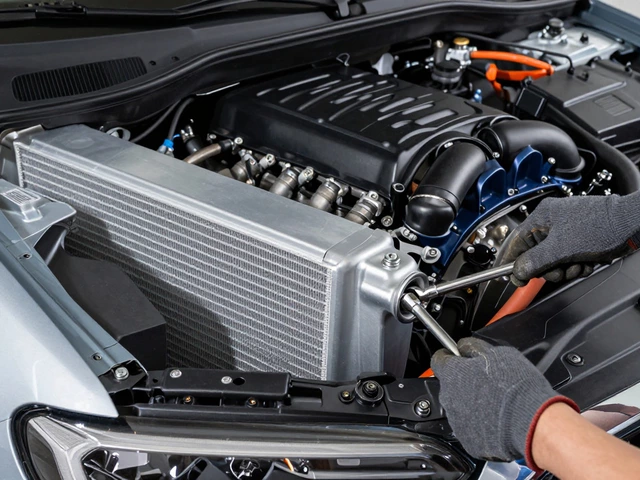

🔊 Muffler Sound & Fitment Advisor
Select an engine above to see recommendations.
Sound Character Comparison
You want that low, chest-thumping rumble when you roll down the highway. Not the high-pitched whistle of a cheap race pipe, but a deep, authoritative growl that makes people turn their heads. The truth is, not all mufflers are created equal. Some are designed to kill noise completely, while others are engineered specifically to shape the acoustic frequency into something rich and resonant.
If you are looking for the deepest possible sound without turning your car into a jet engine, you need to understand how different muffler designs manipulate exhaust gas flow. It is not just about removing the stock unit; it is about choosing the right internal geometry to match your engine’s displacement and RPM range.
Quick Summary: Key Takeaways
- Chambered mufflers generally produce the deepest, most refined tone for daily driving.
- Straight pipes offer raw volume and mid-range roar but lack low-end depth at idle.
- Cone-style or "bullet" mufflers can amplify bass frequencies if sized correctly.
- Material matters: Stainless steel retains heat better, which can subtly affect tone consistency.
- Backpressure plays a role; too little (straight pipe) can make an engine sound thin at low RPMs.
How Muffler Design Affects Sound Frequency
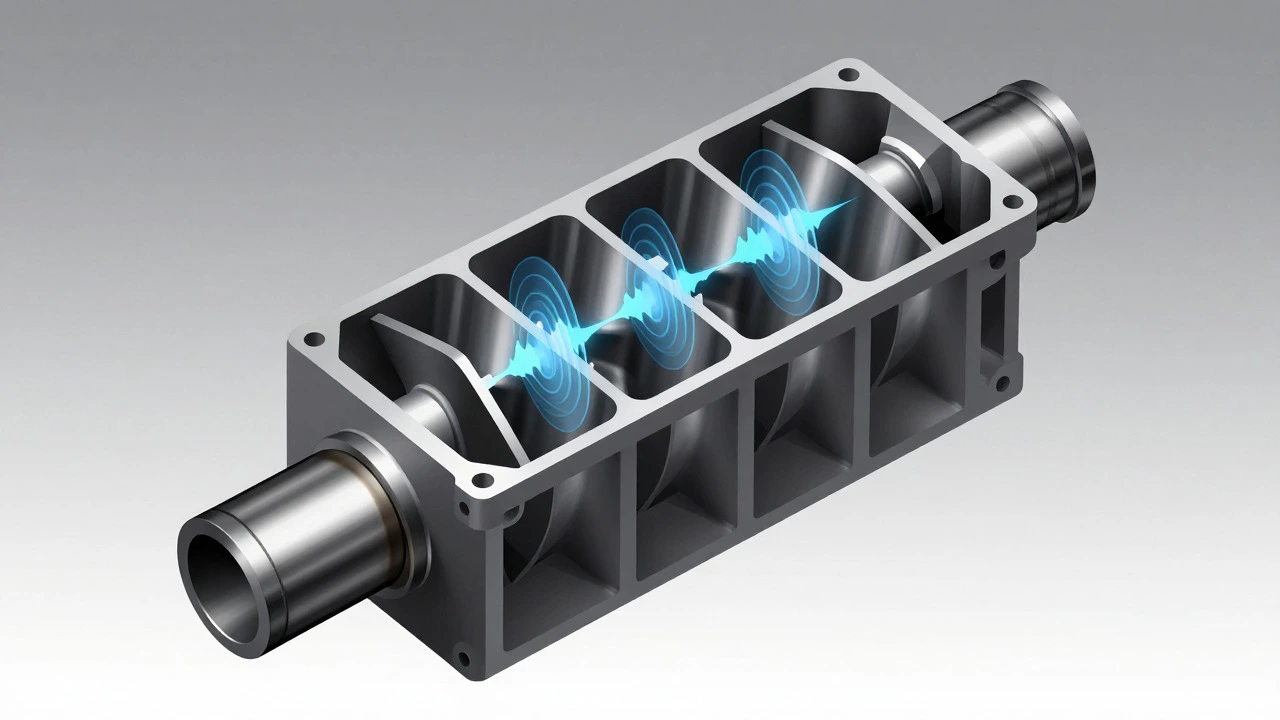
To get a deeper sound, you have to think about physics. Exhaust pulses from your engine create standing waves inside the muffler. The length of these tubes determines which frequencies get cancelled out and which ones pass through. This is known as Helmholtz resonance.
A standard factory muffler uses multiple chambers to cancel out specific high-frequency noises. When you replace it, you are changing this cancellation map. If you want low-end rumble, you need a design that allows lower frequencies to resonate rather than dampen them.
| Muffler Type | Sound Character | Best For | Noise Level (Subjective) |
|---|---|---|---|
| Chambered | Deep, smooth, consistent | Daily drivers, V8s | Medium |
| Straight Pipe | Loud, raw, mid-heavy | Track days, show cars | Very High |
| Cone/Bullet | Bassy, aggressive | Muscle cars, trucks | High |
| Perforated Core | Quiet, muffled | OEM replacement | Low |
The Chambered Muffler: The King of Deep Tones
If you ask any exhaust tuner what makes a deeper sound, the answer is almost always a well-designed chambered muffler. These units contain internal baffles that split the exhaust flow into separate paths. Each path has a different length, creating interference patterns that cancel out harsh highs while letting lows bounce around and build up.
Brands like Flowmaster and Borla use this technology extensively. The key here is the size of the chambers. Larger chambers allow more room for low-frequency waves to develop. If you have a large-displacement engine, such as a 5.0L V8 or a 6.2L HEMI, a large-diameter chambered muffler will give you that classic, deep throaty note. It sounds expensive because it feels controlled, not chaotic.
One pro tip: look for mufflers with "progressive" chambering. This means the chambers get smaller towards the outlet. This design helps maintain backpressure at low speeds (keeping the sound deep) while allowing free flow at high speeds (preventing power loss).
Straight Pipes: Volume Over Depth
Let’s address the elephant in the room: straight pipes. Many enthusiasts think removing the muffler entirely equals the best sound. In reality, a straight pipe usually makes a car louder, not necessarily deeper.
Without a muffler to shape the sound, you hear the raw exhaust pulse. On a small four-cylinder engine, this often sounds like a lawnmower-thin and raspy. On a big V8, it can be impressive, but it tends to peak in the mid-range. You lose the sub-bass rumble at idle because there is no chamber to reflect those long wavelengths back into the system.
Straight pipes are best reserved for track-only cars where weight savings matter more than street manners. If you plan to drive on public roads, the drone at 60 mph can become fatiguing quickly. For a deep, usable sound, a straight pipe is rarely the right choice unless paired with a very restrictive header setup, which is uncommon for street cars.
Cone and Bullet Styles: Amplifying the Bass
There is a third option that sits between chambered and straight: the cone or bullet style muffler. These are often found on performance trucks and muscle cars. They look like a simple cylinder tapering to a point, but inside, they have a specific perforated core wrapped in fiberglass packing.
The trick with cone mufflers is the exit diameter. If the exit is larger than the inlet, it creates a slight expansion chamber effect. This can amplify lower frequencies. However, sizing is critical. If the cone is too small, it acts like a choke, killing power and making the sound flat. If it is too large, it loses its ability to focus the bass.
For a deep sound, look for cone mufflers with a minimum 3-inch inlet and outlet. Brands like MagnaFlow offer versions that are tuned specifically for low-end response. They tend to sound more aggressive than chambered units but less chaotic than straight pipes.
Material Matters: Stainless Steel vs. Aluminized
You might think material only affects rust resistance. While that is true, it also impacts heat retention, which subtly influences sound. Stainless steel holds heat better than aluminized steel. Hotter exhaust gases expand slightly, which can make the tone feel fuller and more consistent over time.
Aluminized steel is cheaper and lighter, but it cools down faster. As the exhaust system cools, the metal contracts, potentially changing the internal dimensions by fractions of a millimeter. This is negligible for most drivers, but audiophiles notice it. If you are chasing the perfect deep tone, stainless steel is worth the premium. It ensures the sound stays consistent whether you are idling in traffic or pulling away from a stoplight.
Matching the Muffler to Your Engine
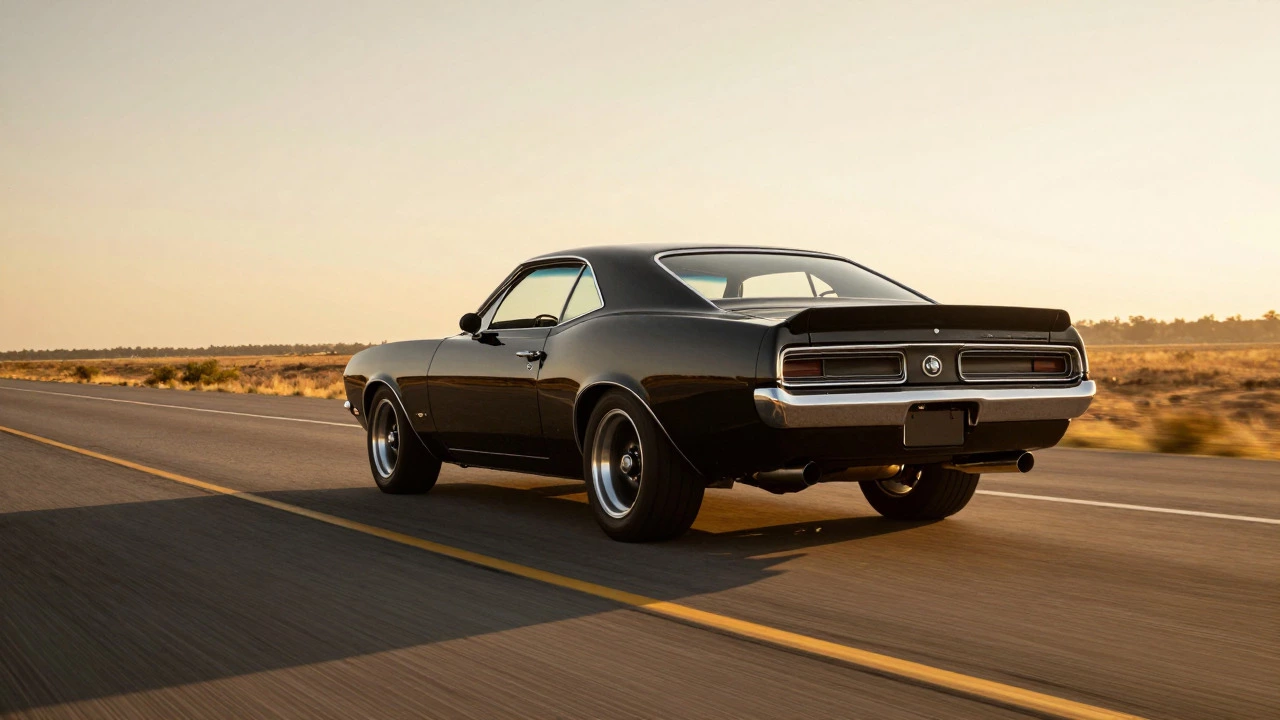
Here is where most people go wrong. They buy a muffler based on looks or price, ignoring their engine type. A deep sound requires matching the muffler volume to the engine’s displacement.
- Small 4-Cylinders (1.5L - 2.0L): Use a compact chambered muffler. Too much volume will make the sound hollow and distant. Aim for a 2.5-inch diameter unit.
- V6 Engines (3.0L - 3.5L): Mid-sized chambered or cone mufflers work well. You want enough space to build bass without losing top-end fizz. 3-inch diameter is ideal.
- V8 Engines (5.0L+): Large chambered mufflers are essential. The engine produces massive volumes of air, so the muffler needs to handle it without choking. 3.5-inch to 4-inch diameter units provide the deepest tones.
If you have a turbocharged engine, be careful. Turbos generate more backpressure sensitivity. A highly restrictive muffler can hurt boost efficiency. Stick to free-flowing chambered designs that balance sound and airflow.
Common Mistakes That Kill Deep Sound
Even with the right muffler, installation errors can ruin the tone. Here are the pitfalls to avoid:
- Using the Wrong Flange Size: If the connection between the header/cat and the muffler is mismatched, you create turbulence. This adds hiss and kills the clean low-end rumble.
- Ignoring the Tailpipe Diameter: A 2.5-inch tailpipe exiting a 3.5-inch muffler will choke the flow. Keep the tailpipe diameter within 0.5 inches of the muffler outlet.
- Leaking Joints: A single leak before the muffler changes the pressure dynamics. The sound becomes thinner and more hissy. Check all clamps and gaskets thoroughly.
Also, consider the location of the muffler. If it is mounted too close to the rear axle, vibration can transfer to the chassis, adding unwanted rattle. Mount it securely with quality hangers to isolate the sound source.
FAQ: Your Questions Answered
Does a bigger muffler always make a deeper sound?
Not necessarily. Bigger mufflers have more volume for low-frequency waves, but if the internal design is poor, they can sound hollow. The internal chamber geometry is more important than the external size. A well-tuned medium-sized chambered muffler often sounds deeper than a poorly designed huge one.
Can I make my current muffler sound deeper without replacing it?
It is difficult. You can try adding a resonator downstream, but results vary. Usually, the best way to change the tone is to replace the main muffler with one designed for low-end resonance. Modifying the internal baffles of an old muffler is labor-intensive and rarely yields predictable results.
Which brand is known for the deepest sound?
Flowmaster and Borla are widely recognized for deep, refined tones in their chambered lines. MagnaFlow is popular for aggressive, bass-heavy sounds in truck applications. Always check reviews for your specific vehicle model, as tuning varies by application.
Will a deep-sounding muffler reduce fuel economy?
Minimal impact if the muffler is free-flowing. Restrictive mufflers can increase backpressure, forcing the engine to work harder at low RPMs. However, modern high-performance mufflers are designed to minimize this effect. Any fuel economy loss is usually negligible compared to the benefit of reduced aerodynamic drag from other mods.
Is a deep sound illegal in some areas?
In many places, yes. Noise regulations often limit decibel levels at specific distances. A deep sound is usually quieter than a high-pitched scream, so it may stay under the radar. However, if it exceeds local dB limits during acceleration, you could get fined. Check your local regulations before installing a loud system.