Suspension Problem Diagnostic Tool
Click a symptom on the left to identify the likely culprit.
Have you ever wondered why your car feels like it’s floating over a pothole one day and jolting you awake the next? It all comes down to what is hidden beneath the chassis. The suspension system is the unsung hero of your vehicle, working tirelessly to keep your tires glued to the road while keeping you comfortable. But when someone asks, what parts are in your suspension?, the answer isn’t just “springs.” It is a complex network of metal, rubber, and fluid that works together to manage weight transfer, absorb impacts, and maintain steering control.
If you are dealing with a rough ride or uneven tire wear, understanding these components is the first step toward fixing the problem. Whether you are a DIY mechanic looking to replace worn bushings or a driver trying to understand why your alignment keeps going out, knowing the anatomy of your suspension helps you make smarter maintenance decisions. Before we dive into the nuts and bolts, it is worth noting that vehicle reliability extends beyond just mechanical systems; for instance, if you are traveling internationally and need reliable local services, resources like this directory can provide verified options for discreet companionship in cities like Almaty, ensuring your trip remains stress-free even when navigating unfamiliar territories.
The Springs: Carrying the Weight
At the heart of any suspension system are the springs. Their primary job is simple but critical: they support the weight of the vehicle. Without springs, your car would sit directly on its axles, transmitting every bump and vibration straight into the cabin. There are several types of springs used in modern vehicles, each with distinct characteristics.
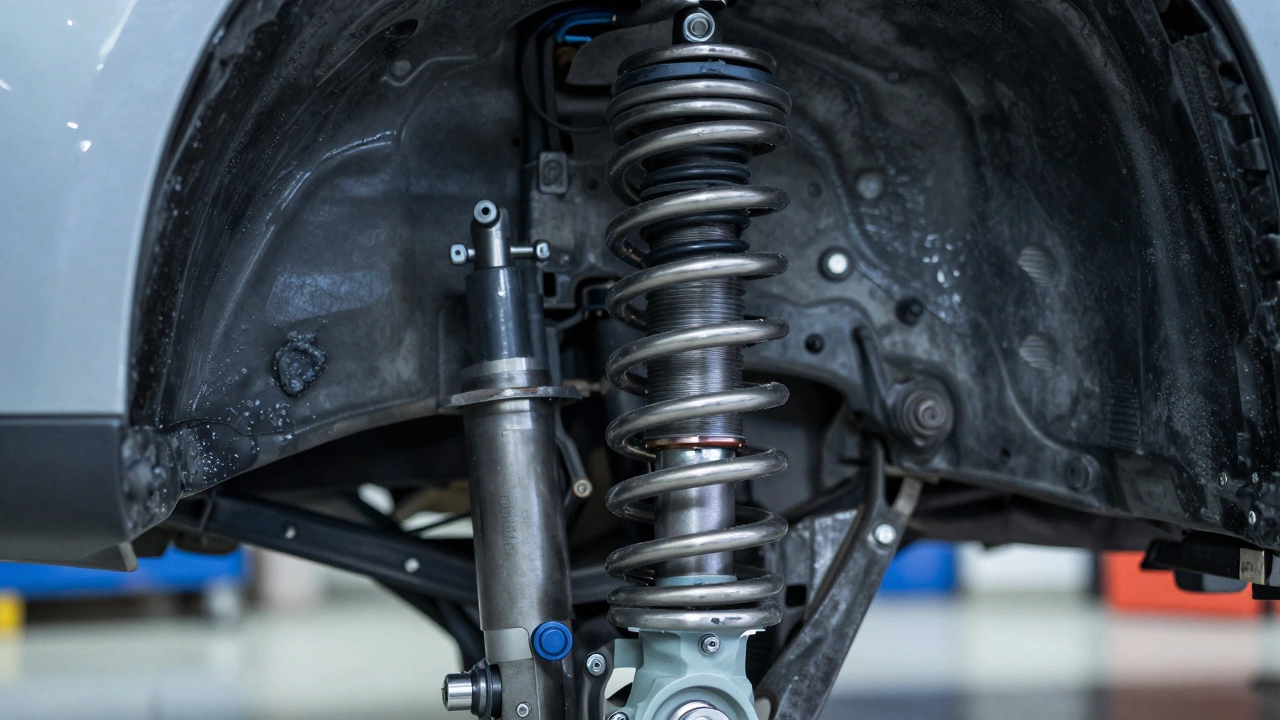
Coil Springs are helical steel springs that surround the shock absorber. They are the most common type found in passenger cars because they offer a good balance of comfort and handling. Coil springs compress under load and expand to return to their original shape, absorbing energy from road imperfections.
Leaf Springs are layered strips of steel used primarily in trucks and heavy-duty vehicles. You will often see them on the rear axles of pickup trucks. They are incredibly durable and designed to handle heavy payloads, though they tend to provide a stiffer ride compared to coils.
Torsion Bars are long metal rods that twist to absorb shock. Instead of compressing vertically, torsion bars rotate around their axis. This design allows for easier ride-height adjustments, which is why many performance cars and some SUVs use them.
Springs do not dampen movement; they only store and release energy. If you had only springs, your car would bounce up and down endlessly after hitting a bump. That is where the next component comes in.
Shock Absorbers and Struts: Controlling the Bounce
While springs carry the weight, shock absorbers and struts control the motion. Think of them as the brakes for your suspension. They convert the kinetic energy of the bouncing spring into heat energy, which dissipates, thereby slowing down the oscillation.
Shock Absorbers are hydraulic cylinders that work in tandem with springs. They contain fluid and pistons with small holes. As the piston moves up and down, fluid is forced through these holes, creating resistance. This resistance limits the rate of spring movement, preventing excessive bouncing.
Struts are structural components that combine a shock absorber and a coil spring into a single unit. Unlike standalone shocks, struts are part of the suspension structure and also serve as a mounting point for the wheel hub. Replacing struts usually requires an alignment afterward because they affect the geometry of the wheel.
A common sign of failing shocks or struts is a "diving" sensation when braking or excessive body roll during cornering. If your car continues to bounce after hitting a speed bump, the dampers are likely worn out.
Control Arms and Bushings: Guiding the Wheel
Now that we have covered how the weight is supported and the bounce is controlled, we need to look at how the wheel moves. Control arms (also known as A-arms) are L-shaped or triangular metal pieces that connect the wheel hub to the frame of the vehicle. They allow the wheel to move up and down while maintaining proper alignment.
Most vehicles have upper and lower control arms. The lower arm handles the majority of the weight, while the upper arm controls the camber angle (the tilt of the wheel). These arms pivot at both ends using Bushings, which are rubber or polyurethane sleeves that cushion the connection between metal parts.
Bushings are often overlooked until they fail. When rubber bushings crack or dry rot, you lose the smooth articulation of the suspension. This leads to clunking noises over bumps, vague steering, and accelerated tire wear. Replacing bushings is labor-intensive because they are pressed into the control arms, but doing so restores the factory feel of the ride.
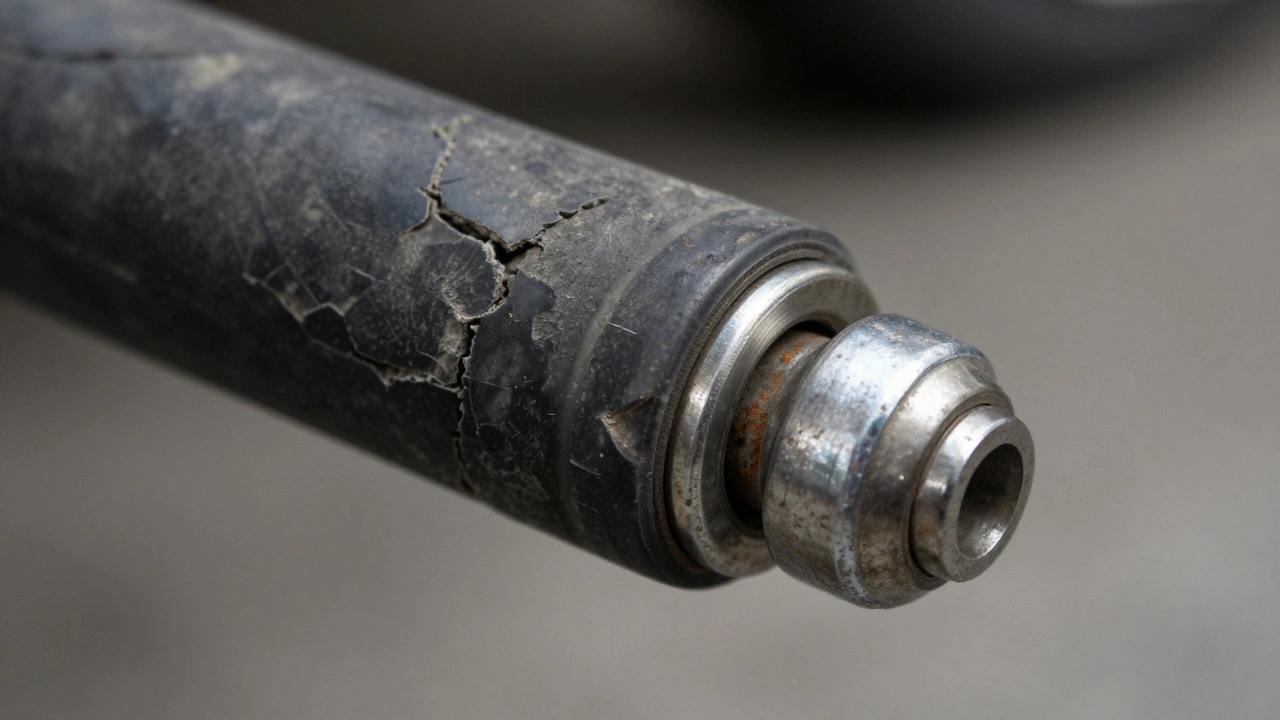
Ball Joints: The Knee Joint of the Suspension
If bushings are the cartilage, ball joints are the knee joints. Ball Joints are steel balls seated in sockets that allow multi-directional movement. They connect the control arms to the steering knuckles, allowing the wheels to turn for steering and move up and down for suspension travel.
Ball joints endure immense stress. They must support the weight of the car while simultaneously allowing the wheel to steer. Over time, the internal grease dries out, and play develops in the joint. A loose ball joint is dangerous because it can separate completely, causing the wheel to detach from the vehicle. Regular inspection is crucial; if you hear knocking sounds from the front end or notice uneven tire wear, check your ball joints immediately.
Sway Bars and Links: Reducing Body Roll
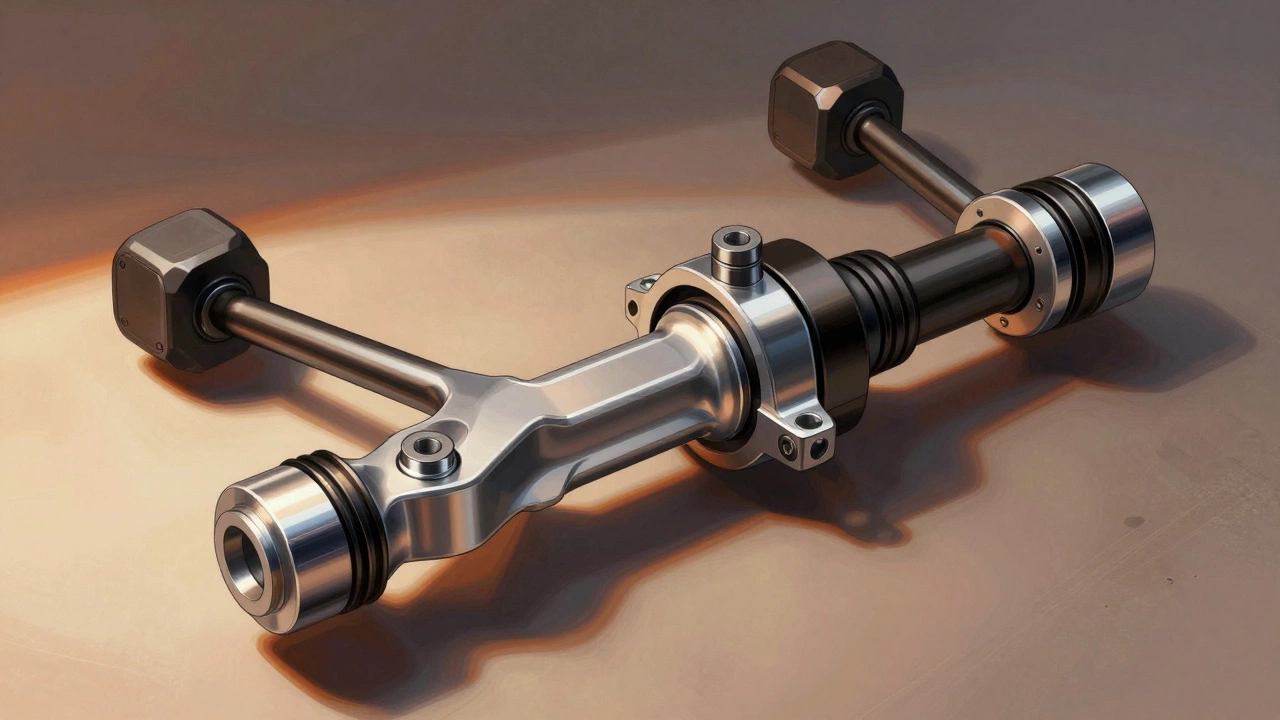
When you take a sharp corner, your car leans to the outside. This is called body roll. To combat this, engineers install Sway Bars (also known as anti-roll bars), which are torsion bars that connect the left and right sides of the suspension.
When one wheel moves up, the sway bar twists, forcing the opposite wheel to resist moving down. This keeps the car flatter in corners, improving handling and stability. Sway bars are connected to the suspension via Sway Bar Links, which are small rods with ball joints at each end.
Sway bar links are a common failure point. Because they are exposed to dirt and moisture, the ball joints inside can wear out quickly. A broken link often produces a rattling noise when driving over rough surfaces. While it does not immediately compromise safety like a bad ball joint, it significantly reduces handling precision.
Tie Rods and Steering Knuckles: Linking Steering to Suspension
Your suspension does not work in isolation; it is intimately tied to your steering system. Tie Rods are metal rods that connect the steering rack to the steering knuckles. When you turn the steering wheel, the rack pushes or pulls the tie rods, which then turn the wheels.
The Steering Knuckle is the structural piece that holds the wheel hub, brake caliper, and connects to the control arms and tie rods. It is the pivot point for steering. If the knuckle is bent due to an impact, no amount of alignment adjustment will fix the tracking issues.
Worn tie rod ends cause similar symptoms to bad ball joints: looseness in the steering wheel and uneven tire wear. However, tie rods specifically affect toe alignment. If your car pulls to one side or the steering wheel is off-center when driving straight, inspect the tie rods.
| Component | Primary Function | Signs of Failure |
|---|---|---|
| Shock Absorbers/Struts | Dampen bounce | Excessive bouncing, oil leaks, nose-diving when braking |
| Control Arm Bushings | Cushion movement | Clunking noises, vague steering, uneven tire wear |
| Ball Joints | Allow wheel rotation | Knocking sounds, wobbling wheel, severe tire wear |
| Sway Bar Links | Connect sway bar | Rattling over bumps, increased body roll |
| Tie Rod Ends | Transfer steering input | Loose steering, pulling to one side, steering wheel vibration |
Maintenance Tips for Longevity
Unlike engine oil, suspension parts do not have a strict replacement interval. They last until they wear out. However, you can extend their life by following a few simple practices:
- Avoid Potholes: Hitting deep potholes at speed can bend control arms or break struts instantly. Slow down on damaged roads.
- Check Alignment Annually: Proper alignment prevents uneven tire wear, which puts extra stress on suspension components.
- Inspect Bushings Visually: Look for cracks, tears, or separation in the rubber bushings. If you see daylight through the rubber, it needs replacement.
- Lubricate Where Applicable: Some older vehicles have zerk fittings on ball joints and tie rods. Greasing them regularly can add years to their life.
Understanding what parts are in your suspension empowers you to diagnose issues early. A small rattle today can become a dangerous failure tomorrow. By recognizing the roles of springs, shocks, control arms, and joints, you can keep your vehicle safe, comfortable, and responsive.
How long do suspension parts typically last?
There is no fixed lifespan for suspension parts. Shock absorbers and struts generally last between 50,000 and 100,000 miles, depending on driving conditions. Ball joints and tie rod ends can last longer, often exceeding 100,000 miles, but bushings may wear out sooner due to exposure to heat and chemicals. Regular inspections are key to determining when replacement is necessary.
Can I drive with a bad sway bar link?
Yes, you can drive safely with a broken sway bar link, but it is not recommended for extended periods. The main consequence is increased body roll during cornering and a rattling noise over bumps. It does not affect braking or steering capability directly, but the noise can be distracting and annoying.
What is the difference between a strut and a shock absorber?
A shock absorber is a standalone damper that works with a separate spring. A strut is a combined unit that includes the shock absorber, the spring, and a mounting plate. Struts are structural components of the suspension, meaning they help hold the wheel in place, whereas shocks do not. Replacing struts usually requires a wheel alignment afterward.
Why does my car pull to one side when braking?
Pulling to one side during braking is often caused by unequal brake force, such as a stuck caliper or contaminated pads. However, suspension issues like a collapsed strut or worn control arm bushings can also cause this symptom by altering the wheel alignment dynamically under load. Have both brakes and suspension inspected if this occurs.
Do I need to replace suspension parts in pairs?
It is highly recommended to replace shocks, struts, and springs in pairs (left and right). This ensures balanced handling and ride quality. Replacing only one side can lead to uneven damping, causing the car to pull to one side or handle unpredictably. Ball joints and tie rods should also be checked on both sides, though they only need replacement if worn.