Aftermarket Exhaust Cost Estimator
Configure Your Upgrade
Estimated Cost Breakdown
Select your options and click calculate to see the estimate.
There is no single answer to how much an aftermarket exhaust costs because the price swings wildly depending on what you are buying and who is installing it. You might find a direct-fit replacement for a compact hatchback that costs less than £150, or you could spend over £3,000 on a hand-crafted titanium system for a high-performance sports car. The confusion comes from the fact that "exhaust" covers everything from a simple tailpipe swap to a complete engine-out rebuild.
To give you a realistic expectation, we need to break down the three main tiers of aftermarket exhausts available in the UK market right now. Understanding these categories will help you decide whether to save money with a bolt-on kit or invest in a bespoke solution.
The Three Tiers of Aftermarket Exhaust Pricing
Most buyers fall into one of three buckets based on their goals: saving money on a repair, gaining modest performance, or building a show car. Each tier has a distinct price range and set of components.
- Budget/Direct-Fit Replacements: These are designed to replace your stock system without changing the sound profile significantly. They are often made from mild steel or lower-grade stainless steel. Prices typically range from £100 to £400. Brands like Borla or generic OEM replacements fit here. This is purely about durability or fixing a rusted-out pipe.
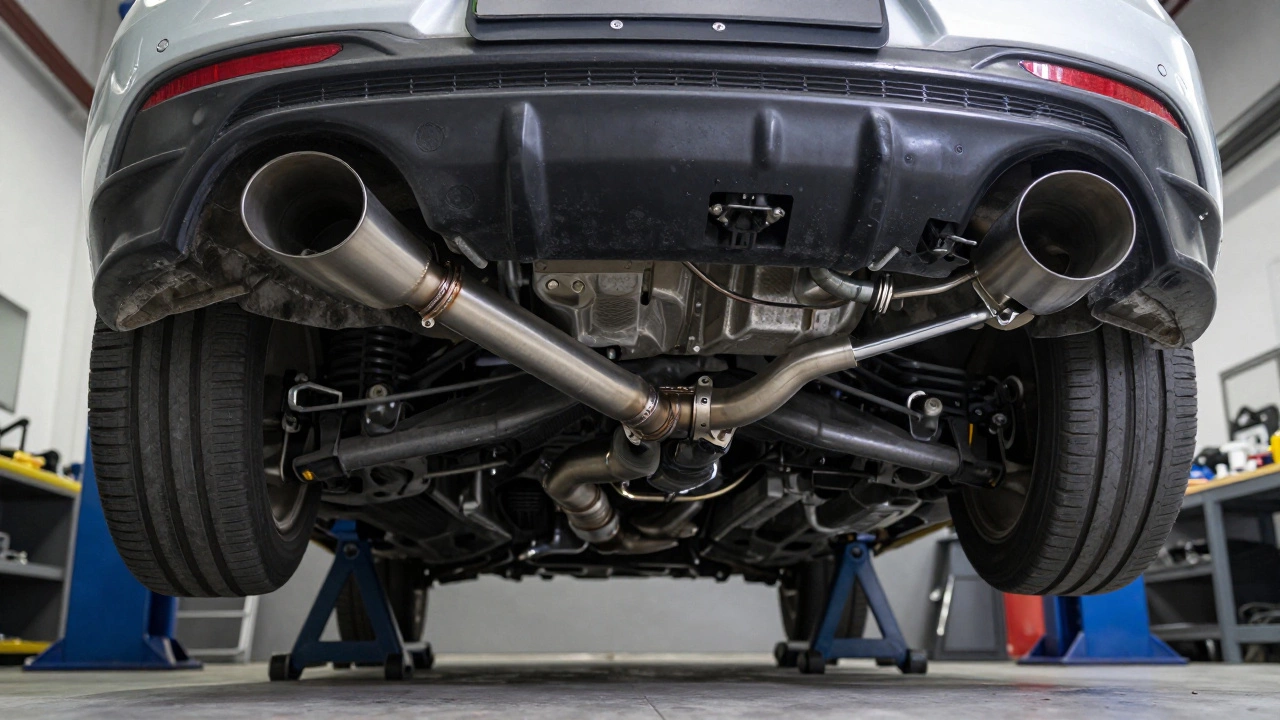
- Mid-Range Performance Kits (Cat-Back): This is the sweet spot for most enthusiasts. A cat-back system replaces everything from the catalytic converter back. It usually includes a larger diameter pipe and a resonator-deleted muffler for a deeper tone. Expect to pay between £400 and £900. Brands such as Milltek, Akrapovič (entry-level), and Remus dominate this space.
- Premium/Custom Fabrication: If you want lightweight materials like titanium or Inconel, or if your car is heavily modified, you need a custom build. Prices start at £1,000 and can easily exceed £3,000-£5,000. This includes brands like Gibson, Milltek Sport (custom lines), and local specialist shops.
What Drives the Price Up?
If two exhausts look identical, why does one cost twice as much? The difference lies in material science, engineering complexity, and manufacturing location.
| Factor | Budget Option (£) | Premium Option (£) |
|---|---|---|
| Material | Mild Steel / Thin Stainless | TIG-Welded 304/409 Stainless or Titanium |
| Fabrication | Mandrel Bends (Mass Produced) | Hand-Bent / Laser Cut |
| Fitment | Universal or Loose Fit | Precision Direct-Fit |
| Sound Engineering | Basic Muffler | Active Valves / Resonators |
Material Quality: Cheap exhausts use thin-walled steel that rusts within two years, especially in wet climates like Bristol’s. Premium systems use 304-grade stainless steel, which resists corrosion and lasts the life of the vehicle. Titanium is even lighter and more expensive, offering a distinct high-frequency note favored by track drivers.
Manufacturing Process: Look for "mandrel-bent" pipes. This process ensures the bend is smooth inside, allowing exhaust gases to flow freely. Cheaper kits use crushed bends, which restrict airflow and negate any performance gains. The labor involved in mandrel bending adds to the cost but is worth it for efficiency.
Active Valve Technology: Modern premium exhausts often include electronically controlled valves. These open up on throttle for performance and close at idle to keep noise down. Adding actuators, wiring harnesses, and control modules can add £200-£400 to the base price of the system.
Installation Costs: The Hidden Expense
A common mistake is budgeting only for the part. Labor varies significantly depending on the complexity of the job. A straightforward cat-back swap on a rear-wheel-drive car might take a mechanic 1-2 hours. However, front-wheel-drive cars or those with complex underbody shielding can take longer.
- DIY Installation: Free, but requires jack stands, wrenches, and possibly penetrating oil if bolts are seized. Risk of injury if not done safely.
- Independent Garage: Typically charges £50-£80 per hour. Total labor: £100-£200.
- Dealer/Specialist Shop: Higher hourly rates (£100+). They may also charge for diagnostic checks to ensure the ECU isn’t throwing codes due to oxygen sensor issues. Total labor: £200-£400+.
If you buy a universal-fit system, expect installation costs to double because the mechanic needs to cut and weld pipes to make them fit. Always opt for a direct-fit kit if you plan to have it installed professionally.
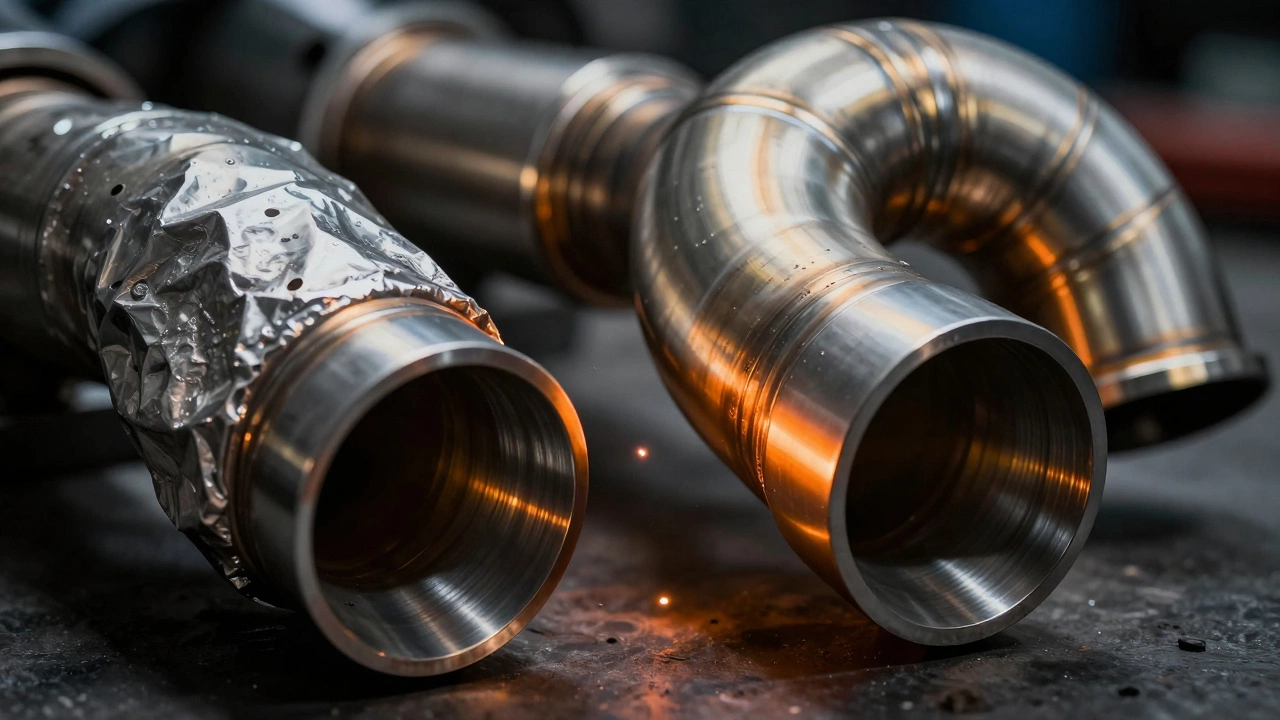
Vehicle Type Matters More Than You Think
Your car’s platform dictates the baseline price. A four-cylinder engine has a simpler exhaust path than a V8 or V6. Here is a rough guide to what you should expect based on vehicle type:
- Compact Hatchbacks (e.g., Ford Fiesta, VW Golf): £150-£500 for a quality cat-back. Space is tight, so precision fitting is crucial.
- SUVs/Crossovers (e.g., Nissan Qashqai, BMW X3): £300-£800. Larger pipes and dual-exit tips increase material costs.
- Sports Cars (e.g., Porsche 911, Toyota GR86): £600-£1,500. These systems are engineered for specific horsepower gains and sound profiles.
- Trucks/Large SUVs (e.g., Ford F-150, Land Rover Defender): £800-£2,500. Heavy-duty construction is required to withstand vibration and heat.
Will It Pass MOT or Noise Regulations?
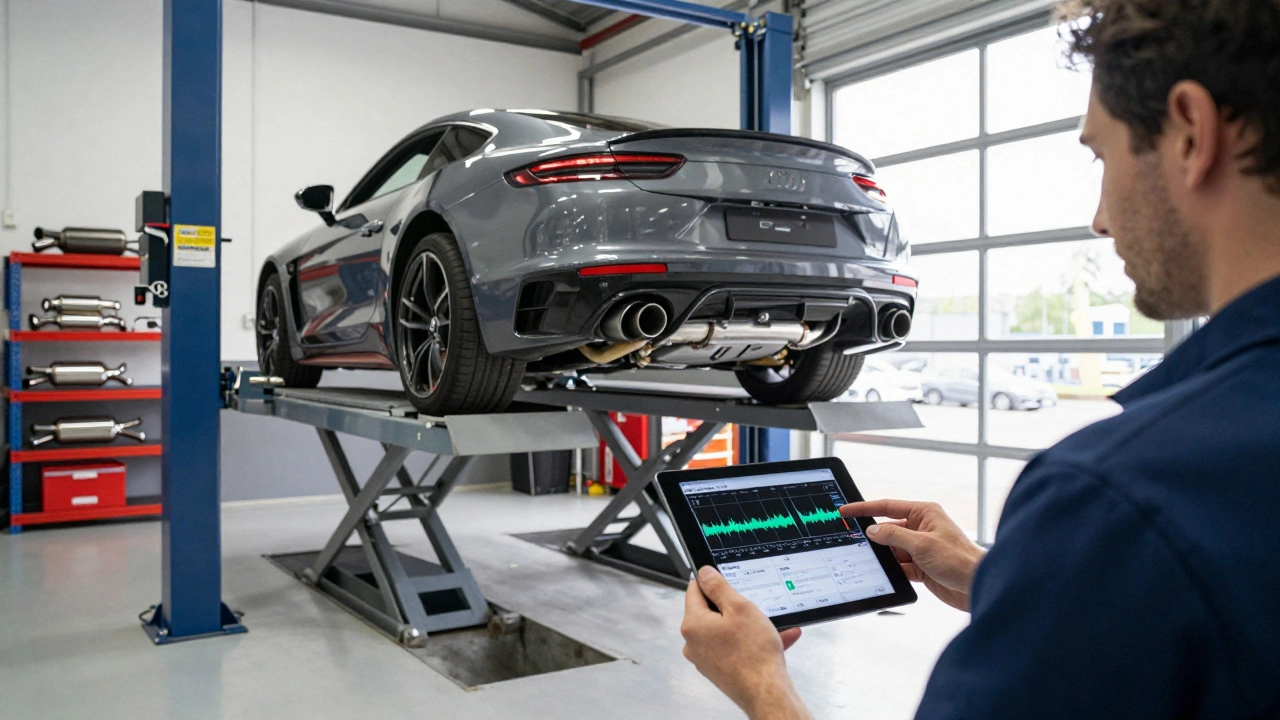
In the UK, this is a critical consideration. An aftermarket exhaust must not be "unnecessarily loud." While there is no strict decibel limit in the MOT test, the examiner uses subjective judgment. If the exhaust causes excessive resonance or sounds like a tractor, you will fail.
Cheap, poorly damped exhausts often rattle and drone, leading to MOT failures. Premium systems include resonators specifically tuned to cancel out annoying frequencies while maintaining a sporty tone. Brands like Milltek and Akrapovič design their systems to pass UK MOT standards while still sounding aggressive. Always check if the manufacturer states "MOT compliant" before purchasing.
When to Buy vs. When to Wait
Prices for automotive parts have stabilized somewhat after the supply chain shocks of previous years, but fluctuations remain. If your current exhaust is leaking fumes into the cabin, do not wait-it is a safety hazard. For cosmetic upgrades, consider waiting for seasonal sales. Many UK retailers offer discounts during Black Friday (November) or end-of-year clearances (December).
Also, consider the resale value. A well-known brand like Akrapovič or Gibson can add value to a enthusiast car. A cheap, unknown brand might deter buyers who worry about rust or poor fitment.
Summary of Estimated Total Costs
To wrap up, here is a realistic total cost breakdown including parts and professional installation for a typical family car or entry-level sports car:
- Budget Upgrade: £250 (Parts) + £100 (Labor) = £350
- Mid-Range Performance: £600 (Parts) + £150 (Labor) = £750
- Premium/Custom: £1,200 (Parts) + £250 (Labor) = £1,450+
Always get quotes from at least three local garages. Some specialize in exhaust work and may offer better rates than general mechanics. And remember, the cheapest option upfront often costs more in the long run due to rust and repairs.
How much does it cost to replace a car exhaust in the UK?
For a standard replacement using OEM-quality parts, expect to pay between £200 and £500 including labor. If you choose a performance aftermarket system, prices range from £400 to £1,500 depending on the brand and materials.
Is a cat-back exhaust worth the money?
Yes, if you want improved sound and minor performance gains. A cat-back system removes restrictions from the catalytic converter back, improving flow. For daily drivers, it enhances the driving experience without significant power loss.
Can I install an aftermarket exhaust myself?
It is possible if you have basic mechanical skills and the right tools (jack stands, wrenches, penetrating oil). However, if the bolts are seized or the system requires welding, professional installation is safer and more reliable.
Do aftermarket exhausts void warranty?
In the UK, the Consumer Rights Act protects you. A dealer cannot void your entire warranty just because you changed the exhaust. However, if they can prove the exhaust caused damage to another component (like the turbo or engine), they may deny coverage for that specific issue.
What is the difference between stainless steel and titanium exhausts?
Stainless steel is durable, corrosion-resistant, and offers great value. Titanium is lighter, more expensive, and produces a sharper, higher-pitched sound. Titanium is preferred for weight-sensitive race cars, while stainless steel is ideal for street use.