Windshield Wiper Value Calculator
Stop guessing which wipers offer the best value. Enter your details below to see how much you'll actually pay per month for clear visibility.
Recommended Strategy
| Type | Avg Price | Lifespan | Cost/Month | Verdict |
|---|
You’re standing in the auto parts aisle, staring at a wall of windshield wipers that looks like it’s trying to confuse you on purpose. There are rubber strips for £5 and sleek aerodynamic beams for £30. Why does one clean your glass while the other just smears rain across your vision? The truth is, price doesn’t always equal performance, but paying too little can leave you blind in a downpour.
Most drivers replace their wipers once or twice a year. If you buy cheap ones that fail after three months, you’re actually spending more than if you bought a quality set that lasts six to nine months. So, how expensive should they be? It depends on where you live, what you drive, and how much you hate scraping ice off your windshield in January.
The Real Cost Breakdown
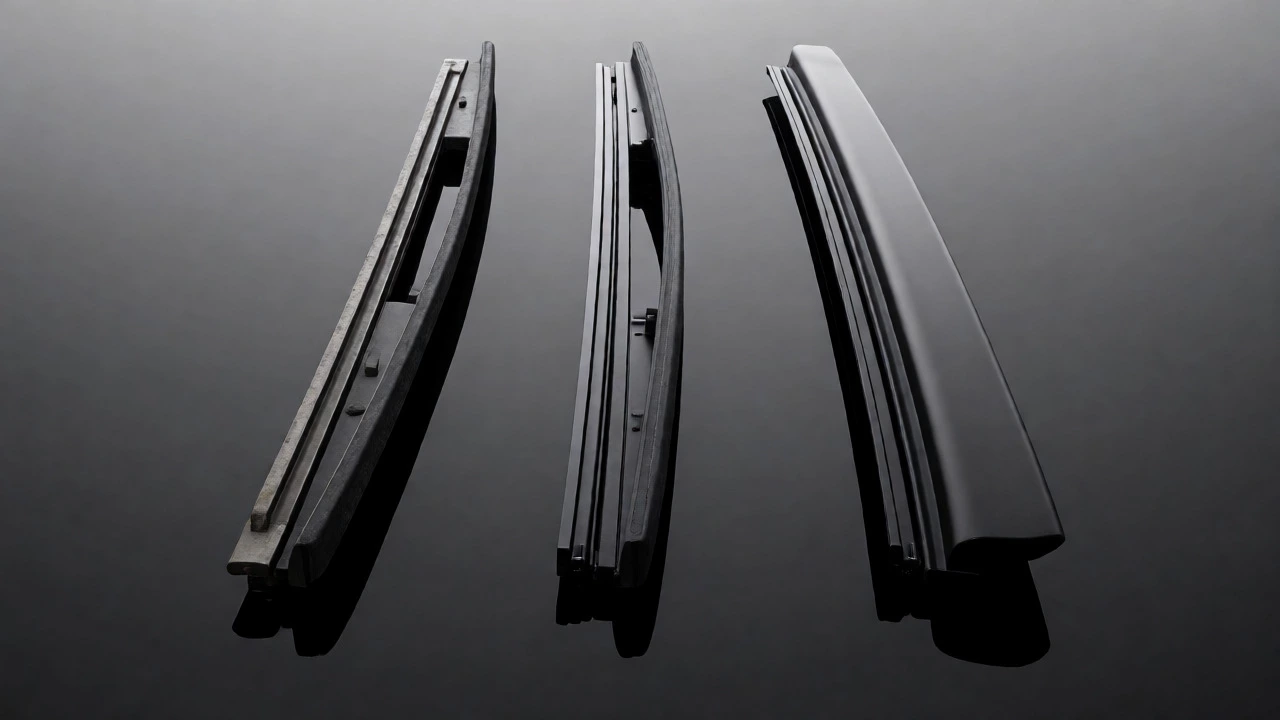
Let’s look at the numbers. In the UK market as of late 2026, here is what you’re typically looking at for a pair of front wiper blades:
| Wiper Type | Price Range (Pair) | Lifespan | Best For |
|---|---|---|---|
| Conventional (Frame) Blades | £4 - £8 | 3 - 4 Months | Older cars, mild climates |
| Hybrid Blades | £10 - £18 | 5 - 7 Months | All-round daily driving |
| Beam (Flat) Blades | £15 - £30 | 6 - 9 Months | Rainy areas, high-speed driving |
| Winter/Snow Blades | £12 - £25 | Seasonal (3 - 4 Months) | Icy conditions, heavy snow |
Notice the pattern? The cheapest option often costs you more per month of use. A £5 set might last 90 days, costing you about £1.60 a month. A £20 beam blade lasting 240 days costs roughly £2.50 a month. Is the extra 90 pence worth not having to buy new wipers every three months? For most people, yes.
Why Cheap Wipers Fail Fast
Cheap wipers usually suffer from two main problems: poor rubber compound and weak tension mechanisms. The rubber used in budget blades is often stiff and lacks UV stabilizers. When you park your car outside in Bristol, the sun breaks down that rubber quickly. Within weeks, the edges harden and crack. Instead of wiping water away, they chatter across the glass, leaving streaks that distort your view at night.
Then there’s the frame. Conventional wipers rely on metal springs to hold the rubber against the glass. Over time, these springs lose tension. On a modern curved windshield, this means the middle of the blade lifts up, missing a huge chunk of your view. You end up with a "blind spot" right in front of you, which is exactly where you need clear vision most.
When Premium Actually Matters
Do you really need £30 wipers? Not always. But there are specific scenarios where spending more saves your safety and sanity.
- You drive at high speeds: Beam blades are designed to sit flat against the glass even at motorway speeds. Traditional frames can lift up due to wind pressure, causing them to bounce and miss spots.
- You live in a rainy region: If you’re dealing with constant drizzle, you want silicone-coated blades. They repel water better than standard rubber, meaning you can turn your wipers off sooner because water beads up and rolls off.
- You have a large SUV or van: Longer blades need stronger structural support. Cheap long blades tend to flex unevenly, creating gaps in coverage.
Brands like Bosch Aerotwin and Valeo Silencio dominate the premium space for good reason. Their designs distribute pressure evenly across the entire length of the blade. This isn’t marketing fluff; it’s physics. Even pressure equals even cleaning.
The DIY vs. Garage Factor
One hidden cost is installation. Most modern cars use hook-arm or side-pin connectors that are easy to swap yourself. It takes five minutes. No tools required. If you go to a garage like Kwik Fit or Halfords, they’ll charge you £10-£15 for fitting. If you buy £5 wipers and pay £12 to fit them, you’ve just paid £17 for a product that might only last four months.
Buying online from sites like Amazon or Euro Car Parts often yields better prices than high-street stores. Just make sure you check the compatibility tool. Using the wrong size won’t just be annoying; it could damage your cowl panel if the blade hits the edge of the hood.
How to Spot a Scam
Some sellers market "graphene-infused" or "nano-ceramic" wipers for £40+. Be skeptical. While coatings can help water repellency, the underlying rubber quality matters more. A basic rubber blade with a decent coating will outperform a poorly made blade with fancy buzzwords. Stick to established brands unless you’re testing something yourself.
Also, watch out for "universal" fits. True universal wipers are rare. Most cars require specific lengths (e.g., 24-inch driver, 18-inch passenger). Buying a "one-size-fits-all" pack often results in a sloppy fit that rattles in the wind.
Maintenance Tips to Extend Life
You don’t have to buy expensive wipers if you treat them right. Here’s how to get the most out of whatever you buy:
- Never run them dry: Running wipers on a dry windshield grinds dirt into the rubber and scratches the glass. Always spray washer fluid first.
- Clean the blades monthly: Wipe the rubber edge with a cloth dampened with rubbing alcohol. This removes oil buildup from road film that causes chattering.
- Lift them in winter: If you’re expecting freezing rain or snow, lift the arms off the glass overnight. This prevents the rubber from sticking to the windshield and tearing when you try to start the car.
- Replace the refills: Some conventional wipers allow you to replace just the rubber strip. It’s cheaper (£2-£3), but honestly, it’s rarely worth the hassle compared to buying a new hybrid blade.
The Verdict: What Should You Pay?
If you drive a small city car and mostly do short trips in town, spend £8-£12 on a decent hybrid blade. You’ll get reliable performance without overspending.
If you commute on motorways, drive an SUV, or live in a wet climate like the West Country, budget £15-£25 for a quality beam blade. The improved visibility and longer lifespan justify the cost.
Avoid anything under £5 unless you plan to replace them every quarter. And don’t pay over £30 unless you’re buying a specialized winter set or a luxury brand for a premium vehicle. The law of diminishing returns kicks in hard above £30.
How often should I replace my windshield wipers?
Most manufacturers recommend replacing wipers every 6 to 12 months. However, if you see streaking, chattering, or skipping, replace them immediately regardless of age. Cars parked outside in direct sunlight may need replacement closer to 4-6 months due to UV damage.
Are expensive wipers worth it?
Yes, if you value consistent performance and safety. Premium beam blades provide even pressure across curved windshields, reducing missed spots and noise. While they cost 2-3 times more upfront, they often last twice as long, making the cost-per-month similar to budget options.
Can I use any size wiper blade?
No. Wipers must match the manufacturer's specified length for both the driver and passenger sides. Using blades that are too long can cause them to hit each other or the hood, while blades that are too short reduce your field of vision. Check your owner's manual or use an online fitment tool.
What is the difference between beam and conventional wipers?
Conventional wipers have a metal frame with multiple pressure points holding the rubber strip. Beam wipers use a single piece of spring steel encased in plastic, providing uniform pressure along the entire length. Beam wipers perform better at high speeds and in cold weather because they lack joints that can freeze.
Why do my new wipers still streak?
New wipers can streak if the windshield has old wax, tree sap, or oil residue. Clean your glass thoroughly with a dedicated glass cleaner or clay bar before installing new blades. Also, ensure the wiper arm tension is correct; sometimes the arm itself is bent and needs adjustment.