
Windshield Wiper Cost & Value Calculator
Find out exactly what you should pay for new wipers in 2026. Avoid overpaying at the dealer by selecting your specific scenario below.
Recommended Fair Price (Pair)
£0
Based on aftermarket quality standards£0
£0
Why this recommendation?
Pro Tip
Check the part number on your current blades to find exact aftermarket equivalents online. Brands like Bosch, Valeo, and Trico often supply the same parts as dealers for less.
Select your options and click "Calculate Best Price" to see recommendations.
Walk into any auto parts store or browse online, and you’ll see windshield wipers ranging from £5 to over £40 for a pair. It’s confusing, right? Why does one set cost the price of a coffee while another costs as much as a nice dinner? The truth is, there is no single "correct" price tag because windshield wipers are not all created equal. Your actual cost depends heavily on your vehicle type, the material quality, and whether you’re buying original equipment manufacturer (OEM) parts or aftermarket alternatives.
If you’re looking for a quick answer before we break it down: most drivers should expect to pay between £15 and £30 for a high-quality pair of standard blades. Premium silicone blades or specialized winter wipers might push that closer to £40-£50. If you’re paying under £10 for a pair of branded blades, you’re likely getting thin rubber that will degrade quickly in the UK weather. Let’s figure out exactly what you should be spending based on your specific needs.
The Real Cost Breakdown by Blade Type
Not all wipers serve the same purpose. When you check prices, you need to know what you’re actually buying. Here’s how the market breaks down in 2026:
| Wiper Type | Average Price (Pair) | Lifespan | Best For |
|---|---|---|---|
| Conventional Frame | £8 - £15 | 6-9 months | Older cars, budget replacements |
| Beam (Flat) Blades | £15 - £30 | 9-12 months | Modern cars, aerodynamic efficiency |
| Hybrid Blades | £20 - £35 | 10-14 months | Premium feel, quiet operation |
| Winter/Snow Blades | £25 - £45 | One season | Heavy snow, ice-prone areas |
| Rear Wipers | £10 - £25 | 12-18 months | Hatchbacks, SUVs, wagons |
See those numbers? The difference between a £10 conventional blade and a £30 beam blade isn’t just branding. Beam blades use a spring-steel strip inside the rubber to maintain even pressure across the entire curve of your windscreen. Conventional blades rely on metal arms that can rust or lose tension over time. In heavy rain, that £20 extra often translates to significantly better visibility.
OEM vs Aftermarket: Is the Premium Worth It?
You’ve probably noticed that wipers with your car’s logo on the box cost twice as much as identical-looking ones from Bosch or Valeo. Are you paying for quality, or just marketing?
Here’s the secret: Original Equipment Manufacturer (OEM) wipers are often made by the same third-party suppliers who make aftermarket brands like Bosch, Denso, or Trico. For example, many BMW owners find that their dealer charges £45 for a pair of wipers that are essentially rebranded Bosch Aerotwin blades costing £22 online.
- Buy OEM if: Your car has complex sensor integration (like rain sensors behind the mirror) where fitment precision is critical, or if you want to keep warranty coverage absolutely pristine without any doubt.
- Buy Aftermarket if: You want the best value. Brands like Bosch, Valeo, and SWF are industry leaders that supply manufacturers directly. You get the same engineering at half the price.
I recently helped a friend replace wipers on his Audi A4. The dealership quoted £52. We ordered the equivalent Valeo Silencio X-TRM set online for £24. They arrived in three days, snapped in easily, and performed identically. That’s a £28 saving he put straight back into his fuel tank.
Factors That Skyrocket Your Wiper Bill
Sometimes the sticker price isn’t the whole story. Several factors can force you toward the higher end of the price spectrum:
Vehicle Size and Shape: A tiny Fiat 500 uses short 16-inch blades that are cheap to produce. A Ford Transit van or a Land Rover Defender requires longer, sturdier blades that resist flexing at high speeds. Longer blades require more rubber and stronger internal structures, pushing costs up by 20-30%.
Specialized Connectors: Older cars used simple hook arms. Newer European cars often use proprietary side-pin or bayonet connectors. Generic universal adapters can sometimes rattle or fail, so buying brand-specific blades ensures a tight fit. This specificity limits competition, keeping prices higher.
Climate Demands: If you live in Scotland or the North East, you face harsh winters. Standard rubber hardens in freezing temperatures, leading to chatter and poor clearing. Silicone-coated blades or dedicated winter blades with protective shells cost more upfront but last through multiple freeze-thaw cycles without cracking.
Hidden Costs: Installation and Replacement Frequency
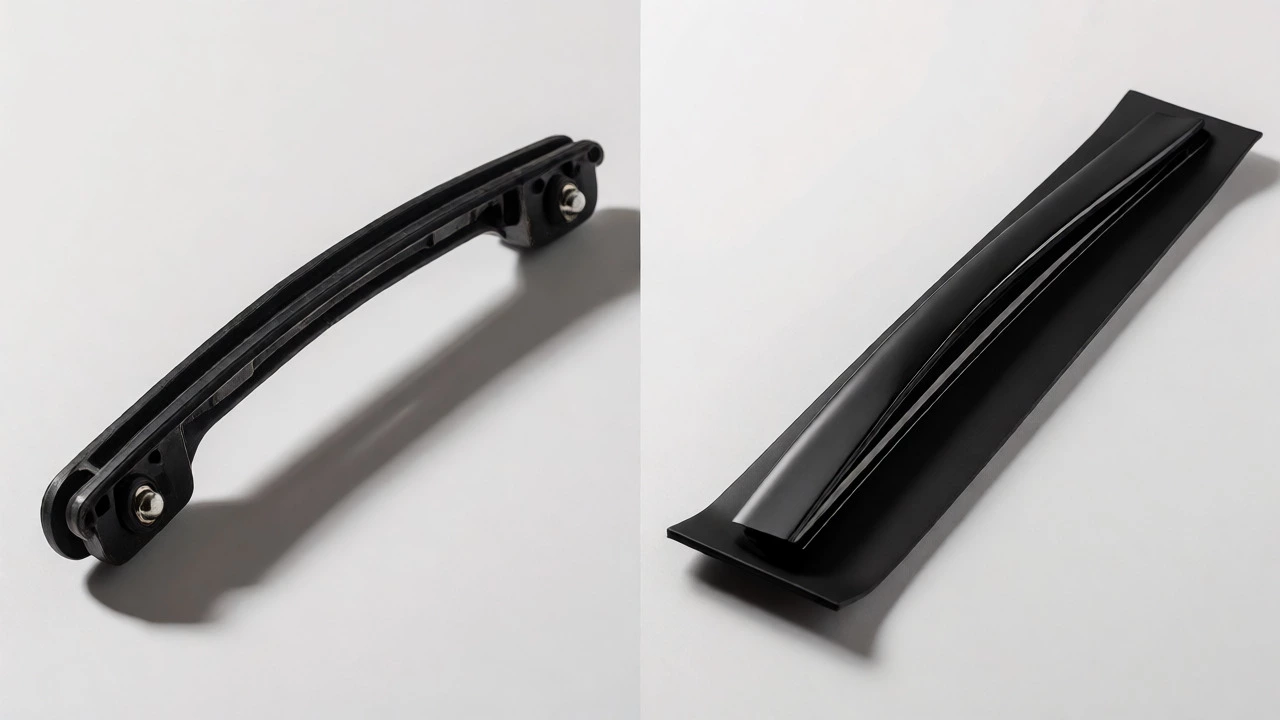
DIY installation saves money, but do you have the right tools? Most modern beam blades click on in seconds-no tools needed. However, older frame-style wipers might need pliers or a flathead screwdriver. If you go to a garage, expect to pay £10-£20 per visit for fitting. Do the math: two visits a year adds £20-£40 annually to your wiper budget.
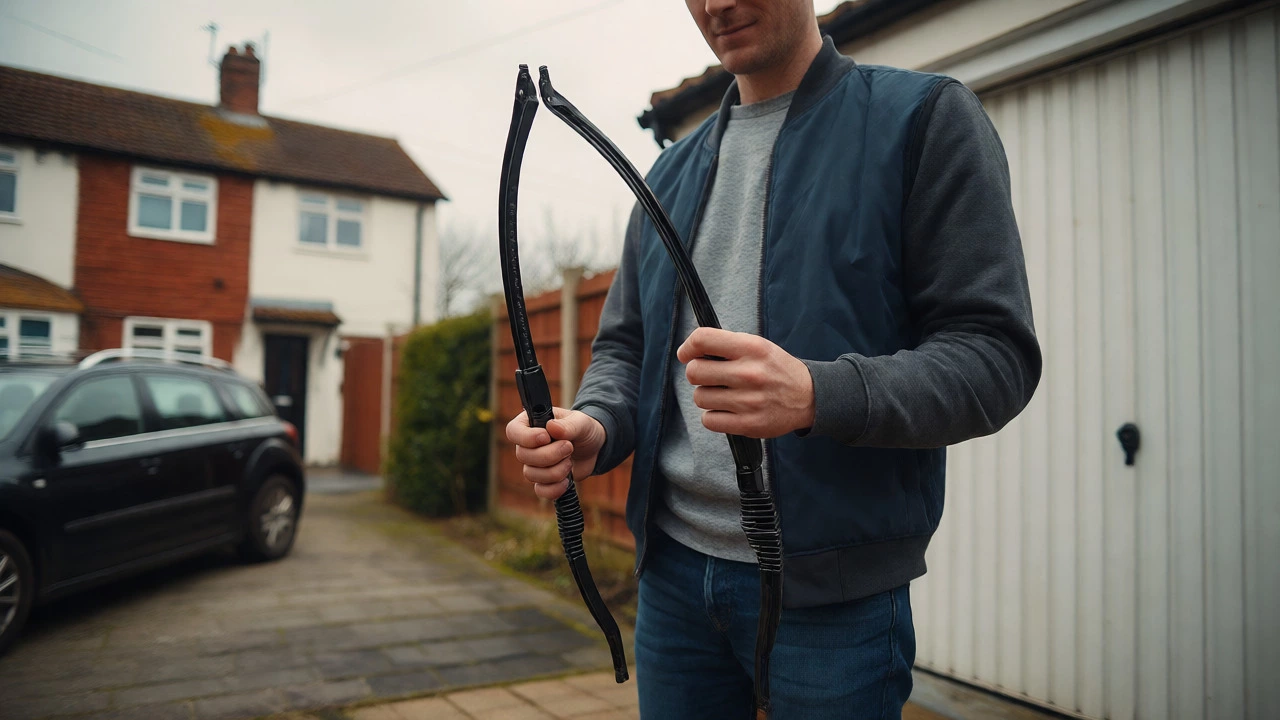
Also, consider replacement frequency. Cheap £8 blades might only last six months in the UK climate due to UV damage and ozone exposure. A £25 set lasting 12 months is actually cheaper per mile driven than the £8 set replaced twice a year. Calculate the cost per month, not just the purchase price.
How to Spot Overpriced Wipers
Retailers love to bundle things. Don’t fall for these traps:
- "Premium" Marketing Fluff: Terms like "AeroTech," "UltraGlide," or "StormShield" mean nothing if the underlying material is basic natural rubber. Check reviews for mentions of "silicone" or "graphite coating."
- Bulk Packs for Single Cars: Buying four blades when you only need two front ones wastes money unless you have a rear wiper too. Always measure first.
- Dealer Convenience Markup: As mentioned, dealers charge for convenience. If you’re comfortable clicking a button online, skip them.
Pro tip: Check the part number on your current wipers. Often, the OEM part number is printed on the packaging or the blade itself. Search that number online to compare prices across retailers instantly.
When to Spend More vs. Less
So, when should you open your wallet wider?
Spend More (£25-£40) if:
- You drive frequently at motorway speeds (70mph+), where aerodynamic lift causes chattering.
- You live in an area with heavy rain or snow.
- Your car has large, curved windscreens (e.g., Tesla Model Y, VW Golf).
- You hate noise. Quiet operation is a key feature of premium hybrid blades.
Spend Less (£8-£15) if:
- You drive mostly in town at low speeds.
- You don’t mind replacing blades every 6-8 months.
- You have an older vehicle with simple hook-arm fittings.
- You park indoors, protecting blades from UV degradation.
Final Verdict: The Sweet Spot
For the average UK driver, the sweet spot for windshield wipers is £18-£25 for a pair of reputable aftermarket beam blades. This gets you reliable performance, decent longevity (9-12 months), and no fuss. Avoid the bargain bin, but don’t let the dealer bully you into paying double for the same product.
Remember, wipers are your primary safety feature in bad weather. Skimping here risks visibility during sudden downpours. But overpaying for branding doesn’t make you safer-it just empties your wallet. Find the balance, buy from trusted brands like Bosch or Valeo, and install them yourself. You’ll save money and drive clearer.
Why are some windshield wipers so expensive?
High-end wipers cost more due to advanced materials like silicone or graphite coatings that resist UV damage and extreme temperatures. They also feature precise engineering for specific car models, ensuring optimal contact with curved windscreens. Brand reputation and proprietary connector designs also contribute to higher prices compared to generic universal blades.
Can I use cheaper wipers if I live in a mild climate?
Yes, if you live in a region with mild weather and little snow, you can opt for mid-range conventional or basic beam blades costing £10-£15. These may need replacing more often (every 6-9 months) but remain cost-effective compared to premium winter-rated blades designed for harsh conditions.
Do expensive wipers really last longer?
Generally, yes. Premium wipers use higher-grade rubber compounds and protective coatings that resist hardening and cracking. While cheap blades might degrade in 3-6 months, quality aftermarket or OEM blades typically last 9-12 months, offering better long-term value despite the higher initial cost.
Is it worth buying OEM wipers from the dealer?
Usually not. Dealers mark up OEM parts significantly for convenience. Since many OEM wipers are manufactured by third-party brands like Bosch or Valeo, you can often buy the exact same quality for 40-50% less by purchasing the aftermarket version online, provided you verify the correct fitment code.
How often should I replace my wipers?
Most experts recommend replacing wipers every 6-12 months. Signs they need changing include streaking, squeaking, skipping, or visible cracks in the rubber. In harsh climates with intense sun or snow, check them quarterly, as environmental stress accelerates wear regardless of usage frequency.