Suspension Noise Diagnostic Tool
Hear a strange noise? Select the type of sound you are experiencing to identify potential causes and next steps.
Deep Clunk
Thud over bumpsHigh-Pitched Squeak
Creak when turning/bumpingMetallic Rattle
Buzzing at idle or potholesDiagnosis
SeverityLikely Causes
Immediate Action Plan
DIY Check List
Estimated Repair Cost
Based on average UK labor/parts costs for this issue.
Select a noise above
You’re driving along a familiar road, maybe heading to work or picking up the kids, when suddenly-clunk. Or perhaps it’s a high-pitched squeak every time you hit a speed bump. If your car is making new sounds from underneath, don’t ignore them. Your suspension system is trying to tell you something important. These noises aren’t just annoying; they’re early warnings that parts are wearing out. Catching them now can save you hundreds in repairs later and keep your ride safe.
Most drivers panic when they hear strange noises, assuming the worst. But here’s the good news: 90% of suspension noises come from just three common culprits. Once you know what to listen for, you can diagnose the issue yourself before even visiting a mechanic. Let’s break down the three most frequent suspension noises, what causes them, and how serious they really are.
The Clunk: Loose Bushings or Worn Ball Joints
A deep, hollow "thud" or "clunk" when you go over bumps or turn sharply is one of the most common complaints. This sound usually points to worn-out rubber components in your suspension. Think of your control arm bushings as the shock absorbers between metal parts. Over time, heat, cold, and constant stress cause these rubber pieces to crack, harden, or tear completely.
When the rubber fails, metal starts hitting metal. That’s your clunk. It’s especially noticeable at low speeds or when parking because there’s less momentum masking the impact. Another culprit could be a loose ball joint. Ball joints connect your control arms to the steering knuckles, allowing wheels to move up and down while turning. When they wear out, they develop play, creating that distinct knocking sound during turns or on uneven roads.
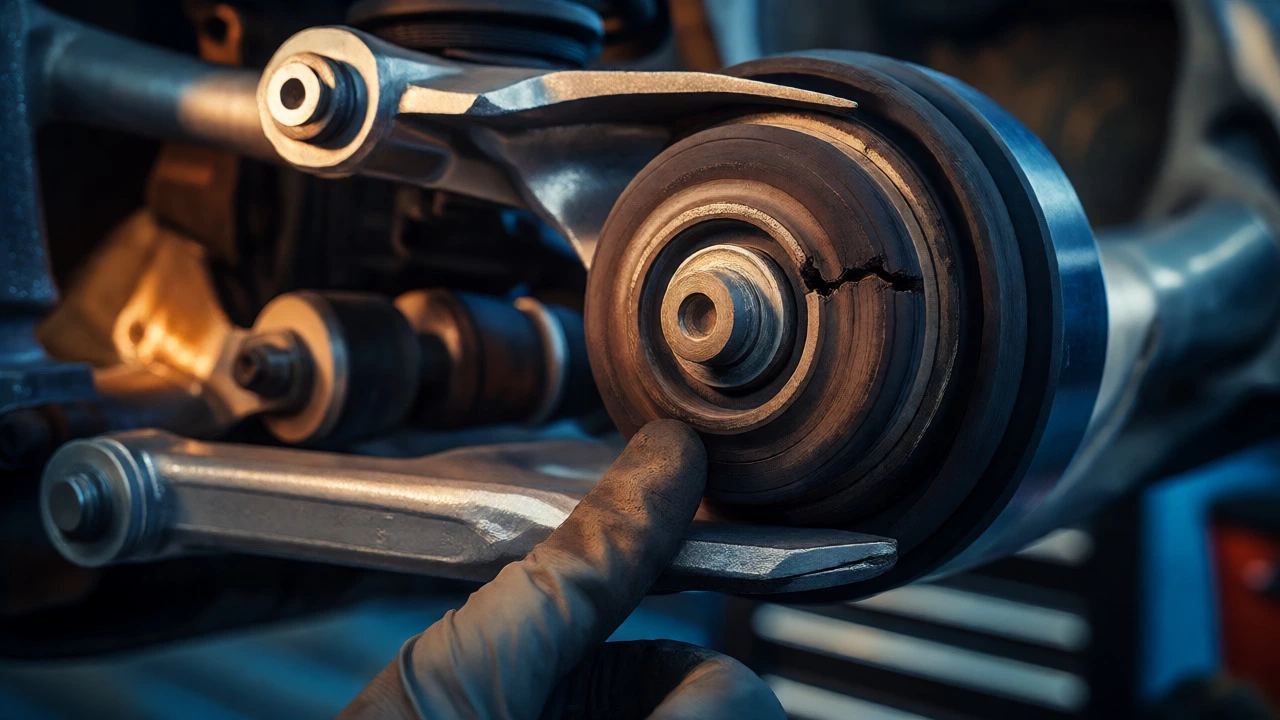
How to test it: Park on a flat surface. Grab the top of your tire and try to rock it in and out (like turning a steering wheel). Then grab the bottom and try to rock it up and down. Any excessive movement suggests bad ball joints or tie rods. For bushings, look under the car with a flashlight. If the rubber looks cracked, split, or missing chunks, they need replacement.
The Squeak: Dry Joints or Failing Struts
If your car sounds like an old wooden chair every time you drive over a small bump, you’ve got squeaks. This high-pitched noise typically comes from dry pivot points where metal rubs against metal without enough lubrication. The usual suspects are sway bar links, strut mounts, or lower control arm bushings.
Sway bar links are thin rods connecting your anti-roll bar to the suspension. They have small ball ends that rely on grease to stay quiet. In wet climates like Bristol, water washes away this grease quickly, leading to rust and squeaking. Similarly, strut mounts sit between your shock absorber and the car body. If the rubber mount dries out or cracks, the metal strut tube grinds against the chassis, causing a creaky noise that worsens when turning or braking.
Quick fix attempt: Before spending money, try spraying a silicone-based lubricant (not WD-40, which attracts dirt) on the sway bar link ends and visible bushings. Drive around for a day. If the noise disappears, you bought yourself some time. If it returns within a week, the part is physically damaged and needs replacing.
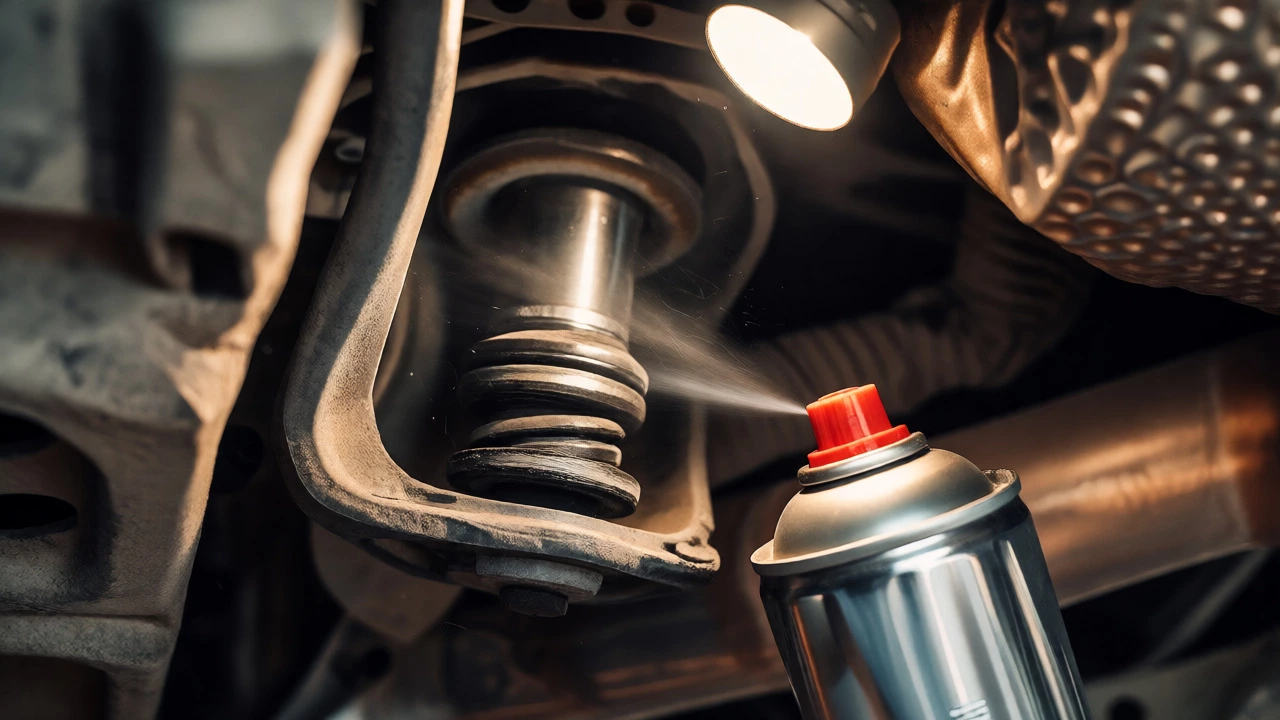
The Rattle: Loose Heat Shields or Broken Springs
A metallic rattle or buzzing sound, especially at idle or specific RPM ranges, often isn’t the suspension itself but something attached to it. The most common cause? A loose exhaust heat shield. These thin aluminum sheets wrap around the exhaust pipe to protect the car floor from heat. Over years, the bolts corrode, or the sheet tears, causing it to vibrate violently against the pipe.
However, if the rattle happens only when going over big potholes, check your coil springs. A broken spring coil can slip out of its seat, causing a loud bang followed by a rattling sound as the loose end flaps around. This is dangerous because a broken spring can puncture a tire or damage brake lines. Listen closely: does the rattle change pitch when you press the clutch (in manual cars)? If so, it might be a transmission mount issue, not suspension. But if it stays consistent with road imperfections, focus on the springs and struts.
Visual check: Look at each corner of your car. Are all four tires sitting at the same height? A sagging corner indicates a broken spring. Also, inspect the area near the exhaust pipes. If you see shiny spots on the shields where they touch other parts, that’s your rattle source. Sometimes, simply tightening the bolt or cutting off the torn flap fixes it instantly.
| Noise Type | Likely Cause | Severity Level | Immediate Action |
|---|---|---|---|
| Deep Clunk | Worn bushings, loose ball joints | Moderate to High | Inspect alignment and joints immediately |
| High-Pitched Squeak | Dry sway bar links, strut mounts | Low to Moderate | Lubricate or replace links |
| Metallic Rattle | Loose heat shields, broken springs | Low to Critical | Check spring integrity first |
Why Ignoring These Noises Costs You More
You might think a little squeak won’t hurt anything. Wrong. Suspension components work together as a team. If your shock absorbers are worn, they let the springs bounce too much, putting extra stress on bushings and ball joints. This chain reaction accelerates wear across the entire system.
Consider tire wear. Bad suspension geometry means your tires don’t sit flat on the road. Instead of lasting 40,000 miles, they might wear unevenly and need replacement after 15,000. Replacing two tires costs more than fixing a $50 bushing. Plus, poor suspension handling increases stopping distances. In a sudden stop, a car with worn shocks takes longer to halt than one with healthy components. That safety margin matters when avoiding accidents.
When to DIY vs. Visit a Mechanic
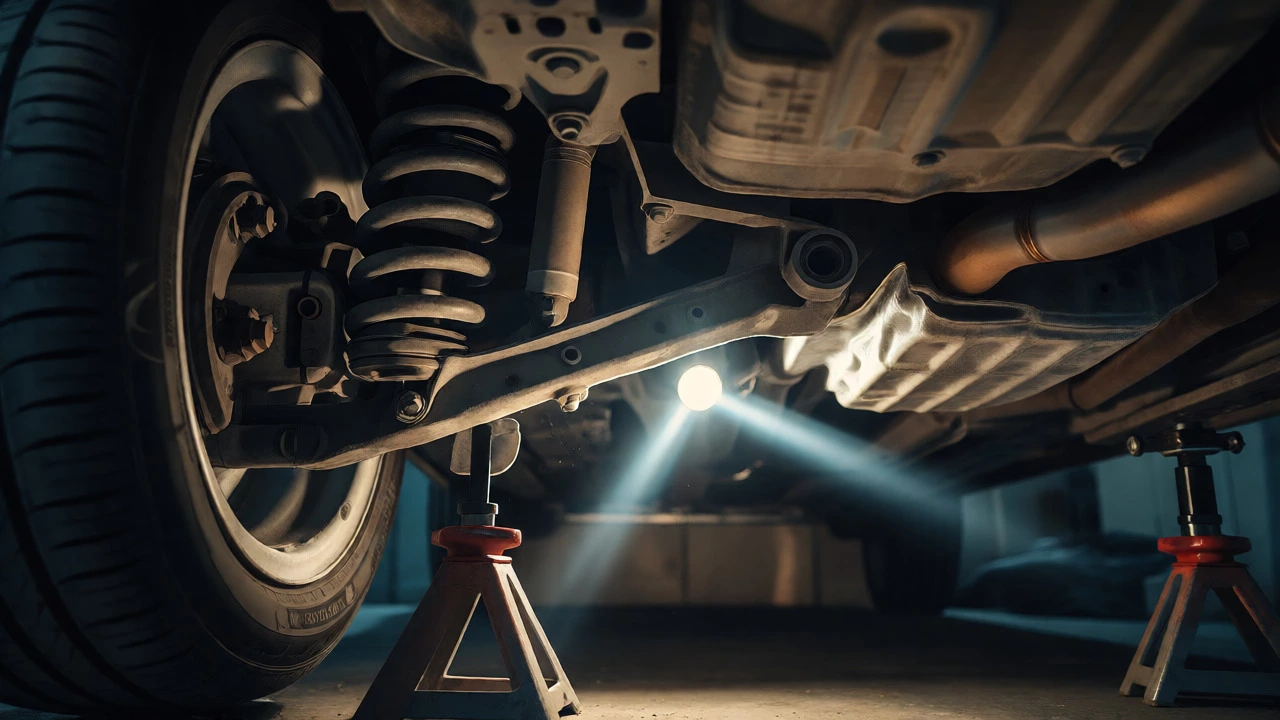
Some fixes are easy enough for a weekend project. Replacing sway bar links, tightening heat shields, or swapping strut mounts on older cars are manageable with basic tools. You’ll need a jack, stands, wrenches, and maybe a penetrating oil spray if bolts are rusted. Always support the car properly-never trust just the jack.
But leave complex jobs to pros. If you suspect bad ball joints or control arms, get an alignment afterward. Doing it wrong can lead to premature tire wear or steering issues. Also, if your car has air suspension or electronic dampers, skip the DIY route. Those systems require specialized diagnostic tools to reset error codes and calibrate pressure levels.
Is it safe to drive with a clunking noise?
It depends on the severity. A mild clunk from worn bushings is generally safe for short distances, but you should schedule repairs soon. However, if the clunk is accompanied by steering looseness or vibration, stop driving immediately. This could indicate a failing ball joint, which may detach and cause loss of control.
Can I fix squeaky suspension myself?
Yes, often you can. Start by cleaning the affected areas with degreaser. Then apply a silicone-based lubricant to bushings and sway bar link ends. Avoid petroleum-based greases as they degrade rubber. If the noise persists after lubrication, the part is likely physically damaged and requires replacement.
How much does it cost to fix suspension noises?
Costs vary widely. Replacing sway bar links might cost £50-£100 per pair including labor. Control arm bushings can range from £150 to £300 per side due to labor intensity. Full strut replacements often exceed £400 per corner. Getting a diagnosis first prevents paying for unnecessary parts.
Do weather conditions affect suspension noises?
Absolutely. Cold weather makes rubber bushings harder and more brittle, increasing clunks and squeaks. Moisture and salt accelerate corrosion on metal joints and heat shields, leading to rattles. Cars in coastal areas or regions with harsh winters tend to develop these issues faster than those in mild climates.
What tools do I need to inspect my suspension?
You need a sturdy jack, jack stands, a flashlight, and a pry bar. For checking play, use your hands initially, then confirm with a dial indicator if available. Penetrating oil helps remove rusty bolts. Basic socket sets and wrenches are essential for removing components. Never work under a car supported only by a hydraulic jack.