Suspension Diagnostic Tool
Step 1: Visual Inspection
Look at your car while parked on level ground. Check for these visual signs:
Step 2: Driving Behavior
Think about how your car behaves while driving:
Step 3: Noises & Tire Condition
Check for unusual sounds and examine your tires:
Diagnostic Assessment
Confidence Level:
Detected Symptoms:
Recommended Actions:
Your car feels different today. Maybe it bounces a bit too much after hitting a pothole, or the steering feels vague when you turn into a parking spot. It’s easy to ignore these small changes until they become big problems. But your suspension system is doing heavy lifting every time you drive. When shock absorbers or springs start to fail, you lose control, comfort, and safety.
Telling them apart isn’t always straightforward. Both parts work together to keep your tires on the road. If one goes bad, the other often takes extra stress. In this guide, we’ll break down exactly how to spot the difference between failing shocks and broken springs. You’ll learn simple tests you can do in your driveway and what specific noises mean for your wallet.
The Job of Shocks vs. Springs
Before checking for damage, it helps to know what each part actually does. Think of your suspension like a diving board. The spring is the board itself-it holds up the weight of the car and flexes when you hit a bump. Without springs, your car would sit directly on its axles. Every pebble would jolt through the chassis.
Shock absorbers are hydraulic dampers that control the speed of the spring's movement. Also known as dampers, they stop the car from bouncing endlessly after hitting a bump. Imagine jumping on a trampoline without any resistance-you’d fly high and bounce back repeatedly. Shock absorbers add that resistance. They convert kinetic energy into heat, slowing down the suspension so the tire stays planted on the road.
If the spring breaks, the car sits lower or unevenly. If the shocks fail, the car bounces excessively even if the height looks normal. Understanding this difference is key to diagnosing the problem correctly.
Signs Your Shock Absorbers Are Worn Out
Shocks don’t usually make noise when they fail. Instead, they change how the car behaves. Here are the most common indicators that your dampers need replacing:
- Excessive Bouncing: This is the classic sign. Drive over a speed bump at low speed. Does the car settle immediately? Or does it bob up and down two or three times before stopping? Multiple bounces mean the hydraulic fluid inside the shock has leaked out or degraded.
- Nose Diving During Braking: When you slam on the brakes, does the front of the car dip sharply toward the ground? Good shocks resist this forward momentum. Worn ones allow the chassis to dive, reducing traction on the rear wheels.
- Body Roll in Corners: Take a sharp turn at moderate speed. If the car leans heavily to one side, like a boat tipping over, your shocks aren’t controlling lateral forces effectively.
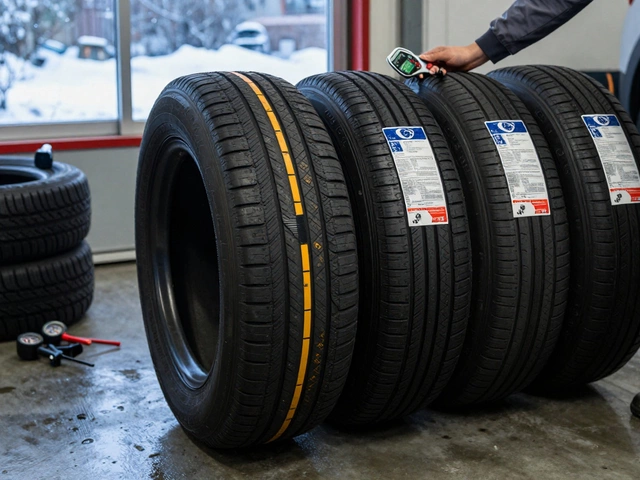
- Uneven Tire Wear: Look at your tires closely. Do you see cupping or scalloping-patches where the tread is worn down more than others? This happens because the tire loses contact with the road briefly due to uncontrolled bouncing.
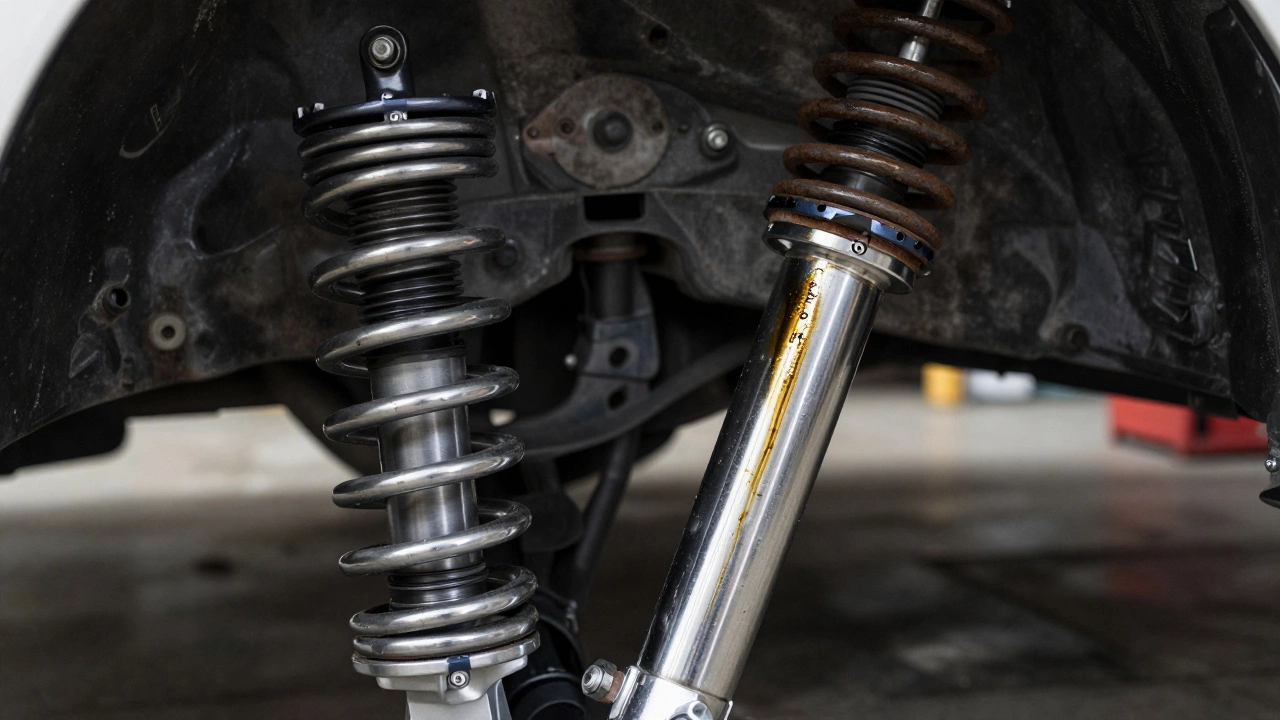
- Fluid Leaks: Inspect the shock body. A thin film of oil is normal. But if you see dripping, wet streaks, or grease on the lower part of the shock, the seal has failed. Once air gets in, the shock stops working.
One quick test you can do is the "bounce test." Push down firmly on one corner of your car and let go. The car should return to its resting position once. If it continues to oscillate, replace the shocks. Note: this test is basic. Some modern cars have complex suspension systems where this test might not be definitive, but it’s a great starting point.

Signs Your Springs Are Broken or Sagging
Springs are under constant tension. Over time, metal fatigue sets in. Unlike shocks, spring failure is often visual and audible. Here’s what to look for:
- Uneven Ride Height: Park your car on level ground. Walk around it. Does one corner sit significantly lower than the others? Is the gap between the tire and wheel arch smaller on one side? This indicates a broken or sagging coil spring.
- Metallic Clunking Noises: Listen carefully when driving over bumps. A loud "bang" or metallic clunk usually means a spring has snapped completely. Sometimes, the broken end hits the fender or suspension components.
- Scraping Sounds: If your car rides very low, you might hear plastic or metal scraping against the pavement when turning or going over dips. This suggests severe sagging or a collapsed spring.
- Visible Damage: Look at the coils. Are there gaps where the wire has separated? Is there rust eating away at the base of the spring? Rust weakens the metal structure, leading to sudden failure.
- Steering Wheel Vibration: While less common, a broken front spring can alter alignment drastically, causing vibrations felt through the steering wheel at certain speeds.
Springs rarely wear out gradually like shocks. They tend to last until they snap. However, leaf springs (found on trucks and older SUVs) can sag slowly over decades of use. Coil springs on passenger cars usually stay intact until catastrophic failure.
| Symptom | Bad Shocks | Bad Springs |
|---|---|---|
| Ride Quality | Bouncy, unstable | Low, harsh, scraping |
| Noise | Usually silent | Clunking, banging, scraping |
| Visual Check | Oil leaks, dents | Broken coils, sagging height |
| Tire Wear | Cupping/scalloping | Uneven edge wear (due to misalignment) |
| Braking/Cornering | Nose dive, body roll | Pulling to one side |
DIY Inspection Steps
You don’t need a lift to check your suspension. Here’s a step-by-step process to diagnose issues safely in your driveway:
- Visual Inspection: Crouch down and look at each wheel well. Check for obvious breaks in the springs. Look for oil stains running down the shock absorbers. Use a flashlight if it’s dark.
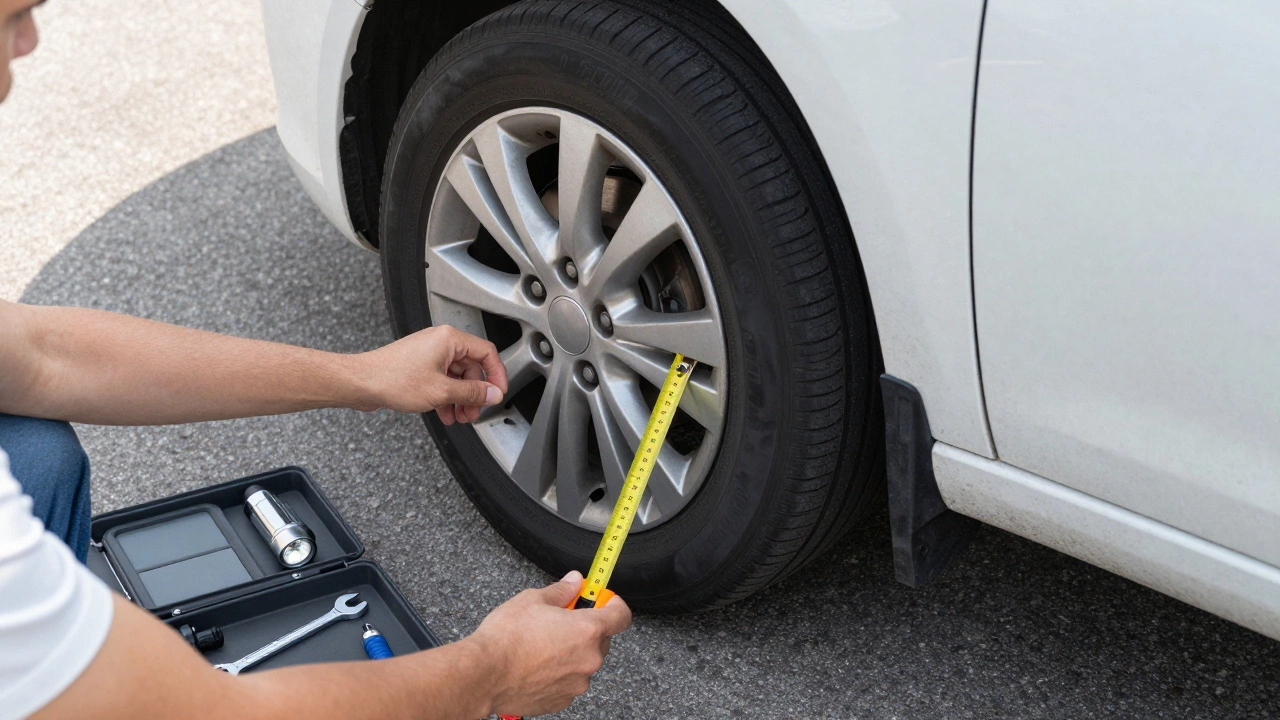
- Check Ride Height: Measure the distance from the bottom of the wheel arch to the center of the wheel hub on all four corners. Compare left to right and front to back. A difference of more than half an inch usually points to a spring issue.
- The Bounce Test: As mentioned earlier, push down hard on each corner. Watch how it settles. Count the bounces. More than one or two is a red flag for shocks.
- Listen for Noises: Have a friend drive slowly over a series of speed bumps or rough patches while you listen from outside (safely). Note where the noise comes from. Front clunks often relate to strut mounts or springs; rear thuds may indicate leaf springs or rear shocks.
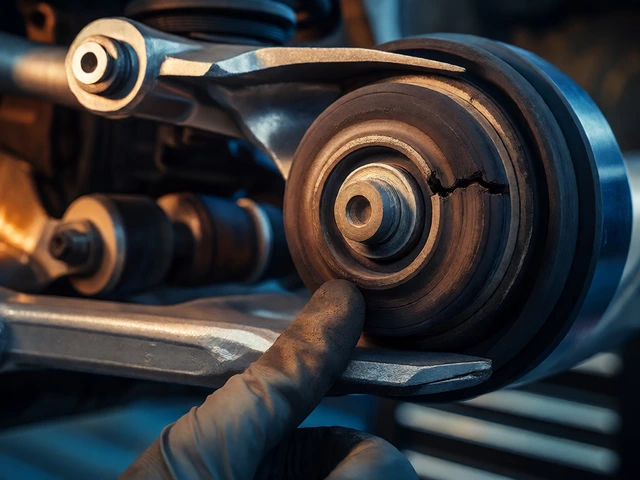
- Inspect Mounts and Bushings: Sometimes the problem isn’t the shock or spring itself, but the hardware holding them. Worn bushings can cause slop and noise. Look for cracked rubber or excessive play.
If you’re unsure, take photos of the underside and ride height. Mechanics appreciate clear visuals. It saves time and ensures accurate diagnosis.
Cost Implications and Replacement Advice
Ignoring bad suspension parts costs more than just discomfort. Worn shocks increase braking distances by up to 20%. Broken springs can damage control arms, tie rods, and even exhaust systems due to altered geometry.
Replacing shocks typically costs between £150 and £400 per pair, including labor. Springs vary widely based on vehicle type, ranging from £80 to £300 per unit. Labor is similar for both, but springs require special tools (spring compressors) to remove safely. Never attempt to remove a coil spring without proper equipment-it’s extremely dangerous.
Pro Tip: Always replace shocks in pairs (both fronts or both rears). Mixing old and new shocks creates uneven handling, which is worse than having both old. If you’re replacing springs, consider upgrading to performance variants if you tow or carry heavy loads regularly.
When to See a Professional
While DIY checks are helpful, some issues require professional tools. If you notice:
- Persistent pulling to one side despite alignment
- Strange vibrations that worsen with speed
- Visible bending of suspension arms
- Leaking struts on MacPherson strut setups (common in front-wheel-drive cars)
Visit a trusted mechanic. They can perform a full suspension scan and alignment check. Modern cars often have electronic damping systems that need diagnostic software to read fault codes.
Can I drive with bad shocks?
Technically yes, but it’s unsafe. Bad shocks reduce tire contact with the road, increasing stopping distances and risk of losing control during emergency maneuvers. Avoid highway driving and long trips until repaired.
Do springs wear out over time?
Yes, but slowly. Metal fatigue causes springs to lose tension, leading to sagging. However, sudden breakage is more common than gradual wear. Regular inspections help catch early signs of corrosion or cracking.
How long do shock absorbers last?
Typically 50,000 to 100,000 miles depending on driving conditions. Rough roads, frequent towing, and aggressive driving shorten lifespan. City drivers may replace them sooner than highway commuters.
Is it cheaper to replace shocks or springs?
Shocks are generally less expensive to replace. Springs require specialized tools and sometimes additional labor to access. However, prices vary by vehicle model and location. Get quotes for both if unsure.
Can bad suspension cause tire damage?
Absolutely. Worn shocks cause cupping wear patterns, while broken springs lead to uneven alignment and edge wear. Replacing suspension parts often requires new tires if damage is severe.