Car Radiator Replacement Cost Estimator
Select your vehicle details to get a realistic estimate for 2026. This tool breaks down parts, labor, and potential hidden costs.
Breakdown
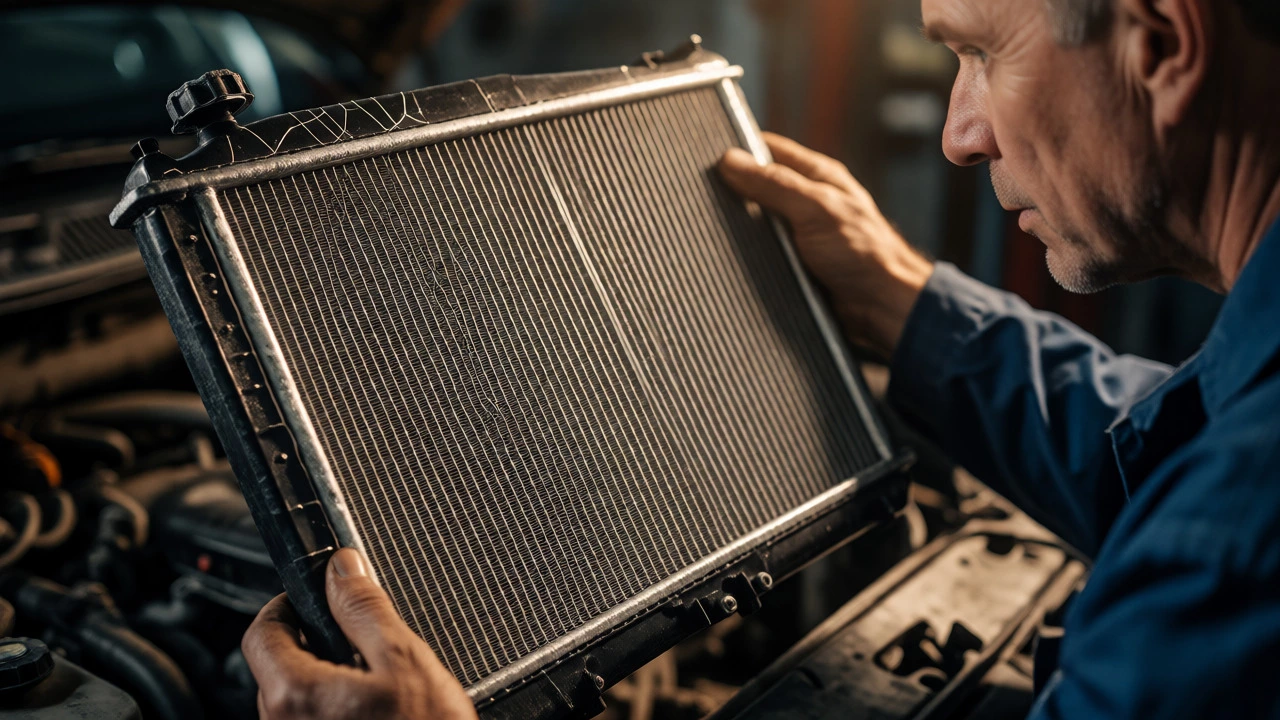
You’re driving along, the temperature gauge starts creeping up, and your mechanic drops the bomb: "Your car radiator is cracked. It needs replacing." The first thing that pops into your head isn’t usually about engine efficiency or coolant flow dynamics. It’s usually a panicked mental calculation of your bank account balance. So, are car radiators expensive? The short answer is: it depends on what you drive, but yes, they can be a significant hit to your wallet if you aren't prepared.
Unlike changing a wiper blade, which costs less than a pizza, replacing a radiator involves removing multiple components, draining fluids, and often wrestling with tight engine bays. This article breaks down exactly why these parts vary so wildly in price, what you should expect to pay in 2026, and how to avoid getting ripped off by shady shops.
Why Radiator Prices Vary So Much
Not all radiators are created equal. If you’ve ever looked at online catalogs, you might have seen prices ranging from $80 to over $600 for similar-looking parts. Why the huge gap? It comes down to material quality, brand origin, and vehicle complexity.
Most modern cars use aluminum-core radiators with plastic end tanks. These are lightweight and cheaper to manufacture. However, older vehicles or heavy-duty trucks might still use copper-brass cores, which dissipate heat better but cost significantly more due to raw material prices. Then there’s the brand factor. An Original Equipment Manufacturer (OEM) part-meaning the exact part your car maker specified-will always cost more than an aftermarket alternative. But here’s the kicker: sometimes the aftermarket part is made in the same factory as the OEM part, just without the fancy logo box. Knowing this distinction saves you money.
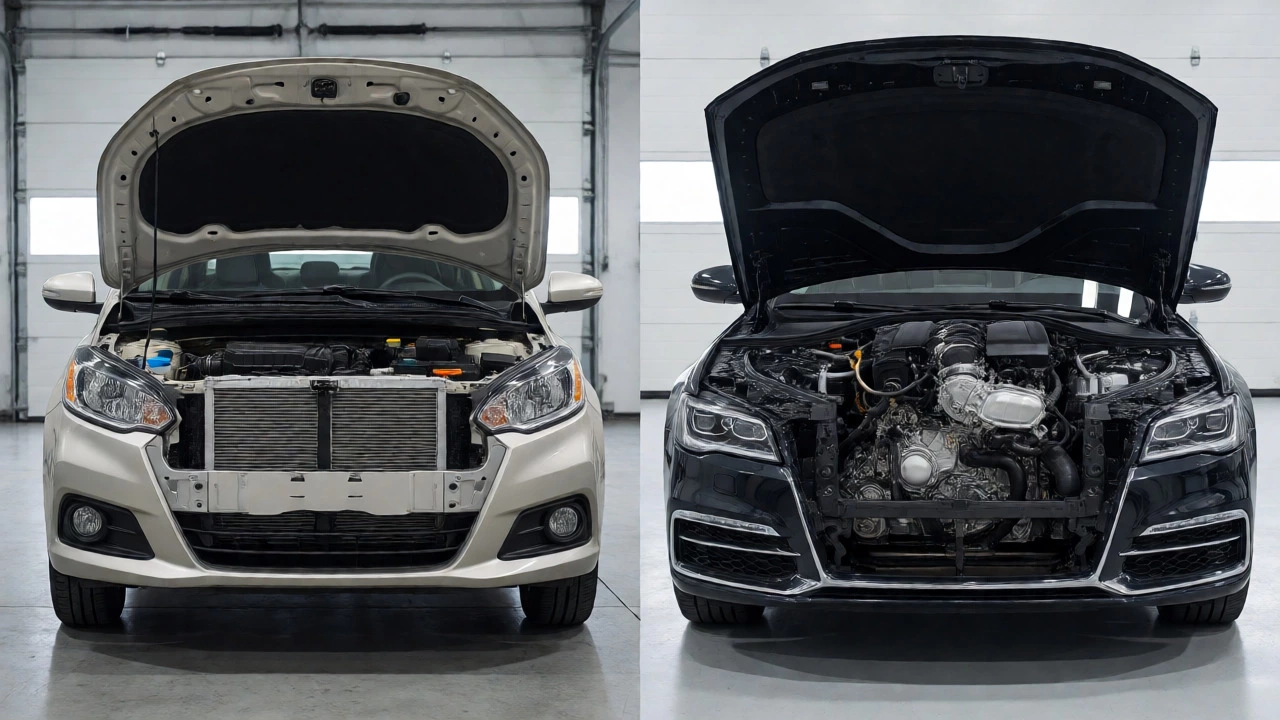
Complexity plays a huge role too. In some cars, like certain Honda CR-V models or Subaru Outbacks, the radiator sits behind the front bumper and grille. To get to it, a mechanic has to remove several clips, sensors, and potentially the AC condenser. That extra half-hour of labor adds up fast. In other cars, the radiator is exposed and easy to swap, keeping labor costs low.
The Real Cost Breakdown: Parts vs. Labor
When you get a quote, don’t just look at the total number. Ask for the breakdown. You need to know how much is going to the shop for their time and how much is going to the part itself. Generally, the part accounts for 40-60% of the bill, while labor makes up the rest.
Labor rates vary by region and shop type. A dealership might charge $150-$200 per hour, while an independent garage might charge $90-$130 per hour. Since a radiator replacement typically takes 1.5 to 3 hours depending on the vehicle, the labor alone can range from $150 to $600. Add in the cost of new coolant-which you absolutely must replace-and you’re looking at a baseline starting point.
| Vehicle Type | Part Cost (Aftermarket) | Labor Cost (Avg) | Total Estimated Range |
|---|---|---|---|
| Economy Sedan (e.g., Toyota Corolla) | $80 - $150 | $150 - $250 | $230 - $400 |
| Mainstream SUV (e.g., Ford Explorer) | $120 - $250 | $200 - $350 | $320 - $600 |
| Luxury Vehicle (e.g., BMW 3 Series) | $200 - $450 | $300 - $500 | $500 - $950 |
| Truck/SUV Heavy Duty | $150 - $350 | $250 - $450 | $400 - $800 |
Notice how the luxury vehicle costs nearly double that of an economy sedan? It’s not just the part; it’s the engineering. Luxury cars often have tighter engine bays, requiring more disassembly. Plus, dealerships often insist on OEM parts, which carry a premium markup.
OEM vs. Aftermarket: Is the Premium Worth It?
This is where many people get stuck. Should you buy the $300 Mopar radiator for your Jeep, or the $120 Dorman unit? For most daily drivers, a high-quality aftermarket radiator from reputable brands like Denso, Modine, or Spectra Premium is perfectly fine. These companies often supply the original equipment manufacturers anyway.
However, if you have a European luxury car or a high-performance vehicle, sticking with OEM or OE-style aftermarket parts is safer. These engines run hotter and tolerate less thermal variance. A cheap radiator with poor welds or thin plastic tanks can fail within two years, costing you another round of labor fees. Think of it this way: paying $100 extra now might save you $400 later.
Watch out for "white label" parts sold under obscure names on budget sites. They might look identical in photos, but the internal fin density and tank thickness can differ. Always check reviews specifically mentioning durability, not just fitment.
Hidden Costs That Sneak Up on You
The sticker price of the radiator rarely tells the whole story. Here are three things that often add surprise charges to your final bill:
- New Coolant: You cannot reuse old coolant once the system is drained. It gets contaminated with air and debris. Expect to pay $20-$50 for proper antifreeze mixture, depending on whether your car requires specific organic acid technology (OAT) coolants.
- Hoses and Clamps: If your mechanic finds cracked upper or lower radiator hoses during inspection, they’ll recommend replacing them. Hoses are cheap ($15-$40), but if you skip them now and they burst next month, you pay labor again.
- Transmission Cooler Lines: Many automatic transmissions route fluid through the radiator to keep it cool. If these lines are corroded or leaky, fixing them adds $50-$100 to the job.
Some shops also charge a "shop supplies" fee or environmental disposal fee for used coolant. These are legitimate costs, but ask for them upfront so you aren’t shocked at checkout.
Can You Save Money Doing It Yourself?
If you own basic tools-a socket set, pliers, drain pan, and torque wrench-you can definitely save the labor portion. For many common cars, DIY radiator replacement is a manageable weekend project. The key is patience. Don’t rush the bleeding process afterward.
Bleeding air from the cooling system is critical. If air pockets remain, your engine will overheat even with a brand-new radiator. Modern cars often require specific procedures, like running the heater on max while idling, to purge air. Look up a YouTube tutorial specific to your year, make, and model before you start. If your car requires removing the fan shroud or disconnecting electrical connectors carefully, take photos as you go.
But be honest about your skill level. If you strip a bolt thread on the water pump housing or crack a plastic fitting, you’ve turned a $200 job into a $500 problem. If you’re unsure, hire a pro for just the installation part after buying the part yourself, though many shops won’t warranty parts they didn’t install.
How to Spot a Failing Radiator Early
Catching a bad radiator before it dumps all its coolant on the pavement prevents catastrophic engine damage. Watch for these signs:
- Sweet Smell: Old-school ethylene glycol coolant smells sweet. If you smell syrup inside the cabin or near the hood, you likely have a leak.
- Discolored Coolant: Healthy coolant is bright green, orange, or pink. If it looks rusty or brownish, corrosion is eating away at the radiator core.
- Frequent Overheating: If the temp gauge spikes when stopped in traffic but cools down on the highway, the radiator fins may be clogged with dirt or bugs, reducing airflow.
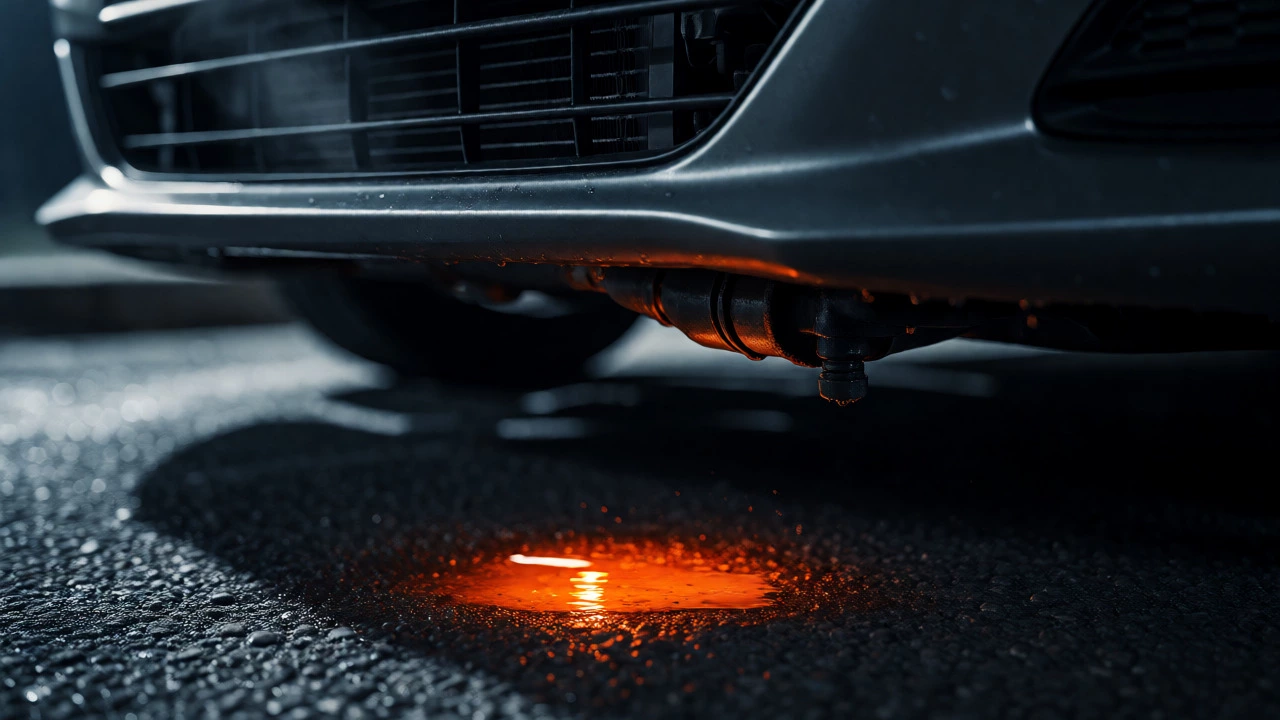
- Visible Wet Spots: Look under the car after parking. Green or orange puddles near the front grille area are dead giveaways.
Regularly flushing your coolant every 30,000 miles helps prevent internal corrosion. It’s a cheap maintenance task that extends the life of the radiator significantly.
Frequently Asked Questions
Is it worth repairing a leaking radiator instead of replacing it?
Generally, no. While radiator sealants exist, they are temporary patches that can clog heater cores and water pumps. Professional welding or brazing repairs are possible but often cost nearly as much as a new part, with less reliability. Replacement is almost always the smarter long-term investment.
How long does a new car radiator last?
With proper maintenance, including regular coolant flushes and clean exterior fins, a modern aluminum radiator should last between 8 to 10 years or 100,000 to 150,000 miles. Extreme heat, salt road exposure, or neglected coolant changes can shorten this lifespan.
Can I drive my car with a broken radiator?
You should not drive far. A broken radiator means your engine loses its primary method of shedding heat. Driving even a few miles can cause the engine block to warp or the head gasket to blow, turning a $300 repair into a $3,000+ engine rebuild. Tow the car if possible.
Do electric cars have radiators?
Yes, but they serve different purposes. EVs have smaller radiators or heat exchangers dedicated to cooling the battery pack and power electronics. These systems are generally simpler and less prone to the high-pressure failures seen in internal combustion engines, but replacements can still be costly due to specialized components.
Why did my new radiator fail after only one year?
This often points to a poor-quality aftermarket part or an underlying issue like a failing water pump causing excessive pressure. Check if the warranty covers premature failure. Sometimes, mixing incompatible coolants can cause chemical reactions that degrade plastic tanks rapidly.