

Fuel Pump Health & Risk Estimator
Answer the questions below to check if your fuel pump might be failing or at high risk of sudden breakdown.
Awaiting Input
Check the boxes and enter details to see your risk assessment.
Imagine you are cruising along the M4 at 70 mph, music playing, windows down, and suddenly the engine coughs, sputters, and dies. No warning lights. No gradual loss of power. Just silence. It’s terrifying, but it’s also surprisingly common. Fuel pumps are the heart of your vehicle's fuel system, tasked with pushing gasoline or diesel from the tank to the engine under high pressure. When they fail, they rarely do so politely.
The short answer is yes: a fuel pump can absolutely fail suddenly while driving. Unlike brake pads that squeal before they wear out, electric fuel pumps often go from 100% functional to zero output in a split second. This happens because most modern pumps are submerged in fuel, which acts as both a coolant and a lubricant. If the electrical components burn out or the internal impeller snaps, there is no mechanical friction to slow things down first. One moment you have fuel; the next, you don't.
Why Does a Fuel Pump Die Without Warning?
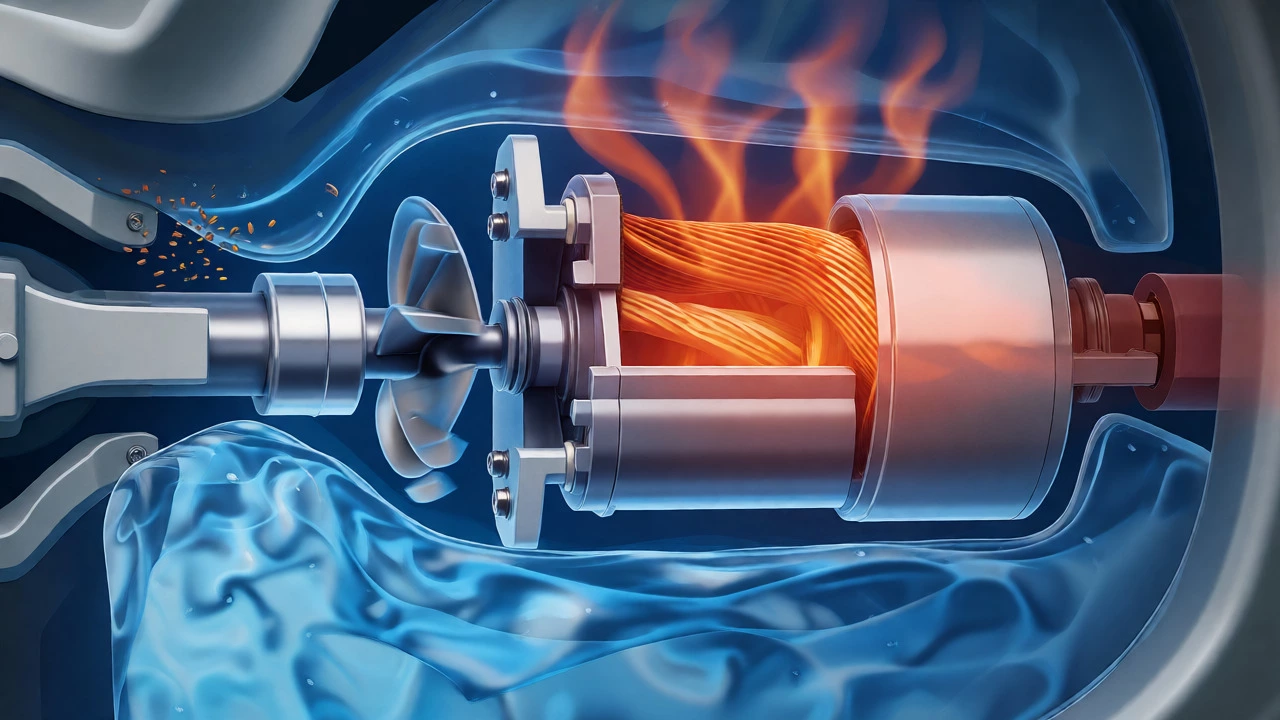
To understand why this happens abruptly, you need to look inside the pump. Most cars use an electric fuel pump located inside the fuel tank. It uses a small electric motor to spin a turbine or roller cell. The fuel flowing through the pump keeps the motor cool. If you frequently drive on empty-say, below a quarter tank-the pump starts sucking in air along with fuel. Air doesn’t cool the motor like liquid does. Over time, this overheating weakens the windings inside the motor until they finally short out. That short circuit is instantaneous. There is no "grinding" noise beforehand, just a hot component giving up the ghost.
Another culprit is debris. Your fuel filter catches big particles, but tiny contaminants slip through. These can jam the delicate vanes of the pump rotor. A stuck rotor draws massive current, blowing the fuse or burning the motor coil instantly. This is why keeping your tank clean matters more than people think. Using low-quality fuel from dodgy stations can introduce varnish or water that corrodes the pump contacts over years, leading to a sudden electrical failure when you least expect it.
5 Clear Signs Your Fuel Pump Is Dying
While total failure can be sudden, the pump usually whispers its problems before screaming them. Catching these signs early saves you from being stranded on the hard shoulder.
- Whining Noise: Listen closely when you turn the key to the "on" position (before starting). You should hear a faint hum for two seconds. If that hum gets louder, higher-pitched, or sounds like grinding, the pump is struggling.
- Loss of Power Under Load: Try merging onto a motorway or climbing a steep hill. If the car feels sluggish, jerks, or hesitates specifically when you press the accelerator hard, the pump can't keep up with demand. At idle, it might seem fine, but at 3,000 RPM, it starves the engine.
- Sputtering at High Speed: This is distinct from rough idling. If your car runs smoothly in town but stutters violently above 60 mph, it’s a classic fuel starvation symptom. The injectors aren't getting enough volume to maintain combustion.
- Hard Starting: If your engine cranks for longer than usual in the morning, the check valve in the pump might be leaking. This lets fuel drain back into the tank overnight, meaning the pump has to work extra hard to build pressure again every time you start.
- Engine Stalling While Hot: Some pumps fail only when they get hot. After sitting in traffic or after a long drive, the car might stall and refuse to restart until it cools down. This thermal expansion causes internal gaps that break the electrical connection.
What Happens If You Ignore the Warnings?
If you ignore the whine or the hesitation, you risk a catastrophic breakdown. But here is the kicker: a failed fuel pump doesn't just stop the car. It can damage other expensive parts. When the pump fails mechanically, it can shed metal fragments or plastic shards into the fuel line. These travel to the fuel injectors. Clogged injectors cost hundreds of pounds to replace, whereas cleaning them or replacing the pump alone is cheaper. Furthermore, if the engine misfires repeatedly due to lean fuel mixtures before dying, you risk damaging the catalytic converter. Replacing a catalytic converter costs upwards of £800-£1,200, dwarfing the cost of a new pump.
How to Diagnose a Failed Fuel Pump
You don't need a mechanic's garage to confirm your suspicions. Here is a simple diagnostic path you can follow in your driveway.
- The Key Test: Turn the ignition to ON without starting the engine. Stand near the rear of the car (where the tank usually is). Do you hear the 2-second buzz? Silence suggests a dead pump, blown fuse, or bad relay.
- Check the Fuse and Relay: Before buying a new pump, pop open your fuse box. Look for the diagram on the lid. Find the "Fuel Pump" fuse. If it's blown, replace it. If it blows again immediately, you have a short circuit in the wiring or the pump itself. Next, swap the fuel pump relay with an identical one from another system (like the horn or AC) to see if the car starts. If it does, the old relay was faulty.
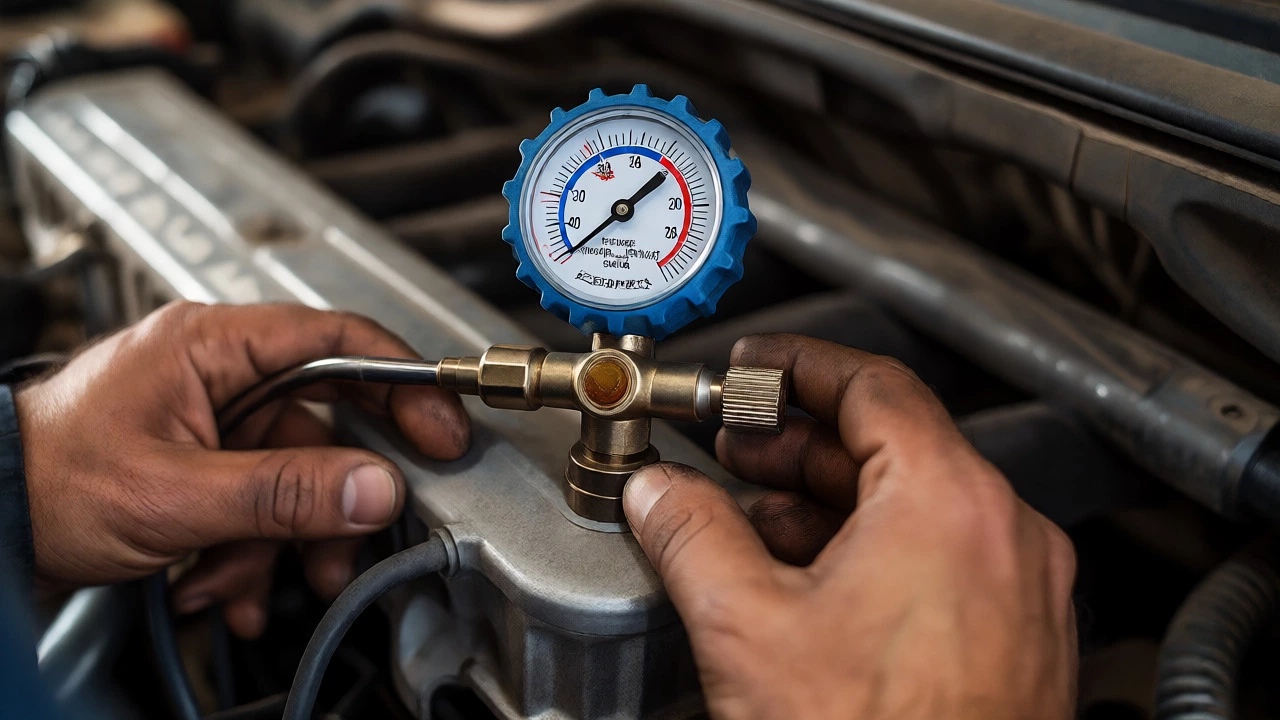
- Fuel Pressure Test: This is the gold standard. Most cars have a Schrader valve on the fuel rail (looks like a tyre valve). Buy a cheap fuel pressure gauge kit online for about £15-£20. Connect it, turn the key to ON, and read the pressure. Compare this number to your car's service manual specs (usually between 30-60 PSI for petrol cars). Low pressure equals a failing pump.
Replacing vs. Repairing: What Should You Do?
In the UK market today, repairing a fuel pump is rare. Most mechanics will recommend replacing the entire assembly. Why? Because labor costs dominate the bill. Accessing the pump often requires dropping the fuel tank or removing seats. Doing this twice-once to diagnose and once to fix-is inefficient. Modern pumps come as a complete module including the sending unit (the float that tells your dashboard how much fuel you have).
| Component | Estimated Cost (£) | Notes |
|---|---|---|
| OEM Fuel Pump Assembly | £150 - £400 | Genuine part, lasts longest, exact fit. |
| Aftermarket Fuel Pump | £60 - £150 | Variable quality. Stick to reputable brands like Bosch or Delphi. |
| Labor Costs | £150 - £300 | Depends on accessibility. Some cars require lifting the whole tank. |
| Fuel Filter Replacement | £20 - £50 | Always change this when changing the pump. |
Pro Tip: Always replace the fuel filter when you install a new pump. Old filters clog quickly if the old pump shed debris. Putting a new pump behind a dirty filter is asking for trouble.
Preventing Sudden Failure
You can’t prevent age-related wear forever, but you can stop premature failures. First, never let your tank drop below a quarter full regularly. Keeping fuel level high keeps the pump submerged and cool. Second, use quality fuel. Premium fuels often contain detergents that keep the pump internals clean. Third, if you store your car for months, add a fuel stabilizer. Stale fuel turns into varnish, which gums up the pump vanes. Start the engine every few weeks to circulate fresh fuel through the system.
Can I drive my car with a failing fuel pump?
You can drive short distances if the car still starts and runs, but it is risky. If the pump cuts out completely while you are in traffic, you lose power steering and brake boost, making the car harder to control. It is safer to tow it or drive directly to a garage.
How long do fuel pumps typically last?
Most electric fuel pumps are designed to last between 100,000 and 150,000 miles. However, poor maintenance, such as running on empty or using contaminated fuel, can cut this lifespan in half.
Does a bad fuel pump affect gas mileage?
Yes, indirectly. A weak pump may not deliver the correct pressure, causing the engine computer to inject more fuel to compensate, or cause incomplete combustion. Both scenarios lead to poor efficiency and increased emissions.
Is it expensive to replace a fuel pump?
It varies by vehicle. For common hatchbacks like a Ford Fiesta or Vauxhall Corsa, expect to pay £300-£500 total. For luxury vehicles or SUVs where the tank must be dropped, costs can exceed £800 due to complex labor.
Will a fuel pump fail show up on a diagnostic scan?
Not always. A basic OBDII scanner might show codes related to lean fuel mixture (P0171), but it won't explicitly say "Fuel Pump Bad." You need a live data stream to check fuel pressure sensor readings against expected values to confirm pump health.