Cabin Air Filter Health & Action Checker
Input Vehicle Data
Ready to Analyze
Input your mileage and symptoms to determine the best course of action for your cabin air filter.
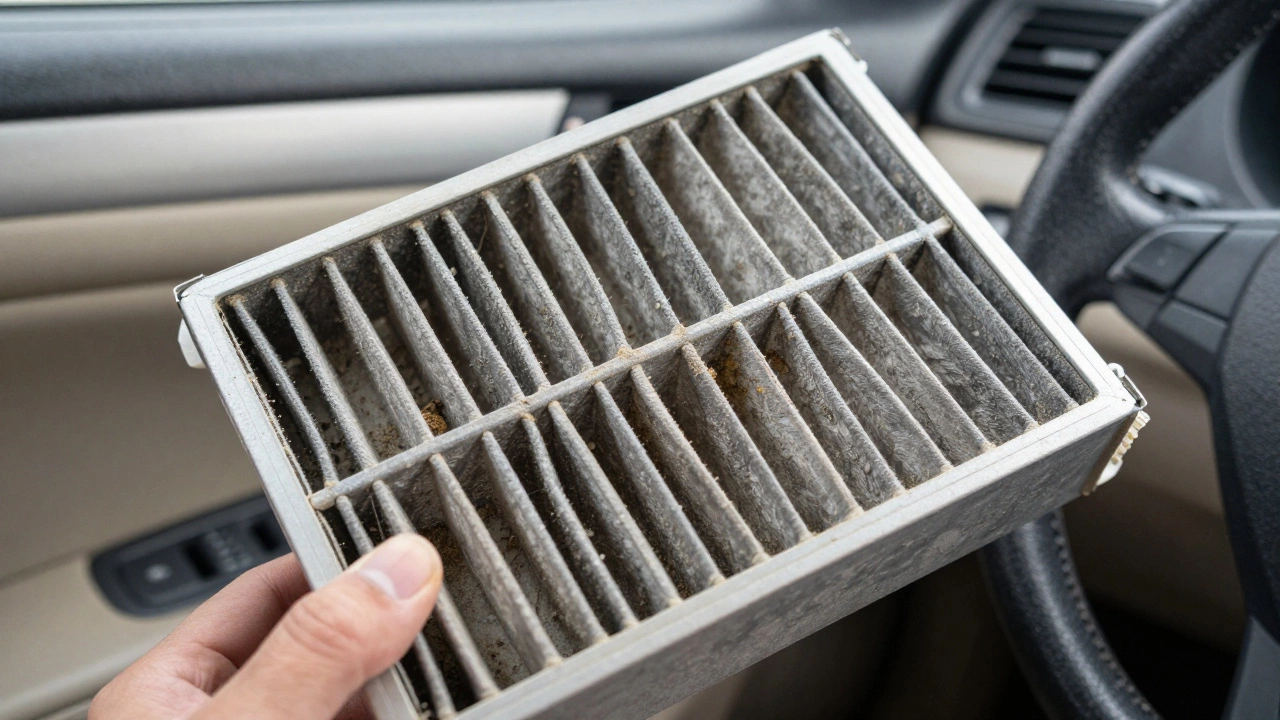
You’ve just pulled the dusty black slab out of your car’s glovebox or kick panel. It looks grimy, clogged with leaves and pollen. Your instinct screams to wash it under the tap, save a few pounds, and slide it back in. It feels like the responsible, eco-friendly thing to do. But here is the hard truth: for the vast majority of cars on the road today, washing that filter is a recipe for disaster.
Most modern vehicles use disposable paper or synthetic media filters designed to trap microscopic particles. Water destroys their structure. Soap ruins their electrostatic charge. Even if you manage to dry it completely, you have likely compromised its ability to protect your lungs and your climate control system. Before you grab the hose, you need to understand what kind of filter you actually have, because the answer depends entirely on the material sitting inside your cabin air filter is a component in a vehicle's heating, ventilation, and air conditioning (HVAC) system that removes airborne contaminants from incoming outside air.
The Material Matters: Paper vs. Carbon vs. Electrostatic
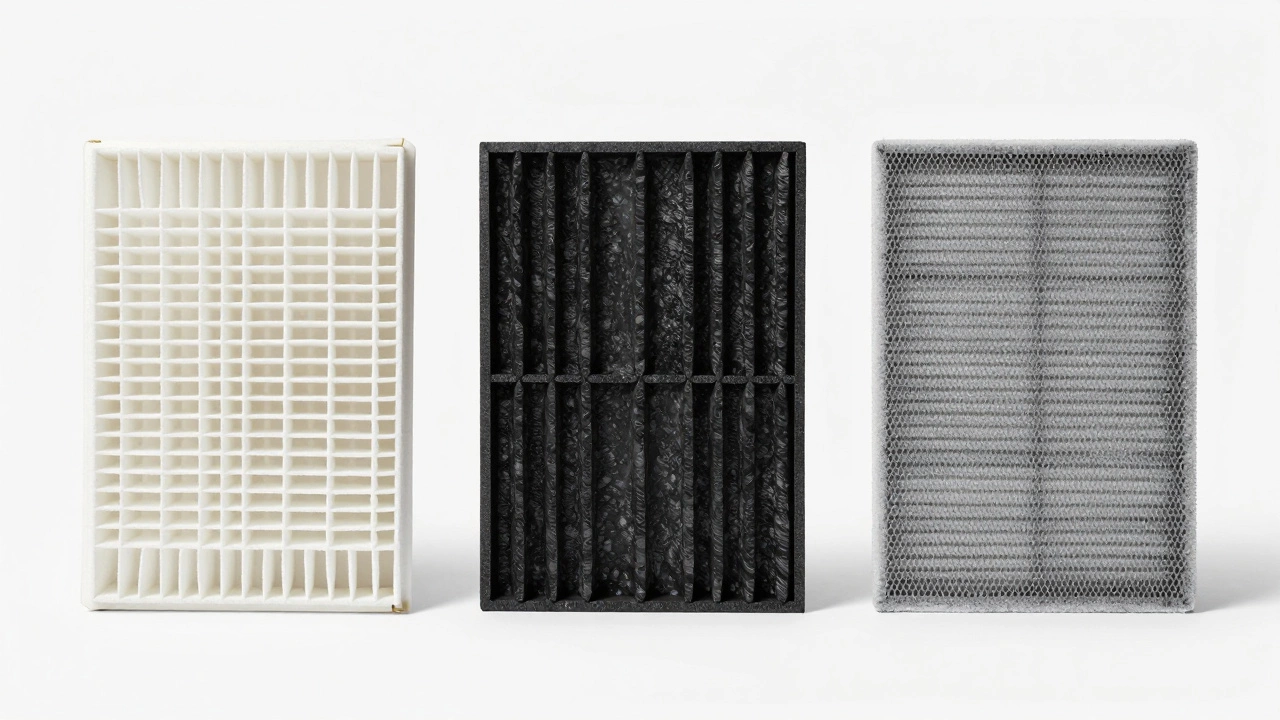
To decide whether cleaning is an option, you first need to identify the construction of your filter. Most standard filters are made from pleated paper or non-woven synthetic fibers. Think of these like coffee filters. If you try to rinse a used coffee filter, the grounds might come off, but the paper disintegrates or becomes mushy. Similarly, water causes the fibers in a standard cabin filter to swell and clump together. This reduces airflow significantly. Your blower motor has to work harder to push air through those wet, compacted fibers, which can lead to premature motor failure or simply a weak breeze from your vents.
Then there are activated carbon filters. These contain a layer of charcoal granules or impregnated fabric designed to adsorb odors, gases, and volatile organic compounds (VOCs). Washing a carbon filter not only risks damaging the structural support but also saturates the carbon. Once saturated, carbon loses its adsorption capacity. It won’t smell bad immediately, but it stops working as an odor neutralizer. You’re left with a damp, ineffective piece of junk.
However, there is a third category: electrostatic or washable polyurethane foam filters. Some older European cars, certain luxury models, and aftermarket performance filters use a mesh-like material that relies on an electrostatic charge to attract dust. These are often labeled as "washable" or "reusable." If your filter looks like a grey or white mesh screen rather than a fluffy white pad, you might be in luck. But even then, the process isn't as simple as a quick rinse.
Why Water Is the Enemy of Filtration Efficiency
Let’s assume you have a filter that claims to be washable. Why do manufacturers still recommend replacement every 10,000 to 15,000 miles? Because filtration efficiency drops drastically after washing. Standard particulate filters rely on two mechanisms: mechanical interception (dust hits a fiber and sticks) and electrostatic attraction (charged fibers pull in tiny particles). Water neutralizes that static charge. Even after drying, the charge rarely returns to its original strength. You end up with a filter that lets through more PM2.5 particles-the fine particulate matter linked to respiratory issues-than a brand-new one.
Consider the context of driving in Bristol or any urban environment. We deal with exhaust fumes, brake dust, and industrial pollution. A compromised filter allows these pollutants into your cabin. Over time, this buildup coats the evaporator core inside your dashboard. Mold and mildew thrive on this organic sludge, leading to that distinct "wet dog" smell when you turn on the AC. Cleaning the filter might seem like a shortcut, but it often accelerates the need for a much more expensive HVAC cleaning service later down the line.
How to Properly Clean a Washable Filter (If You Have One)
If you have confirmed that your vehicle uses a reusable electrostatic or foam filter, you can clean it. Do not use soap unless the manufacturer explicitly states it is safe, as detergents can leave residues that clog pores. Here is the correct procedure:
- Tap it out first: Take the filter outside and gently tap it against a hard surface to dislodge loose debris. Use compressed air if you have it, blowing from the clean side towards the dirty side to reverse the flow.
- Rinse with low pressure: Use a garden hose on a gentle setting. High-pressure washers will tear the delicate mesh. Rinse until the water runs clear.
- Dry completely: This is the most critical step. Place the filter in a warm, dry area with good airflow. Let it dry for at least 24 hours. Never reinstall a damp filter. Moisture promotes bacterial growth inside the HVAC box.
- Re-charge if necessary: Some high-end reusable filters require a special oil or spray to restore the electrostatic charge. Check the manual. Without this step, performance remains subpar.
Even with perfect care, a washed filter should be replaced within six months to a year, regardless of mileage. It is a temporary fix, not a permanent solution.
When Replacement Is the Only Viable Option
For 95% of drivers, the answer to "can I clean my AC filter" is no. The cost of a new OEM or aftermarket cabin filter ranges from £10 to £30. Compare that to the potential cost of replacing a blower motor (£150-£300 including labor) or dealing with persistent mold smells requiring professional chemical treatment. The math doesn’t add up.
Replacement ensures consistent airflow, optimal cooling performance, and clean air quality. Modern filters are engineered with specific MERV (Minimum Efficiency Reporting Value) ratings. A new filter guarantees you get the rated protection. A cleaned filter offers unknown, degraded protection. In winter, a clogged filter can also cause defrosting issues, fogging up your windows because the HVAC system can’t move enough air to dehumidify the cabin effectively.
| Factor | Cleaning (Washable Only) | Replacing (Standard) |
|---|---|---|
| Cost | Low (water/electricity) | Moderate (£10-£30) |
| Filtration Efficiency | Decreases over time | 100% as specified by MERV rating |
| Airflow Impact | Risk of reduced airflow if not fully dry | Optimal airflow guaranteed |
| Labor Time | High (cleaning + 24hr drying) | Low (5-10 minutes swap) |
| Environmental Impact | Lower waste, but higher water usage | Single-use waste, but lower resource intensity per unit |
Signs Your Filter Needs Attention Now
You don’t need to wait for the next scheduled service to check your filter. Several symptoms indicate it is clogged or failing:
- Weak airflow: You crank the fan to max, but barely feel air coming from the vents.
- Unpleasant odors: A musty, earthy, or sour smell when the AC or heater is turned on.
- Noisy operation: A whistling sound from behind the dashboard indicates air struggling to pass through a restricted filter.
- Foggy windows: Difficulty clearing condensation from the windshield, especially in humid weather.
- Allergy flare-ups: Sneezing or itchy eyes while driving, suggesting pollen and dust are bypassing the filter.
If you experience any of these, inspect the filter immediately. If it’s visibly grey, covered in leaves, or matted down, throw it away. Do not attempt to revive it.
DIY Installation: Easier Than You Think
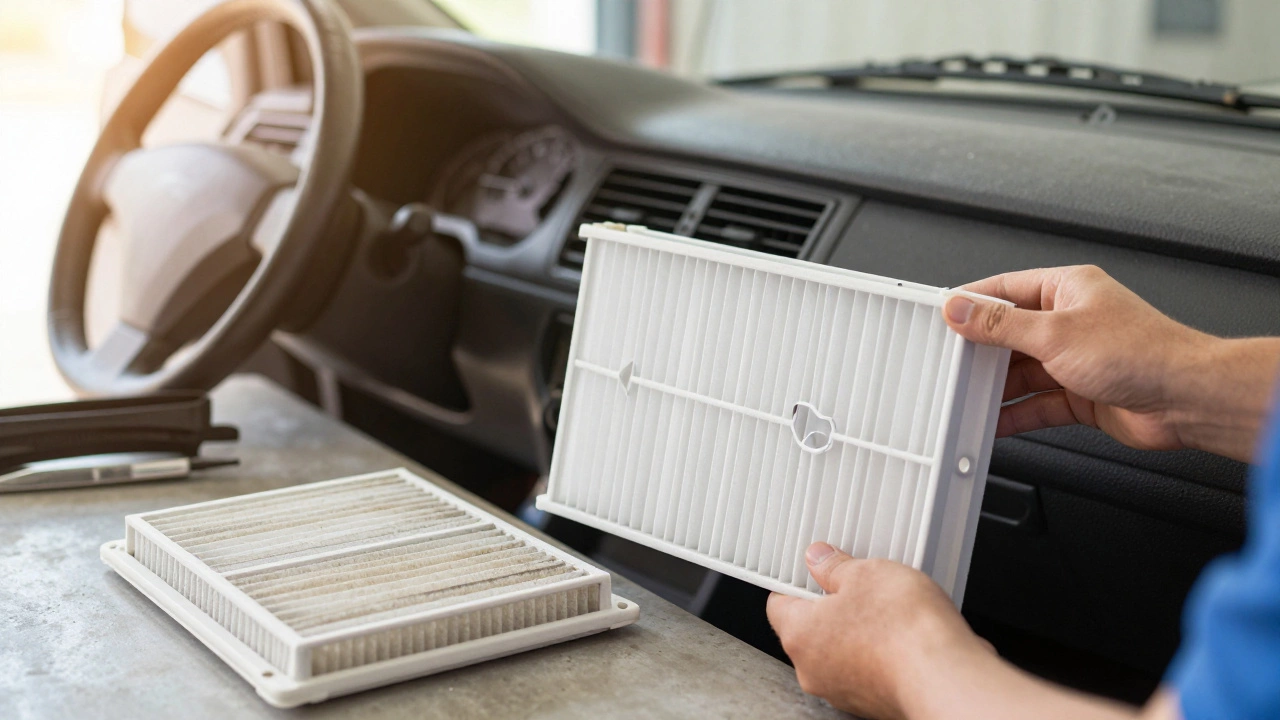
One reason people hesitate to replace filters is the fear of complex installation. In reality, changing a cabin air filter is one of the easiest DIY tasks in car maintenance. Most filters are located behind the glove compartment or under the dashboard on the passenger side. You usually just need to unclip the glovebox, remove a cover panel, and slide the old filter out. Note the arrow indicating airflow direction before removing it, then insert the new one with the arrow pointing towards the floor (into the HVAC box). No tools required. It takes less time than brewing a cup of tea.
By choosing replacement over cleaning, you ensure your vehicle’s interior remains a healthy sanctuary. Save the water for your plants, and spend the small amount on a fresh filter. Your lungs-and your car’s engine longevity-will thank you.
Can I wash a paper cabin air filter?
No, you should never wash a paper cabin air filter. Water will cause the paper fibers to break down, swell, and lose their structural integrity. This leads to reduced airflow and poor filtration. Once wet, a paper filter is ruined and must be discarded.
How often should I replace my car AC filter?
Generally, it is recommended to replace your cabin air filter every 12,000 to 15,000 miles or once a year. However, if you drive in areas with heavy traffic, dust, or pollen, you may need to replace it more frequently, such as every 6,000 miles or six months.
What happens if I don't change my cabin air filter?
A clogged cabin air filter restricts airflow, causing your blower motor to work harder and potentially fail. It also reduces heating and cooling efficiency, leads to foggy windows, and allows allergens, dust, and pollutants to enter your cabin, affecting air quality and health.
Is it worth buying a premium carbon filter?
Yes, if you live in an urban area or are sensitive to odors. Activated carbon filters adsorb harmful gases, exhaust fumes, and unpleasant smells that standard paper filters cannot catch. They provide a cleaner, fresher cabin environment, though they are slightly more expensive than basic filters.
Where is the cabin air filter located in my car?
In most modern cars, the cabin air filter is located behind the glove compartment or under the dashboard on the passenger side. Some older models or sports cars may place it under the hood near the windshield cowl. Consult your owner’s manual for the exact location specific to your vehicle model.