True Cost Calculator: Cheap vs. Premium Air Filters
Your Driving Habits
Lifespan
3k-5k miles
Total Annual Cost
£0.00
Lifespan
12k-15k miles
Total Annual Cost
£0.00
You Save by Choosing Premium
£0.00
per year on average
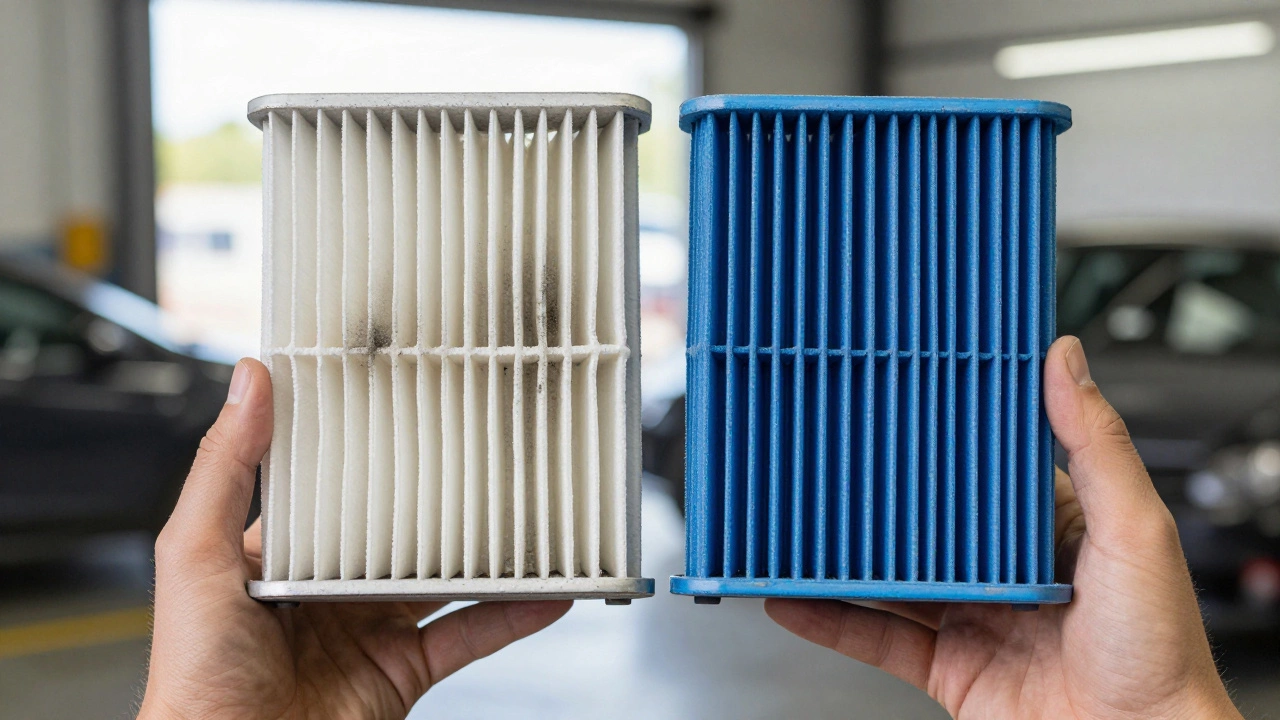
That £8 air filter you grabbed on a whim? It might be choking your engine or filling your car with dust right now. We’ve all been there: standing in the auto parts aisle, staring at the price difference between the generic white box and the branded blue one. The cheap option looks identical, smells fine, and saves you cash. But does it actually do its job?
The short answer is no-not for long. While a premium engine air filter can last up to 12,000 miles under normal conditions, a budget alternative often fails within 3,000 to 5,000 miles. The same rule applies to your cabin air filter, which keeps pollen and exhaust fumes out of your interior. Cheap filters use thinner materials that clog faster, reducing airflow and forcing your vehicle’s systems to work harder.
The Material Difference: Why Price Matters
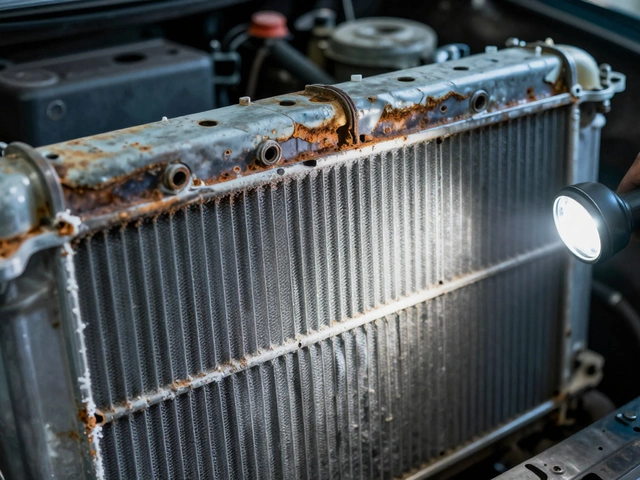
To understand why cheap filters die young, you have to look at what they’re made of. Most budget air filters use basic cellulose paper. This material is porous and thin. When it captures dirt, dust, and pollen, the particles don’t just sit on the surface; they embed themselves into the fibers. Within weeks, those pores are blocked. Airflow drops significantly, but the filter doesn’t look dirty from the outside.
Premium filters, by contrast, often use multi-layer synthetic media or high-density cotton gauze. These materials create a deeper filtration matrix. They trap contaminants on the surface rather than letting them penetrate deep into the structure. This means the filter stays breathable for longer. In dry, urban environments like London or Bristol, where road dust is constant, this difference is stark. A cheap filter becomes a solid wall of grime much faster than a high-quality one.
Engine Air Filter Lifespan: The Hidden Cost
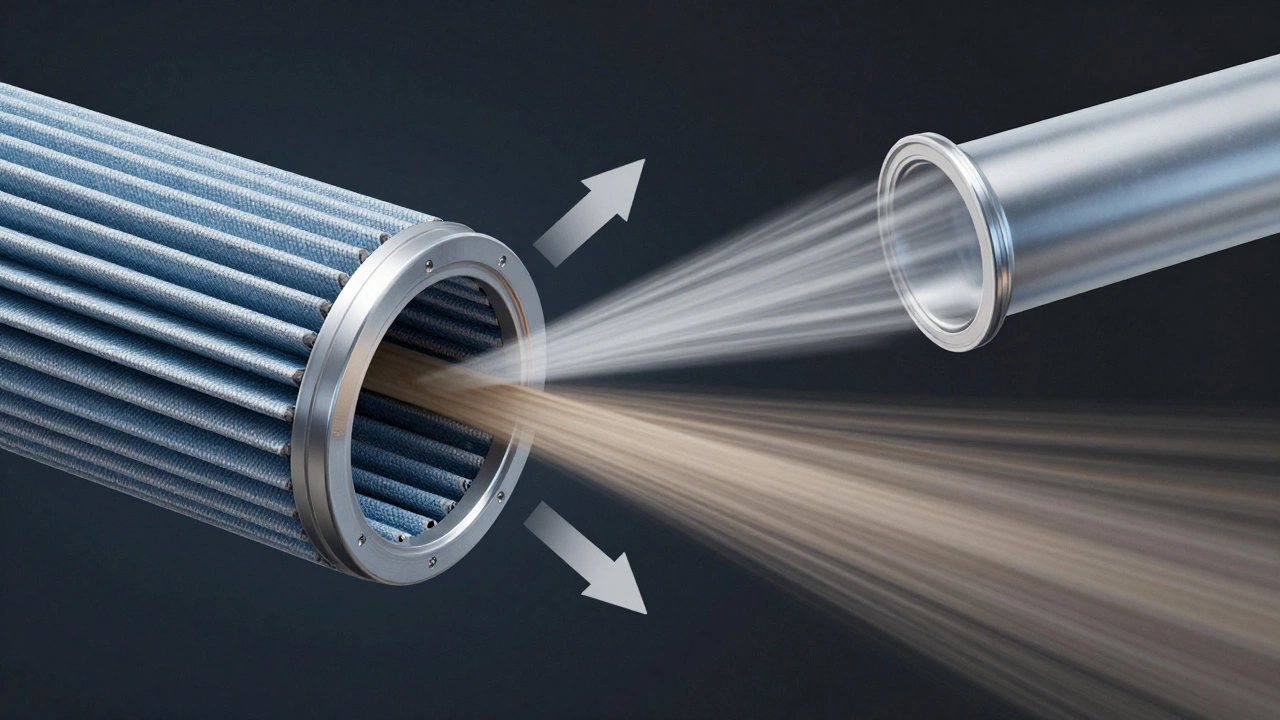
Your engine needs air to burn fuel efficiently. Think of it like breathing through a straw. If the straw is wide and clear, you breathe easy. If it’s clogged with lint, you struggle. An engine air filter acts as that straw. When a cheap filter clogs prematurely, your engine has to suck air through a dense layer of trapped debris. This creates vacuum pressure issues.
Here is the typical lifespan breakdown based on real-world driving data:
- Cheap Cellulose Filters: 3,000 - 5,000 miles. Performance degrades rapidly after the first month in dusty conditions.
- Mid-Range Synthetic Blends: 6,000 - 9,000 miles. Better durability against moisture and heat.
- Premium OEM/Performance Filters: 12,000 - 15,000 miles. Designed to maintain consistent airflow throughout their service life.
If you drive an older car with a carburetor, the impact is immediate-you’ll feel a loss of power. In modern fuel-injected cars, the Engine Control Unit (ECU) compensates for reduced airflow by injecting more fuel. This leads to poor mileage. You might not notice a drop in speed, but you will see your fuel economy slip by 5% to 10%. Over a year, that extra fuel cost easily outweighs the savings from buying a cheap filter.
Cabin Air Filters: Health vs. Wallet
The cabin air filter is the unsung hero of your car’s comfort. It sits behind the glove compartment and filters every breath you take inside the vehicle. Cheap cabin filters are notorious for two things: failing quickly and smelling bad.
Budget models often lack activated carbon layers. Activated carbon traps odors, nitrogen oxides, and sulfur compounds from city traffic. Without it, your cheap filter only catches large particles like leaves and bugs. Fine particulate matter (PM2.5), which causes respiratory irritation, passes right through. Furthermore, because the material is thin, it holds less moisture. This creates a breeding ground for mold and bacteria, leading to that distinct "wet dog" smell when you turn on the AC.
In humid climates or during rainy seasons, a cheap cabin filter can become saturated in as little as two months. A quality filter with hydrophobic properties repels water, keeping the filtration media dry and effective for six to twelve months.
| Feature | Cheap/Budget Filter | Premium/OEM Filter |
|---|---|---|
| Material | Thin Cellulose Paper | Synthetic Media / Multi-layer Cotton |
| Average Lifespan | 3,000 - 5,000 Miles | 12,000 - 15,000 Miles |
| Filtration Efficiency | Low (lets fine dust through) | High (traps 99% of particles) |
| Moisture Resistance | Poor (rots/molds easily) | Good (hydrophobic coatings) |
| Impact on Fuel Economy | Negative (if clogged) | Neutral/Positive (maintains airflow) |
Signs Your Cheap Filter Has Failed
You don’t need a mechanic to tell you when your filter is done. Your car will speak to you if you listen. Here are the specific symptoms of a failed budget filter:
- Rattling Noise at Idle: As the filter media breaks down, pieces can detach. If these fragments enter the intake manifold, they cause a rattling sound when the engine is idling.
- Reduced Acceleration: Press the gas pedal and feel hesitation. The engine isn’t getting enough oxygen to combust fuel efficiently.
- Dusty Interior: If you wipe your dashboard and find a thick layer of grey dust daily, your cabin filter is bypassing fine particles.
- Weak HVAC Output: The fan runs at max speed, but barely any air comes out of the vents. The filter is physically blocking the airflow path.
- Check Engine Light: Severe restriction can trigger lean fuel mixture codes (P0171/P0174) as the ECU detects insufficient air-fuel ratio.
When Is a Cheap Filter Actually Okay?
Let’s be fair. Sometimes, a cheap filter is the right choice. If you own a classic car that sits in a garage most of the time and is driven only on clean country roads, a basic cellulose filter is sufficient. The low mileage and clean environment mean the filter won’t encounter heavy loads of abrasive dust or oil vapor.
Also, consider the end-of-life scenario. If you are selling your car next week, spending £40 on a premium filter offers no return on investment. A cheap filter ensures the car passes a visual inspection without breaking the bank. However, for daily drivers, especially in urban UK cities with high pollution levels, the math rarely works in favor of the budget option.

Installation Tips to Extend Life
Even the best filter fails if installed incorrectly. Many people blame the filter quality when the issue is actually a poor seal. Here is how to ensure your filter lasts as long as possible:
- Check the Seal: Before installing, wipe the housing gasket area with a damp cloth. Old dirt prevents a tight seal, allowing unfiltered air to bypass the filter entirely.
- Align the Arrows: Airflow direction matters. Most filters have an arrow indicating the direction of airflow. Installing it backward reduces efficiency by up to 30%.
- Don’t Wash Non-Washable Filters: Some cheap filters claim to be washable. Unless explicitly stated as "permanent" or "washable," never spray water on a paper filter. It will disintegrate and ruin your engine sensors.
- Set Reminders: Since cheap filters fail unpredictably, set a calendar reminder for 3 months or 3,000 miles. Don’t wait for symptoms.
The Verdict: Save Money or Spend It?
Buying a cheap air filter is a false economy. You save £10 upfront but risk higher fuel costs, potential engine wear, and health issues from poor cabin air quality. For most drivers, mid-range synthetic filters offer the best balance of cost and performance. They last twice as long as cheap options and provide significantly better filtration. Reserve the cheapest filters only for short-term use or low-mileage vintage vehicles. Your engine-and your lungs-will thank you.
Can I clean a cheap paper air filter?
No. Standard cellulose air filters are disposable. Attempting to clean them with compressed air or water will damage the fiber structure, creating holes that let unfiltered air into your engine. Only permanent cotton gauze or oiled foam filters can be cleaned and reused.
Does a dirty air filter affect fuel economy?
Yes. A clogged filter restricts airflow, causing the engine control unit to inject more fuel to compensate for the lack of oxygen. This rich fuel mixture can reduce your miles per gallon by 5% to 15%, depending on how severely restricted the filter is.
How often should I replace my cabin air filter?
For cheap filters, check every 3 months or 5,000 miles. For premium filters, replacement is typically needed every 12,000 to 15,000 miles. If you live in a polluted city or have allergies, replace it more frequently, regardless of the filter type.
What happens if I drive with a missing air filter?
Driving without an air filter allows dirt, sand, and debris to enter the engine cylinders. This causes rapid wear on piston rings and cylinder walls, potentially leading to catastrophic engine failure. It also voids your warranty in many cases.
Are oiled air filters better than cheap paper ones?
Oiled cotton filters generally offer better airflow and filtration efficiency than cheap paper filters. However, they require regular maintenance (cleaning and re-oiling) and can damage Mass Air Flow (MAF) sensors if over-oiled. They are a good middle-ground for enthusiasts who perform regular maintenance.