Brake Replacement Decision Tool
Enter the measurements found stamped on your rotor hat.
Ready to Analyze
Enter your disc measurements above to get a recommendation on whether to change only pads or replace both.
- Tip: Use a caliper gauge to measure the thinnest part of the disc.
Imagine you’re driving down the M4 near Bristol on a rainy Tuesday. You tap the brakes to slow for traffic, and instead of a smooth stop, your car shudders violently. The steering wheel vibrates in your hands like it’s trying to escape. Your first thought? "I just replaced my brake pads last month! Why is this happening?" It’s a frustrating scenario that plagues thousands of drivers every year. You did the job, but something still feels wrong. The question isn’t just about mechanics; it’s about whether you can save money by swapping only the brake pads while leaving the old discs alone.
The short answer is yes, you physically can change just the pads. But should you? That depends entirely on the condition of your rotors (discs). In the UK, where wet roads and frequent stop-start traffic are common, brake wear happens faster than you might think. If you ignore the state of the discs, you risk wasting money, compromising safety, and dealing with noisy brakes within weeks. Let’s break down exactly when you get away with changing only the pads, and when you absolutely must replace both.
What is the minimum thickness for brake discs?
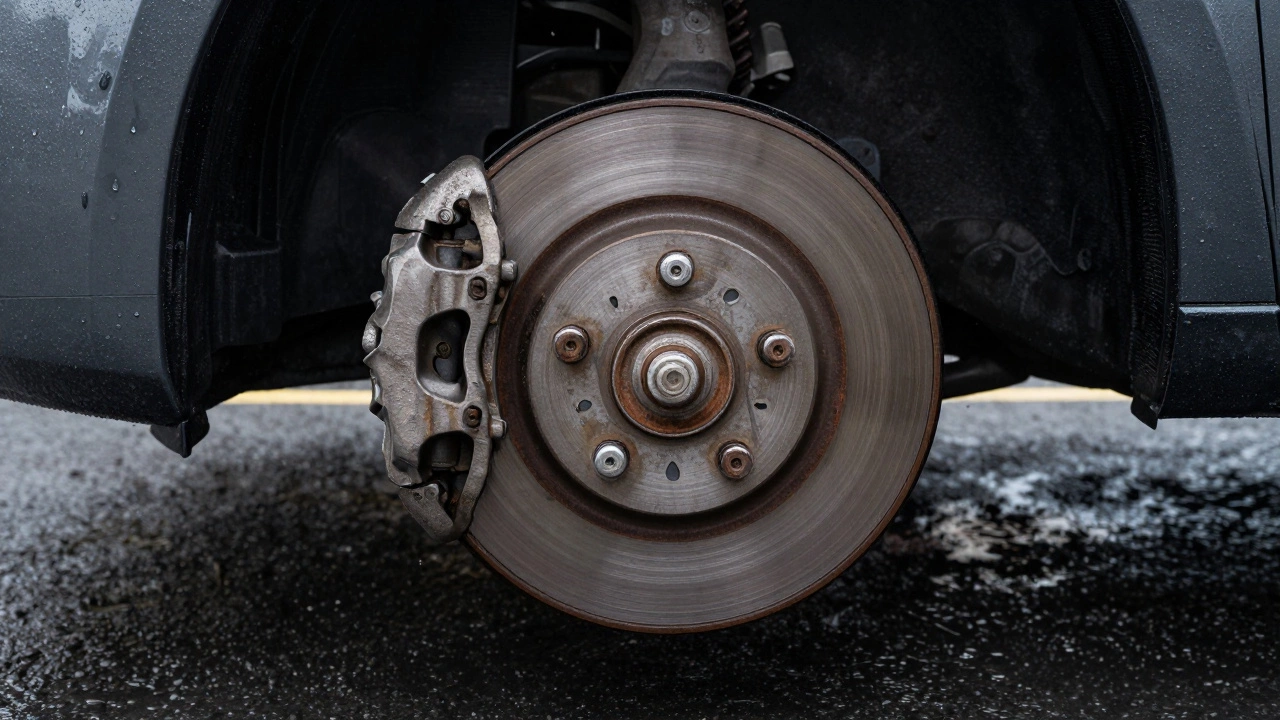
Every brake disc has a manufacturer-specified minimum thickness, often stamped on the hat section of the rotor. For example, a standard front disc might start at 28mm new but have a minimum limit of 26mm. If your caliper gauge reads below this number, the disc is unsafe and must be replaced. Using thinner discs leads to overheating and potential warping under heavy braking.
Why do my brakes squeal after replacing pads?
Squealing usually indicates worn pad wear indicators touching the disc, or glazed pads from improper bedding-in. If you kept old, grooved discs, the new pads may not seat properly, causing vibration and noise. Always ensure discs are clean and free of rust before installing new pads.
How often should I replace brake pads in the UK?
In urban areas like London or Bristol, expect to replace pads every 20,000-30,000 miles due to frequent stopping. Highway drivers may go 40,000+ miles. However, mileage varies wildly based on driving style. Aggressive drivers who ride the brakes will wear them out much faster. Check thickness annually during MOT prep.
Can I machine old brake discs instead of replacing them?
Yes, if they’re above minimum thickness and not severely warped. Skimming removes surface imperfections, creating a fresh mating surface for new pads. However, many modern discs are too thin to skim safely. Always check the manufacturer’s minimum specification before attempting this cost-saving measure.
Is it safe to drive with warped brake discs?
No. Warped discs cause pedal pulsation and reduced braking efficiency, especially in emergencies. While the car won’t immediately fail, stopping distances increase unpredictably. This is particularly dangerous on UK B-roads with blind corners. Replace warped discs immediately to maintain consistent stopping power.