Tyre/Tire Regional Spelling Guide
Check Your Correct Spelling
Select your location to see the appropriate spelling for car tires
Note: Both spellings refer to the same product
Ever looked at your car’s tyres and wondered why some people call them tyres and others say tires? It’s not a typo. It’s not a mistake. It’s just geography.
It’s the Same Thing - Just Different Spellings
Whether you write ‘tyres’ or ‘tires’, you’re talking about the rubber rings that wrap around your car’s wheels. They grip the road, absorb bumps, and keep you from sliding on wet pavement. The function? Identical. The spelling? Depends on where you are.
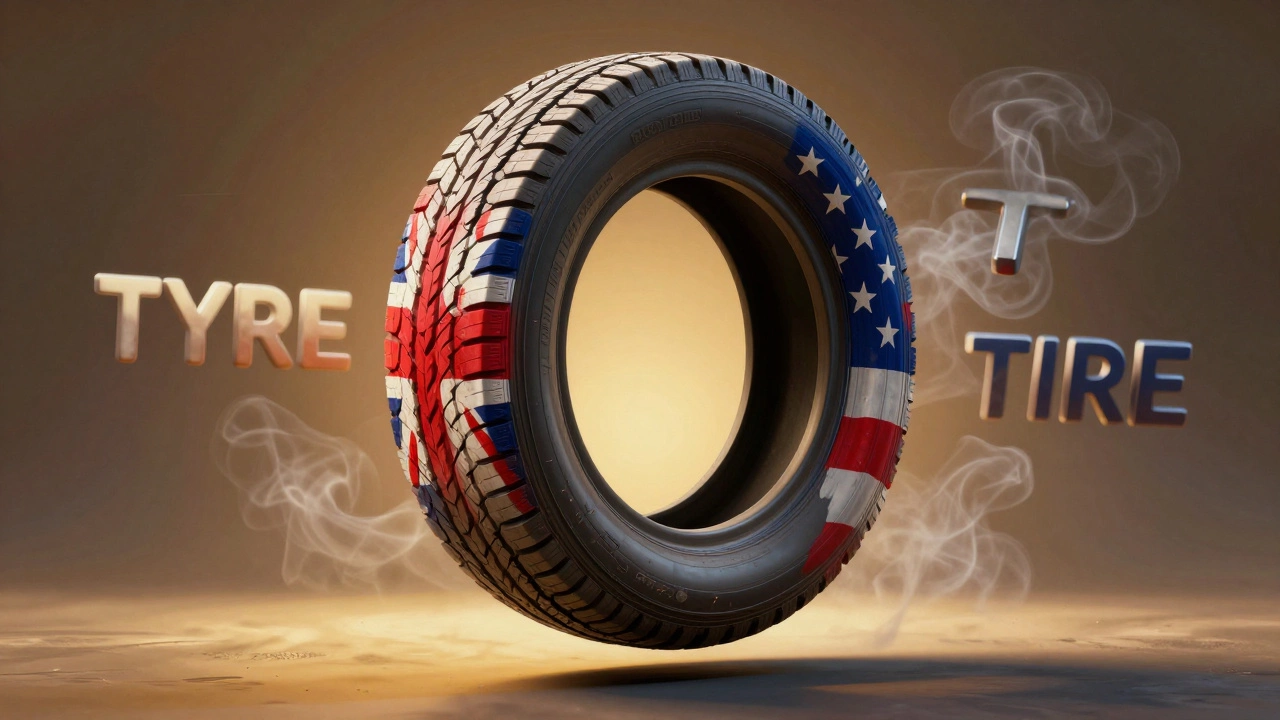
In the United Kingdom, Australia, India, and most Commonwealth countries, the standard spelling is tyres. That’s how it’s written in British English. If you walk into a garage in Bristol, Manchester, or Sydney and ask for new tyres, the mechanic will nod and hand you the right part.
In the United States and the Philippines, the spelling is tires. That’s the American English version. If you’re shopping online in the US, searching for ‘car tyres’ will show fewer results than ‘car tires’ - because that’s what American retailers use.
Why Two Spellings? A Bit of History
The word comes from the Old French ‘tire’, meaning a band or covering. Back in the 1500s, metal bands were fitted around wooden wheels to protect them. Those bands were called ‘tires’. When rubber replaced iron in the 1800s, the word stuck.
British English kept the original spelling with the ‘y’ - tyre - because it matched the pronunciation better. American English, under the influence of Noah Webster’s spelling reforms in the early 1800s, simplified many words. ‘Tyre’ became ‘tire’ - one less letter, easier to write, and more consistent with words like ‘fire’ and ‘wire’.
It wasn’t a mistake. It was a deliberate change. Webster wanted American English to be distinct from British English. And it worked.
Which One Should You Use?
If you live in the UK, Ireland, Canada (outside Quebec), South Africa, or New Zealand - use tyres. That’s the local standard. Use tires if you’re in the US, the Philippines, or writing for an American audience.
There’s no right or wrong - only context. Using ‘tyres’ in a US-based forum might make you look like you’re from overseas. Using ‘tires’ in a British workshop could raise an eyebrow - not because it’s wrong, but because it’s not the local norm.
Even car manufacturers follow this rule. BMW UK’s website says ‘tyres’. BMW USA says ‘tires’. Same car. Same part. Different spelling.
What About Technical Documents and Manuals?
If you’re reading a car manual, check the country of origin. A manual printed for the UK market will say ‘tyres’. One printed for the US market will say ‘tires’. The technical specs? Exactly the same. The pressure ratings, load indexes, tread patterns - none of that changes based on spelling.
Even in international shipping documents, the part number stays the same. ‘Tyre’ and ‘tire’ are just labels. The actual product is identified by its size, load rating, and speed code - not by its spelling.
Online Shopping? Watch Out for the Spelling
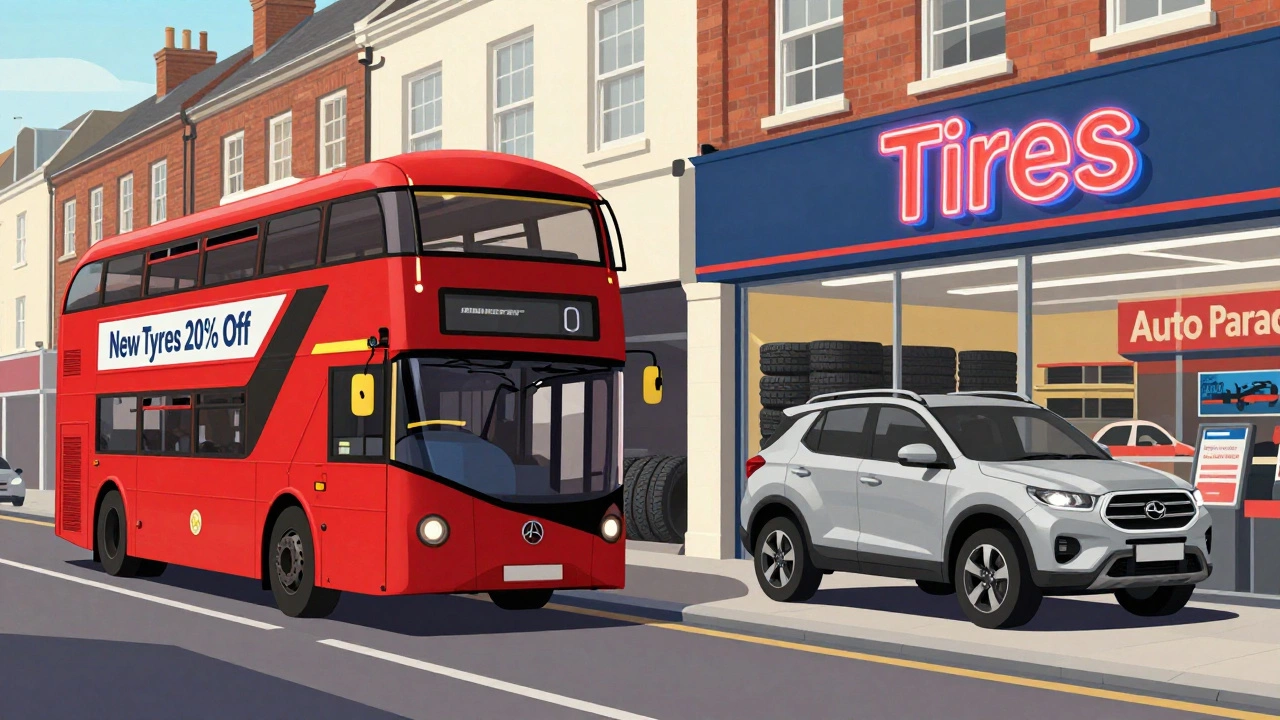
Here’s a real-world tip: if you’re buying tyres online and you’re in the UK, search for ‘car tyres’. If you search for ‘car tires’, you might get redirected to US-based sellers with higher shipping fees or longer delivery times.
Amazon UK lists products as ‘tyres’. Amazon US lists them as ‘tires’. Even if you type the wrong spelling, Amazon will usually correct it - but why risk it? Use the local spelling to get the most accurate results and local pricing.
Same goes for Google. Type ‘best tyres 2025’ in the UK and you’ll see reviews from Tyre Shop UK, Halfords, and Kwik Fit. Type ‘best tires 2025’ and you’ll get Tire Rack, Discount Tire, and US-based blogs.
Does Spelling Affect Performance or Safety?
No. Not at all.
A Michelin tyre made in France and sold in London is the same as the one sold in Chicago. The rubber compound, the steel belts, the tread design - all identical. The only difference? The label on the box.
When you’re checking tread depth, you’re looking for 1.6mm minimum in the UK. In the US, the legal limit is also 1.6mm. The inspection process? Same. The consequences of driving on worn tyres? Also the same - higher risk of aquaplaning, longer stopping distances, and potential fines.
So if you’re worried about safety, focus on the tread, the pressure, and the age of the tyre - not the spelling.
What About Other Car Parts?
You’ll see this pattern with other car-related words too:
- Boot (UK) vs Trunk (US)
- Bonnet (UK) vs Hood (US)
- Petrol (UK) vs Gasoline (US)
- Lorry (UK) vs Truck (US)
- Indicators (UK) vs Turn signals (US)
These aren’t different parts - just different names. The same way ‘tyre’ and ‘tire’ refer to the same rubber ring, ‘boot’ and ‘trunk’ refer to the same storage space at the back of the car.
Knowing these differences helps you understand car forums, manuals, and even YouTube videos from other countries.
Final Verdict: Use the Local Spelling
There’s no global standard. There’s no ‘correct’ spelling in the absolute sense. What matters is using the spelling that matches your audience.
If you’re writing a blog for UK drivers - use tyres. If you’re posting on a US car forum - use tires. If you’re buying parts online - match the spelling of the website you’re on.
And if you’re just curious? Now you know why both exist - and neither is wrong.
Next time you see ‘tyres’ on your garage receipt or ‘tires’ on a US website, you won’t second-guess it. You’ll just nod and think - same part. Different spelling. Simple as that.
Is one spelling more correct than the other?
No. Neither spelling is more correct. ‘Tyres’ is the standard in British English, and ‘tires’ is the standard in American English. Both are valid - it’s just a regional difference, not an error.
Can I use ‘tires’ in the UK?
You can, but it’ll look out of place. Most UK drivers, mechanics, and retailers use ‘tyres’. Using ‘tires’ might make you seem unfamiliar with local terms - even though it’s not technically wrong.
Do tyres and tires have different sizes or standards?
No. The size, load rating, and speed index are the same worldwide. A 205/55 R16 tyre is identical to a 205/55 R16 tire. The spelling doesn’t change the product.
Why do some car brands use both spellings?
Global brands like Ford, Toyota, and BMW adapt their websites and manuals to local markets. Their UK site says ‘tyres’. Their US site says ‘tires’. It’s about matching the audience, not changing the product.
Will using the wrong spelling affect my car warranty?
No. Warranty terms are based on the part’s serial number, installation date, and usage - not how you spell it. As long as you’re using the correct part number, the spelling doesn’t matter.