Engine Oil Overfill Risk Calculator
Input Data
Ready to Analyze
Enter your oil levels and click analyze to see the potential risks to your engine.
It sounds counterintuitive. We are taught that oil is the lifeblood of an engine, so surely more is better? If you have ever topped off your engine with a little extra "just to be safe," you might want to read this. The short answer is yes, you can absolutely put too much oil in your car, and doing so can cause expensive damage.
Unlike a coffee cup where excess liquid just spills over, an engine is a sealed system. When you overfill it, you create pressure problems that lead to leaks, sensor failures, and even catastrophic internal damage. This guide explains exactly what happens when you cross that line, how to spot the signs before they become costly repairs, and how to fix it yourself without visiting a mechanic.
Why More Oil Isn't Always Better
To understand why overfilling is dangerous, you need to look at how an engine works. Inside your engine block, there is a component called the crankshaft. This heavy metal shaft spins rapidly, converting the up-and-down motion of pistons into rotational force that turns your wheels.
The bottom of the engine contains the oil pan, which holds your reserve oil. A pump draws oil from here and sprays it around the engine to lubricate moving parts. However, the space above the oil pan-the crankcase-is not empty. It is filled with air and gases under specific pressure conditions.
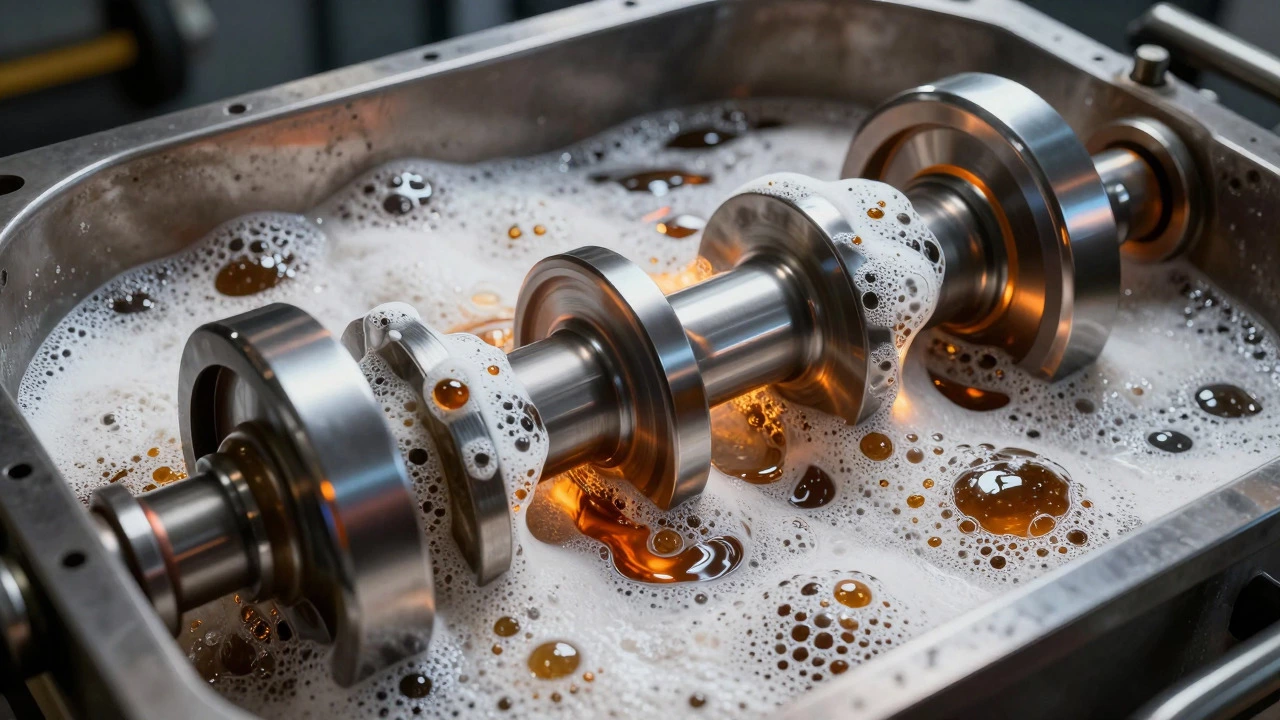
When you add too much oil, the fluid level rises into this breathing space. As the crankshaft spins at high speeds (often thousands of revolutions per minute), its counterweights dip into the excess oil. This action aerates the oil, turning it into a frothy, bubbly mixture similar to shaking a bottle of shampoo. This phenomenon is known as foaming.
The Dangers of Aerated Oil
Foamy oil is useless for lubrication. Air bubbles compress easily, whereas liquid oil does not. When the oil pump tries to push this foam through the engine's galleries, it fails to maintain the necessary hydraulic pressure. Without proper pressure, metal surfaces rub against each other directly, leading to accelerated wear on bearings and camshafts.
But the problems don't stop at poor lubrication. Here are the three most common consequences of overfilling:
- Increased Crankcase Pressure: As the crankshaft churns the oil, it displaces air. Since the engine is a sealed unit, that air has nowhere to go but out. This excessive pressure forces its way past seals and gaskets.
- Oil Leaks: The heightened pressure often blows out the weakest points first. You might notice fresh oil dripping from the rear main seal, the front crankshaft seal, or the valve cover gasket. These repairs are labor-intensive because mechanics must remove major components to access them.
- Catalytic Converter Damage: In severe cases, the engine burns the excess oil. Unburnt oil enters the exhaust system and coats the catalytic converter. This clogs the honeycomb structure inside, causing overheating and eventual failure. Replacing a catalytic converter can cost hundreds, if not thousands, of pounds.
Symptoms of Overfilled Engine Oil
You won't always see smoke billowing from under the hood immediately. Often, the signs are subtle until the damage is done. Watch for these indicators after an oil change:
- Smell of Burning Oil: If you smell acrid fumes inside or outside the car, especially during acceleration, the engine is likely burning excess oil.
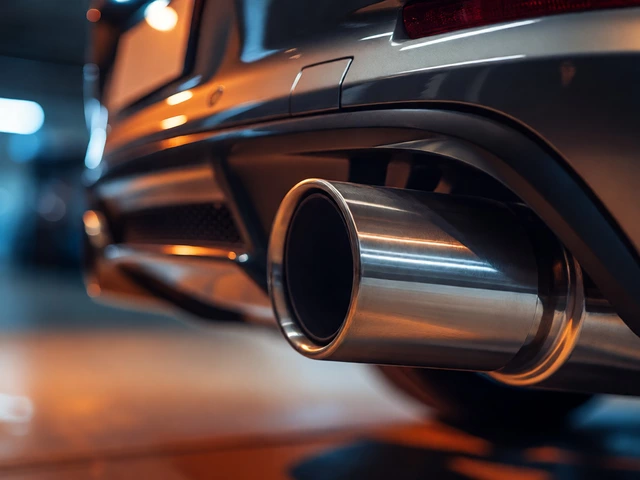
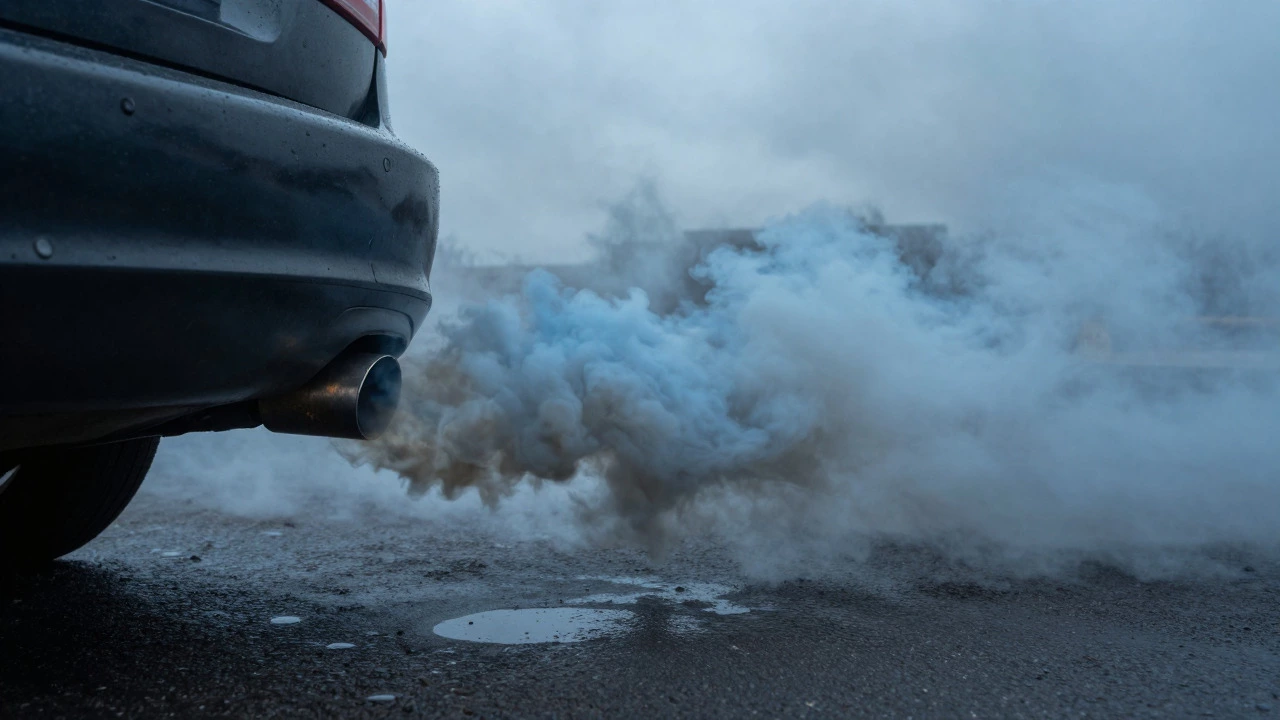
- Blue or Grey Exhaust Smoke: Thick blue smoke from the tailpipe is a classic sign of oil combustion. While some white steam is normal when cold, persistent blue smoke means oil is entering the combustion chamber.
- Check Engine Light: Modern cars have sensors that monitor oxygen levels and pressure. If the engine is running rich due to oil ingestion, or if pressure sensors detect anomalies, the dashboard warning light may illuminate.
- Oil Leaks: Check underneath your car after parking. Fresh, dark puddles indicate that seals have been compromised by pressure.
- Rough Idle or Loss of Power: Foamy oil doesn't lubricate well, causing increased friction and resistance. You may feel the engine struggling or vibrating more than usual.
How Much Is Too Much?
Manufacturers specify an exact range for oil capacity. For example, a typical family sedan might require between 4.5 and 5.5 liters. The "safe zone" is usually marked on the dipstick with two holes or lines: "Min" and "Max."
Being slightly above the max line isn't always catastrophic, but it is risky. Most experts agree that exceeding the maximum mark by more than half a quart (approximately 0.5 liters) puts your engine at significant risk. Some modern turbocharged engines are particularly sensitive due to their complex oil circulation systems.
| Oil Level Position | Risk Level | Potential Consequences |
|---|---|---|
| Between Min and Max | Low | Optimal performance; no action needed. |
| Slightly Above Max (< 0.5L) | Moderate | Minor foaming; potential minor leaks; monitor closely. |
| Significantly Above Max (> 0.5L) | High | Severe foaming, seal blowouts, catalytic converter damage. |
| Below Min | Critical | Oil starvation, bearing failure, engine seizure. |
How to Fix Overfilled Oil
If you realize you've added too much oil, don't panic. You can fix this yourself in your driveway. You have two options: draining via the dipstick tube or draining from the bottom plug.
Method 1: Using a Fluid Extractor (Easiest)
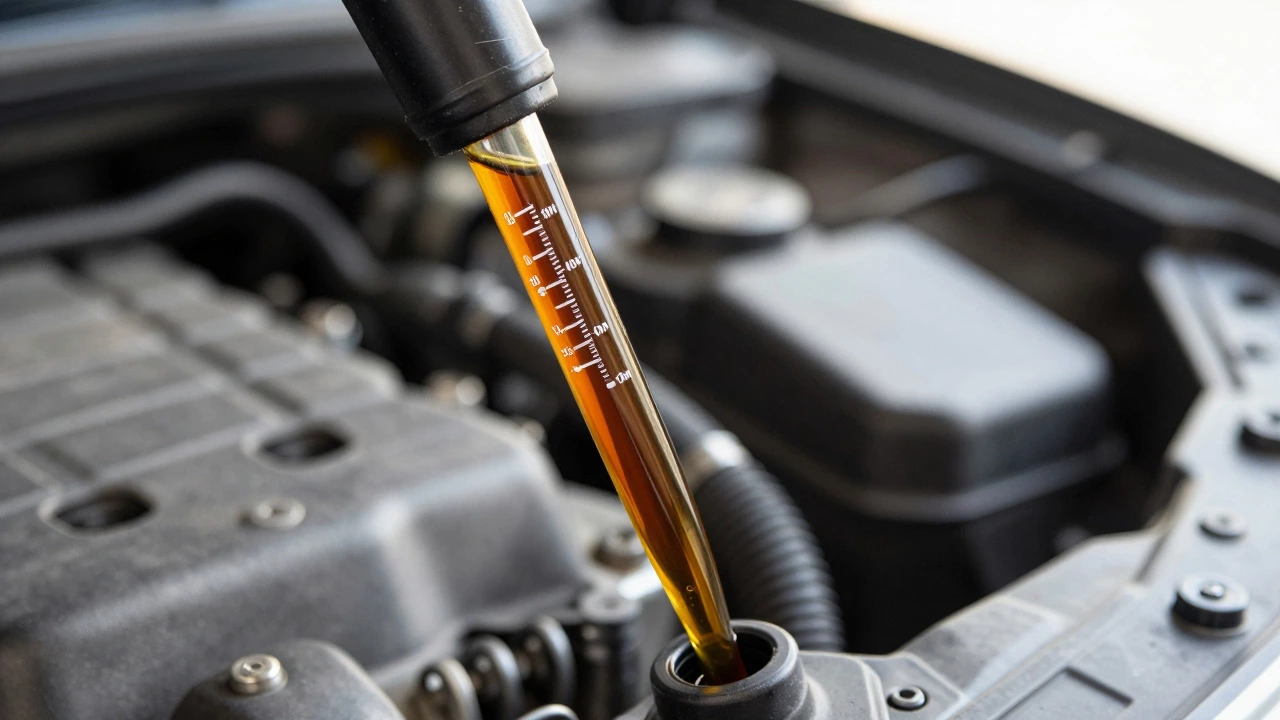
A fluid extractor is a hand-pump tool designed to suck fluids out of hard-to-reach places. It costs around £20-£30 and is worth having in your garage.
- Remove the dipstick from its tube.
- Insert the thin hose of the extractor into the dipstick tube until it hits the bottom of the oil pan.
- Pump the handle to create suction. Watch the clear tube to see the oil being drawn out.
- Stop when the oil level drops below the "Max" line.
- Reinsert the dipstick and recheck the level.
Method 2: Draining from the Bottom Plug
If you don't have an extractor, you can drain oil from the bottom, just like a regular oil change.
- Jack up the front of the car and secure it on axle stands. Ensure the engine is cool.
- Place a drain pan underneath the oil filter and drain plug.
- Loosen the drain plug slightly. Let a small amount of oil escape, then tighten it again.
- Repeat this process, checking the dipstick frequently, until the level is correct.
- Be careful not to lose the washer under the drain plug!
Preventing Future Mistakes
Overfilling often happens because of incorrect measurement techniques. Here is how to ensure accuracy every time:
- Wait After Pouring: After adding oil, wait at least two minutes before checking the dipstick. This allows the oil to flow down into the sump. Checking too soon gives a false low reading, tempting you to add more.
- Wipe the Dipstick Clean: Always pull the dipstick out, wipe it with a clean rag, reinsert it fully, and pull it out again to get an accurate reading.
- Use a Funnel: Spills on the outside of the dipstick tube can contaminate your reading. Use a funnel to pour oil cleanly into the filler cap.
- Add Slowly: Add oil in small increments (e.g., 0.5 liters at a time) rather than pouring the whole bottle at once.
When to See a Mechanic
If you have overfilled your oil and notice any of the following, professional help is required:
- Visible oil leaks from multiple seals.
- Persistent blue smoke from the exhaust after correcting the oil level.
- The Check Engine Light remains on after clearing codes.
- Unusual knocking or ticking noises from the engine, indicating bearing wear.
Early intervention can save you from replacing the entire engine. Mechanics can perform compression tests and inspect the catalytic converter for oil saturation.
What happens if I put one extra quart of oil in my car?
Adding one extra quart (approximately 1 liter) is generally considered significant overfilling. Depending on your engine size, this could raise the oil level well above the maximum mark. This increases the risk of the crankshaft churning the oil into foam, leading to poor lubrication, increased pressure, and potential seal leaks. It is advisable to drain the excess immediately.
Can overfilled oil cause the oil pressure light to come on?
Yes. If the oil becomes aerated and foamy, the oil pump may struggle to maintain consistent hydraulic pressure. This drop in pressure can trigger the low oil pressure warning light on your dashboard. Additionally, the increased crankcase pressure can sometimes interfere with sensor readings.
Is it worse to have too much oil or too little oil?
Having too little oil is generally more immediately dangerous. Low oil levels can lead to rapid engine seizure and total destruction within minutes. However, chronic overfilling causes gradual but expensive damage to seals, gaskets, and emissions systems. Both scenarios should be avoided, but low oil requires immediate attention to prevent total loss.
How do I know if my catalytic converter is damaged by oil?
Signs include a rotten egg smell from the exhaust, reduced fuel economy, loss of power, and illuminated Check Engine Light with codes related to catalyst efficiency (such as P0420). A mechanic can confirm this using a backpressure test or by inspecting the converter with a borescope.
Should I change my oil if I accidentally overfilled it?
Not necessarily. If you catch the overfill early and drain the excess before driving extensively, the remaining oil is likely fine. However, if you drove for many miles with foamy oil, the oil may have lost some of its lubricating properties due to aeration. In such cases, changing the oil and filter is a prudent precaution.