Fuel Pump Health & Diagnosis Tool
Use this diagnostic aid to evaluate whether your vehicle's fuel system issues are related to a failing pump or another component.
Diagnostic Result
You hear the familiar humming sound when you turn the key, yet the car struggles to start or stalls at traffic lights. It’s a frustrating scenario many drivers face. The short answer is yes, a fuel pump can run but still be bad. Just because the electric motor spins does not mean it is pushing enough liquid to your engine. This article explains why a functioning sound doesn't equal health, how to identify weak pressure, and what steps to take before swapping parts.
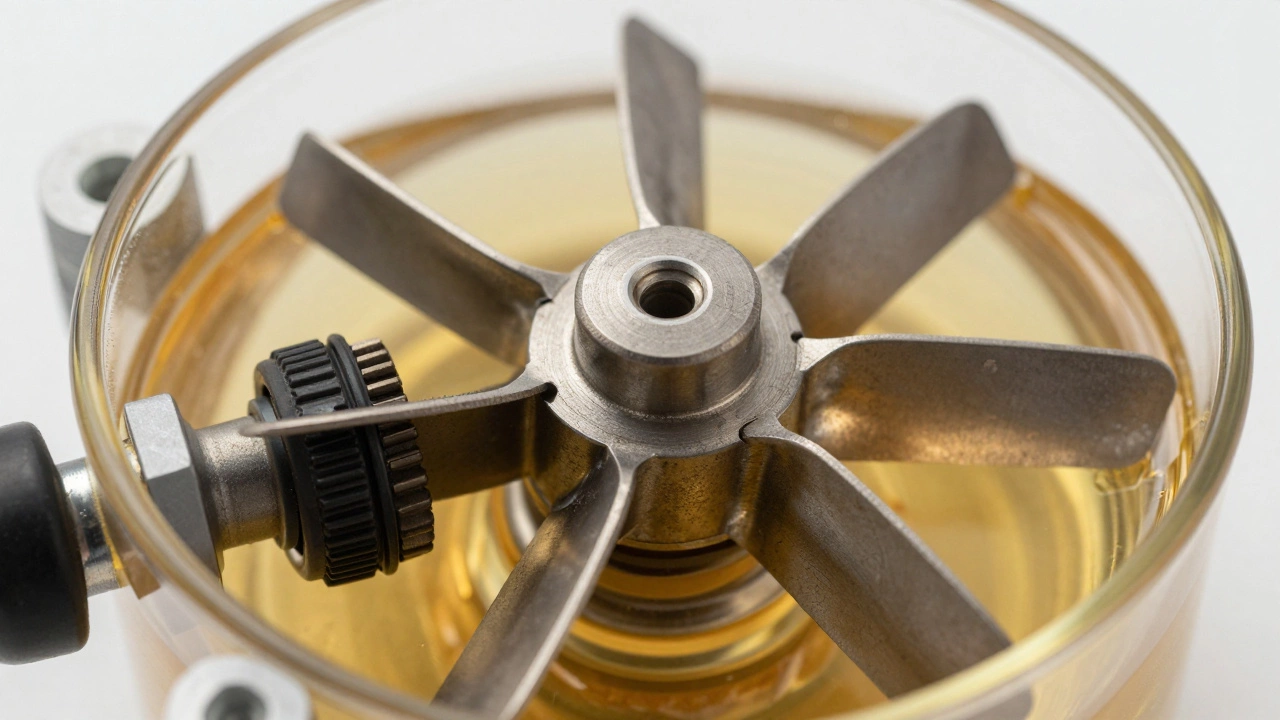
Many mechanics assume the part is dead if there is silence. But in modern vehicles, the noise is just the motor rotating. Inside the tank, there is a mechanical component called an impeller. This piece creates the actual pressure needed to spray petrol into the combustion chamber. When this impeller wears down, the motor might spin happily while delivering barely a trickle of fuel. This leads to performance issues that feel unrelated to the fuel delivery system entirely.
Understanding How Fuel Delivery Works
To grasp why a running pump fails, you need a basic understanding of the fuel system mechanics. In most petrol cars built in the last thirty years, the pump sits inside the fuel tank. An electric cable powers it, and it pushes fuel through a rubber hose to the engine. Between the tank and the engine, there is usually a metal frame called a rail that holds the injectors.
The magic number here is pressure. Your engine control unit expects fuel to arrive at a specific force. For many petrol engines, this target is around 3 bar (45 PSI). If the pump motor turns at full speed but the internal seals leak or the impeller fins are worn, the pressure drops below this threshold. The computer sees low fuel and cuts power to prevent damage, which often looks like an ignition problem to the driver.
A vital component often overlooked is the Check Valve. This valve sits at the outlet of the pump module. Its job is to hold pressure in the lines after you turn the engine off. If this valve fails, the lines bleed empty. The next time you try to start the car, the pump has to work much harder to repressurise the system. This causes hard starting even though the pump itself might be relatively healthy mechanically.
Key Symptoms of a Weak Pump
Diagnosing this issue relies on spotting patterns. A brand-new pump usually lasts ten years. When it starts failing near the end of its life, it rarely dies instantly. Instead, it offers subtle warnings before leaving you stranded on the M4 or A303. Here are the most common signs that your pump is struggling despite making noise:
- Hard Starting: The engine cranks longer than usual, especially after sitting overnight. The fuel pressure is bleeding away because the check valve cannot hold the line.
- Hesitation Under Load: You press the accelerator to overtake, and the car bogs down or stutters. The demand for fuel spikes, but the pump cannot meet the volume requirement.
- Surging at Constant Speed: Driving on the highway, the RPM dips and rises without you touching the pedal. This suggests intermittent flow restriction or voltage issues.
- Loss of Power Uphill: Climbing a steep incline requires high fuel volume. If the pump is worn, it runs dry under this load, causing a significant drop in power.
It is easy to mistake these symptoms for a dirty throttle body or faulty spark plugs. However, if these issues happen consistently at the same times-like morning cold starts-it points squarely at the fuel supply chain.
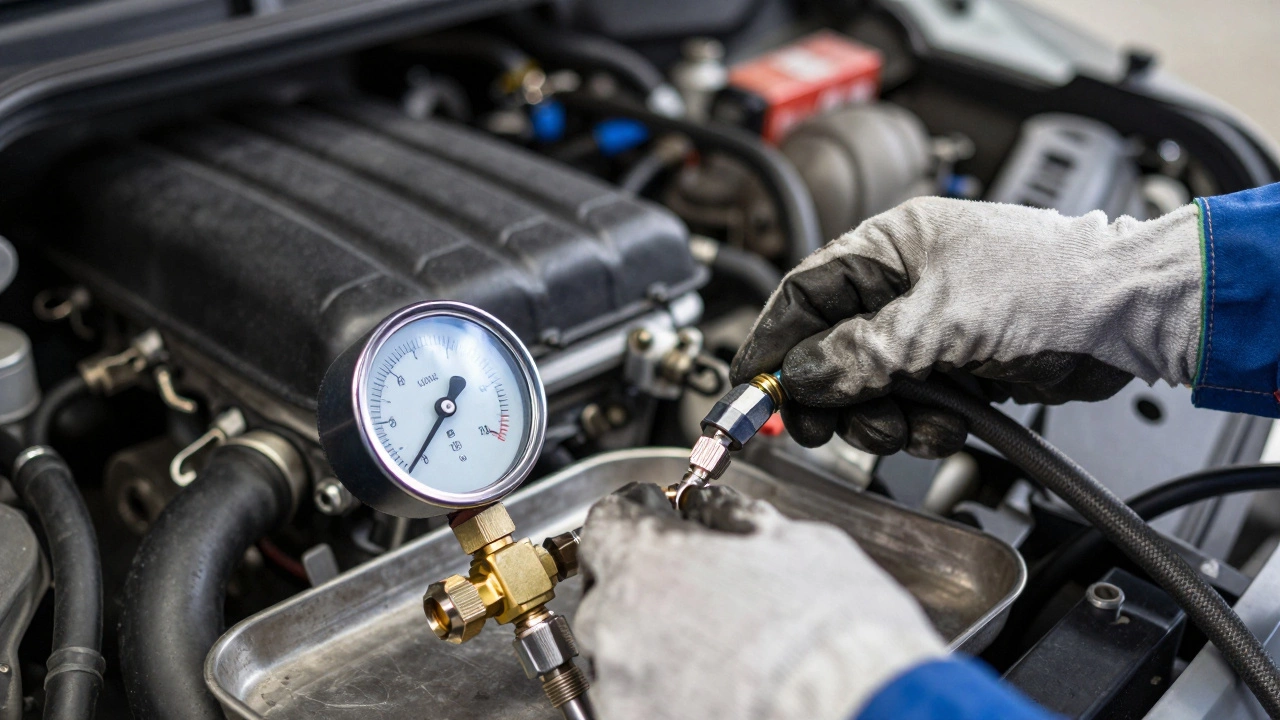
Testing Fuel Pressure Manually
Guessing is expensive. You need proof before spending money on a replacement assembly. The definitive way to check this involves using a fuel pressure gauge tool. Most auto parts stores rent these out, or you can buy a generic set. Connect the adapter to the Schrader valve on the fuel rail. This is similar to checking tyre pressure, but you connect it directly to the fuel line.
- Turn the Key On: Do not start the engine yet. Listen for the pump whirring. Watch the gauge needle rise immediately.
- Check Static Pressure: Note the reading once the pump stops. It should match your vehicle manufacturer specification, typically found in the service manual.
- Run the Engine: Observe the pressure while idling. A healthy pump maintains steady pressure.
- Pinch the Vacuum Line: Many systems have a vacuum regulator. Pinching this line raises pressure. If pressure rises, the pump is okay, but the regulator is leaking. If pressure stays flat, the pump is likely the culprit.
If you do not have access to a gauge, you can check the fuel lines. Squeeze the plastic hoses leading to the rail when the key is turned on. A strong pulse indicates decent pressure. A soft squeeze suggests the pump is struggling to push fluid through. This method is less accurate but gives you a quick visual cue.
Common False Positives to Rule Out
Before condemning the fuel pump, you must rule out other electrical gremlins. Sometimes the pump is fine, but the signal reaching it is weak. Wiring harnesses degrade over time, especially near the fuel tank neck where heat builds up. Corrosion on the connector pins creates resistance. This resistance lowers the voltage, causing the pump motor to spin slower than intended.
A blown fuse can also mimic a bad pump. While this usually kills the motor entirely, a loose relay contact allows the motor to run intermittently. Check the fuse box diagram under the bonnet. Look specifically for the main relay and the fuel pump fuse. Clean the contacts if they look blackened or oily.
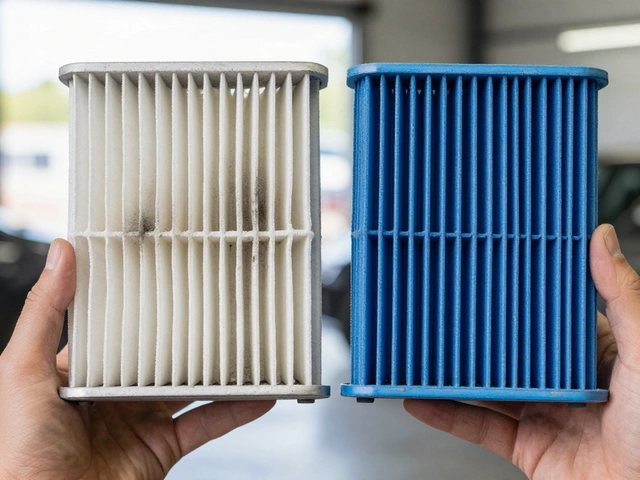
Another frequent offender is a clogged fuel filter. Modern cars often hide this element inside the tank along with the pump module. Older models have a separate inline filter on the chassis. If this screen gets choked with rust or debris, the pump pulls hard air through the screen instead of petrol. It sounds busy, but delivers nothing. Cleaning or replacing the pre-filter screen often restores normal operation without changing the entire pump assembly.

When to Replace vs Monitor
Once you confirm low pressure, the decision becomes financial versus risk. If the car passes MOT and drives safely on short trips, you might delay the fix. However, a failing pump puts stress on the remaining components. Running the engine lean (too much air, too little fuel) cooks the exhaust valves. This damage costs far more than a pump replacement.
If you decide to swap the unit, consider upgrading to an OEM (Original Equipment Manufacturer) part rather than cheap aftermarket alternatives. Cheap units often fail within months due to inferior sealing materials. In the UK market, brands like Bosch or Denso usually fit most standard cars and offer reliability comparable to the dealer option. Always inspect the fuel sender unit (the float mechanism) while you have access. Replacing the pump often knocks the sensor out of place, leading to inaccurate fuel readings on the dashboard.
Finally, never ignore the smell of petrol near the filler cap or under the rear seats. A cracked housing on the pump assembly leaks fuel vapour, creating a fire hazard. If you detect this scent, stop driving immediately and tow the vehicle to a garage.
Frequently Asked Questions
How long does a typical fuel pump last?
Most quality fuel pumps last between 100,000 and 150,000 miles. Factors like poor fuel quality, frequent short trips, and low fuel levels reduce this lifespan significantly.
Can a bad battery affect the fuel pump?
Yes. A weak battery can lower the voltage supplied to the pump. The motor may spin but lack the torque to generate proper pressure, mimicking pump failure.
Should I change the fuel filter every time?
If the filter is external, yes, you should replace it during the swap. Internal screens should be cleaned or replaced to ensure longevity of the new pump.
Is it safe to drive with a suspected bad pump?
It depends on severity. If the car starts reliably and doesn't hesitate, short trips are okay. Long distances carry the risk of sudden failure and stalling in traffic.
Does diesel differ from petrol pumps?
Diesel pumps usually operate at much higher pressures. They also often have multiple stages, including a lift pump in the tank and a high-pressure injector pump.