Clutch Lifespan Estimator & Habit Checker
Key Takeaways for Clutch Longevity
- Average lifespan typically falls between 50,000 and 100,000 miles.
- Extreme cases of longevity (200k+ miles) usually involve highway driving and perfect technique.
- Driving style (riding the clutch) is the single biggest factor in premature failure.
- High-torque engines and heavy towing shorten the life of the friction disc.
- Upgrading to a heavy-duty clutch kit can extend life for performance or work vehicles.
The Reality of Clutch Lifespans
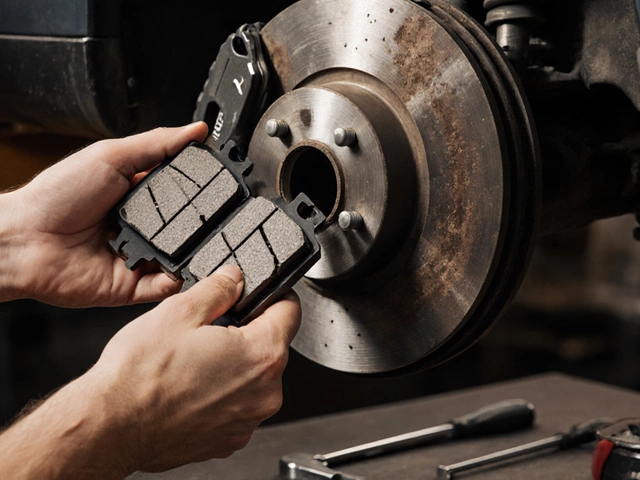
To understand the upper limits, we first need to define what a clutch kit is a set of components including the pressure plate, friction disc, and release bearing that engage and disengage the engine from the transmission. Because the friction disc is designed to wear down-much like a brake pad-it has a finite life. In a perfect world, a clutch could last the life of the engine, but in the real world, heat is the enemy.
I've seen cars in the UK, particularly diesel long-haulers or meticulously kept commuters, reach 250,000 miles on a single set of plates. These drivers usually avoid stop-and-go city traffic and never "ride" the clutch. When you ride the clutch, you keep the pedal partially pressed, allowing the disc to slip against the flywheel. This generates immense heat, which glazed the material and wears it down in a fraction of the time.
What Exactly Kills a Clutch?
If you want to hit those record-breaking numbers, you have to understand the physics of the Manual Transmission. The process of shifting gears involves a violent act of friction. Every time you slip the clutch to get moving, you're shaving off a microscopic layer of the friction material.
Consider these three common killers of clutch longevity:
- The "Slow Release": People who take five seconds to let the clutch out while moving from a stop are essentially sanding down their disc.
- Holding the Car on a Hill: Using the clutch to keep a car from rolling backward instead of using the handbrake is a death sentence for the release bearing and the disc.
- Heavy Loads: If you're towing a trailer with a Pickup Truck, the extra weight requires more friction to get moving, which increases the heat and accelerates wear.
Comparing Standard vs. Performance Kits
Not all clutches are created equal. If you're driving a standard hatchback, your factory kit is designed for comfort and smoothness. However, if you're pushing your car hard or using it for work, a performance or heavy-duty kit changes the math. These often use different materials, like ceramic or sintered iron, which handle heat much better but can be "chattier" or harder to engage smoothly.
| Material Type | Typical Use Case | Durability | Driveability |
|---|---|---|---|
| Organic (OEM) | Daily commuting, city driving | Medium | Very Smooth |
| Ceramic | Track days, high-torque tuning | High (Heat resistant) | Aggressive / Jerky |
| Sintered Iron | Heavy towing, racing | Very High | Difficult / Harsh |
How to Spot a Dying Clutch Before It Fails
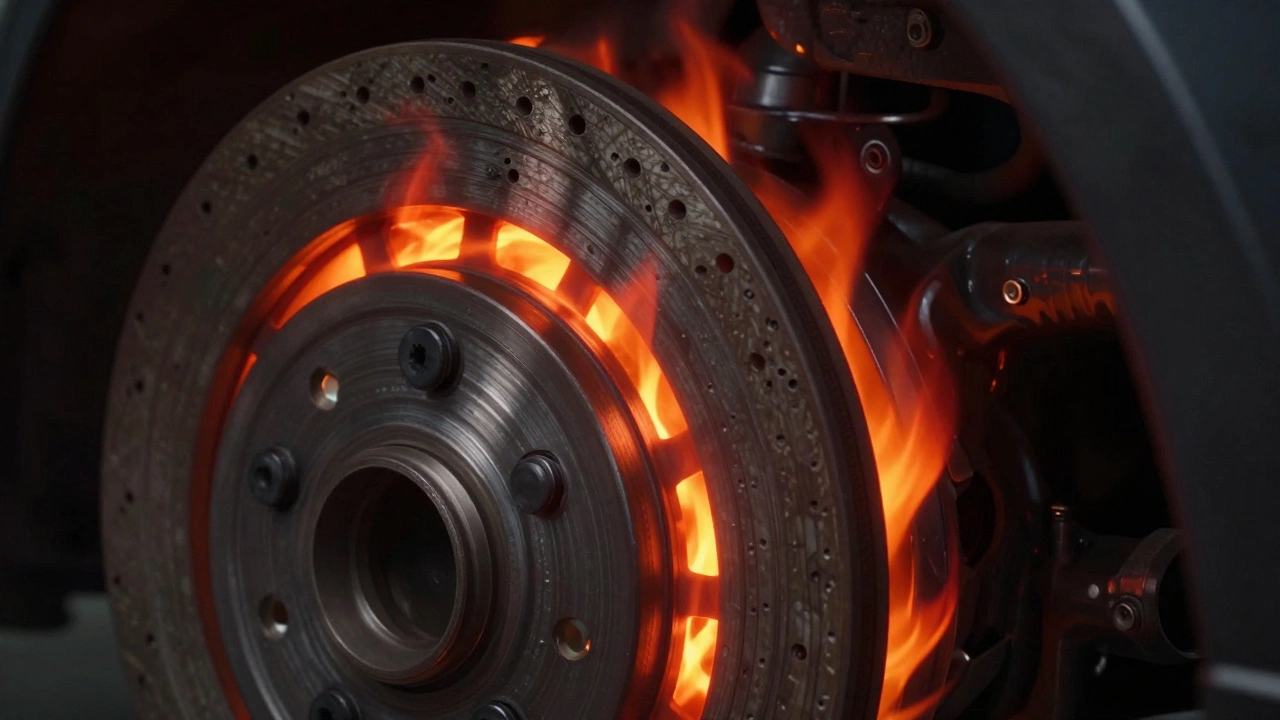
You don't have to wait for the car to stop moving to know your clutch is gone. There are clear signs that you've reached the end of the road. The most obvious is "slipping." If you're in third gear at 40 mph and you floor the gas, but the RPMs jump up while the speed stays the same, your friction disc can no longer grip the Flywheel (the heavy metal disc attached to the crankshaft).
Another sign is the "bite point." On a fresh clutch, the point where the car starts to move is usually mid-way up the pedal travel. As the disc wears thin, that bite point moves higher and higher. If you have to let the pedal almost all the way out before the car moves, you're on your last few hundred miles.
Don't ignore the smell. A burnt clutch has a very distinct, acrid odor-similar to burning rubber and chemicals. If you smell this after a steep hill start, you've just significantly shortened the lifespan of your kit.
Pro Tips for Maximum Longevity
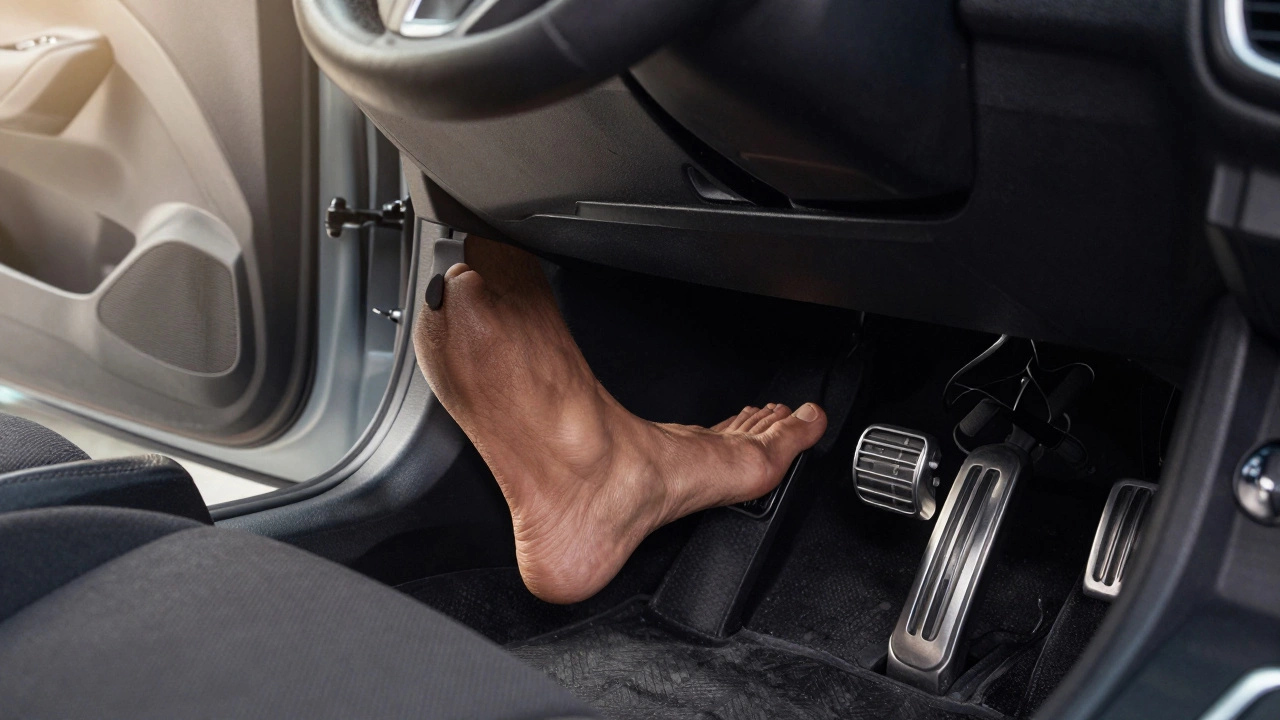
If your goal is to make your clutch last for 200,000 miles, you need to change a few habits. First, stop resting your foot on the clutch pedal. Even the slightest pressure can cause the release bearing to push against the pressure plate, causing premature wear. Your foot should be on the floor or the dead pedal when you're not actively shifting.
Second, use the handbrake on hills. Instead of balancing the car with the clutch and brake, pull the handbrake, find your bite point, and then release the brake as you add gas. This eliminates the "slip" time that kills most clutches in city traffic.
Third, shift decisively. There is no benefit to lingering in the "grey area" of the clutch pedal. Get the car moving, release the pedal completely, and let the mechanical lock do the work. This keeps the temperature down and preserves the organic material of the disc.
When to Just Replace the Disc vs. The Whole Kit
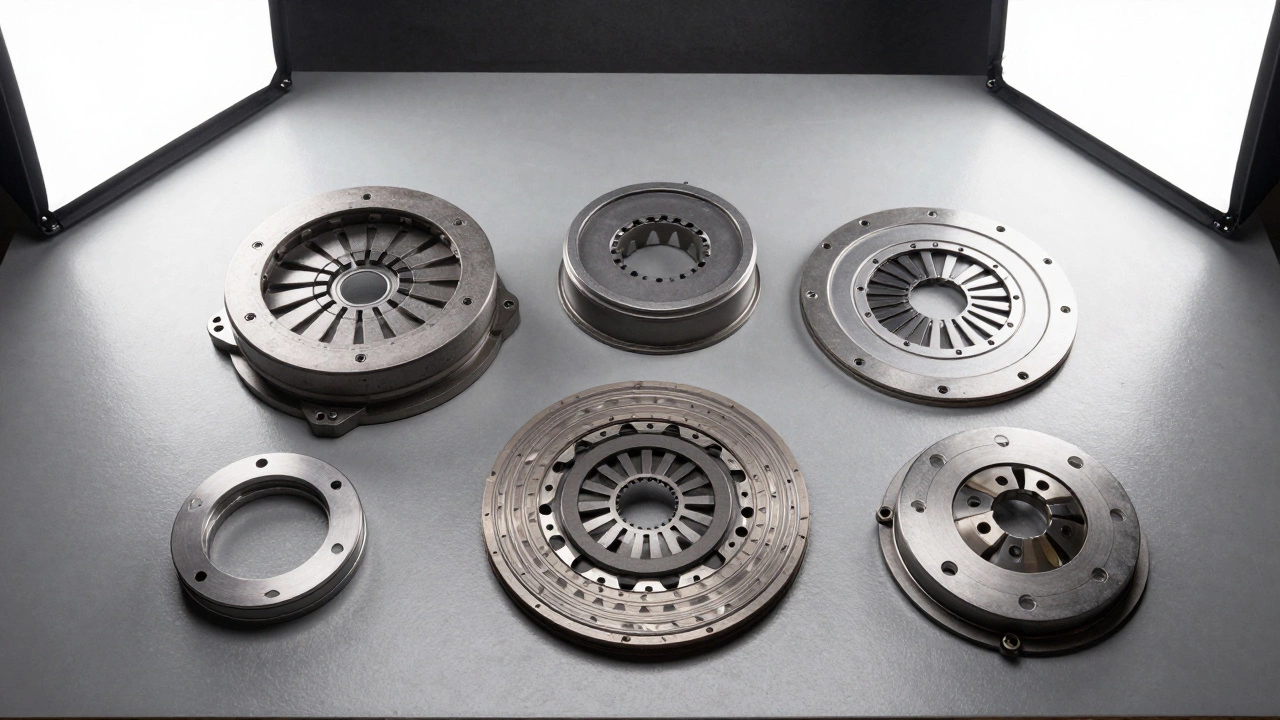
When you finally hit the limit, you'll be faced with a choice. Some shops suggest just replacing the friction disc. Avoid this. A Clutch Kit is designed to work as a balanced system. If you put a new disc in with an old, tired pressure plate, the plate won't apply even pressure across the disc, leading to uneven wear and potentially another failure in just a few thousand miles.
Always replace the release bearing and the pilot bearing at the same time. These are cheap parts compared to the labor cost of dropping the transmission. There is nothing worse than spending 8 hours of labor to change a disc, only to have the bearing scream itself to death two weeks later.
Can a clutch actually last forever?
No, because it is a wear-item by design. It relies on friction to work, and friction inevitably consumes the material. However, with perfect driving habits and mostly highway miles, it's possible to make it last the entire useful life of the vehicle.
Does a heavy-duty clutch last longer than a stock one?
In terms of heat resistance and torque capacity, yes. Ceramic or sintered materials won't burn out as easily under stress. However, they can cause more wear on the flywheel and the transmission internals because they are less forgiving than organic materials.
Why does my clutch slip more when it's cold?
It's usually not the temperature itself, but the lubricants in the system and the way you drive when cold. Some drivers are more prone to slipping the clutch longer to "warm up" the car or because they are less precise with their movements in cold weather.
How many miles is "too many" before replacing a clutch?
There is no set mileage. Some people burn out a clutch in 20,000 miles of heavy city traffic, while others go 150,000. You should replace it based on symptoms (slipping, high bite point) rather than a number on the odometer.
Does the type of oil affect the clutch?
In a traditional manual transmission, the clutch is "dry," meaning it doesn't touch the gearbox oil. However, in "wet clutch" systems (common in motorcycles), the oil choice is critical because the wrong oil can cause the clutch to slip or chatter.
Next Steps for Maintenance
If you suspect your clutch is wearing thin, start by checking your fluid levels. In hydraulic systems, old or contaminated fluid can make the pedal feel spongy, which might lead you to believe the clutch is slipping when the problem is actually the hydraulics. Bleeding the clutch line is a cheap and easy way to ensure you're getting full engagement.
For those who drive in heavy urban areas or tow frequently, consider a "clutch health check" every 30,000 miles. A mechanic can check the free play in the pedal and look for signs of leaking seals. Catching a hydraulic leak early can save you from burning out a perfectly good friction disc due to incomplete engagement.