UK Brake Replacement Cost Estimator (2026)
Cost Breakdown Estimate
Select your options and click "Estimate Total Cost" to see a detailed breakdown.
You hear that high-pitched squeal when you tap the brakes. Or maybe your steering wheel shakes like a leaf in a storm every time you slow down. You know it’s time for new brake pads and the metal discs they clamp against to stop your car. But before you hand over your keys, you’re wondering: how much is this actually going to set me back? In 2026, with parts prices fluctuating and labor rates climbing across the UK, getting a clear picture of the cost is tricky. One garage might quote you £150, while another asks for £400 for what sounds like the same job.
The short answer? Expect to pay between £200 and £600 for a full front brake job (pads and rotors) at an independent mechanic. Dealerships will likely charge £400 to £800+. If you do it yourself, you can cut that bill by half, but you need the right tools and confidence. Let’s break down exactly where that money goes so you don’t get ripped off.
The Breakdown: Parts vs. Labor
To understand the total price, you have to split the bill into two buckets: the hardware and the hands. Most people assume the parts are the expensive part, but in the UK, labor often makes up 40% to 50% of the final invoice.
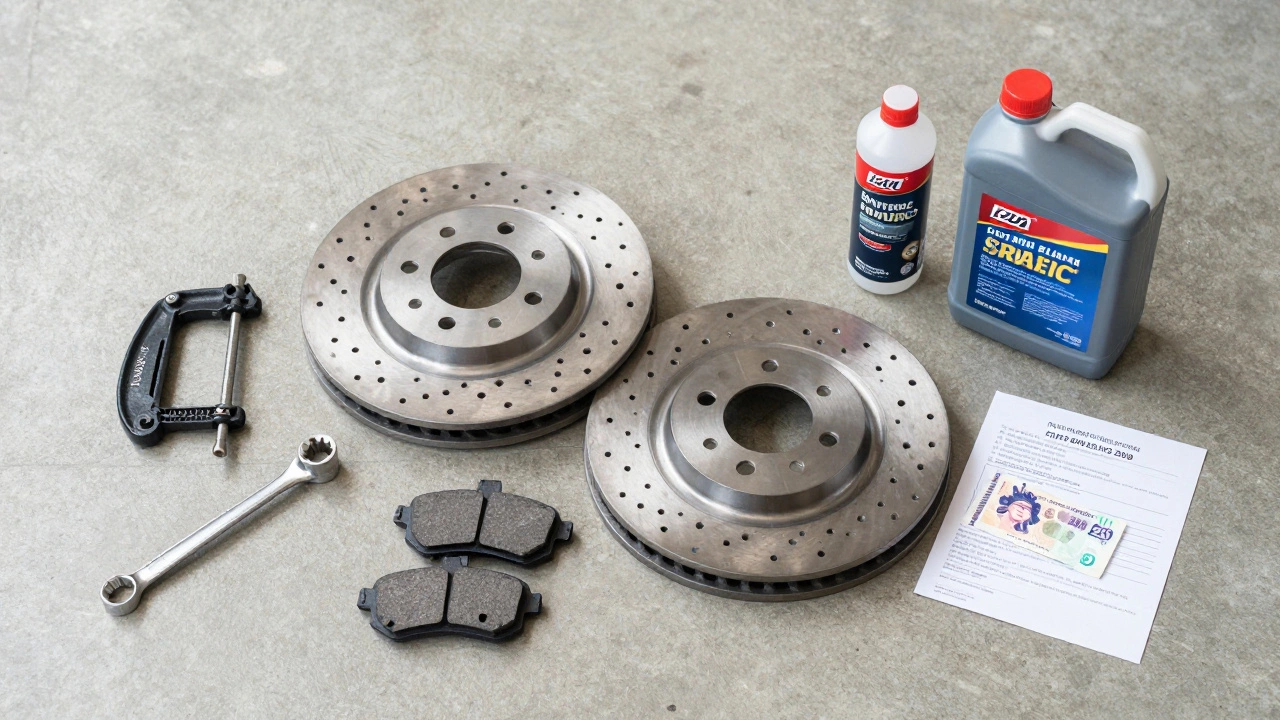
Parts Costs: A set of quality ceramic or semi-metallic brake pads for a common family car (like a Ford Focus or VW Golf) runs about £30 to £60 per axle. The rotors (also called discs) are pricier. A pair of standard drilled or slotted rotors usually costs £40 to £80 each. So, just for the raw materials on one axle, you’re looking at roughly £100 to £200 if you buy online from retailers like Halfords, Autodoc, or Amazon.
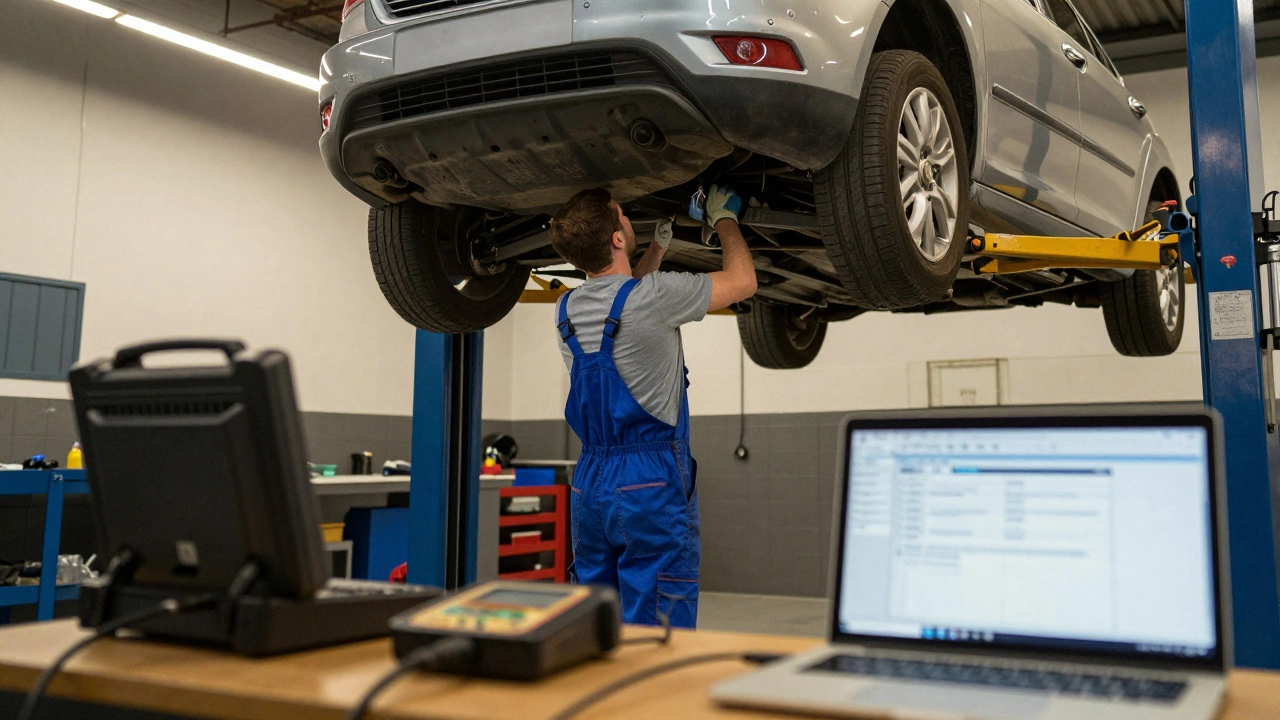
Labor Costs: Mechanics in major cities like London or Bristol charge more than those in rural areas. The national average hourly rate for a qualified mechanic in 2026 sits between £75 and £95. Replacing pads and rotors isn’t a quick swap; it involves removing wheels, unbolting calipers, compressing pistons, cleaning mounting surfaces, and bedding in the new brakes. This typically takes 1.5 to 2 hours per axle. That labor alone adds £110 to £190 to your bill.
| Item | Budget Option | Premium/Dealer Option |
|---|---|---|
| Brake Pads (Set) | £30 - £50 | £60 - £100+ |
| Brake Rotors/Discs (Pair) | £80 - £120 | £150 - £250+ |
| Labor (Independent Mechanic) | £100 - £150 | N/A |
| Labor (Dealership) | N/A | £200 - £350 |
| Total Estimated Cost | £210 - £320 | £410 - £700+ |
Why Are Prices Varying So Much?
If you’ve shopped around, you’ve probably seen wild discrepancies. Here is why one quote looks nothing like another.
Brand of Car Matters: Changing brakes on a Toyota Corolla is straightforward. Doing it on a BMW 3-Series or a Mercedes C-Class often requires special tools, specific torque settings, and sometimes even software coding to reset the brake wear sensors. Luxury cars use higher-performance materials that cost more upfront. Always factor in your vehicle’s complexity.
Type of Brakes: Not all rotors are created equal. Standard plain rotors are cheap. Drilled and slotted rotors look cool and help dissipate heat better, but they cost 30-50% more. Then there are performance cars with vented or cross-drilled discs that can run hundreds of pounds per pair. Stick to OEM (Original Equipment Manufacturer) specs unless you track your car on weekends.
Location: Living in Bristol or London means paying for higher overheads. Garages in smaller towns or villages often have lower rent and can pass those savings on to you. However, be wary of quotes that seem too good to be true-they might be using low-quality aftermarket parts that won’t last.
DIY vs. Professional Installation
This is the big decision. Can you save £150+ by doing it yourself? Yes, absolutely. But ask yourself: do you have the tools?
To replace brakes yourself, you’ll need:
- A jack and axle stands (never rely solely on a jack).
- A socket set and wrenches (metric sizes, usually 13mm, 17mm, 19mm).
- A C-clamp or brake piston tool to push the caliper piston back.
- Brake cleaner and anti-seize grease.
- New brake fluid (you’ll need to top up the reservoir).
If you already own these tools, the only cost is the parts (£100-£200). The process itself is logical: lift the car, remove the wheel, unbolt the caliper, swap the pads and rotor, bleed the air out of the lines if necessary, and reassemble. There are countless YouTube tutorials that walk you through this step-by-step.
However, if you mess up-say, you don’t clean the caliper bracket properly, or you fail to lubricate the slide pins-the brakes can seize. That leads to uneven wear, overheating, and potentially dangerous pulling to one side. For many drivers, the peace of mind of a professional warranty is worth the extra cash.
Hidden Costs to Watch Out For
When you get a quote, make sure it includes everything. Sometimes mechanics give you a low base price and then add “extras” later. Keep an eye out for these:
Caliper Service: If your caliper slides are stuck, the mechanic may need to disassemble, clean, and regrease them. This adds labor time. In severe cases, the caliper itself might need replacing, which can add £100-£200 per corner.
Brake Fluid Flush: Old brake fluid absorbs moisture over time, lowering its boiling point. While not always mandatory with a pad change, it’s highly recommended if your fluid hasn’t been changed in three years. A flush costs about £50-£80.
ABS Sensor Cleaning: Sometimes, debris from worn rotors coats the ABS ring. Mechanics should clean this during the job, but some might charge extra if it’s particularly dirty.
Tire Rotation/Balancing: Since the wheels come off anyway, some shops offer tire rotation as an upsell. It’s a good service, but don’t feel pressured if your tires still have plenty of tread life left.
When Should You Replace Both Pads and Rotors?
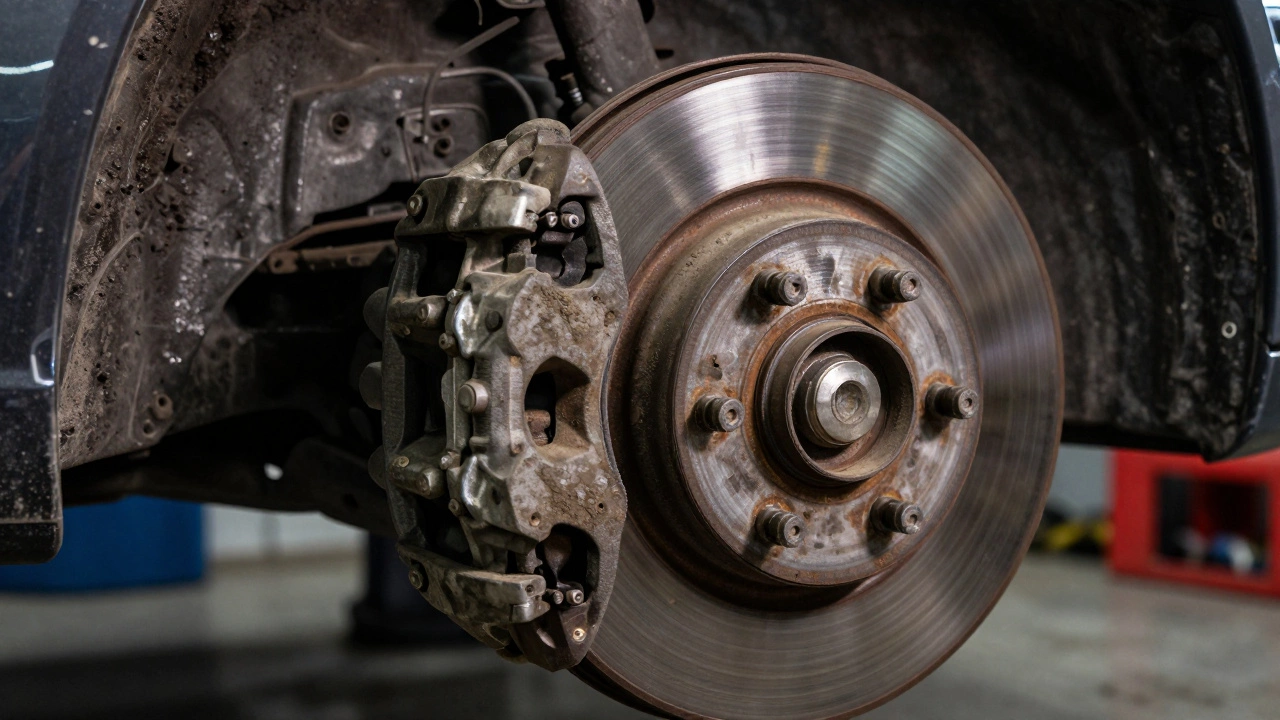
You might think, “Can’t I just change the pads?” Technically, yes. But here’s the rule of thumb: if your rotors are below their minimum thickness specification, or if they have deep grooves, warping, or rust pits, you must replace them.
Installing new, soft pads onto old, hard, or uneven rotors is a recipe for disaster. The new pads won’t seat correctly, leading to vibration, noise, and reduced stopping power. Plus, you’ll burn through the new pads twice as fast because they’re grinding against an imperfect surface. Most reputable mechanics will insist on replacing both if the rotors show significant wear. Don’t fight this advice-it’s safer and cheaper in the long run.
How to Get the Best Deal
Don’t just accept the first quote you see. Here’s a strategy to keep costs down without sacrificing safety:
- Get Three Quotes: Call two independent garages and one dealership. Use the dealer quote as a benchmark for “premium” pricing, then negotiate with the independents.
- Buy Your Own Parts: Ask the mechanic if they allow you to supply your own parts. Many will say yes, though they might charge a slightly higher labor fee since they aren’t making a margin on the parts. Buying online from reputable sources can save you 20-30%.
- Check for Promotions: Chains like Kwik Fit or Halfords often run “brake specials” where labor is discounted if you buy their parts. Check their websites before booking.
- Ask About Warranty: A good mechanic will offer a 12-month or 12,000-mile warranty on parts and labor. If they don’t, walk away.
Signs You Need Immediate Attention
Ignoring brake issues doesn’t just cost more later; it risks your life. Watch for these signs:
- Squealing or Screeching: Most modern pads have a wear indicator-a small metal tab that screams when the pad material is gone. If you hear this, go in immediately.
- Vibration in the Pedal or Steering Wheel: This usually means warped rotors. The braking surface is no longer flat, causing pulsation.
- Grinding Noise: This is bad. It means the metal backing plate of the pad is grinding against the rotor. You’re damaging the disc rapidly. Stop driving until this is fixed.
- Pulling to One Side: If the car drifts left or right when braking, one caliper might be sticking, or a hose could be collapsed.
Is it cheaper to replace just the brake pads?
Yes, replacing only the pads is cheaper upfront (saving you the cost of rotors and associated labor). However, if your rotors are worn, warped, or scored, installing new pads on them will cause premature wear, noise, and poor braking performance. It is generally recommended to replace rotors every second time you change pads, or whenever the rotor thickness is near the minimum limit.
How long do new brake pads and rotors last?
On average, brake pads last between 30,000 and 70,000 miles, depending on your driving style. City driving with frequent stops wears them out faster than highway cruising. Rotors typically last longer, often needing replacement every 70,000 to 100,000 miles, or roughly every other pad change.
Do I need to replace all four brakes at once?
It is best practice to replace brakes on both sides of an axle together (both fronts or both rears) to ensure balanced braking. You do not necessarily need to do all four corners at once unless they are all severely worn. However, if you are replacing the rear brakes, check the front ones, as front brakes usually wear out faster due to handling most of the stopping force.
What is the difference between ceramic and semi-metallic brake pads?
Ceramic pads are quieter, produce less dust, and are gentler on rotors, making them ideal for daily city driving. Semi-metallic pads offer stronger stopping power and handle heat better, making them suitable for heavier vehicles or aggressive driving, but they tend to be noisier and create more brake dust.
Can I drive with worn brake pads?
You should not. Driving with worn pads reduces your stopping distance and increases the risk of brake failure. More critically, if the pads wear completely down, the metal backing will grind against the rotor, causing extensive damage that turns a simple £200 repair into a £500+ job involving rotor replacement and potential caliper damage.