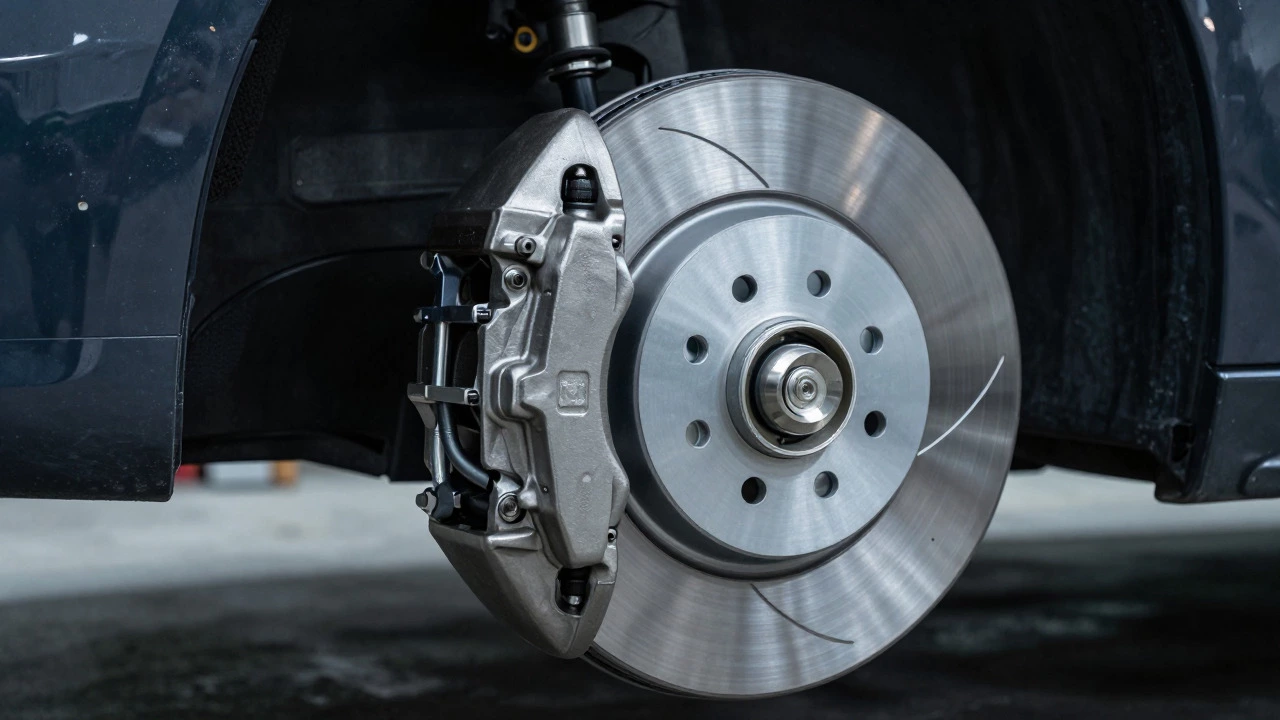
Brake Caliper Cost Estimator
Labor assumes 1-3 hours per caliper.
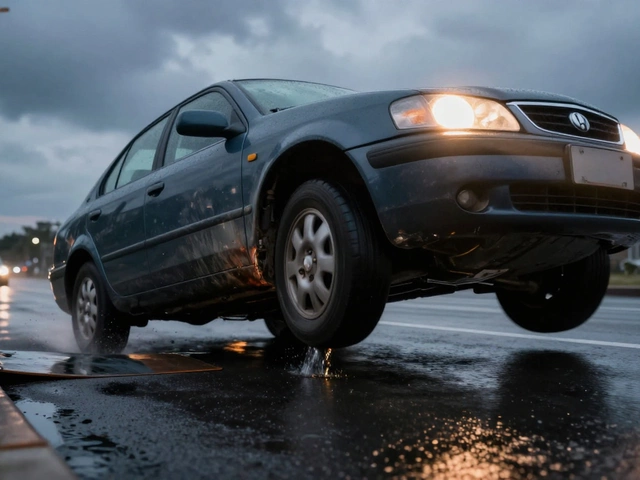
Ever pulled over because your car started pulling to one side while braking, or heard a grinding noise that made you wince? Chances are, the culprit isn't just worn-out pads. It could be a seized or leaking brake caliper is a hydraulic component in disc brake systems that clamps brake pads against rotors to stop the vehicle. When it fails, replacing it can feel like a mystery wrapped in a high invoice. So, how much does it actually cost?
The short answer: anywhere from $150 to $1,200+ per unit, depending on your car, the part's origin, and who installs it. But that range hides critical details about OEM vs. aftermarket parts, labor rates, and whether you need one or two. Let’s break down exactly what drives the price so you’re not blindsided at the shop.
Quick Summary / Key Takeaways
- Part-only cost: $80-$400 for aftermarket, $200-$900 for OEM (per caliper).
- Total installed cost: $300-$1,500+ per axle, including labor.
- Labor dominates: Installation takes 1-3 hours per caliper; hourly rates vary by region ($100-$200/hr).
- OEM vs. Aftermarket: OEM fits perfectly but costs 2-3x more; quality aftermarket brands save money without sacrificing safety.
- Hidden costs: Bleeding brakes, replacing hoses, or rotor resurfacing can add $100-$300.
What Exactly Is a Brake Caliper and Why Does It Cost What It Costs?
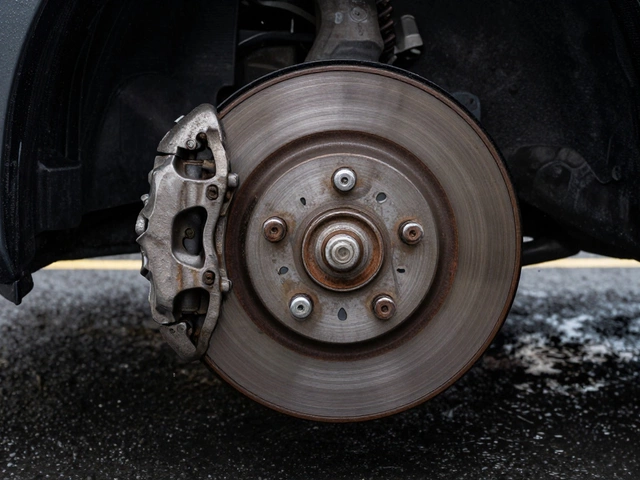
A brake caliper is the clamp-like housing that holds brake pads and uses hydraulic pressure from the master cylinder to squeeze them against the brake rotor. Think of it as the hand gripping the pad. Inside, a piston pushes the pad outward when you press the brake pedal. Over time, corrosion, dust, or fluid leaks cause the piston to stick or the seals to fail. A stuck caliper overheats the rotor, warps it, and eats through pads unevenly-leading to that dreaded pull or shudder.
Prices vary because calipers aren’t one-size-fits-all. They’re engineered for specific wheel sizes, rotor diameters, and vehicle weights. A compact sedan like a Honda Civic needs a smaller, simpler caliper than a Toyota Tacoma or Ford F-155. Heavier vehicles require larger pistons and thicker castings, which means more material and machining time. That’s why a truck caliper often costs twice as much as a city car’s.
Breaking Down the Numbers: Part Prices by Type
Let’s get concrete. Here’s what you’ll typically pay for the part alone, based on 2026 market averages:
| Caliper Type | Price Range (USD) | Best For | Notes |
|---|---|---|---|
| Budget Aftermarket | $80 - $150 | Older cars, low-mileage vehicles | May last 50k miles; check brand reputation |
| Premium Aftermarket | $150 - $300 | Daily drivers, mid-range vehicles | Brands like Bosch, ACDelco, Wagner offer good durability |
| OEM (Original Equipment Manufacturer) | $200 - $900+ | Newer luxury/performance cars | Exact fitment; higher cost due to licensing and quality control |
| Used/Salvage | $50 - $120 | Short-term fixes, project cars | No warranty; inspect for cracks or leaks before buying |
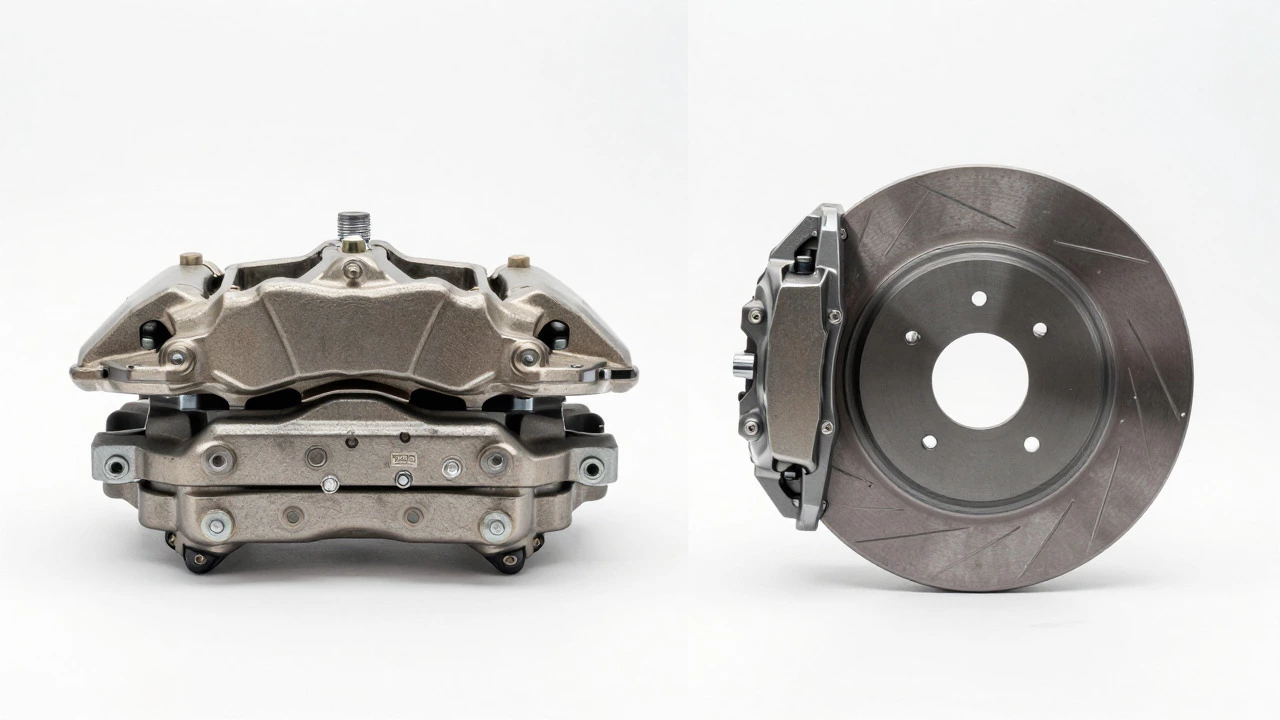
Notice the gap between budget and OEM? That’s not just branding. OEM parts come with strict tolerances and materials tested under extreme conditions. Aftermarket parts compete on price, but top-tier brands now match OEM performance for most non-performance vehicles. If you drive a BMW M3 or Porsche 911, OEM or high-end performance calipers are worth the premium. For a 2018 Nissan Altima? A $180 Bosch caliper will serve you just fine.
Labor: The Real Money Eater
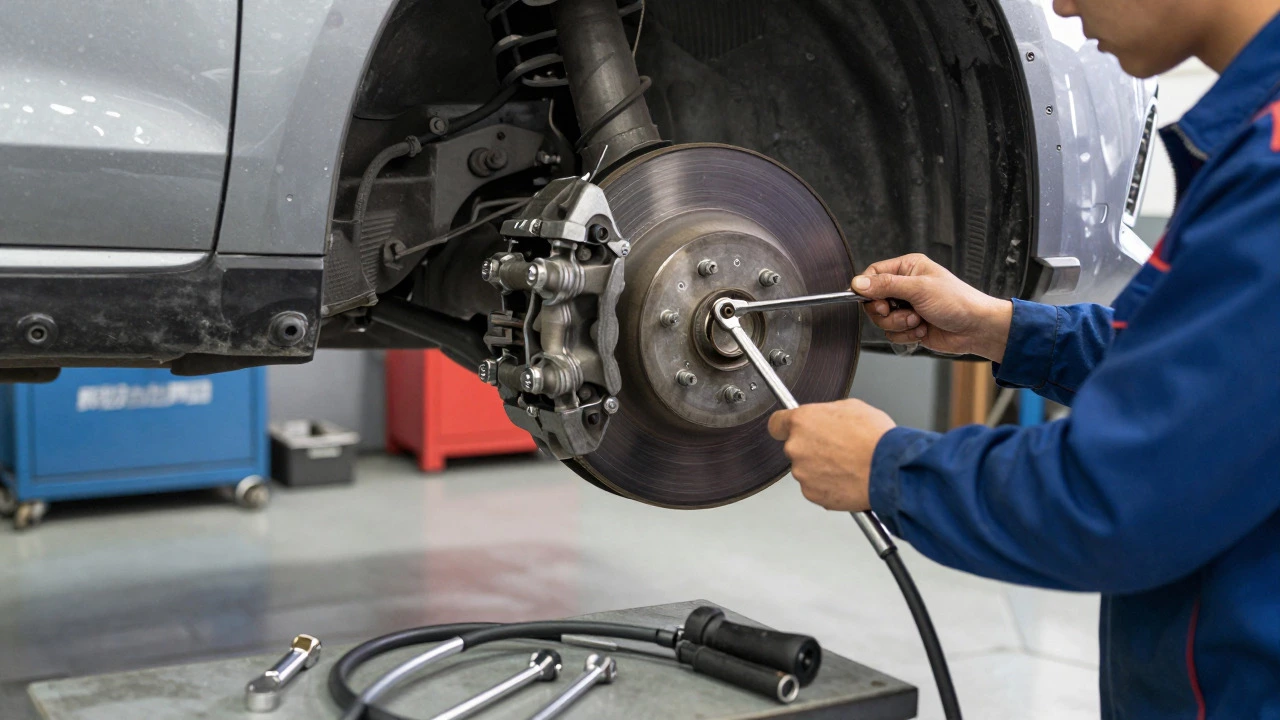
Here’s where surprises happen. Replacing a caliper isn’t just “swap the part.” Mechanics must: 1. Jack up and secure the vehicle. 2. Remove the wheel. 3. Disconnect the brake line (carefully, to avoid air ingress). 4. Unbolt the old caliper. 5. Install the new one. 6. Torque bolts to spec. 7. Bleed the brake system to remove air bubbles. 8. Test brake function.
This process takes 1 to 3 hours per caliper, depending on accessibility. Front calipers are usually easier to reach than rear ones, especially on all-wheel-drive vehicles. Labor rates in 2026 average $100-$200/hour in urban areas, and $75-$125/hour in rural regions. So if your mechanic charges $150/hour and takes 2 hours per caliper, labor alone is $300 per side. Replace both front calipers? That’s $600 in labor before you even pay for parts.
Pro tip: Always ask if the quote includes bleeding brakes. Some shops charge extra for this step, adding $50-$100. Others bundle it into the labor rate. Get it in writing.
When Do You Need One vs. Two Calipers?
Most mechanics recommend replacing calipers in pairs (both fronts or both rears). Why? Because if one seizes, the other is likely close behind. Mixing old and new calipers can cause uneven braking force, leading to vibration or pulling. However, if you’re on a tight budget and only one side is failing badly, a single replacement is acceptable as a temporary fix-but plan to replace the other within 10,000 miles.
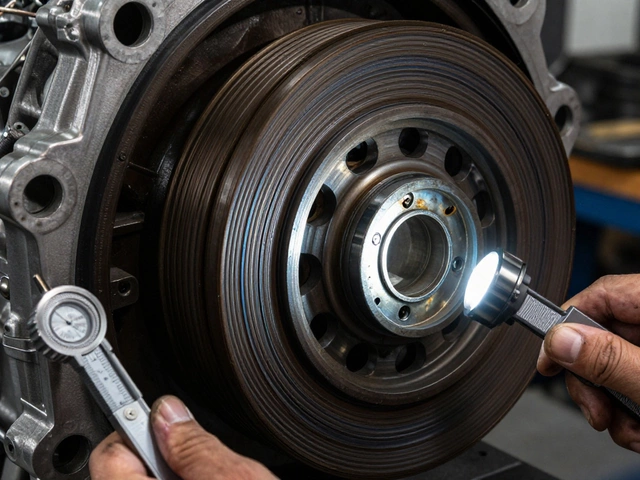
Also consider this: if your rotors are warped or scored, you’ll need to resurface or replace them too. Resurfacing costs $100-$200 per axle; new rotors run $50-$150 each. Factor that in if your car has over 60,000 miles and hasn’t had brake work in years.
OEM vs. Aftermarket: Which Should You Choose?
This is the biggest decision point. Here’s a straightforward comparison:
- Choose OEM if: Your car is under warranty, you drive a luxury/performance model, or you want zero guesswork on fitment. Yes, it’s pricier, but it guarantees compatibility.
- Choose Premium Aftermarket if: You drive a mainstream vehicle (Toyota, Honda, Ford, Chevy) and want reliable performance at 40-60% less cost. Brands like Bosch is a German automotive supplier known for high-quality brake components, ACDelco is General Motors’ official parts brand offering OE-equivalent products, and Wagner is a U.S.-based manufacturer specializing in friction materials and brake hardware are trusted names.
- Avoid Budget Aftermarket if: You tow heavy loads, drive in mountainous terrain, or plan to keep the car for 10+ years. Cheap calipers may corrode faster or have weaker seals.
One caveat: some aftermarket calipers come pre-assembled with pads and hardware, saving you time and extra parts. Check the listing carefully-“complete assembly” means fewer headaches.
Hidden Costs and Pitfalls to Watch For
Before you sign off on a quote, ask these questions: - Are brake hoses included? A leaking hose can mimic caliper failure. New lines cost $30-$80 each plus labor. - Is anti-seize compound applied to slide pins? Skipping this leads to future sticking. - Will they torque the lug nuts to spec? Improper tightening causes wheel imbalance. - Is there a warranty? Most aftermarket parts come with a 1-year/12,000-mile warranty; OEM parts often have lifetime coverage through dealerships.
Another trap: “emergency” pricing. If you’re stranded, mobile mechanics or roadside services may charge 1.5-2x normal rates. If possible, wait until you’re home or at a shop to compare quotes.
Real-World Examples: What People Actually Paid
Let’s ground this in reality. Based on recent owner reports and shop invoices: - 2019 Honda Civic (Front Calipers): $220 for two aftermarket calipers + $280 labor = $500 total. - 2021 Ford F-150 (Rear Calipers): $450 for two OEM calipers + $400 labor + $120 for bleeds = $970 total. - 2015 BMW 3 Series (Single Front Caliper): $380 OEM part + $250 labor = $630 for one side.
See the pattern? Truck and luxury car repairs cost significantly more. And yes, that single BMW caliper cost more than the entire Civic job. That’s the weight of engineering complexity.
How to Save Money Without Cutting Corners
You don’t have to break the bank. Try these strategies: 1. **Buy parts online:** Sites like RockAuto or AutoZone often sell calipers 20-30% cheaper than local shops. Just verify fitment using your VIN. 2. **Ask for a flat-rate labor quote:** Some independent shops offer fixed prices instead of hourly billing. This protects you from unexpected delays. 3. **Bundle services:** If you’re already paying for labor, ask about replacing brake pads or rotors at the same time. It saves a second visit and potential double labor fees. 4. **Consider DIY if experienced:** If you have basic tools and confidence, a caliper swap is doable. YouTube tutorials abound, and the hardest part is bleeding the brakes correctly. Total cost drops to just parts (~$150-$400). 5. **Check for recalls:** Sometimes, caliper issues stem from a manufacturer defect. Check NHTSA.gov for open recalls on your model year.
Frequently Asked Questions
How long do brake calipers last?
With proper maintenance, calipers can last 70,000-100,000 miles or more. Corrosion, moisture, and aggressive driving shorten their lifespan. Inspect them every 20,000 miles for sticking or leaks.
Can I replace just one brake caliper?
Yes, but it’s not ideal. Replacing in pairs ensures even braking force. If you replace only one, monitor the other closely and plan to replace it soon to avoid uneven wear.
Is it safe to drive with a bad caliper?
Briefly, yes. Long-term, no. A stuck caliper overheats the rotor, causing warping and reduced stopping power. If you hear grinding or feel pulling, get it checked within a week.
Do I need new brake pads when replacing calipers?
Usually, yes. Old pads may not seat properly in a new caliper, causing noise or uneven wear. Most caliper kits include new pads, but verify before purchasing.
Why are rear calipers more expensive to install?
Rear calipers are harder to access, especially on AWD vehicles. They often require removing additional components like parking brake mechanisms, adding 30-60 minutes to labor time.