
Oil Change Interval & Cost Calculator
Configure Your Vehicle Profile
Check any that apply to your daily routine:
Your Maintenance Plan
Compared to the outdated 3,000-mile rule.
Your dashboard doesn’t lie, but your mechanic’s guesswork might. For decades, the standard advice was simple: change your oil every 3,000 miles or three months. That rule of thumb is now dangerously outdated for modern vehicles. Following it today means you are likely throwing away money and good oil that still has plenty of life left in it.
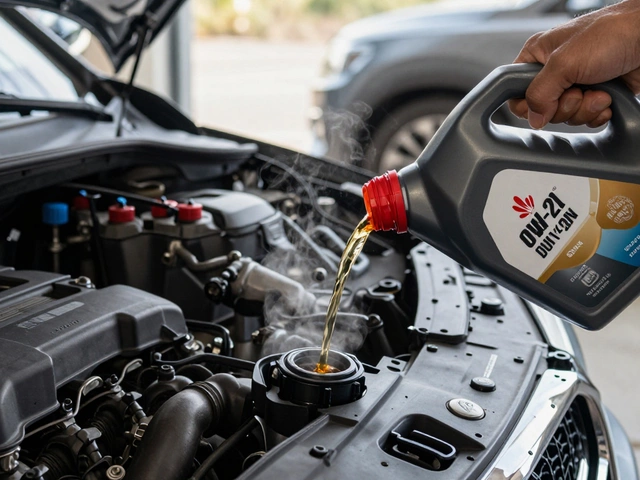
So, how often should you actually change your oil? The answer isn't a single number. It depends on the type of engine oil lubricant used to reduce friction between moving parts in an engine you use, your driving habits, and the specific technology inside your car. In 2026, with the rise of advanced synthetics and stricter emissions standards, getting this right is crucial for keeping your engine healthy without over-maintaining it.
The Death of the 3,000-Mile Rule
If you grew up watching cartoons where cars ran on dinosaur juice, you probably remember the 3,000-mile mandate. This guideline originated in the 1980s when most engines were less precise, fuel quality was lower, and conventional mineral oils degraded quickly. Back then, sludge buildup was a real threat if you waited too long.
Today’s engines are marvels of precision engineering. Tolerances are tighter, materials are stronger, and oils are chemically superior. Most modern manufacturers recommend intervals between 7,500 and 10,000 miles for normal driving conditions. Some luxury brands even push this to 15,000 miles. Sticking to the old 3,000-mile habit doesn’t make your car last longer; it just empties your wallet faster. However, blindly following the maximum interval can also be risky if your driving style falls into what experts call "severe service" conditions.
Synthetic vs. Conventional: Why Type Matters
The biggest factor in determining your oil change frequency is the viscosity and composition of the oil itself. Not all lubricants are created equal. Understanding the difference between conventional and synthetic oil engineer-made lubricant designed to perform better than conventional oil under extreme conditions is key to setting your schedule.
| Oil Type | Composition | Typical Interval (Miles) | Best For |
|---|---|---|---|
| Conventional | Refined crude oil | 3,000 - 5,000 | Older cars, high-mileage engines, budget-conscious owners |
| Synthetic Blend | Mix of conventional and synthetic | 5,000 - 7,500 | Vehicles with moderate stress, towing light loads |
| Fully Synthetic | Pure chemical compounds | 7,500 - 10,000+ | Modern turbocharged engines, extreme temperatures, performance cars |
Fully synthetic oil is engineered at a molecular level. Its uniform structure resists breakdown, handles heat better, and flows more easily in cold weather than conventional oil. If your car manufacturer specifies synthetic oil, do not downgrade to conventional. Doing so forces you to change the oil more frequently because it degrades faster under the stress your engine creates. Conversely, using full synthetic in an older, simpler engine might be overkill, though it won’t hurt.
Decoding "Severe Service" Driving Conditions
Even if your owner’s manual says 10,000 miles, you might need to change your oil much sooner. Manufacturers define "normal" driving as mostly highway cruising at steady speeds. If your daily routine looks anything like this list, you are operating under severe service conditions:
- Short trips: Journeys under 5 miles where the engine never reaches optimal operating temperature. Moisture and fuel dilute the oil before it can burn off.
- Stop-and-go traffic: Commuting in dense urban areas like London or Bristol involves constant idling and acceleration, which increases engine wear and contaminants.
- Towing or hauling: Carrying heavy loads puts extra strain on the engine, generating more heat and pressure.
- Dusty or dirty environments: Driving on unpaved roads allows more particulate matter to enter the engine, clogging filters and contaminating oil.
- Extreme temperatures: Consistently driving in very hot or very cold climates stresses the oil’s chemical stability.
If any of these apply to you, cut your recommended interval in half. So, if the book says 10,000 miles, aim for 5,000. This isn’t about fear-mongering; it’s about acknowledging that your engine is working harder than the average test vehicle.
Trust the Sensor, Not Just the Mileage
Most cars built after 2010 come equipped with an oil life monitoring system computer algorithm that calculates remaining oil life based on driving patterns. These systems don’t measure the physical condition of the oil directly. Instead, they track variables like engine revolutions per minute (RPM), temperature, load, and ambient air temperature. They use complex algorithms to estimate when the oil will reach its limit.
This is generally more accurate than a fixed mileage counter. If your dashboard says "Oil Life 15%," it means the computer has calculated that your specific driving habits have consumed 85% of the oil’s useful life. You should reset this monitor immediately after every oil change. Ignoring it because you haven’t hit the mileage mark yet is a mistake. The sensor knows your driving better than you do.
However, these sensors aren’t perfect. They can sometimes be overly conservative to protect the manufacturer from warranty claims. If you drive gently and exclusively on highways, you might safely stretch the interval slightly beyond the sensor’s warning, but never ignore a direct warning light.
The Role of the Oil Filter
Changing the oil without changing the oil filter component that removes contaminants from engine oil is like washing your hands with dirty soap. The filter traps metal shavings, dirt, carbon deposits, and other debris that circulate through the engine. Over time, the filter becomes saturated.
A clogged filter restricts oil flow. When resistance gets too high, a bypass valve opens, allowing unfiltered oil to circulate through the engine. This defeats the entire purpose of the change. Always replace the filter with every oil change. Don’t try to save £5 by reusing an old filter. Use a high-quality filter that meets your vehicle’s specifications. Cheap filters often have weaker media and poorer anti-drainback valves, leading to premature wear.
Signs Your Oil Needs Changing Immediately
Sometimes, you can’t wait for the next scheduled interval. Your car will give you visual and auditory clues that something is wrong. Pay attention to these signs:
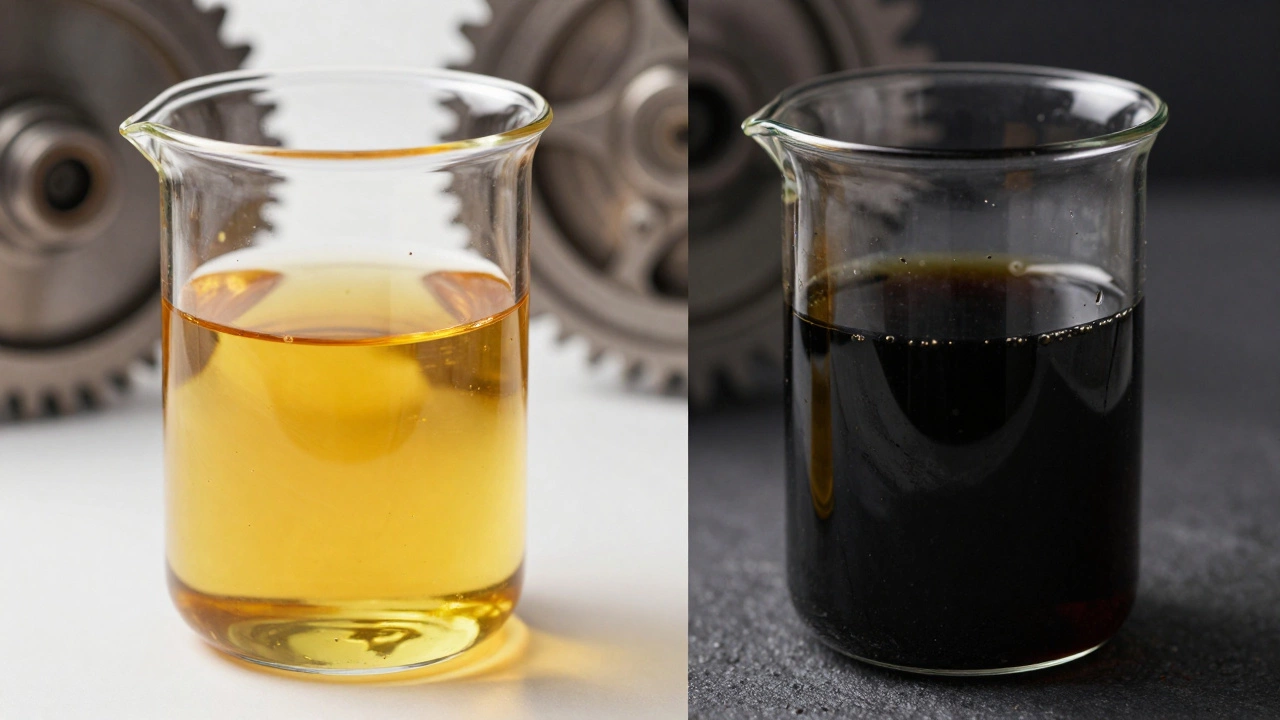
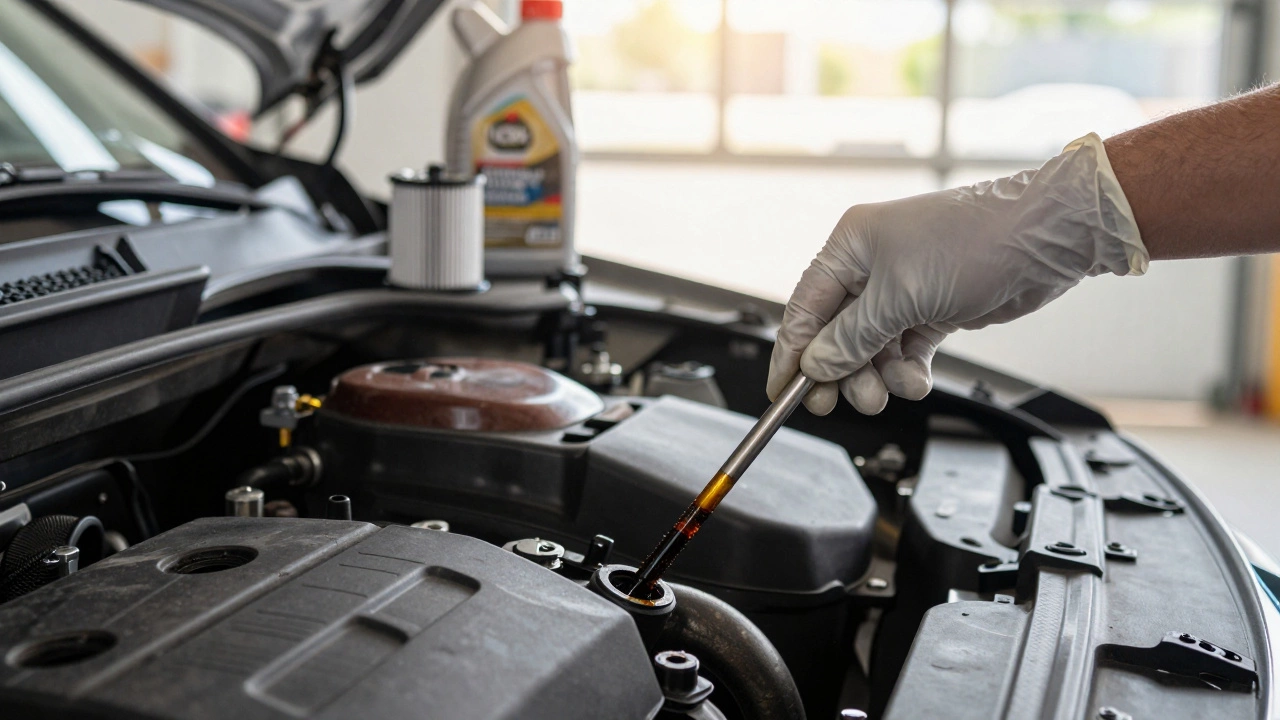
- Dark, gritty oil: Pull the dipstick and wipe it clean. Reinsert and check again. Fresh oil is amber and translucent. Old oil is black and opaque. If it feels gritty between your fingers, there are excessive contaminants.
- Burning smell: A distinct burning odor inside the cabin or near the hood suggests oil is leaking onto hot exhaust components or being burned due to low levels.
- Exhaust smoke: Blue or gray smoke from the tailpipe indicates oil is entering the combustion chamber. This could mean worn seals or piston rings, but it also means your oil level is dropping rapidly.
- Engine noise: Knocking, ticking, or rumbling sounds suggest insufficient lubrication. Oil may be too thin, too low, or completely broken down.
- Check Engine Light: While this can indicate many issues, low oil pressure is a critical trigger. If this light comes on, pull over safely and shut off the engine immediately to prevent catastrophic damage.
Cost vs. Benefit: Is Frequent Changing Worth It?
Some enthusiasts argue for changing oil every 3,000 miles regardless of recommendations, believing it ensures maximum longevity. Let’s look at the math. An oil change in the UK typically costs between £40 and £80 depending on the garage and oil type. If you drive 12,000 miles a year:
- Every 3,000 miles: 4 changes × £60 = £240/year.
- Every 7,500 miles: 1.6 changes × £60 = £96/year.
That’s a saving of £144 annually by following modern guidelines. Does changing it four times instead of two extend the engine’s life significantly? For most modern cars, no. The marginal benefit is negligible compared to the cost. Save that money for tire rotations or brake inspections, which have a more immediate impact on safety and performance.
Final Checklist for Oil Maintenance
To keep your engine running smoothly in 2026 and beyond, follow this simple protocol:
- Check your owner’s manual for the manufacturer’s recommended interval and oil specification (e.g., 5W-30).
- Determine if your driving qualifies as "severe service." If yes, halve the recommended interval.
- Rely on your vehicle’s oil life monitor as a primary guide, but cross-reference with mileage.
- Always replace the oil filter during every change.
- Use high-quality synthetic oil unless your vehicle specifically requires conventional.
- Check oil levels monthly using the dipstick, especially if your car burns oil.
Proper oil maintenance isn’t about panic; it’s about consistency. By understanding your vehicle’s needs and ignoring outdated myths, you ensure your engine stays protected, efficient, and reliable for years to come.
Can I mix different types of engine oil?
In an emergency, yes, you can top up with a different brand or viscosity if necessary to avoid running dry. However, mixing conventional and synthetic oil is not recommended for long-term use. Different additives may not work well together, potentially reducing effectiveness. Always aim to use the exact specification recommended by your manufacturer.
Does synthetic oil last forever?
No, synthetic oil does not last forever. While it lasts significantly longer than conventional oil, it still breaks down over time due to heat, contamination, and additive depletion. Even the best synthetic oil needs to be changed according to the manufacturer's schedule, typically every 7,500 to 10,000 miles.
What happens if I wait too long to change my oil?
Waiting too long leads to sludge buildup, increased friction, and overheating. This causes accelerated wear on pistons, bearings, and camshafts. In severe cases, it can lead to complete engine seizure, requiring a full engine replacement which costs thousands of pounds.
Is it better to change oil in winter or summer?
The season matters less than the mileage and time elapsed. However, cold weather can cause moisture to accumulate in the oil during short trips. If you live in a colder climate like the UK, consider checking your oil more frequently in winter to ensure water hasn't contaminated it.
Do electric vehicles need oil changes?
Pure electric vehicles (EVs) do not have internal combustion engines, so they do not require engine oil changes. However, some EVs have gearboxes or thermal management systems that use specialized fluids which may need periodic inspection or replacement, but this is far less frequent than traditional oil changes.