Windscreen Wiper Size & Connector Finder
Enter your vehicle details or measure existing blades to find the recommended specifications.
Driver Side
--
InchesPassenger Side
--
InchesLikely Connector Type
--Select vehicle info above to see details.
Standing in your driveway with a rain-soaked windscreen and a pair of wipers that leave streaks across half the glass is frustrating. You head to the shop or open an online store, only to realize you have no clue what size to buy. Is it 24 inches? 26? Maybe 18 for the rear? If you guess wrong, you’re either returning parts or dealing with blades that clash against each other mid-sweep.
Windscreen wipers are not one-size-fits-all components. They are engineered specifically for the curvature of your vehicle’s windshield and the reach of the wiper motor arm. Getting the size right ensures full coverage without damaging your paintwork or the rubber blade itself. Here is how you can figure out exactly what you need in under five minutes.
The Three Ways to Find Your Wiper Size
You don’t always need a tape measure. In fact, checking existing data is usually faster and more accurate than manual measurement, which can be tricky if the blades are old and bent. There are three reliable methods to determine the correct length for your front and rear wipers.
1. Check Your Owner’s Manual
This is the most authoritative source. Every manufacturer specifies the exact dimensions for their vehicles. Look for a section titled "Wiper Blades," "Maintenance," or "Specifications." It will list the driver-side and passenger-side lengths separately because they are rarely the same.
For example, a Ford Focus might require a 26-inch blade on the driver’s side and a 15-inch blade on the passenger’s side. If you’ve lost the physical book, most manufacturers provide digital PDFs on their websites. Search for your make, model, and year (e.g., "Volkswagen Golf Mk7 owner's manual") to find the spec sheet.
2. Use an Online Fitment Tool
Auto parts retailers like Halfords, Euro Car Parts, or Amazon have sophisticated search engines. Enter your vehicle registration number (in the UK) or VIN (Vehicle Identification Number). The system cross-references your car’s build date and trim level to recommend the exact part numbers.
This method accounts for subtle changes. For instance, a 2023 model might use a different connector type or length than the 2022 version of the same car. Trusting these databases saves you from the hassle of measuring incorrectly.
3. Measure the Old Blades
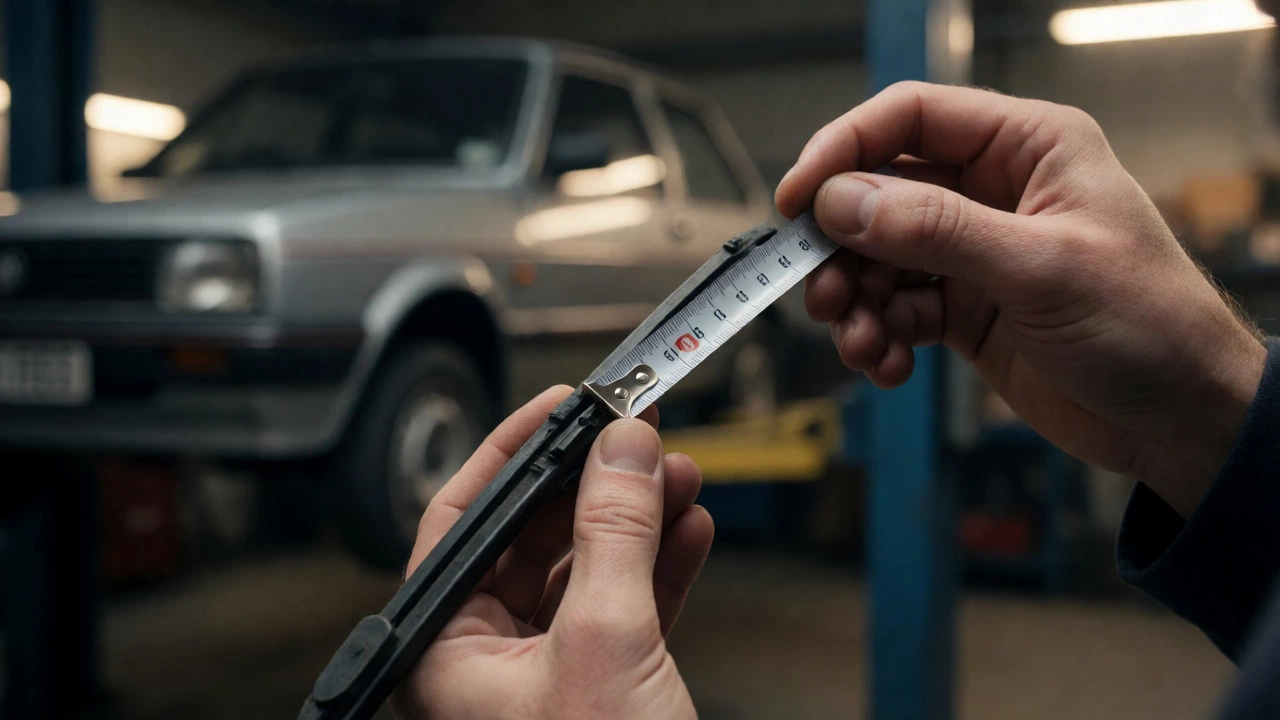
If you don’t have access to manuals or online tools, grab a tape measure. But here is the catch: do not measure the entire assembly including the metal frame or the plastic housing at the top. You need to measure only the rubber strip and the structural spine that holds it together.
- Driver Side: Usually the longer blade, ranging from 20 to 28 inches (50-70 cm).
- Passenger Side: Often shorter to avoid hitting the dashboard or mirror, typically 16 to 22 inches (40-55 cm).
- Rear Wiper: If equipped, this is much smaller, often between 10 and 16 inches (25-40 cm).
Lay the removed blade flat on a table. Measure from the very tip of the rubber end to the base where the connector attaches. Round up to the nearest whole inch if you get a fractional number, as manufacturers standardize sizes in even increments.
Understanding Connector Types Matters Too
Size isn't the only factor. Even if you buy the right length, the blade won’t fit if the connector doesn’t match your wiper arm. This is where many DIY replacements fail.
| Connector Type | Description | Common Vehicles |
|---|---|---|
| U-Hook | A simple hook-shaped attachment. Very common in older cars and budget models. | Most pre-2010 European and Asian cars. |
| Side Pin | A small pin protrudes from the side of the arm. Requires a specific slot on the blade. | Many modern European vehicles (BMW, Mercedes). |
| Top Lock | The blade clicks onto the top of the arm. Secure and aerodynamic. | Newer Japanese and American models. |
| Bayonet | Twist-and-lock mechanism. Very secure but requires precise alignment. | Some French and Italian brands. |
Before ordering, look closely at how your current blade attaches to the arm. Take a photo with your phone. When shopping online, filter results by both size and connector type. Many universal blades come with multiple adapters, but verifying compatibility prevents frustration during installation.
Why Exact Size Impacts Performance
You might think, "Close enough" should work. But wiper geometry is precise. If the blade is too long, it may extend beyond the edge of the glass, wiping air instead of water. Worse, it could hit the windshield seal or the roof lining, causing noise and premature wear.
If the blade is too short, you’ll have blind spots. These uncleaned patches reduce visibility significantly during heavy rain or snow. On curved windscreens, a mismatched length also means the blade won’t maintain consistent pressure along its entire span, leading to chattering or skipping.
Consider the sweep pattern. Most cars use a tandem setup where the two blades move in parallel arcs. Engineers calculate these arcs so the blades cover maximum area without colliding. Deviating from the specified size disrupts this choreography.

Step-by-Step Replacement Process
Once you have the correct size and connector, swapping them out is straightforward. No special tools are required for most modern vehicles.
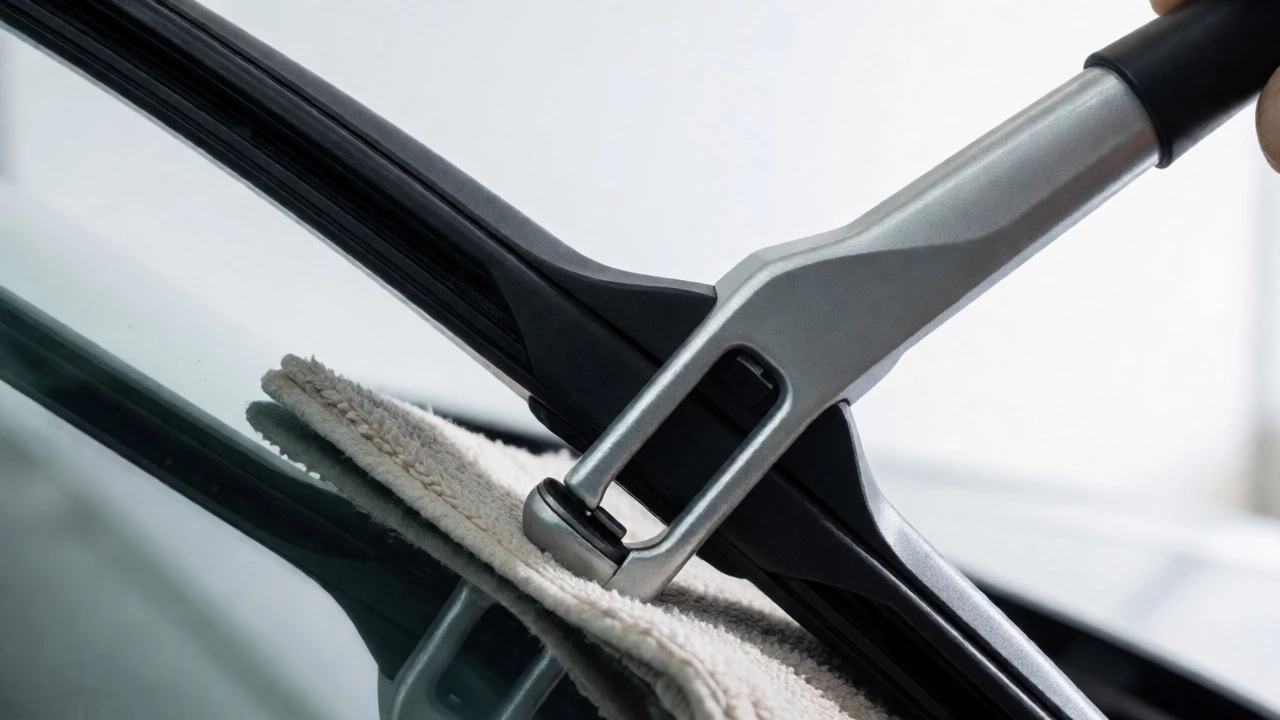
- Lift the Arm: Gently pull the wiper arm away from the windscreen until it locks in a vertical position. Be careful-some arms snap back quickly. Place a towel over the glass just in case the arm falls.
- Release the Blade: Depending on your connector type, press a tab, squeeze a clip, or twist the joint. Slide the old blade off the arm.
- Attach the New Blade: Align the new blade’s connector with the arm. Push until you hear a distinct "click." Give it a gentle tug to ensure it’s secure.
- Lower the Arm: Carefully lower the arm back onto the windscreen. Do not let it drop; ease it down to avoid cracking the glass.
- Test: Spray washer fluid and run the wipers. Listen for squeaks or chattering. Adjust the angle if necessary (some frames allow slight bending).
When to Replace vs. Just Clean
Not every streaky wipe means you need new blades. Sometimes, dirt, tree sap, or wax buildup causes poor performance. Try cleaning the rubber edge with a damp cloth and mild soap first. Also, check the windscreen itself. A layer of traffic film (oily residue from exhaust fumes) can repel water and cause smearing.
Replace the blades if:
- The rubber is cracked, torn, or hardened.
- The metal frame is bent or rusted.
- Cleaning doesn’t resolve the streaking.
- The blades chatter loudly despite proper alignment.
In the UK climate, with frequent rain and cold winters, inspecting wipers twice a year is wise. Summer heat degrades rubber, while winter ice stresses the frame. Replacing them proactively before the autumn rains begin saves you from driving with impaired vision.
Special Cases: Rear Wipers and Convertibles
Don’t forget the rear window. Hatchbacks, SUVs, and estates almost always have a rear wiper. These are shorter and often use a different connector type than the front. Measuring them follows the same rule: measure the rubber strip, not the housing.
Convertibles and some sports cars may have unique setups. Some use single-blade systems or integrated spoiler designs where the wiper arm is hidden when parked. In these cases, relying on the owner’s manual or a specialized fitment tool is crucial, as generic measurements might miss design nuances.
Pro Tips for Longevity
To make your new wipers last longer, lift them off the windscreen when parking outdoors in freezing conditions. Ice can bond the rubber to the glass, tearing the blade when you try to start the car. Avoid using the wipers on a dry windscreen; friction wears down the rubber rapidly. Always use washer fluid to lubricate the surface.
Store spare blades in a cool, dry place. Heat accelerates rubber degradation, so leaving them in a hot boot (trunk) for months reduces their shelf life.
Can I use different sized wipers on the left and right sides?
Yes, and in most cars, you must. Manufacturers design asymmetric wiper sizes to maximize visibility while preventing the blades from colliding. Always follow the specific measurements for each side provided in your vehicle's manual or fitment guide.
What happens if I install a wiper blade that is too long?
A blade that is too long will likely hit the edge of the windscreen seal or the roof lining, causing loud noises and potential damage to the paint or rubber seals. It may also collide with the opposite blade during operation, leading to mechanical stress on the wiper motor.
Are all wiper connectors the same?
No. There are several types, including U-Hook, Side Pin, Top Lock, Bayonet, and Pinch Tab. While many aftermarket blades come with multi-adapters, it is essential to verify which connector your specific vehicle uses to ensure a secure fit.
How often should I replace my windscreen wipers?
Generally, every 6 to 12 months. However, this depends on usage and climate. If you park outside in direct sunlight or experience harsh winters, you may need to replace them sooner. Signs like streaking, chattering, or visible cracks indicate immediate replacement is needed.
Do I need to change the wiper arm as well?
Usually, no. The wiper arm is designed to last the life of the vehicle. Only replace the arm if it is bent, rusted through, or if the spring tension has failed, causing the blade to sit unevenly on the glass. The blade itself is the consumable part.