Fuel Injection Pump Diagnostic Tool
Check all boxes that apply to your current vehicle situation:
Diagnostic Result
Likelihood of Fuel Pump Failure
Select symptoms above and click Diagnose to see results.
Your car starts fine one morning and struggles to turn over the next. You press the gas pedal, but instead of power, you get a coughing fit from the engine bay. It’s frustrating, expensive, and often traced back to one critical component: the fuel injection pump is the mechanical heart that delivers pressurized fuel to your engine's cylinders at precise intervals. When this part fails, it doesn’t just stop working overnight; it usually gives you plenty of warning signs if you know what to look for.
A failing fuel injection pump can leave you stranded on the highway or slowly degrade your engine’s performance until repairs cost far more than a simple replacement would have. Whether you drive a modern direct-injection gasoline sedan or an older diesel truck, understanding these symptoms early saves time, money, and stress. Let’s break down exactly how to spot trouble before it becomes a tow-truck situation.
The Quick Summary: Key Takeaways
- Hard starting, especially when cold, is often the first sign of low fuel pressure caused by a weak pump.
- Engine sputtering or stalling under load indicates inconsistent fuel delivery during high-demand situations.
- Unusual noises like whining or humming from the fuel tank area suggest internal wear in the electric pump assembly.
- Dropped fuel efficiency without other explanations points to incorrect fuel-air mixture ratios due to poor pumping.
- Check Engine Light codes related to fuel trim or pressure sensors confirm diagnostic suspicions.
Why Fuel Injection Pumps Fail in the First Place
To understand if your pump is bad, you first need to grasp why they fail. Unlike carburetors, which relied on vacuum and gravity, fuel injection systems rely on high-pressure electronic or mechanical pumps to atomize fuel into fine mist. This precision means any deviation in pressure disrupts combustion.
Most failures stem from three sources: contamination, electrical issues, or mechanical wear. Dirt and debris in the fuel tank can clog the pump’s intake filter, forcing the motor to work harder and overheat. Over time, the carbon brushes inside the electric motor wear down, reducing voltage efficiency. In diesel engines, the high-pressure common rail system puts immense strain on the injection pump, leading to seal degradation or gear slippage.
If you’ve been ignoring dirty fuel filters for years, you’re likely accelerating this wear. A clogged filter acts like a kinked hose-your pump strains against resistance, generating heat that melts internal components. Regular maintenance isn’t just about keeping things clean; it’s about preserving the delicate balance between fuel flow and engine demand.
Top 7 Warning Signs Your Fuel Injection Pump Is Dying
You don’t need a degree in automotive engineering to notice something’s wrong. Here are the most common symptoms drivers report before total failure:
- Difficulty Starting the Engine: If your car cranks longer than usual, especially after sitting overnight, suspect low fuel pressure. The pump may not be building enough initial surge to prime the injectors.
- Sputtering or Hesitation Under Acceleration: Press the gas pedal hard, and does the engine stumble? That’s a classic sign of intermittent fuel delivery. The pump might be struggling to keep up with sudden demand spikes.
- Unexpected Stalling at Idle or Low Speeds: When cruising slowly or stopped at lights, does the engine die unexpectedly? This suggests the pump can’t maintain baseline pressure required for stable idle combustion.
- Loud Whining or Humming Noise from the Rear Seat Area: Many vehicles house the fuel pump beneath the rear seat or trunk floor. A growing whine, especially noticeable when turning the key to “on” before starting, signals bearing wear or impeller damage.
- Loss of Power During Highway Driving: Climbing hills or merging onto freeways requires extra fuel. If your vehicle feels sluggish despite full throttle input, the pump may be delivering insufficient volume.
- Poor Fuel Economy Without Explanation: Sudden drops in miles per gallon (MPG) often trace back to inefficient combustion caused by improper fuel metering. Even small leaks or pressure fluctuations throw off the air-fuel ratio.
- Fuel Odor Inside the Cabin: While less common, leaking seals around the pump module can allow raw gasoline vapors into the passenger compartment-a serious safety hazard requiring immediate attention.
These signs rarely appear all at once. They creep in gradually, making it easy to dismiss them as minor quirks. But each symptom represents a breakdown in the precise timing and pressure needed for optimal engine operation.
Diagnosing the Problem: Step-by-Step Checks You Can Do Yourself
Before rushing to a mechanic, try these simple diagnostics to narrow down whether the issue lies with the fuel injection pump or elsewhere:
- Listen for the Pump Prime Sound: Turn the ignition to “on” (without starting the engine). You should hear a faint hum lasting 2-3 seconds as the pump pressurizes the lines. No sound? Check fuses first, then consider pump failure.
- Test Fuel Pressure with a Gauge: Connect a fuel pressure gauge is a specialized tool that measures psi output from the fuel line. to the service port near the engine. Compare readings against manufacturer specs (usually found in repair manuals). For example, many GM trucks expect 55-60 PSI, while Ford Fusions require ~40 PSI. Anything below spec confirms inadequate supply.
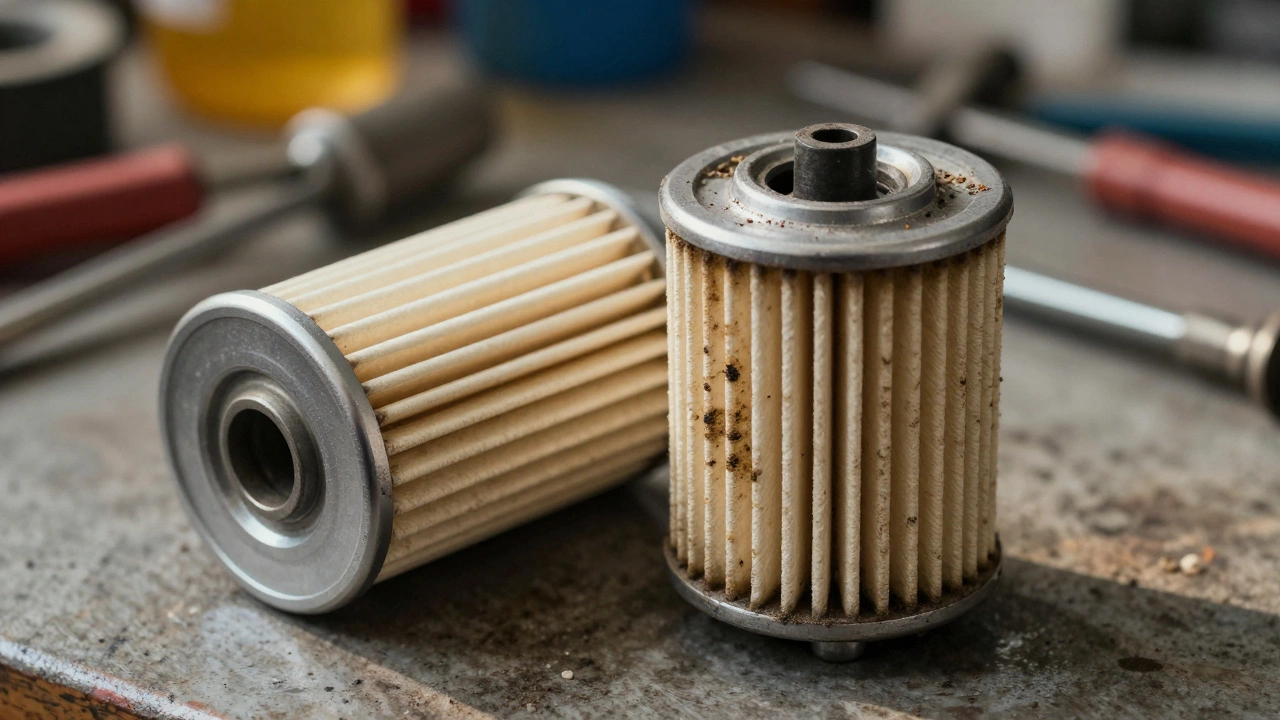
- Inspect the Fuel Filter: Replaceable filters sit along the frame rail or under the hood. If yours hasn’t been changed in over 30,000 miles, swap it out immediately. A blocked filter mimics pump failure perfectly.
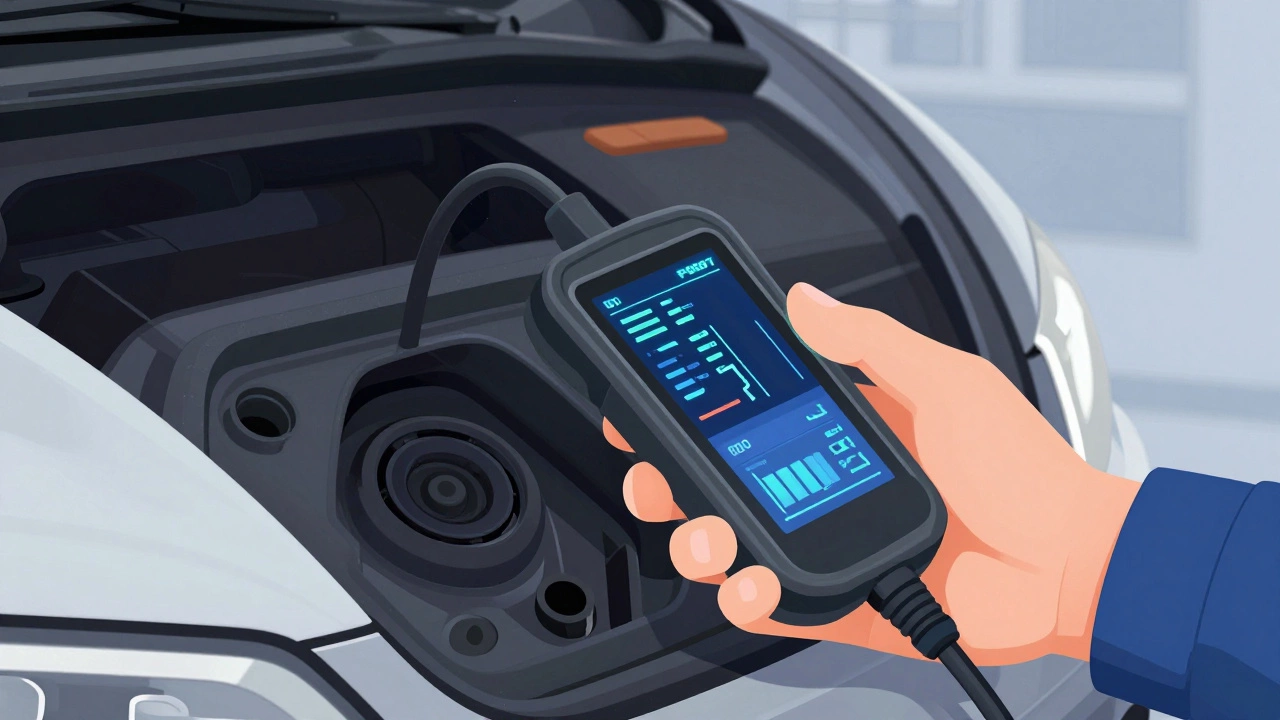
- Scan for Diagnostic Trouble Codes (DTCs): Use an OBD-II scanner to read error codes. Look for P0087 (Fuel Rail/System Pressure Too Low), P0190 (Fuel Pressure Sensor Circuit Malfunction), or P0230 (Fuel Pump Primary Circuit). These point directly to pressure-related faults.
- Check Electrical Connections: Corroded wiring harnesses or loose connectors behind the fuel tank access panel can interrupt power delivery. Clean terminals and ensure secure fits.
If all tests point toward the pump itself, replacement is inevitable. However, always rule out cheaper fixes first-like replacing the fuel filter or cleaning contacts-to avoid unnecessary expenses.
Fuel Injection Pump vs. Other Components: What Else Could Cause Similar Symptoms?
Not every rough-running engine blames the fuel pump. Misdiagnosis leads to wasted parts and labor hours. Consider these alternatives:
| Symptom | Likely Culprit | Key Differentiator |
|---|---|---|
| Hard Starting | Fuel Pump / Ignition Coil | Ignition coils cause spark-related misfires even with good fuel pressure. |
| Sputtering Under Load | Fuel Pump / Mass Air Flow Sensor | MAF sensor errors trigger erratic airflow calculations, affecting fuel mix. |
| Stalling at Idle | Fuel Pump / Throttle Body | Dirty throttle bodies restrict airflow, causing idle instability unrelated to fuel. |
| Whining Noise | Fuel Pump / Alternator | Alternator whines varies with RPM; fuel pump noise stays constant regardless of speed. |
| Poor MPG | Fuel Pump / Oxygen Sensors | Failed O2 sensors send false data to ECU, enriching mixture unnecessarily. |
Always cross-reference multiple symptoms before concluding. A single clue isn’t enough-but a pattern pointing consistently toward fuel delivery issues strongly implicates the pump.
When to Replace vs. Repair: Making the Right Decision
Repairing a failed fuel injection pump is rarely practical. Most units come sealed from the factory, meaning disassembly voids warranties and risks further damage. Instead, focus on deciding between OEM (Original Equipment Manufacturer) and aftermarket replacements.
OEM pumps match original specifications precisely, ensuring compatibility with your vehicle’s computer-controlled systems. Aftermarket options vary widely in quality-some perform equally well, others fail prematurely due to inferior materials. Always choose brands certified by reputable organizations like ISO/TS 16949 for automotive parts manufacturing standards.
Cost-wise, expect to pay anywhere from £150 to £400 depending on make/model. Labor adds another £100-£250 since accessing the pump often involves dropping the fuel tank. Given these figures, prevention through regular filter changes and using high-quality fuel remains the best long-term strategy.
Preventing Future Failures: Maintenance Tips That Extend Pump Life
Extending the lifespan of your fuel injection pump boils down to two habits: cleanliness and consistency.
- Replace Fuel Filters Every 30,000 Miles: Clogged filters force pumps to work overtime, increasing heat buildup and wear rates.
- Use Top-Tier Gasoline: Premium fuels contain detergents that prevent varnish buildup inside injectors and pump chambers.
- Avoid Running the Tank Below Quarter Full: Fuel serves as coolant for the pump motor. Low levels expose the unit to ambient temperatures, accelerating thermal fatigue.
- Address Leaks Immediately: Even minor seepage compromises structural integrity and invites contaminants into sensitive areas.
- Schedule Annual Inspections: Professional checks catch early warnings like unusual noises or slight pressure drops before catastrophic failure occurs.
Small actions today prevent major headaches tomorrow. Treat your fuel system like the vital organ it is-and it’ll reward you with reliable performance year after year.
Can I drive my car with a bad fuel injection pump?
Technically yes, but it’s highly discouraged. Continuing to drive risks complete engine seizure, costly towing fees, and potential secondary damage to catalytic converters or oxygen sensors caused by unburnt fuel entering the exhaust stream.
How much does it cost to replace a fuel injection pump?
Parts range from £150-£400 depending on vehicle type. Including labor, total costs typically fall between £250-£650. Diesel models tend toward higher end prices due to complex high-pressure designs.
Will resetting the check engine light fix fuel pump problems?
No. Resetting clears stored codes temporarily but doesn’t resolve underlying hardware failures. The issue will reappear quickly unless the actual faulty component is replaced.
Does driving short distances hurt the fuel pump?
Yes. Short trips prevent proper warm-up cycles, allowing moisture condensation within fuel lines and tanks. Over time, water accumulation corrodes internal pump components and reduces efficiency.
Are aftermarket fuel pumps safe to install?
Only if sourced from trusted manufacturers meeting industry certifications. Cheap knockoffs may lack durability or proper calibration, leading to premature failure or inaccurate fuel delivery affecting emissions compliance.