Spark Plug Health & Replacement Estimator
Recommendation
Potential Fuel Savings
Replacing worn plugs can improve gas mileage by up to 30%. For a typical driver, this could save $100-$300 annually.
Enter your vehicle details to see if it's time for a change.
You’re driving along, and suddenly the engine feels a little rough. Or maybe your gas mileage has dropped, and you can’t figure out why. You’ve heard people talk about changing spark plugs is a cheap fix that makes cars run better. But is it actually good to change them? Should you do it on a whim, or only when something breaks?
The short answer: Yes, but timing matters more than the act itself. Replacing worn-out plugs restores power and saves money on fuel. Doing it too early wastes cash; doing it too late risks damaging your catalytic converter. This guide cuts through the noise so you know exactly when, why, and how often to swap them out.
Why Spark Plugs Matter More Than You Think
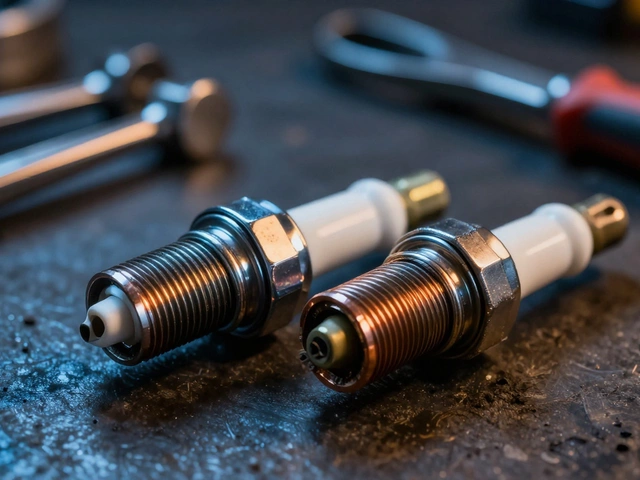
A spark plug is a small electrical component that delivers high-voltage electricity from the ignition system to the engine’s combustion chamber. Its job is simple: create a spark that ignites the air-fuel mixture. When this process works perfectly, your engine runs smoothly, efficiently, and quietly.
When plugs wear down, the gap between the electrodes widens or carbon builds up. This weakens the spark. A weak spark means incomplete combustion. Unburned fuel exits the exhaust, wasting energy and potentially harming emissions systems. You might notice hesitation during acceleration or a check engine light flashing for no obvious reason.
Signs Your Car Needs New Spark Plugs
Not every car screams for attention when plugs fail. Some symptoms are subtle. Here’s what to watch for:
- Rough idling: The engine shakes or vibrates when stopped at a red light.
- Slow acceleration: The car feels sluggish when you press the gas pedal.
- Poor fuel economy: You’re visiting the pump more often without changing your driving habits.
- Misfires: The engine stutters or jerks, especially under load like going uphill.
- Hard starting: The engine cranks longer than usual before catching.
If you experience two or more of these issues, inspecting your plugs is a smart first step. Ignoring them can lead to bigger problems, such as damaged coils or clogged fuel injectors.
How Often Should You Replace Them?
This depends entirely on the material of your current plugs. There isn’t one universal rule. Modern vehicles use different technologies with varying lifespans.
| Plug Type | Average Lifespan (Miles) | Best For | Cost Range (Per Plug) |
|---|---|---|---|
| Copper Core | 10,000 - 20,000 | Older vehicles, basic engines | $2 - $5 |
| Platinum | 40,000 - 60,000 | Mid-range modern cars | $8 - $15 |
| Iridium | 60,000 - 100,000+ | Newer, high-performance engines | $15 - $30 |
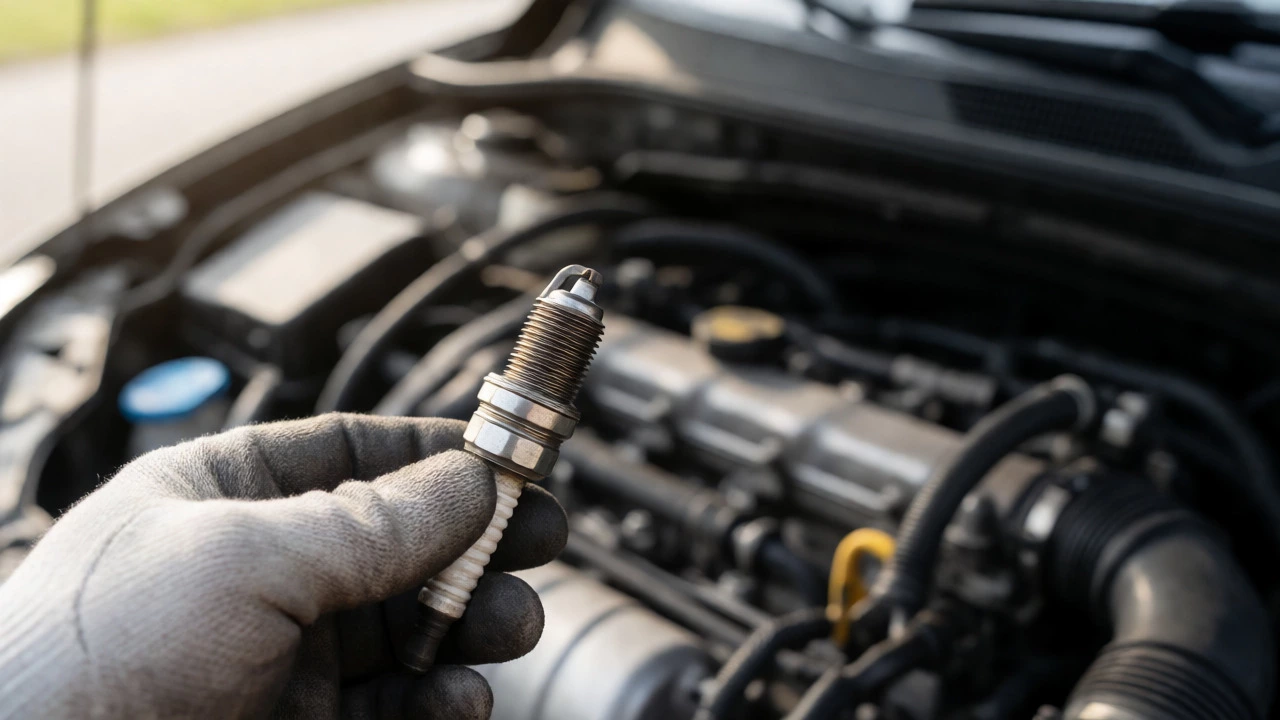
Check your owner’s manual for the manufacturer’s recommendation. If you bought a used car, assume the previous owner didn’t maintain them properly. Inspect them physically if possible. Look for white deposits (lean burn), black soot (rich burn), or eroded electrodes.
The Real Benefits of Regular Replacement
Changing spark plugs isn’t just about fixing problems-it’s about prevention. Fresh plugs ensure optimal combustion, which translates directly to tangible benefits.
Improved Fuel Efficiency: According to the U.S. Department of Energy, replacing worn spark plugs can improve gas mileage by up to 30%. Even a modest 5-10% gain saves hundreds of dollars over several years.
Better Engine Performance: Consistent sparks mean consistent power delivery. Throttle response becomes sharper, and the engine feels more responsive in traffic or on highways.
Easier Starts: Cold mornings become less frustrating. A strong spark ignites fuel quickly, reducing strain on the starter motor and battery.
Lower Emissions: Complete combustion produces fewer pollutants. This helps pass vehicle inspections and keeps your tailpipe cleaner.
Can Changing Them Too Early Be Bad?
Yes, but not for mechanical reasons. The downside is financial. Iridium plugs cost significantly more than copper ones. If you replace iridium plugs at 30,000 miles when they could last until 90,000, you’re throwing away money.
Also, unnecessary removal carries slight risks. Threads can strip if cross-threaded during installation. Ceramic insulators can crack if handled roughly. Always torque plugs to the manufacturer’s specification using a torque wrench. Over-tightening cracks the ceramic; under-tightening allows compression leaks.

DIY vs. Professional Service: What’s Right for You?
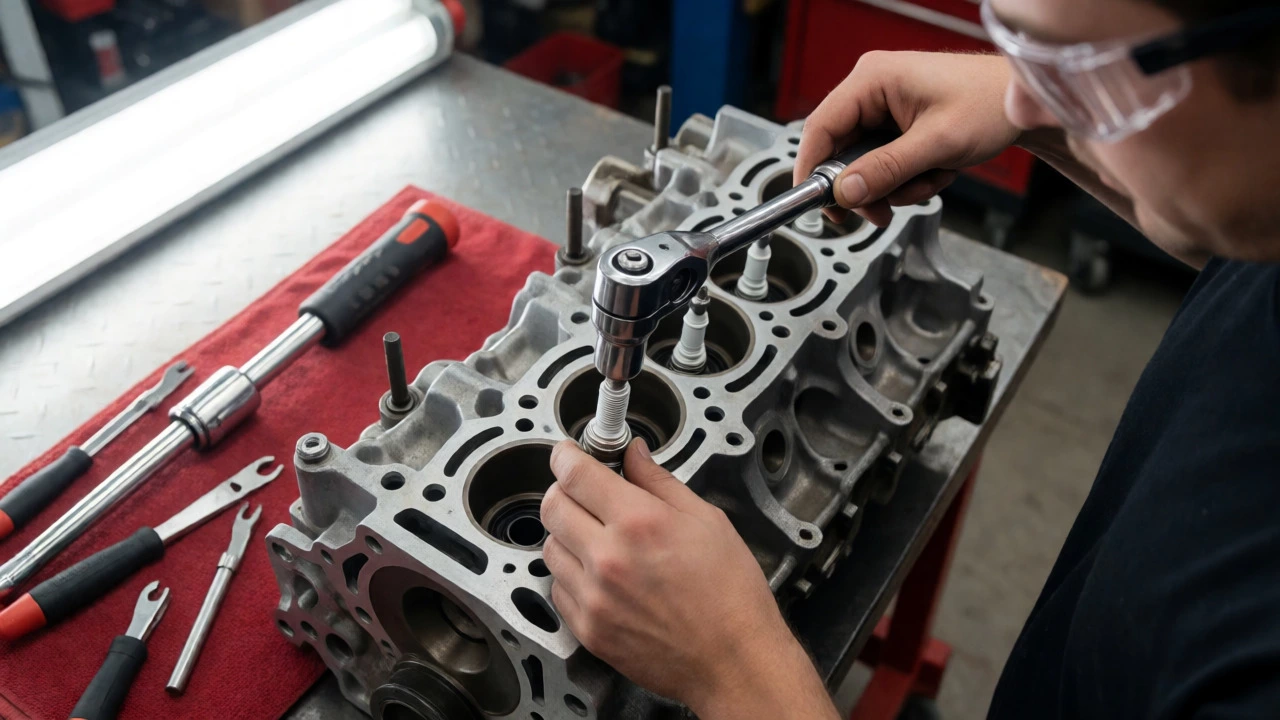
Replacing spark plugs is one of the few maintenance tasks many owners tackle themselves. It requires minimal tools: a socket set, a ratchet, an extension, and a gap tool (if needed).
DIY Pros: Saves labor costs ($50-$150). Takes 30-60 minutes. Gives you insight into your engine’s health.
DIY Cons: Risk of breaking old plugs in the head. Need correct parts matching. Tight spaces in some engine bays make access difficult.
Professional Pros: Guaranteed correct installation. Warranty on work. Quick turnaround.
Professional Cons: Higher total cost due to labor markup.
If your car has coil-on-plug designs (common in V6 and V8 engines), accessing rear cylinders can be tricky. Don’t hesitate to seek help if you lack space or confidence.
Common Myths About Spark Plugs
Myth 1: All spark plugs are the same. False. Heat ranges, thread sizes, and electrode materials vary widely. Using the wrong type can cause pre-ignition or fouling.
Myth 2: You should always gap new plugs. Not necessarily. Most modern platinum and iridium plugs come pre-gapped. Adjusting them can damage the fine wire electrode. Check the package instructions.
Myth 3: Changing plugs fixes all engine noises. No. Knocking sounds often indicate internal engine issues, not plug failure. Misfires might stem from bad coils or injectors instead.
Troubleshooting After Replacement
If performance doesn’t improve after swapping plugs, consider these factors:
- Incorrect Gap: Verify the gap matches specs if you adjusted it manually.
- Wrong Heat Range: Too hot causes pre-detonation; too cold leads to fouling.
- Coil Issues: Old ignition coils may fail under the load of new plugs.
- Vacuum Leaks: Sometimes mistaken for plug problems, these require separate diagnosis.
Clear any stored error codes with an OBD-II scanner after replacement. Some systems need reset time to relearn idle parameters.
How much does it cost to change spark plugs?
Parts alone range from $20 to $100 depending on quantity and type. Labor adds $50 to $150. Total shop costs typically fall between $70 and $250 for a standard four-cylinder vehicle.
Can I drive with bad spark plugs?
Short distances are usually fine, but prolonged driving with severe misfires can overheat the catalytic converter, leading to expensive repairs. Address noticeable issues promptly.
Do electric cars have spark plugs?
No. Fully electric vehicles use motors powered by batteries, eliminating the need for internal combustion components like spark plugs, oil filters, or alternators.
Should I replace all spark plugs at once?
Yes. Replacing only one or two creates uneven combustion across cylinders. This imbalance stresses the engine and reduces overall efficiency. Always replace them as a complete set.
What happens if I put the wrong spark plug in?
You risk poor performance, increased fuel consumption, or physical damage. Incorrect thread size can strip cylinder head threads. Wrong heat range may cause overheating or excessive carbon buildup.