Car Battery Health & Lifespan Estimator
Battery Condition Assessment
Answer the following questions to determine the current state of your battery.
Estimated Health Score
Recommendation:
Complete the assessment to receive a recommendation regarding your battery's condition.
That sinking feeling when you turn the key and hear nothing but a lonely click is universal. You are late for work, the weather is terrible, and your vehicle refuses to start. The culprit is almost always the same: a failing car battery. It is the power source that starts your engine and runs your electrical systems while the engine is off. But how long should this component actually last before it gives up on you?
The short answer is between three and five years. However, that number shifts dramatically based on where you live, how you drive, and what kind of battery sits under your hood. If you ignore the early warning signs, you risk being stranded anywhere from a supermarket parking lot to a motorway shoulder. Understanding the lifecycle of your battery helps you replace it proactively rather than reactively.
What Determines How Long Your Battery Lasts?
Not all batteries die at the same rate. Several factors accelerate or decelerate the chemical breakdown inside the lead-acid cells. Knowing these variables allows you to predict when your current unit might fail.
- Climate extremes: Heat is the silent killer of batteries. High temperatures cause the fluid inside to evaporate and corrode internal plates. In places like Arizona or Southern California, a battery might only last two to three years. Conversely, cold weather doesn't destroy the battery directly but reduces its ability to deliver power, making an already weakened battery fail completely.
- Driving habits: Short trips are detrimental. If you only drive a few miles at a time, the alternator never gets enough time to recharge the energy used to start the engine. This leads to chronic undercharging.
- Electrical load: Modern cars are rolling computers. Heated seats, GPS navigation, multiple USB chargers, and aftermarket sound systems draw constant power. Leaving lights on or using accessories with the engine off drains the reserve capacity faster.
- Vibration: Loose mounting brackets allow the battery to rattle around. This physical shaking can break internal connections and damage the delicate plate structures inside the casing.
Types of Car Batteries and Their Lifespans
The technology inside the case matters just as much as external conditions. Most vehicles use one of three main types, each with different durability profiles.
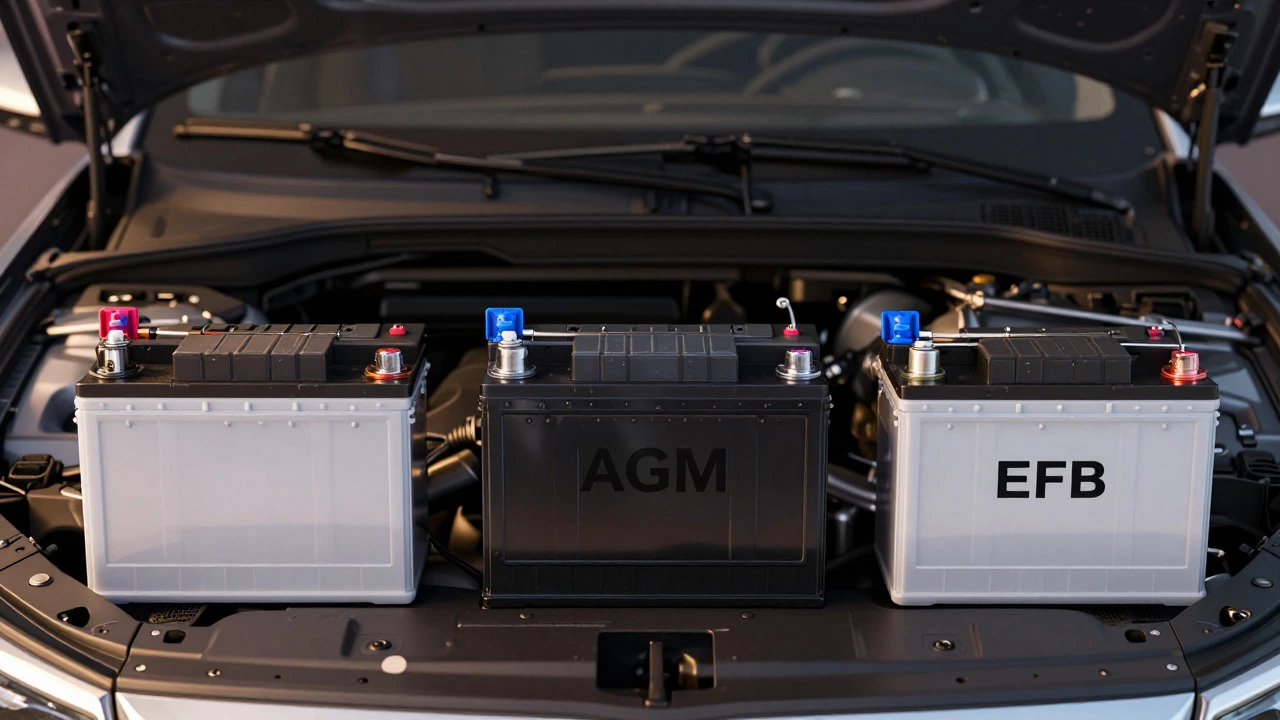
| Battery Type | Average Lifespan | Best For | Cost Range (UK) |
|---|---|---|---|
| Flooded Lead-Acid | 3-5 years | Standard daily drivers | £40 - £80 |
| Absorbent Glass Mat (AGM) | 4-7 years | Start-stop vehicles, high-electricity loads | £100 - £200 |
| Enhanced Flooded Battery (EFB) | 3-5 years | Mild hybrid systems, frequent stop-start driving | £70 - £130 |
If you own a modern European car with a start-stop system, you likely need an AGM or EFB battery. Putting a standard flooded lead-acid battery in these cars will result in premature failure because they cannot handle the deep discharge cycles required by automatic engine shutdowns.
Early Warning Signs Your Battery Is Dying
Batteries rarely fail without notice. They usually send distress signals weeks or even months before they completely lose their charge. Paying attention to these cues can save you from a tow truck bill.
- Slow engine crank: When you turn the ignition, does the engine sound sluggish? A healthy battery delivers instant power. A weak one struggles to spin the starter motor quickly.
- Illuminated check engine light: This seems unrelated, but low voltage can confuse the car's computer sensors, triggering false error codes.
- Swollen or bloated case: If you look under the hood and see the battery casing bulging, heat or freezing has damaged the internal structure. Replace it immediately.
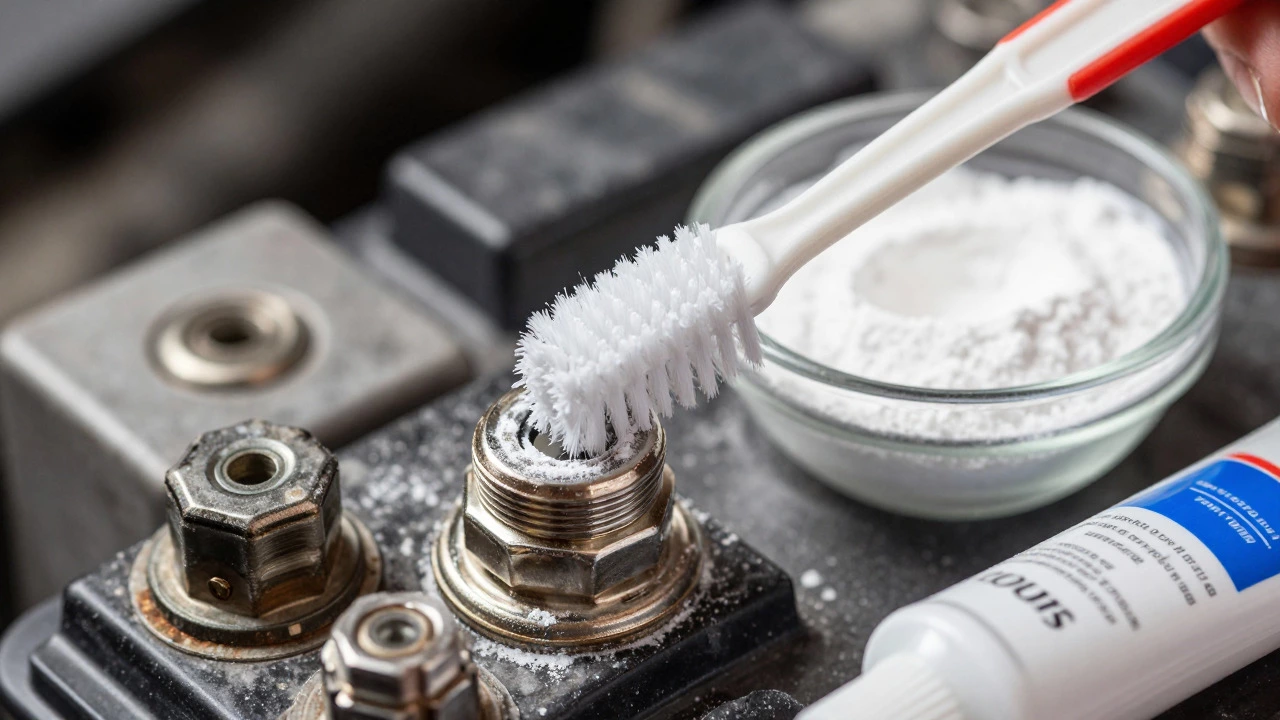
- Corroded terminals: White, ashy powder on the battery posts indicates leakage and corrosion. This creates resistance, preventing proper charging and starting.
- Dim headlights: If your lights seem duller at idle but brighten when you rev the engine, your battery isn't holding the charge, and the alternator is compensating.
How to Extend Your Car Battery Life
You cannot stop chemistry from degrading, but you can slow it down significantly with simple maintenance habits. These steps apply whether you drive a vintage classic or a brand-new electric hybrid.
Keep the terminals clean. Corrosion acts as an insulator. Mix baking soda and water, scrub the terminals with an old toothbrush, and rinse carefully. Apply a thin layer of petroleum jelly or terminal protector spray to prevent future buildup.
Avoid short trips. Try to combine errands into longer drives. This allows the alternator. It is the device that recharges the battery while the engine runs. to fully replenish the battery after startup. If you must take many short trips, consider using a battery maintainer or trickle charger during winter months.
Secure the mount. Check the hold-down clamp every six months. Vibration breaks internal plates. If the battery wiggles when you push it, tighten the bracket or replace it.
Minimize parasitic drain. Turn off interior lights, unplug phone chargers, and close doors properly. Even small draws add up over nights and weekends, especially if you don't drive frequently.
When to Replace vs. Jump-Start
Sometimes a battery just needs a boost; other times, it is done for. Here is how to tell the difference.
If your car starts fine after a jump-start and holds a charge for several days of normal driving, the issue was likely a temporary discharge (like leaving lights on). However, if the car dies again within a week, or if the battery is older than four years, replacement is the smarter move. A battery that requires frequent jumps has lost its ability to retain charge due to sulfation-a permanent buildup of lead sulfate crystals on the plates.
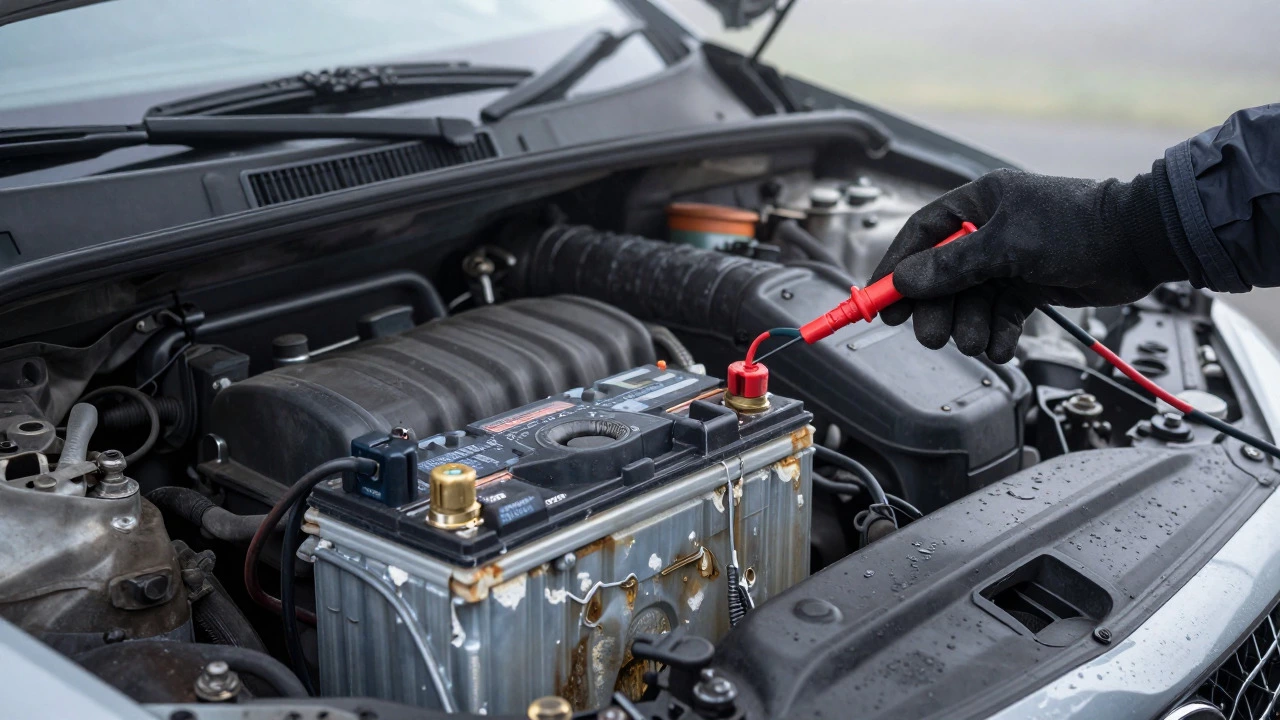
Testing voltage with a multimeter provides clarity. A fully charged battery reads around 12.6 volts. Anything below 12.4 volts indicates partial discharge. Below 12.0 volts means the battery is deeply discharged and may be damaged beyond repair if left too long.
Frequently Asked Questions
Can I revive a dead car battery?
Only if it is simply discharged, not chemically degraded. You can use a jumper cable or a portable jump starter to provide enough power to start the engine. Once running, the alternator will recharge it. However, if the battery is swollen, leaking, or older than five years, revival is temporary, and replacement is necessary.
Does driving in winter shorten battery life?
Does driving in winter shorten battery life?
Cold weather itself doesn't destroy batteries, but it reduces their cranking power by up to 50%. This stress accelerates wear if the battery is already weak. Additionally, idling longer in winter to warm up the cabin uses more fuel and puts extra load on the electrical system, which can strain an aging battery.
How often should I test my car battery?
You should have your battery tested annually, especially if it is over three years old. Many auto parts stores offer free testing. Look for a load test, which measures the battery's ability to deliver power under stress, not just its resting voltage.
Is it worth buying a premium battery?
For most standard vehicles, a mid-range flooded lead-acid battery is sufficient. However, if you live in extreme climates, drive short distances frequently, or have a car with start-stop technology, investing in an AGM or EFB battery pays off through longer life and fewer failures.
Can a bad alternator kill a good battery?
Yes. If the alternator fails to charge the battery while driving, the battery will eventually drain completely and die. Conversely, an overcharging alternator can boil the electrolyte inside the battery, causing permanent damage. Always check the charging system if battery issues persist after replacement.