Wiper Blade Health Checker
Select the symptoms you are experiencing with your current wipers to receive a diagnosis and recommendation.
Diagnosis Result
Recommendation
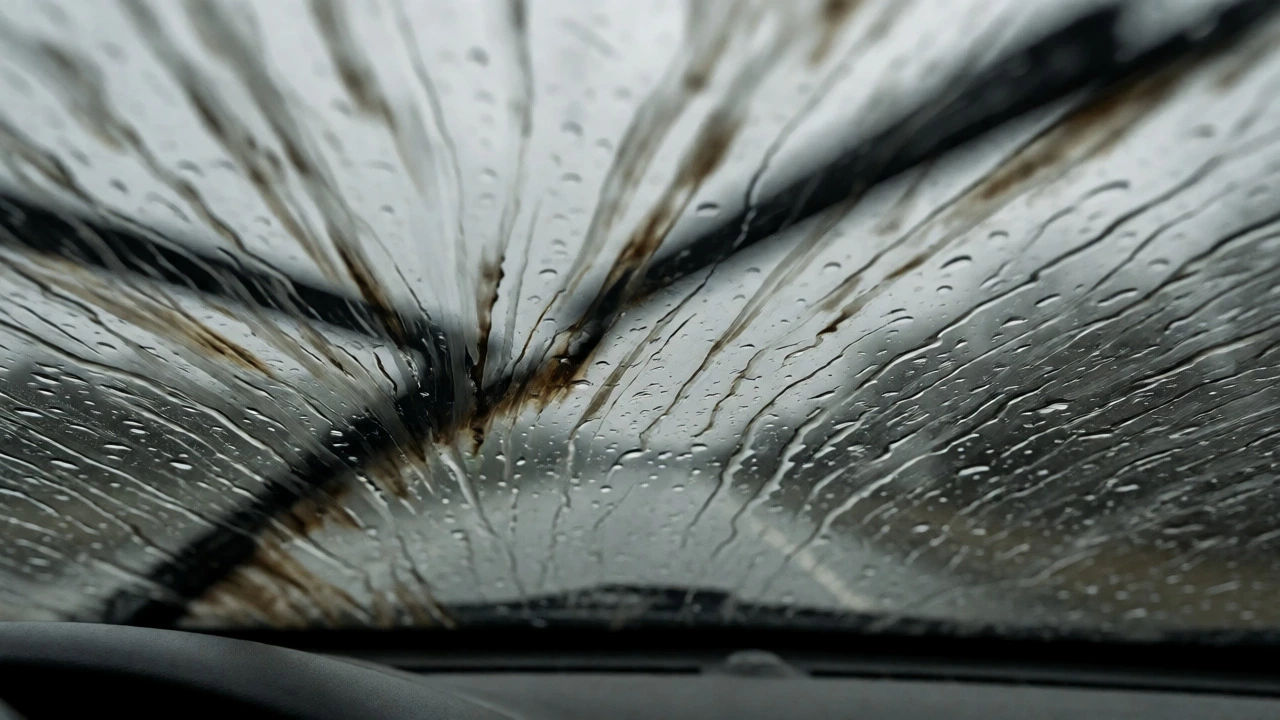
You are driving down the M4 on a grey Tuesday afternoon. The rain starts as a drizzle, then suddenly turns into a downpour. You flick your wiper blades to life, expecting a clear view. Instead, you get a smeared mess that looks like someone dragged a dirty finger across a window. It is annoying, sure. But it is also dangerous.
Most drivers ignore their wipers until they fail completely during a storm. By then, you are squinting through streaks of water and grime, praying for visibility. This article breaks down exactly how to spot the warning signs before you end up in that situation. We will look at what physical damage looks like, how sound can tell you something is wrong, and why age matters more than mileage when it comes to rubber degradation.
Quick Summary: When to Replace Your Wipers
- Visible Damage: Check for cracks, tears, or a warped rubber edge along the blade.
- Poor Performance: If they skip, chatter, or leave smears despite a clean windshield, replace them.
- Age Factor: Rubber degrades over time. Replace every 6-12 months, regardless of use.
- Seasonal Stress: Summer sun and winter ice accelerate wear. Inspect after harsh seasons.
- Cost-Benefit: New blades cost £5-£15 each. A minor accident caused by poor visibility costs thousands.
The Smear Test: Why Clean Glass Isn't Enough
Here is a common misconception: if your windscreen is clean, your wipers must be fine. That is not true. The condition of the glass does not fix a worn-out rubber element. In fact, a perfectly clean windscreen makes wiper failures more obvious. If you see horizontal lines or streaks left behind after a single swipe, the rubber has lost its ability to make uniform contact with the glass.
This usually happens because the rubber hardens over time. Fresh rubber is soft and flexible, allowing it to conform to the slight curves of your windscreen. As it ages, UV exposure and ozone break down the polymer chains. The blade becomes stiff. Instead of wiping water away smoothly, it rides over the surface, leaving patches of water behind. These patches refract light from oncoming headlights, creating glare that blinds you at night.
To test this, park your car in the shade. Spray the windscreen with water. Run the wipers once. Look closely at the glass. Do you see distinct bands of water remaining? If yes, the blade pressure is uneven. This is often due to a bent metal frame rather than just worn rubber. While some frames are adjustable, most modern aerodynamic blades are not. Replacement is the only reliable fix.
Listening for Trouble: Chattering and Skipping
Sometimes, the problem is audible before it is visible. Listen closely next time it rains lightly. Are your wipers making a rhythmic chattering noise? This vibration occurs when the blade catches on the glass instead of sliding smoothly. It is rarely a sign of dirty glass; it is almost always a sign of a worn blade or a misaligned arm.
Chattering typically indicates that the rubber edge has developed micro-nicks or has become too hard to glide. The friction coefficient changes, causing the blade to stick and slip repeatedly. This is worse in cold weather when rubber contracts further. If you hear this sound, do not wait for the rain to stop. The constant vibration can actually scratch your windscreen over time, turning a cheap wiper issue into an expensive glass repair.
Another auditory cue is silence where there should be movement. If one side stops moving entirely while the other continues, check the linkage first. But if both arms move but the blades lift off the glass in high winds, you likely have an underperforming aerodynamic design or a weak spring tension in the arm. For most cars, replacing the blades with higher-quality OEM parts resolves this.
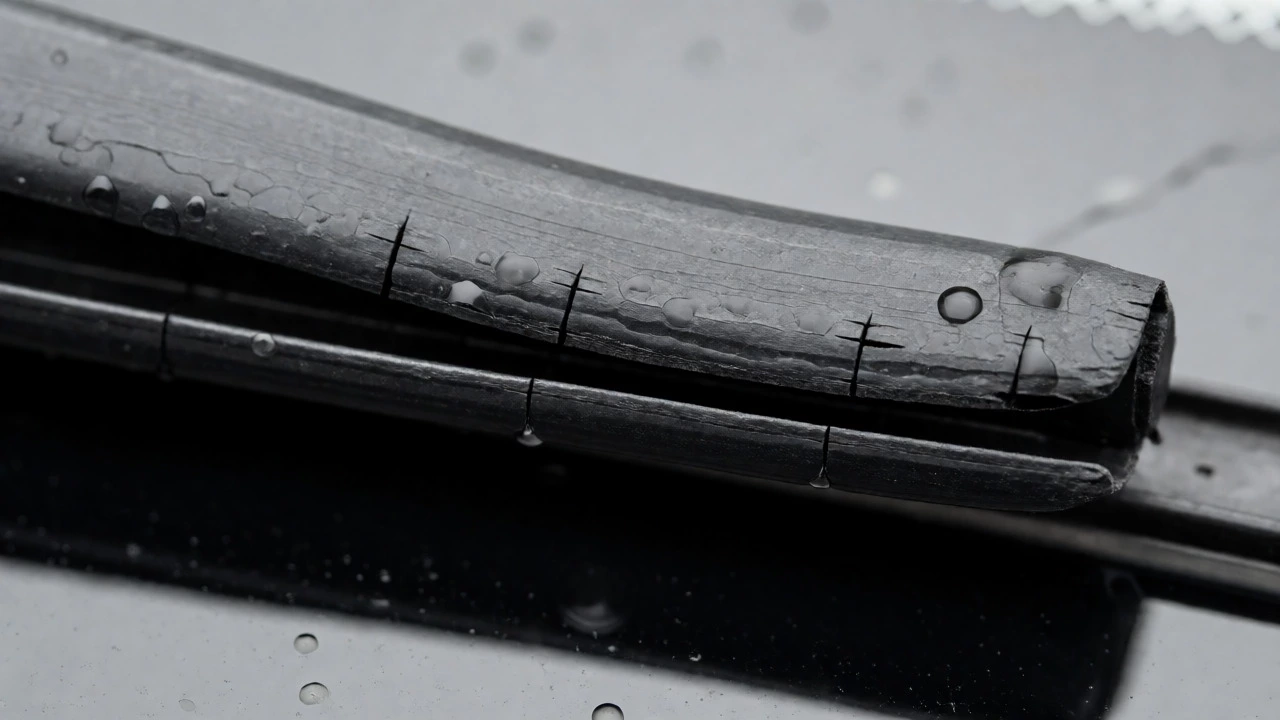
Visual Inspection: What to Look For
You do not need a mechanic to inspect your wipers. Pop the hood, lift the wiper arm, and look at the blade itself. Lay it flat on a white paper towel if possible. You are looking for three specific defects:
- Cracking: Small fissures running perpendicular to the length of the blade. These allow water to seep into the rubber, accelerating rot.
- Tearing: Missing chunks of rubber, especially at the ends. This causes immediate streaking.
- Deformation: Does the blade curve outward like a banana? The internal steel strip may have bent. This prevents even contact with the glass.
Pay attention to the connector where the blade attaches to the arm. If the plastic housing is cracked, the blade may detach mid-wipe. This is a nightmare scenario in heavy traffic. You lose visibility instantly. If the connector feels loose or rattles, replace the assembly immediately.
| Observation | Likely Cause | Action Required |
|---|---|---|
| Streaking in arcs | Hardened rubber edge | Replace blades |
| Chattering noise | Uneven pressure / Dirty glass | Clean glass; replace if persists |
| Skipped sections | Bent frame / Ice buildup | Inspect frame; replace if bent |
| Blade lifting off | Aerodynamic failure / Weak arm | Upgrade to beam-style blades |
| Visible cracks | UV degradation / Age | Replace immediately |
The Role of Weather and Seasonality
If you live in the UK, you know that our weather is hard on car parts. We get everything from intense summer UV rays to freezing winter nights. Each season attacks your wipers differently. Understanding this cycle helps you predict when replacement is necessary.
Summer heat is the primary enemy of rubber. High temperatures cause the material to expand and contract repeatedly. Over weeks, this thermal cycling creates micro-cracks. By autumn, these cracks are deep enough to let moisture in. Winter then freezes that moisture inside the rubber, expanding the cracks further. This is why many drivers notice their wipers failing right as the leaves start falling.
Conversely, winter ice poses a mechanical risk. Never force frozen wipers against a frost-covered windscreen. The rubber sticks to the glass. Pulling them free can tear the blade or bend the arm. Always defrost your car properly before using the wipers. If you find yourself struggling to remove ice, consider parking in a garage or using a windscreen cover. This simple habit can double the lifespan of your current set.
In Bristol, we see a lot of dampness year-round. Mold and algae can build up on the rubber edge, creating a slippery film that reduces grip. Clean your blades monthly with a damp cloth and mild soap. This removes grit and contaminants that act like sandpaper against your glass.
Types of Wiper Blades: Choosing the Right Replacement
Not all wipers are created equal. When you go to buy replacements, you will encounter two main types: conventional bracketed blades and beam (aerodynamic) blades. Knowing the difference ensures you pick the right one for your driving conditions.
Conventional blades feature a metal frame with multiple pressure points. They are cheaper, often costing under £5 per pair. However, the joints can rust, and snow can accumulate in the frame, adding weight and reducing effectiveness. They work best in mild climates with light rain.
Beam blades use a single piece of rubber with an integrated spring steel strip. They have no external frame to collect ice or snow. This design provides even pressure along the entire length. They are quieter and perform better at high speeds because they hug the windscreen tighter. They cost more, typically £10-£20 per pair, but last longer and offer superior visibility in storms.
For most UK drivers, beam blades are the smarter investment. The price difference is negligible compared to the safety benefit. Brands like Bosch, Valeo, and Denso offer reliable options that fit standard vehicles without adapters. Check your owner’s manual for the correct size-usually measured in inches (e.g., 24" driver side, 18" passenger side). Buying the wrong size results in gaps in coverage or overlapping interference.
Maintenance Tips to Extend Lifespan
You cannot prevent rubber aging forever, but you can slow it down. Here are practical steps to keep your current blades working longer:
- Clean Regularly: Wipe the rubber edge with a wet cloth every few weeks. Remove bugs, tar, and road grime.
- Use Washer Fluid: Never run dry wipers. Friction generates heat, which melts the rubber. Always use proper washer fluid, not plain water, as it contains lubricants and anti-freeze agents.
- Lift During Snow: If heavy snow is forecast, fold the wiper arms up away from the glass. This prevents them from freezing to the windscreen overnight.
- Avoid Direct Sun: Park in shaded areas whenever possible. UV radiation is the biggest factor in premature hardening.
Also, check your windscreen chips. A small chip can catch the edge of a wiper blade, tearing it. Repair chips promptly to protect your new investment.
Frequently Asked Questions
How often should I replace my wiper blades?
Manufacturers generally recommend replacing wiper blades every 6 to 12 months. However, this depends heavily on your climate. If you live in a sunny area or experience harsh winters, aim for every 6 months. In milder climates with garaging, you might stretch this to 12 months. Always prioritize performance indicators over time intervals-if they smear, replace them regardless of age.
Can I clean wiper blades instead of replacing them?
Cleaning can resolve issues caused by dirt, oil, or bug residue on the rubber edge. If your blades are relatively new (under 3 months) and just started streaking, try cleaning them with a damp cloth and isopropyl alcohol. If the rubber is cracked, hardened, or torn, cleaning will not help. Physical degradation requires replacement.
Why do my new wipers still chatter?
If new wipers chatter, the issue is likely not the blades themselves. First, ensure the windscreen is thoroughly cleaned of any wax or silicone-based products. Second, check the wiper arm alignment. If the arm is bent, it will apply pressure unevenly. Finally, verify that you purchased the correct size and type for your vehicle. An incompatible blade shape may not sit flush against the curved glass.
Are expensive wiper blades worth it?
Yes, for most drivers. Premium brands use higher-quality rubber compounds and precision-engineered springs. They resist UV degradation better and maintain flexibility in extreme temperatures. The cost difference between budget and premium blades is usually less than £10 per pair. Given that they are critical safety components affecting visibility, the marginal cost is justified by improved reliability and longevity.
What happens if I drive with bad wipers?
Driving with worn wipers significantly increases the risk of accidents. Reduced visibility leads to delayed reaction times. Streaking creates glare from oncoming headlights at night. Additionally, damaged blades can scratch your windscreen, leading to costly repairs. In some jurisdictions, driving with clearly defective wipers can result in a fixed penalty notice or MOT failure.
Next Steps for Safe Driving
Don’t wait for the next storm to reveal your wiper’s flaws. Take five minutes today to inspect your blades. Lift them, look for cracks, and listen for chatters during your next wash. If you see any of the signs mentioned above, order replacements online or pick them up at your local auto parts store. It is a ten-minute job that pays dividends in peace of mind and safety. Your future self, driving home in a downpour, will thank you.