Stage Clutch Recommendation Tool
Enter your vehicle details below to find the appropriate clutch stage.
Recommendation
Loading...Result description goes here.
Fill out the form to see which clutch stage matches your power needs.
You press the gas, the revs climb, but the car barely moves. Or worse, you smell that distinct scent of burning friction material. If you are driving a modified car or simply pushing your daily driver harder than the factory intended, this is more than an annoyance-it’s a warning sign. Your stock clutch cannot handle the torque you are throwing at it.
This is where a Stage 2 clutch kit comes into play. But what exactly does it do? Is it just a stiffer pedal, or is there real engineering behind the label? In short, a Stage 2 clutch kit increases the clamping force and friction surface area to handle significantly higher engine torque without slipping. It bridges the gap between a weak street clutch and an aggressive race setup.
If you have been hearing terms like "multi-plate" or "organic vs. ceramic" and feeling confused, you are not alone. Let’s break down how these components work, why the stages matter, and whether upgrading is actually necessary for your specific build.
The Core Function: Stopping Slip Under Load
To understand what a Stage 2 clutch does, you first need to understand why a standard clutch fails. A clutch is the link between your engine’s spinning crankshaft and the transmission’s input shaft. It uses friction to transfer power. When you lift your foot off the pedal, springs press the clutch disc against the flywheel. The harder the spring presses, the more power transfers.
Stock clutches are designed for comfort and longevity in normal driving conditions. They use soft materials and moderate spring pressure. This makes them easy to drive in traffic but prone to slipping when torque exceeds their design limits. Slipping occurs when the engine spins faster than the wheels can accept the power, causing heat buildup and rapid wear.
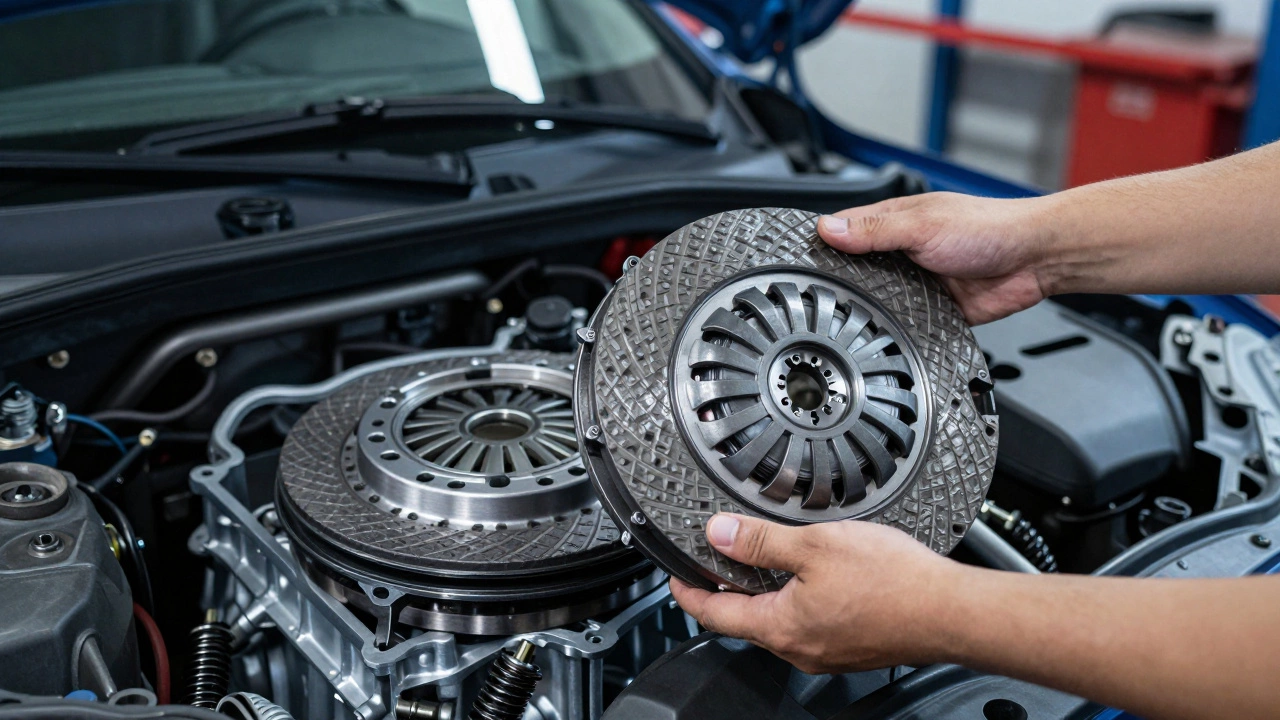
A Stage 2 clutch kit addresses this by increasing the clamping force. Manufacturers achieve this through stronger pressure plate springs and often by adding a second friction disc (making it a dual-disc system). This extra grip allows the clutch to hold much higher horsepower and torque figures-typically ranging from 300 to 500 brake horsepower, depending on the brand and vehicle application.
How Stages Are Defined: The Industry Standard
The automotive aftermarket generally categorizes clutches into three main tiers: Stage 1, Stage 2, and Stage 3. These labels are not strictly regulated, but they follow a loose consensus based on material composition and spring pressure.
- Stage 1: Uses organic or semi-metallic materials similar to stock but with slightly higher spring pressure. Ideal for mild mods (under 20% power increase) and daily drivers.
- Stage 2: Features aggressive friction materials (often sintered metal or ceramic composites) and increased spring pressure. Often includes a dual-disc setup. Designed for significant power gains and track use.
- Stage 3: Race-oriented setups with extreme spring pressure and specialized materials. Usually requires a heavy-duty flywheel and transmission upgrades. Not recommended for street driving due to harsh engagement.
A Stage 2 kit sits squarely in the middle. It offers enough bite for spirited driving and moderate modifications while remaining usable on public roads, provided you adjust your driving style accordingly.
Key Components of a Stage 2 Kit
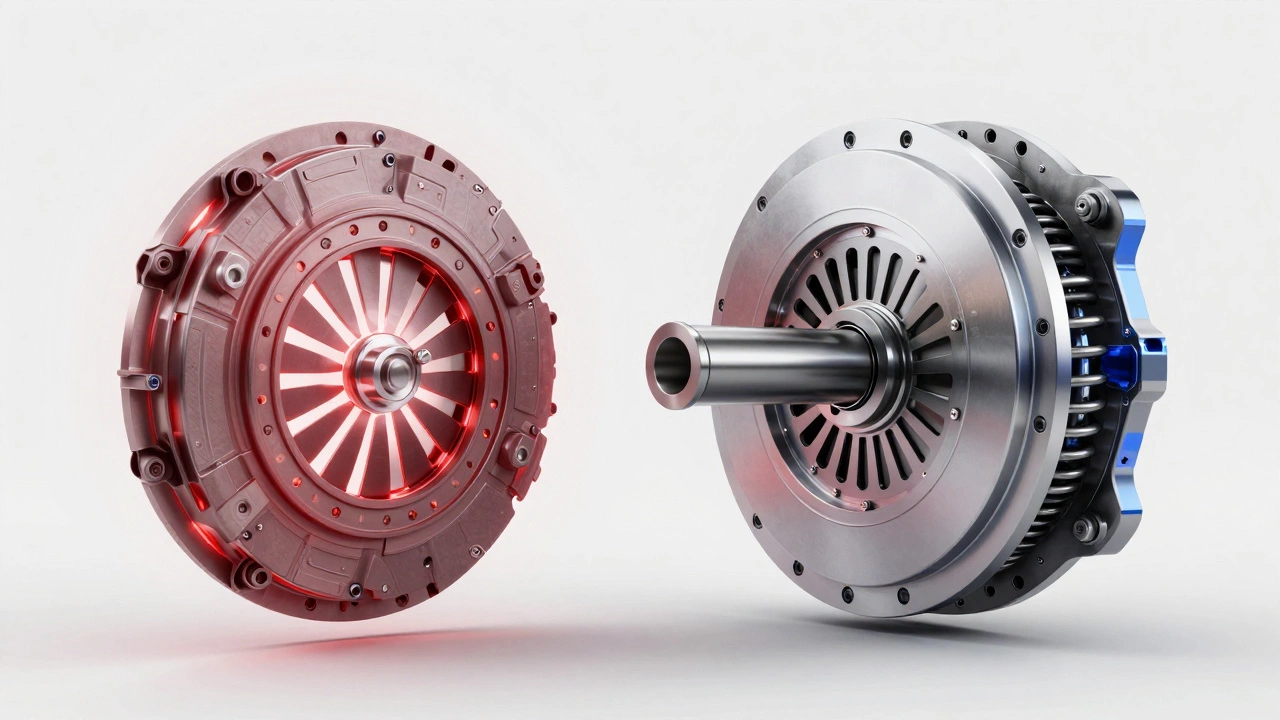
When you buy a Stage 2 clutch kit, you are not just getting a new disc. You are replacing several critical components that work together to manage heat and torque. Here is what typically goes into the box:
| Component | Function | Stage 2 Specifics |
|---|---|---|
| Clutch Disc(s) | Transfers power via friction | Often dual-disc; uses high-friction sintered or ceramic facings |
| Pressure Plate | Applies clamping force | Heavier duty springs; sometimes multi-finger diaphragm design |
| Flywheel | Stores rotational energy | Lightweight or billet aluminum to reduce inertia and improve shift speed |
| Release Bearing | Disengages clutch | Upgraded to handle higher heat and stress |
The inclusion of a lightweight flywheel is common in Stage 2 kits. By reducing the rotating mass, the engine can rev up and down more quickly. This improves throttle response and reduces the load on the clutch during shifts. However, it also means the car may feel jerkier at low speeds, as there is less momentum to smooth out the engagement.

Performance Gains: What You Actually Feel
Installing a Stage 2 clutch changes the driving experience noticeably. The most immediate change is the pedal feel. The clutch pedal will likely be heavier and have a sharper bite point. You will need to modulate your foot more carefully when coming to a stop or pulling away from a light.
In terms of performance, the benefits are clear:
- No More Slipping: You can launch hard from a standstill or accelerate aggressively in lower gears without worrying about the clutch burning out.
- Better Heat Management: High-performance friction materials dissipate heat better than organic pads, preventing fade during repeated hard stops or track laps.
- Faster Shifts: Combined with a lighter flywheel, gear changes become quicker and more precise.
However, these gains come with trade-offs. A Stage 2 clutch is not forgiving. If you rest your foot on the pedal too long, you risk damaging the release bearing. Cold starts might result in jerky movement until the components warm up. For a daily commuter who never touches the rev limiter, a Stage 2 might be overkill and could even make city driving frustrating.
Who Needs a Stage 2 Clutch?
Not every car needs a Stage 2 upgrade. Before spending hundreds or thousands of pounds, ask yourself these questions:
- Have I increased engine power? If your car produces more than 15-20% above factory torque, the stock clutch is likely struggling.
- Do I drive on the track? Track days put immense strain on clutches. A Stage 2 is essential for consistency and safety.
- Am I experiencing slip? If the RPMs flare up under acceleration without a corresponding increase in speed, your clutch is already failing.
If you answered yes to any of these, a Stage 2 kit is a logical next step. For example, if you own a Ford Focus ST with a turbo upgrade pushing 300+ hp, the stock single-plate clutch will not survive long. A dual-disc Stage 2 kit from brands like Clutch Masters or Exedy would provide the necessary holding power.
Conversely, if you drive a naturally aspirated car with minor bolt-on modifications, a Stage 1 or even a reinforced stock replacement might suffice. Over-specifying your clutch can lead to unnecessary wear on the transmission and drivetrain due to excessive shock loads.
Installation and Maintenance Tips
Replacing a clutch is labor-intensive. It requires removing the transmission, which is time-consuming and often involves special tools. While some DIY enthusiasts tackle this job, many opt for professional installation to ensure proper alignment and balance.
Once installed, maintenance habits change slightly:
- Warm Up the Clutch: Avoid hard launches immediately after starting the car. Cold friction materials are brittle and can crack.
- Use Both Feet: Always keep your left foot off the clutch pedal when driving. Riding the clutch generates excessive heat and wears out the release bearing prematurely.
- Shift Smoothly: Even with a performance clutch, grinding gears damages synchronizers. Practice smooth, decisive shifts.
Regularly check the clutch fluid level if your car uses a hydraulic system. Low fluid can lead to air in the lines, causing a spongy pedal and incomplete disengagement.
Common Misconceptions About Stage 2 Clutches
There is a lot of misinformation in online forums. Let’s clear up two major myths:
Myth 1: "A Stage 2 clutch will fix a worn-out transmission." False. A clutch only connects the engine to the transmission. If your gearbox has internal damage, such as broken teeth or worn bearings, a new clutch will not solve the problem. In fact, the increased torque from a Stage 2 kit could worsen existing transmission issues.
Myth 2: "All Stage 2 clutches are the same." Incorrect. Different manufacturers use varying materials and spring rates. Some Stage 2 kits are optimized for street use, offering smoother engagement, while others lean toward track performance with brutal bite. Always check the manufacturer’s specifications for your specific vehicle model and power level.
Making the Right Choice
Choosing a Stage 2 clutch kit is about balancing performance needs with daily usability. Look for reputable brands that offer warranties and technical support. Read reviews from owners with similar vehicles and modifications. Consider whether you need a single-plate or dual-disc setup based on your torque output.
Remember, the goal is not just to hold more power, but to do so reliably. A well-chosen Stage 2 clutch extends the life of your drivetrain by eliminating slip and managing heat effectively. It transforms your car from a fragile machine into a robust platform capable of handling increased demands.
Can I install a Stage 2 clutch on a stock car?
Technically, yes, but it is not recommended. A Stage 2 clutch is stiff and difficult to operate in traffic. On a stock car, it will likely cause premature wear on the transmission and release bearing due to the high clamping force without the need for extra torque capacity. Stick to a Stage 1 or OEM replacement for stock vehicles.
How long does a Stage 2 clutch last?
Lifespan varies greatly based on driving style. With careful street driving, a Stage 2 clutch can last 40,000 to 60,000 miles. Frequent track use or aggressive launches can reduce this to 10,000 miles or less. Regular maintenance and avoiding riding the clutch are key to longevity.
Is a dual-disc Stage 2 better than a single-disc?
Dual-disc clutches offer higher torque capacity and better heat dissipation because the load is spread across two friction surfaces. However, they are thicker and require a pilot bearing modification in some cases. Single-disc Stage 2 kits are easier to install and sufficient for most moderately modified cars under 400 hp.
Will a Stage 2 clutch void my warranty?
If your car is still under manufacturer warranty, installing an aftermarket clutch may void coverage related to the drivetrain. Dealerships can argue that the higher clamping force caused damage to other components. Check your warranty terms before proceeding.
Do I need a new flywheel with a Stage 2 clutch?
Most Stage 2 kits include a lightweight or billet flywheel. Reusing an old, warped, or cracked stock flywheel is dangerous and can lead to vibration and failure. Always replace the flywheel when installing a performance clutch kit to ensure proper balance and heat management.