Oil Consumption Calculator
Engine Oil Check
Enter your vehicle's oil consumption data to determine if you need maintenance.
Results
Enter your data to see your oil consumption status.
When your car’s oil level drops too low, it doesn’t just mean you need a top-up-it means your engine is running on borrowed time. Engine oil isn’t just a lubricant; it’s the lifeblood of your engine. Without enough of it, metal parts grind against each other, heat builds up uncontrollably, and damage can happen faster than you think. You might not notice anything at first. Maybe the car runs fine, maybe the dashboard doesn’t light up. But under the hood, things are already falling apart.
The First Signs: Noise and Heat
One of the earliest warning signs is a new noise coming from the engine. A tapping, knocking, or rattling sound-especially when you accelerate-is often the sound of lifters or valve train components not getting enough oil. These parts rely on a thin film of oil to cushion their movement. When oil is low, that film breaks down. You’ll also feel the engine running hotter than usual. Even if your temperature gauge doesn’t show it yet, internal temperatures can spike past 300°C in critical areas like the pistons and cylinder walls. That’s hot enough to warp metal.
What Happens Inside the Engine
Inside your engine, hundreds of moving parts are packed tightly together. The crankshaft spins at thousands of RPMs. Pistons move up and down at incredible speed. Bearings, camshafts, timing chains-all of them need constant lubrication. Engine oil doesn’t just reduce friction; it also cools these parts by carrying heat away. When oil is low, those parts start to overheat. Metal expands when it gets hot. In extreme cases, pistons can expand so much they scrape against the cylinder walls. This is called engine seizure. Once that happens, your engine stops dead. No amount of oil added afterward will fix it. You’ll need a full rebuild or replacement.
The Oil Warning Light Isn’t Always the First Alert
Many people wait for the oil warning light to come on before they act. But by then, it’s often too late. Modern cars have sensors that trigger the warning light when oil pressure drops below a critical level. That doesn’t mean the oil is low-it means the oil pump can’t circulate what’s left. The pressure drop happens after significant damage has already started. Some cars, especially older models, don’t even have oil pressure sensors. They rely solely on the driver checking the dipstick. If you’re not checking it regularly, you’re flying blind.
Oil Consumption: Why It Drops
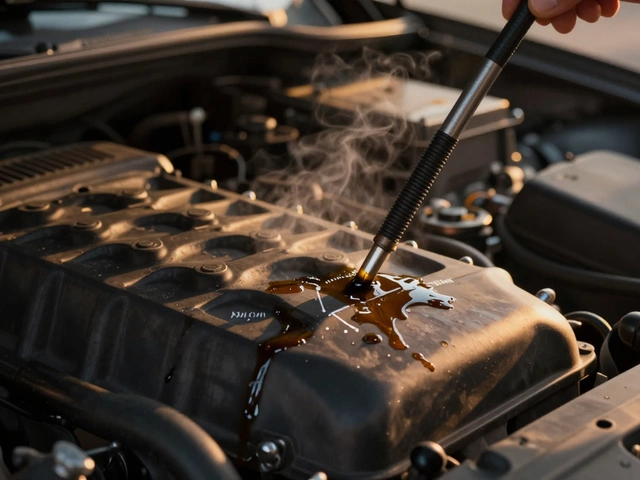
Oil doesn’t just disappear. It gets used. Normal engines burn a small amount-about a quart every 3,000 miles is considered acceptable. But if you’re adding oil every 1,000 miles, something’s wrong. Worn piston rings let oil slip into the combustion chamber and burn off. Leaking gaskets or seals let oil drip out. A cracked oil pan or loose drain plug can cause sudden loss. In colder climates like Bristol, oil thickens in winter, making leaks harder to spot until you’re down a full quart. Regular checks every week or two, especially before long trips, are non-negotiable.
How Low Is Too Low?
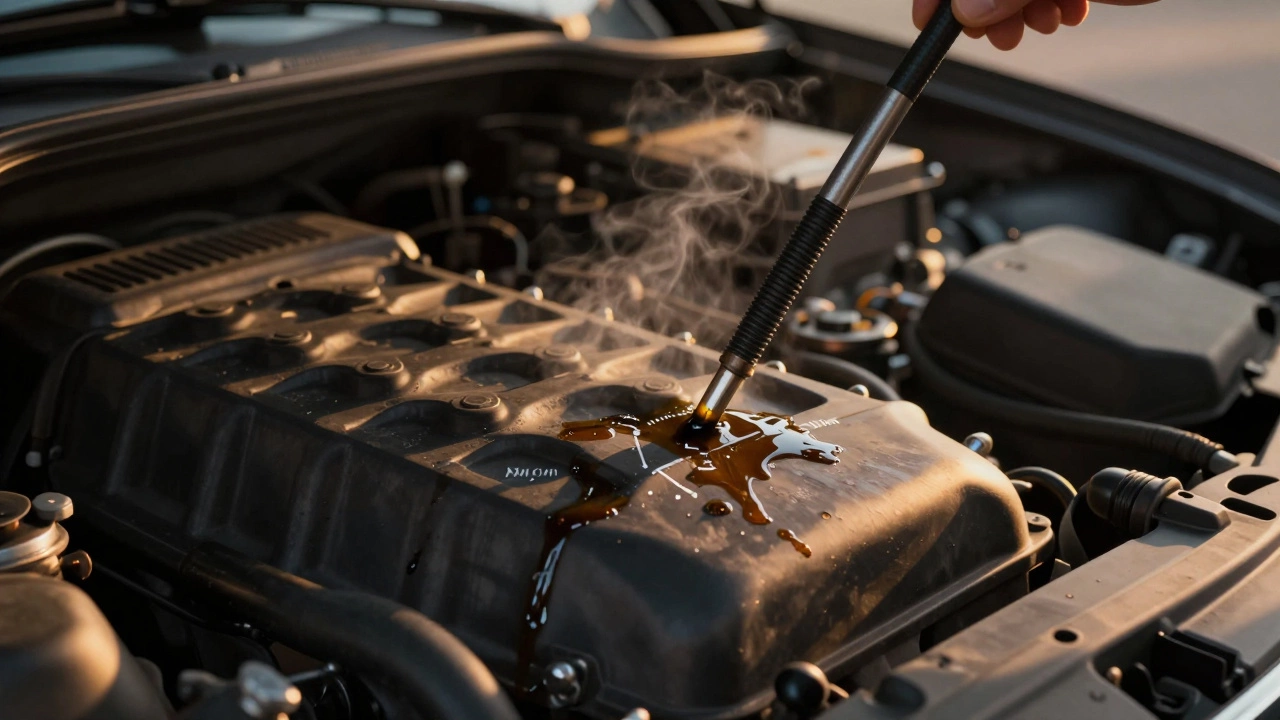
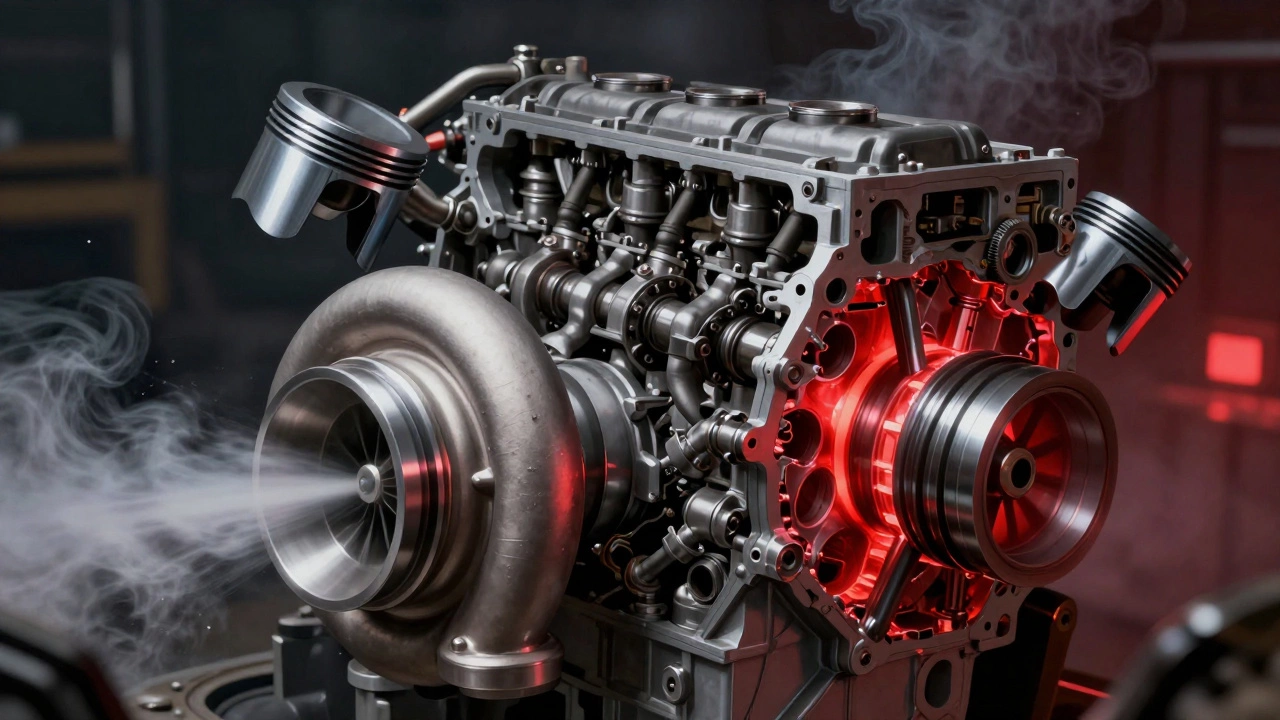
Most dipsticks have two marks: minimum and maximum. If your oil is below the minimum mark, you’re in danger. Even being halfway between the two isn’t ideal. You should aim to keep it near the top mark. A drop of half a quart might not cause immediate damage, but it reduces the oil’s ability to cool and clean the engine. Over time, that leads to sludge buildup, clogged oil passages, and accelerated wear. Some engines, like turbocharged ones, are especially sensitive. Turbochargers spin at over 100,000 RPM and rely on oil for cooling and lubrication. Low oil can destroy a turbo in minutes.
What You’ll Pay If You Wait
Changing your oil every 5,000 to 7,500 miles costs between £30 and £60 in the UK. Ignoring low oil can cost you £2,000 to £5,000 for an engine rebuild-or worse, a full replacement. A new engine for a mid-range family car like a Ford Focus or Volkswagen Golf can run £4,000 or more. And that’s not counting the time you’re without a car. Insurance won’t cover engine damage from neglect. You’re on your own.
How to Check Your Oil Properly
- Wait at least 10 minutes after turning off the engine. This lets oil drain back into the pan.
- Pull out the dipstick, wipe it clean with a rag, then reinsert it fully.
- Take it out again. Look at the oil level between the minimum and maximum marks.
- Check the colour and texture. Dark, gritty oil means it’s due for a change. Milky oil means coolant is leaking into the engine-a serious problem.
- If it’s low, add the correct type of oil (check your manual). Don’t mix brands or viscosities unless it’s an emergency.
Prevention Is Simple
There’s no magic fix. The only way to avoid low oil damage is to check it regularly. Make it part of your weekly routine-like checking your tyres. Keep a bottle of the right oil in your boot. If you notice you’re topping up often, get the car checked. A mechanic can find leaks or internal wear before it turns into a breakdown. Most garages offer free oil checks. Use them.
What Happens After You Add Oil
If you catch it early-say, you’re half a quart low-and you top up right away, your engine will likely be fine. No permanent damage. But if you’ve been driving for weeks with low oil, adding more won’t undo the wear. The damage is already done. The engine might run smoother for a while, but it’s running on borrowed time. That’s why regular checks matter. You’re not just preventing a breakdown. You’re protecting your wallet, your safety, and your peace of mind.
Myth: Synthetic Oil Lasts Forever
Some people think synthetic oil lasts so long they don’t need to check levels. That’s dangerous. Synthetic oil resists breakdown better, but it still gets consumed. It still leaks. It still burns. The fact that you can go 10,000 miles between changes doesn’t mean you can go 10,000 miles without checking. You still need to check every week.
Bottom Line
Your engine doesn’t care how much you paid for your car or how new it is. It only cares if it has enough oil. Low oil isn’t a minor issue. It’s a silent killer. Check your oil. Every week. If it’s low, top it up. If you’re using oil fast, get it checked. Don’t wait for the warning light. Don’t wait for the noise. By the time those come, it’s already too late.
Can low oil cause my car to stall?
Yes. If oil pressure drops too low, the engine’s computer may shut it down to prevent damage. This is called a safety shutdown. It’s not a coincidence-it’s a built-in fail-safe. If your car stalls and the oil light is on, don’t restart it. Call for a tow.
How often should I check my engine oil?
Check it at least once a week, especially if your car is older or has high mileage. If you drive in stop-and-go traffic, tow trailers, or live in extreme temperatures, check it every 3-4 days. Modern cars don’t eliminate the need for manual checks-they just make it easier to ignore.
Can I just add any type of oil to my car?
No. Always use the viscosity and type (conventional, synthetic, or blend) recommended in your owner’s manual. Mixing oils can cause poor lubrication or sludge. If you’re in a pinch and have no other option, use a similar grade-but get the correct oil as soon as possible.
Is it normal for my car to use oil between changes?
A small amount is normal-up to one quart every 3,000 miles. But if you’re adding a quart every 1,000 miles or less, something’s wrong. Worn piston rings, valve seals, or a leaking gasket are likely culprits. Don’t ignore it.
What happens if I drive with no oil at all?
You’ll likely destroy your engine in under 30 minutes. Metal parts will seize, bearings will melt, and the crankshaft can snap. The engine won’t just stop-it’ll lock up violently. Driving without oil is like running a car without brakes. It might seem fine at first, but the end result is catastrophic.