Fuel Pump Diagnostic Simulator
Select the symptoms you are experiencing to determine if your fuel pump is dead, failing, or if another component is at fault.
Diagnostic Assessment
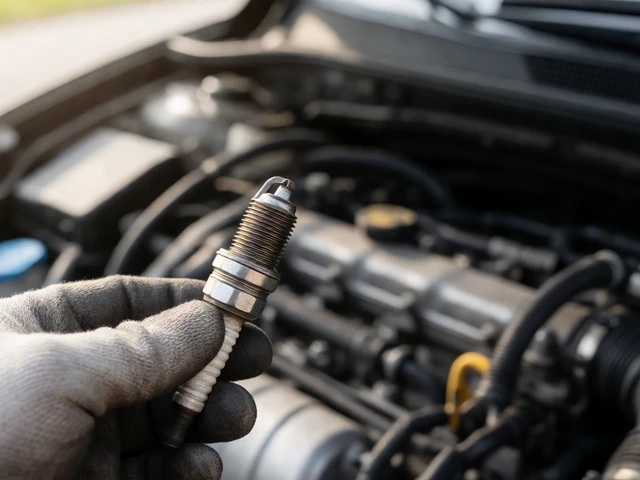
You turn the key. The engine cranks over-chug-chug-chug-but it just won't catch. You check the battery; it's strong. You check the spark plugs; they're firing. So why is your car sitting there like a stubborn mule? There is a good chance you are dealing with a dead fuel pump. But here is the tricky part: will a car run with a dead fuel pump? The short answer is no, not for long, and definitely not from a cold start. But the reality is messier than that. Sometimes the pump isn't completely dead; it's just dying. And that distinction changes everything about how you diagnose the problem.
The Core Question: Can It Actually Move?
If your fuel pump is truly dead-meaning zero electrical flow or a seized impeller-your engine has no way to get gasoline into the cylinders. Modern engines rely on precise fuel pressure, usually between 35 and 65 PSI depending on whether you have port injection or direct injection. Without that pressure, the injectors can't spray fuel in the right pattern. No fuel means no combustion. No combustion means the pistons stop moving after the initial air-fuel mixture in the intake manifold burns off.
However, if you were driving when the pump failed, you might coast to a stop. The fuel already in the lines and the small amount left in the injector rails might allow the engine to sputter and die rather than cutting out instantly. But trying to restart it? That is where the "dead" status becomes obvious. If the pump doesn't prime (that brief whirring sound you hear when you turn the key to ON), the engine will crank indefinitely without starting.
Distinguishing a Dead Pump from Other Failures
Before you spend hundreds of pounds on a new part, you need to be sure it's the pump. A lot of drivers panic and replace the pump only to find the issue was a blown fuse or a bad relay. Here is how to tell them apart.
- The Silence Test: Turn your ignition to the "ON" position but do not start the engine. Listen closely near the rear seat or trunk area. You should hear a faint hum for about two seconds. This is the pump priming the system. If you hear absolute silence, the pump might be dead, or it isn't getting power.
- Cranking Speed: If the engine cranks at normal speed but won't fire, it’s likely fuel or spark related. If it cranks slowly, it’s probably your battery, not the pump.
- Starting Fluid Trick: Spray a little starting fluid into the intake. If the engine fires up briefly and then dies, you know for a fact that you have spark and compression, but you lack fuel. This strongly points to the fuel delivery system.
Why Your Car Might Start Once and Then Die
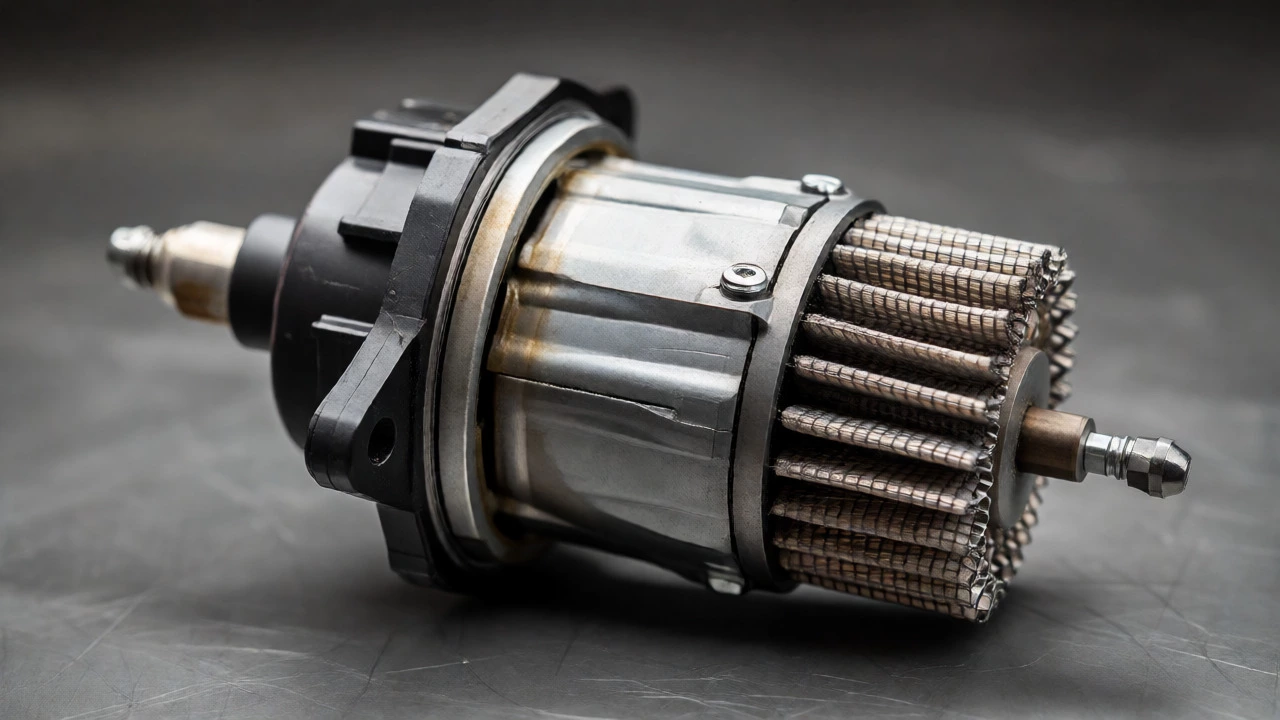
This is the most confusing scenario. Your car starts fine in the morning, runs well, but then stalls at a traffic light and refuses to restart until it cools down. Is the pump dead? Not exactly. It’s failing. Over time, the carbon brushes inside the electric motor wear down, or the internal windings overheat. When the pump gets hot, the resistance increases, and the motor seizes temporarily. Once it cools, it works again. This intermittent failure is often mistaken for a dead pump because, during the hot phase, it acts exactly like one.
Another culprit is the fuel filter. In many modern cars, the filter is integrated into the pump assembly inside the tank. If it gets clogged with debris, the pump struggles to push fuel through. The pump itself might still be spinning, but the pressure drops so low that the engine starves. Replacing the whole assembly is often cheaper and easier than trying to clean a sealed unit.
Diagnostic Steps Before You Buy Parts
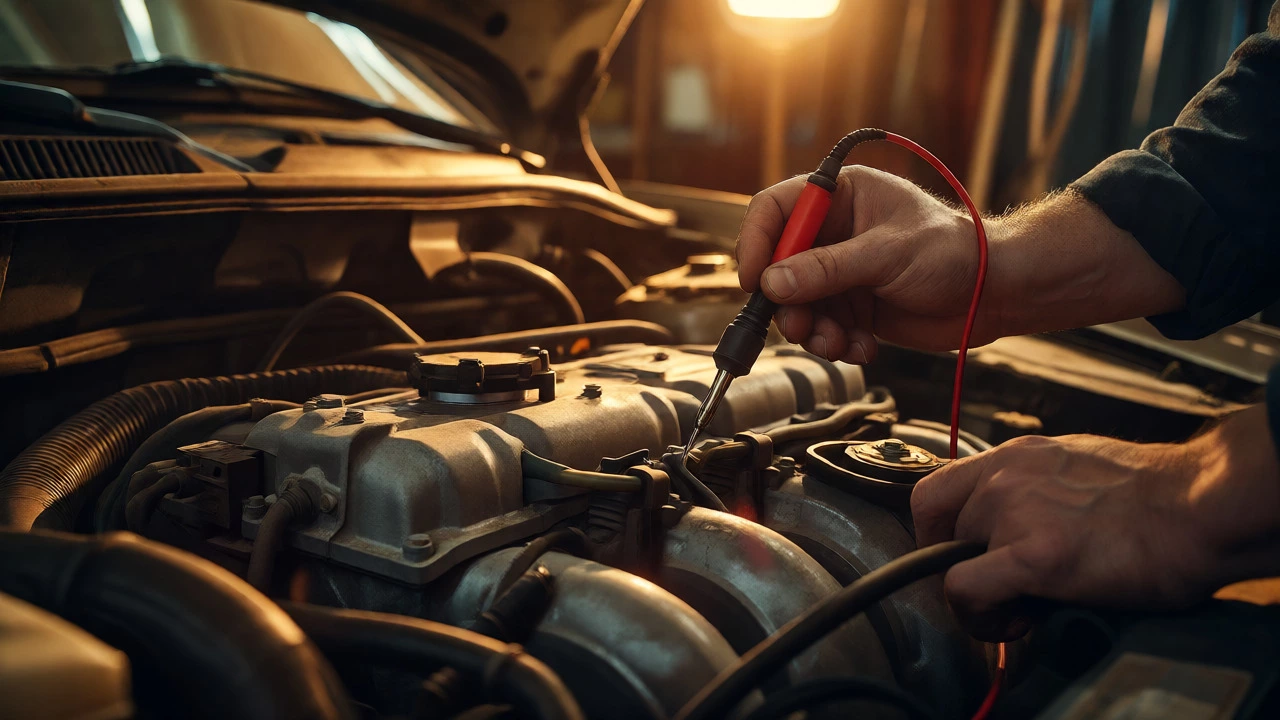
You don’t need a mechanic’s shop to do basic checks. Grab a multimeter and a fuel pressure gauge. Here is what to look for.
| Check Point | Expected Result | What It Means If Wrong |
|---|---|---|
| Voltage at Pump Connector | 12V+ for 2-3 seconds on ignition | No voltage? Check fuse, relay, or wiring harness. |
| Fuel Pressure (Idle) | Manufacturer spec (e.g., 40-60 PSI) | Low pressure? Failing pump or clogged filter. |
| Fuel Volume (Output) | At least 1 pint in 15 seconds | Low volume? Blocked line or weak pump impeller. |
| Return Line Flow | Steady stream back to tank | No return? Clogged return line causing high pressure/low flow issues. |
If you have voltage at the connector but the pump doesn't hum, the pump is dead. Replace it. If you have no voltage, trace the circuit backward. Check the fuel pump relay. These relays are notorious for failing intermittently. Swap it with an identical relay from another circuit (like the horn or AC) to test. If the car starts, you saved yourself a lot of money by buying a £10 relay instead of a £150 pump.
The Risks of Driving with a Failing Pump
Can you drive on a dying pump? Technically, yes, but it’s risky. When a pump begins to fail, it often sends metal shavings or plastic debris into the fuel lines. These particles travel to the injectors. If an injector gets clogged, your engine will run rough, misfire, and potentially damage the catalytic converter due to unburnt fuel. Replacing a catalytic converter costs upwards of £500-£1,000. Replacing a fuel pump assembly costs significantly less.
Furthermore, if the pump fails while you are merging onto the M4 or navigating a busy Bristol roundabout, you lose power steering assist (in hydraulic systems) and power braking boost. The car doesn't lose brakes, but they become heavy. You also lose power steering, making the wheel hard to turn. It’s manageable, but it requires calmness under pressure.
When to Call a Professional
Replacing a fuel pump used to mean dropping the fuel tank-a messy, dangerous job involving flammable vapours and rusted bolts. Today, many cars have access hatches under the rear seats. If you are handy with tools and safety-conscious, you can do this yourself. Wear gloves and eye protection. Fuel spills are slippery and toxic.
However, call a pro if:
- Your car uses direct injection and requires specialized diagnostic tools to reset the fuel trim adaptations.
- The fuel tank is integrated into the chassis and cannot be dropped easily.
- You smell raw fuel strongly around the filler cap or under the car, suggesting a leak rather than a pump failure.
- You are unsure about handling volatile fuels safely.
How long does a fuel pump last?
Most modern fuel pumps are designed to last between 100,000 and 150,000 miles. However, keeping your tank above a quarter full helps cool the pump, as gasoline acts as a coolant for the pump motor. Running on empty frequently can shorten its lifespan significantly.
Can I jumpstart a car with a dead fuel pump?
No. Jumpstarting provides electrical power to the starter motor and ignition system. It does not fix a mechanical or electrical failure in the fuel pump. If the pump is dead, the engine will still crank but will not start, regardless of battery strength.
Does a bad fuel pump cause white smoke?
Not typically. White smoke usually indicates coolant burning (head gasket issue) or condensation. A bad fuel pump causes lean conditions (too much air, not enough fuel), which might lead to overheating or misfires, but rarely produces thick white exhaust smoke unless the engine has been severely damaged by prolonged lean running.
Is it safe to drive with a faulty fuel pump relay?
It is unpredictable. The relay might cut power to the pump suddenly, causing the engine to stall. While not immediately dangerous like brake failure, it can leave you stranded in unsafe locations. It is best to replace the relay as soon as possible since it is a cheap and simple fix.
Why does my car stall when going uphill?
This is a classic sign of a weak fuel pump. Going uphill requires more fuel demand. A healthy pump can meet this increased load. A weak pump cannot maintain sufficient pressure under high demand, causing the engine to starve and stall. Once you level out or stop, pressure may recover slightly, allowing a restart.